

-93%

Morr F
Price range: $ 100,00 through $ 307,00

Motrin
Price range: $ 9,00 through $ 278,00
Motilium
Price range: $ 40,00 through $ 95,00
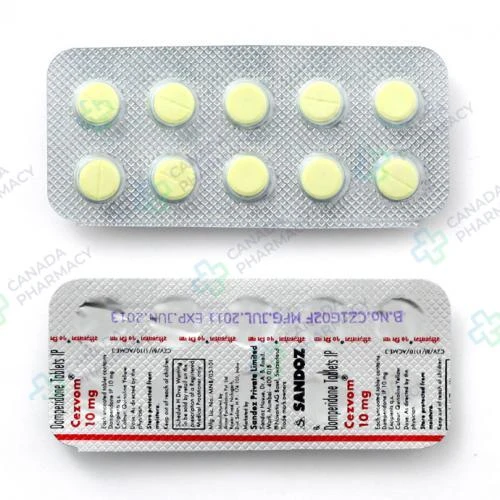
Motilium is an effective medication designed to relieve symptoms associated with delayed stomach emptying and gastrointestinal discomfort. The active ingredient, domperidone, works by increasing the contractions of the stomach and intestines to help food move more easily through the digestive tract. It is commonly used to alleviate persistent feelings of bloating, fullness, and upper abdominal pain that often occur after meals. This medication is also highly effective in controlling nausea and preventing vomiting caused by various digestive irregularities. By restoring the natural rhythm of the digestive system, Motilium helps users regain comfort and improve their overall digestive health.
Active substance: domperidone
Delivery: 5–21 days (depending on the shipping method)
Extra 10% discount with coupon: IT4K6SVM
Each dosage option has its own packaging choices.
Description
Motilium belongs to a class of medications known as peripheral dopamine receptor antagonists. It works primarily by enhancing gastrointestinal motility and accelerating gastric emptying through targeted receptor blockade in the upper digestive tract and the chemoreceptor trigger zone.
In the United States, domperidone is not approved by the Food and Drug Administration (FDA) for general prescription or over-the-counter marketing, and any availability is subject to strict regulatory programs or specific clinical protocols. This overview provides objective pharmaceutical information regarding the active moiety, its pharmacological properties, and safety considerations in accordance with federal standards.
| Parameter | Details |
|---|---|
| Active Ingredient | Domperidone |
| Therapeutic Class | Dopamine D2 receptor antagonist / Gastrointestinal prokinetic agent |
| Dosage Form | Oral tablet, oral suspension |
| Route of Administration | Oral |
| Primary Purpose | Symptomatic management of upper gastrointestinal motility disorders |
| Prescription Status | Dispensed in accordance with applicable federal and state regulations |
Clinical Profile and Pharmacology
Main uses
Motilium is indicated for the relief of symptoms associated with delayed gastric emptying, such as upper abdominal bloating, early satiety, epigastric pain, and nausea. By increasing the frequency and duration of antral and duodenal contractions, it promotes the transit of food through the stomach into the small intestine. In various international medical frameworks, it is also utilized for the short-term treatment of nausea and vomiting induced by various etiologies. It is critical to note that the use of domperidone to stimulate lactation (galactagogue) is an off-label use that is not approved by the FDA and carries significant clinical safety warnings regarding potential systemic exposure in infants and maternal cardiac risks.
How the drug works
The active ingredient, domperidone, exerts its action as a selective peripheral dopamine D2 receptor antagonist. It acts predominantly on peripheral receptors located in the upper gastrointestinal tract and in the area postrema (the chemoreceptor trigger zone, or CTZ), which lies outside the blood-brain barrier. Blockade of dopamine D2 receptors prevents the dopamine-mediated inhibition of gastrointestinal motility, leading to enhanced esophageal peristalsis, increased lower esophageal sphincter pressure, and accelerated gastric evacuation. Because domperidone does not readily cross the blood-brain barrier under standard therapeutic conditions, central nervous system adverse effects such as extrapyramidal symptoms occur with lower frequency compared to central dopamine antagonists like metoclopramide.
How it’s absorbed and eliminated
Following oral administration, domperidone is rapidly absorbed from the upper gastrointestinal tract. However, due to extensive first-pass hepatic metabolism and gut wall metabolism, its absolute systemic bioavailability is relatively low (approximately 15% in fasted states). Peak plasma concentrations are typically reached within 30 to 60 minutes after ingestion. Domperidone is highly bound to plasma proteins (91% to 93%). Metabolic clearance occurs primarily through the liver via the cytochrome P450 enzyme system, predominantly the CYP3A4 isoenzyme, with minor contribution from CYP1A2 and CYP2E1. The elimination half-life ranges from 7 to 9 hours in healthy subjects, but may be significantly prolonged in patients with severe renal or hepatic impairment.
Dosing schedule
Administration schedules must be established by a qualified healthcare professional based on individual clinical evaluations. The standard guidance emphasizes using the lowest effective dose for the shortest duration necessary to achieve symptomatic control. To optimize bioavailability, doses are generally administered prior to meals. In clinical settings where the drug is authorized, daily dosages are divided into three or four administration times. Patients should strictly adhere to the dosing intervals prescribed by their healthcare provider and avoid increasing the frequency or dosage independently.
What to avoid while taking it
Co-administration of Motilium with food can slightly delay the absorption of the drug, which is why clinical guidelines generally recommend taking the tablet approximately 15 to 30 minutes before meals. Alcohol consumption does not directly alter the pharmacokinetics of domperidone, but ethanol can exacerbate gastric irritation, delay gastric emptying, and intensify central nervous system symptoms such as drowsiness or dizziness. Consequently, avoiding concomitant alcohol intake during therapy is strongly advised to maintain optimal therapeutic outcomes.
Safety Guidelines and Potential Risks
Compatibility with other medicines
Domperidone undergoes significant hepatic metabolism via CYP3A4. Concomitant administration with potent CYP3A4 inhibitors is strictly contraindicated due to the risk of markedly increasing domperidone plasma concentrations, which elevates the danger of cardiac conduction abnormalities. Co-administration with drugs that prolong the QTc interval must also be avoided.
- Potent CYP3A4 Inhibitors: Ketoconazole, itraconazole, clarithromycin, erythromycin, telithromycin, and protease inhibitors.
- QTc-Prolonging Drugs: Amiodarone, sotalol, haloperidol, citalopram, and methadone.
- Anticholinergic Agents: Atropine or dicyclomine may antagonize the prokinetic effects of domperidone on gastrointestinal motility.
- Antacids and Antisecretory Drugs: Medications that reduce gastric acidity (such as H2-receptor antagonists or proton pump inhibitors) lower the oral bioavailability of domperidone when taken simultaneously; they should be administered after meals rather than before.
Adverse reactions
While Motilium is generally tolerated when used according to approved parameters, potential adverse effects exist. The most frequent reactions involve the endocrine and gastrointestinal systems. Because domperidone blocks dopamine receptors in the pituitary gland (which lacks a blood-brain barrier), it stimulates the release of prolactin, which can lead to hyperprolactinemia.
- Endocrine System: Breast enlargement (gynecomastia), breast tenderness, galactorrhea, and menstrual irregularities.
- Gastrointestinal System: Dry mouth, mild abdominal cramps, diarrhea, and transient nausea.
- Nervous System: Headache, somnolence, akathisia, and anxiety.
- Cardiovascular System: QTc prolongation, ventricular arrhythmias, and torsades de pointes (particularly at elevated doses or in patients over 60 years of age).
Important precautions
Pre-existing cardiovascular issues represent a critical safety consideration. Domperidone is associated with an increased risk of serious ventricular arrhythmias and sudden cardiac death, particularly in patients receiving daily doses greater than 30 mg or those older than 60 years. It is contraindicated in patients with underlying cardiac conduction abnormalities, pre-existing QTc interval prolongation, significant electrolyte disturbances (such as hypokalemia or hypomagnesemia), or underlying structural heart disease. Patients with moderate to severe hepatic impairment should not use domperidone, as impaired drug clearance significantly increases systemic exposure.
Red flags
Patients receiving domperidone must be monitored for severe adverse cardiac and immunological events. Immediate emergency medical attention is required if any red-flag symptoms occur during treatment.
| Red Flag Symptom | Possible Clinical Cause | Immediate Action |
|---|---|---|
| Palpitations or rapid, irregular heartbeat | Cardiac arrhythmia / QTc prolongation | Seek emergency medical care immediately |
| Syncope (fainting) or severe dizziness | Hemodynamic instability / Ventricular event | Seek emergency medical care immediately |
| Swelling of the face, lips, tongue, or throat | Severe hypersensitivity / Anaphylaxis | Seek emergency medical care immediately |
| Difficulty breathing or severe wheezing | Acute airway compromise / Allergic reaction | Seek emergency medical care immediately |
| Severe skin rash, hives, or peeling skin | Dermatological drug eruption | Discontinue drug and contact a doctor |
Pregnancy, breastfeeding, and other groups
Data regarding the use of domperidone in pregnant women are limited. Animal studies do not indicate direct reproductive toxicity at therapeutic doses, but potential risks to human fetal development remain unconfirmed; use during pregnancy is advisable only when potential clinical benefit outweighs potential fetal risk. Domperidone is excreted in human milk in small quantities. Because of the risk of cardiac side effects in nursing infants, a decision must be made whether to discontinue nursing or discontinue the drug, taking into account the importance of the medication to the mother. Pediatric administration requires specialized clinical judgment and dosing calculations. Elderly patients, particularly those over 60, face an elevated risk of cardiovascular events and should undergo baseline cardiac risk assessment before therapy.
If you skip a dose
If a dose of Motilium is missed, it should be taken as soon as remembered, provided the next scheduled dose is not due shortly. If the time is close to the next scheduled administration, the missed dose should be skipped entirely, and the normal dosing schedule resumed. Patients must never double the dose to compensate for a missed administration, as elevated single doses increase the risk of cardiac conduction disturbances.
Common Questions
How does Motilium affect heart rhythm?
Domperidone can cause prolongation of the QT interval on an electrocardiogram (ECG) by blocking cardiac potassium channels. This electrophysiological alteration increases the risk of ventricular tachyarrhythmias, including torsades de pointes. The risk is elevated when domperidone is taken at high doses, combined with CYP3A4 inhibitors, or administered to patients with pre-existing heart conditions or electrolyte imbalances.
Why should Motilium be taken before meals rather than after?
Taking Motilium 15 to 30 minutes prior to food intake ensures that peak plasma concentrations coincide with the postprandial period, when gastrointestinal motility stimulation is required. Administration after meals slows the rate of drug absorption and reduces therapeutic efficiency in facilitating prompt gastric emptying.
Is Motilium approved for increasing breast milk production?
No, Motilium is not FDA-approved as a galactagogue to stimulate lactation. Although prolactin elevation is a known physiological effect of dopamine receptor blockade, using domperidone for lactation enhancement is an off-label use associated with safety risks to both mother and infant, including potential cardiac complications.
Can Motilium be combined with common over-the-counter antacids?
Antacids and antisecretory medications alter gastric pH, which can decrease the systemic absorption and efficacy of Motilium. If antacid therapy is necessary, these agents should be taken after meals, while Motilium is taken before meals, ensuring a temporal separation between the administrations.
Information on this page is for reference and does not replace an assessment by a licensed healthcare professional. In accordance with FDA requirements.
Additional information
| Dosage |
10mg |
|---|---|
| Package |
10 pills ,20 pills ,30 pills ,60 pills ,90 pills ,120 pills ,180 pills ,270 pills ,360 pills |
| Ενεργός Ουσία |
Related products
Allopurinol
Price range: $ 17,00 through $ 238,00
Active substance: allopurinol
More Details
This product has multiple variants. The options may be chosen on the product page

Ascorbic Acid
Price range: $ 58,00 through $ 69,00
Active substance: Ascorbic Acid
More Details
This product has multiple variants. The options may be chosen on the product page
Budez CR
Price range: $ 23,00 through $ 108,00
Active substance: Budesonide
More Details
This product has multiple variants. The options may be chosen on the product page
Calcort
Price range: $ 54,00 through $ 430,00
Active substance: Deflazacort
More Details
This product has multiple variants. The options may be chosen on the product page
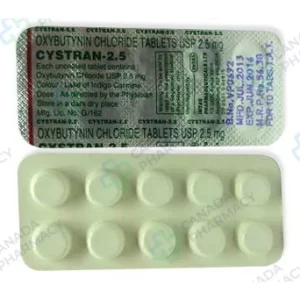
Ditropan
Price range: $ 23,00 through $ 262,00
Active substance: Oxybutynin
More Details
This product has multiple variants. The options may be chosen on the product page
Dulcolax
Price range: $ 44,00 through $ 148,00
Active substance: Bisacodyl
More Details
This product has multiple variants. The options may be chosen on the product page
Duphalac
Price range: $ 48,00 through $ 300,00
Active substance: Lactulose
More Details
This product has multiple variants. The options may be chosen on the product page
Liv.52 Syrup
$ 60,00
Active substance: Chicory, The Caper Bush
More Details
This product has multiple variants. The options may be chosen on the product page