

-22%
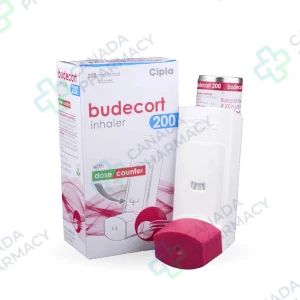
Budecort Inhaler
Price range: $ 17,00 through $ 92,00
Bupron SR
Price range: $ 50,00 through $ 510,00
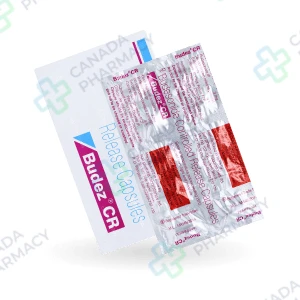
Budez CR
Price range: $ 23,00 through $ 108,00
Budez CR is a specialized corticosteroid medication designed to manage inflammatory conditions within the gastrointestinal tract. This controlled-release formulation is primarily indicated for the treatment of mild to moderate Crohn’s disease involving the ileum and ascending colon. It is also effectively used to induce and maintain clinical remission in patients with active ulcerative colitis. The medication works by delivering the active ingredient directly to the inflamed sections of the gut for targeted relief. By focusing its anti-inflammatory action locally, Budez CR helps alleviate symptoms such as abdominal pain and persistent diarrhea associated with these chronic conditions.
Active substance: Budesonide
Delivery: 5–21 days (depending on the shipping method)
Extra 10% discount with coupon: IT4K6SVM
Each dosage option has its own packaging choices.
Description
Budez CR belongs to a class of medications known as non-systemic corticosteroids, specifically formulated for localized action within the gastrointestinal tract. It contains budesonide in a controlled-release matrix that minimizes systemic exposure while delivering drug concentration directly to inflamed intestinal tissues.
In the United States, this medication is available strictly by prescription (Rx) and must be administered under the direct supervision of a licensed healthcare professional. Proper understanding of its indications, dosage schedule, and safety profile is essential for achieving optimal clinical outcomes.
| Parameter | Details |
|---|---|
| Active ingredient (INN) | Budesonide |
| Therapeutic class | Gastrointestinal Corticosteroid |
| Dosage form | Controlled-release oral capsule |
| Route of administration | Oral |
| Primary purpose | Mild to moderate active Crohn’s disease involving the ileum and/or ascending colon |
| Prescription status | Prescription only (Rx) |
Clinical Overview and Pharmacologic Profile
Main uses
Budez CR is primarily indicated for the treatment and management of mild to moderate active Crohn’s disease involving the terminal ileum and the ascending colon. The controlled-release mechanism allows the active corticosteroid, budesonide, to be targeted specifically to the distal small intestine and proximal large bowel. Clinical applications focus on inducing symptom remission in patients experiencing inflammatory flare-ups in these targeted anatomical regions. It is not indicated for severe gastrointestinal inflammatory disease or active Crohn’s disease that extends to the upper gastrointestinal tract. Furthermore, healthcare providers may evaluate its clinical appropriateness for short-term management, as therapy duration is typically restricted to minimize the potential for corticosteroid-related systemic effects.
How the drug works
reached through a potent synthetic glucocorticoid with high local anti-inflammatory activity and substantial first-pass hepatic metabolism. Budez CR utilizes a targeted controlled-release delivery matrix designed to survive gastric acidity and release the active drug upon reaching the specific pH environment of the distal ileum and colon. Once released, budesonide binds to intracellular glucocorticoid receptors in the mucosal lining of the intestines. This binding inhibits the transcription of pro-inflammatory cytokines, suppresses mucosal inflammation, reduces vascular permeability, and decreases cellular infiltration into intestinal tissue. Because approximately 90% of systemic absorption is cleared during the initial passage through the liver, the agent achieves significant local therapeutic benefit with lower systemic corticosteroid exposure compared to traditional oral systemic steroids.
What happens in the body
Following oral administration, Budez CR releases budesonide along the gastrointestinal tract, with peak plasma concentrations (Cmax) usually achieved within 2 to 8 hours depending on gastrointestinal motility and local digestive pH. The systemic bioavailability of oral budesonide in healthy subjects is relatively low, estimated at approximately 9% to 12% due to extensive hepatic first-pass metabolism mediated by the cytochrome P450 3A4 (CYP3A4) enzyme system. Plasma protein binding of budesonide is high, ranging between 85% and 90%. The circulating drug is rapidly converted into major metabolites with negligible glucocorticoid activity, such as 16alpha-hydroxyprednisolone and 6beta-hydroxybudesonide. The mean elimination half-life of budesonide after systemic absorption ranges from 2 to 4 hours in adults. Elimination occurs primarily through hepatic metabolic pathways, with metabolites excreted through urine and feces.
How to take it
Budez CR must be taken exactly as prescribed by a licensed healthcare provider. The standard therapeutic dosing for active Crohn’s disease involving the ileum or ascending colon in adults is typically 9 mg orally once daily in the morning for up to 8 weeks. Capsules must be swallowed whole with a sufficient amount of water; they should never be chewed, crushed, split, or opened, as breaking the capsule formulation destroys the controlled-release coating and impairs targeted enteric delivery. Dosing adjustments or gradual tapering protocols are established individually by the prescribing physician when discontinuing therapy, as abrupt cessation may lead to withdrawal symptoms or suppression of the hypothalamic-pituitary-adrenal (HPA) axis.
Compatibility with other medicines
Budesonide is extensively metabolized in the liver by the CYP3A4 enzyme; consequently, concurrent administration with strong CYP3A4 inhibitors can significantly increase systemic exposure to the corticosteroid. Co-administration with potent CYP3A4 inhibitors–such as ketoconazole, itraconazole, clarithromycin, ritonavir, or cobicistat–may substantially elevate systemic corticosteroid concentration and escalate the risk of glucocorticoid-related side effects. Conversely, strong CYP3A4 inducers like rifampin, carbamazepine, phenytoin, and St. John’s wort can enhance the metabolism of budesonide, potentially reducing its therapeutic efficacy. Furthermore, concomitant administration with gastric acid-reducing drugs, such as proton pump inhibitors or H2-receptor antagonists, may alter gastrointestinal pH and prematurely alter the controlled-release disintegration properties of the formulation.
Adverse reactions
Although Budez CR exerts localized anti-inflammatory effects with lower systemic exposure than traditional oral corticosteroids, side effects can still occur. Commonly reported adverse events include headache, respiratory tract infection, nausea, dyspepsia, abdominal pain, flatulence, and fatigue. Systemic corticosteroid-related effects may arise, especially during prolonged use or high-dose therapy; these include facial edema (moon face), acne, hirsutism, weight gain, hyperhidrosis, muscle cramps, and mood alterations such as irritability or anxiety. Extended administration can also impair endogenous cortisol production, leading to adrenocortical suppression. Patients experiencing persistent or severe gastrointestinal discomfort, visual disturbances, or severe psychiatric symptoms should consult their healthcare professional promptly.
Important precautions
Patients with severe hepatic impairment (such as advanced cirrhosis) exhibit reduced first-pass metabolism of budesonide, resulting in significantly increased systemic bioavailability and heightened risk of systemic corticosteroid adverse reactions. Care must be taken in patients with pre-existing infections, including tuberculosis, active viral, fungal, or bacterial infections, as systemic absorbed steroids can suppress immune responses and mask signs of clinical infection. Individuals shifting from systemic corticosteroids with high oral bioavailability (such as prednisone) to Budez CR must be carefully monitored for signs of adrenal insufficiency or steroid withdrawal. In pediatric patients, prolonged use of corticosteroids can cause a reduction in growth velocity. Pregnant or nursing women should use this drug only if the potential benefit clearly outweighs potential risks to the fetus or infant.
Food and alcohol interactions
Dietary intake can influence the clinical performance of Budez CR. Grapefruit and grapefruit juice inhibit the intestinal and hepatic CYP3A4 enzyme system, which can significantly raise plasma concentrations of budesonide; therefore, patients should completely avoid consuming grapefruit products throughout treatment. High-fat meals may moderately delay the time to peak drug concentration, although overall bioavailability is not clinically compromised, allowing administration either with or without food as guided by a physician. While direct chemical interactions between alcohol and budesonide are minimal, alcohol consumption can irritate the gastrointestinal mucosal lining, potentially exacerbating underlying digestive symptoms and increasing mucosal vulnerability.
First days of treatment
During the initial days of taking Budez CR, immediate symptom cessation should not be expected, as topically active bowel corticosteroids require several days to suppress inflammatory cascades and reduce tissue swelling. Most individuals notice gradual improvements in daily bowel frequency, abdominal cramping, and mucosal discomfort within 1 to 2 weeks of consistent daily dosing. Early side effects, such as mild headache or transient digestive upset, may occasionally occur during the initiation phase. Patients should continue taking the prescribed dosage as directed, even if early symptomatic changes appear subtle, and avoid altering the daily dose schedule without consulting their healthcare provider.
If you skip a dose
If a scheduled dose of Budez CR is missed, it should be taken as soon as remembered on that same day. However, if it is almost time for the next scheduled dose, the missed dose should be skipped entirely, resuming the regular daily dosing schedule the following morning. Patients must never double the dose or take extra medicine to make up for a missed capsule. Maintaining consistent morning dosing helps align administration with natural diurnal cortisol rhythms and minimizes potential disruption to adrenal function.
Storage and expiration
Budez CR should be stored at controlled room temperature, ideally between 68°F and 77°F (20°C to 25°C), with brief excursions permitted between 59°F and 86°F (15°C to 30°C). The medication must be kept in its original container, tightly closed, and protected from light, high heat, and excessive moisture. Storage in humid environments like bathroom cabinets should be avoided. Always keep the medication safely out of reach of children and pets. Do not use capsules that have passed their expiration date printed on the packaging, and dispose of unused medication according to local pharmacy take-back protocols.
Common Questions
Can Budez CR capsules be opened and mixed with soft food if swallowing is difficult?
No. Budez CR capsules must be swallowed intact. The controlled-release microgranules inside the capsule are coated with a specialized film that delays drug release until reaching the ileum and colon. Breaking, opening, or chewing the capsule destroys this protective layer, releasing the medication prematurely in the stomach and reducing its targeted intestinal effectiveness while increasing systemic side effects.
How long is a typical course of treatment with Budez CR?
A standard course of Budez CR for active mild to moderate Crohn’s disease is generally prescribed for up to 8 weeks. Prolonged use beyond 8 weeks is typically evaluated on an individual basis by a gastroenterologist, as extended exposure increases the risk of systemic corticosteroid adverse effects and adrenal suppression.
Does Budez CR cause the same weight gain and facial swelling as oral prednisone?
Because Budez CR undergoes high liver metabolism resulting in low systemic absorption (around 10%), systemic corticosteroid side effects like severe weight gain or facial swelling occur less frequently than with conventional oral prednisone. However, elevated systemic side effects can still develop in sensitive individuals or at high doses.
Is it safe to drive or operate machinery while taking Budez CR?
Budez CR generally does not alter cognitive performance or motor skills. However, if you experience side effects such as fatigue, dizziness, or mood changes during the start of therapy, exercise caution before driving or operating heavy machinery until you know how the medication affects you.
What should I do if my Crohn’s symptoms do not improve after two weeks?
If your abdominal symptoms, pain, or diarrhea do not show signs of improvement after two weeks of continuous therapy, contact your prescribing physician. Your doctor will assess your response, verify the diagnosis, or adjust your management strategy accordingly.
This text is for informational purposes only and does not constitute individual medical advice.
In accordance with FDA requirements.
Additional information
| Dosage |
3 mg |
|---|---|
| Package |
30 caps ,60 caps ,90 caps ,180 caps |
| Ενεργός Ουσία |
Related products
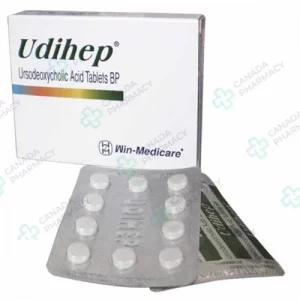
Actigall
Price range: $ 60,00 through $ 521,00
Active substance: Ursodiol
More Details
This product has multiple variants. The options may be chosen on the product page
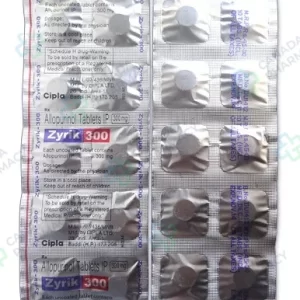
Allopurinol
Price range: $ 17,00 through $ 238,00
Active substance: allopurinol
More Details
This product has multiple variants. The options may be chosen on the product page
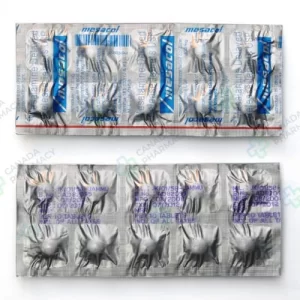
Asacol
Price range: $ 62,00 through $ 88,00
Active substance: Mesalamine
More Details
This product has multiple variants. The options may be chosen on the product page
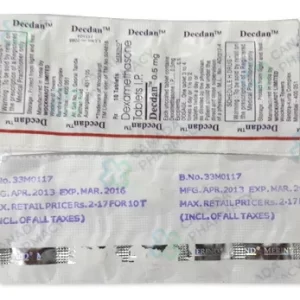
Decadron
Price range: $ 12,00 through $ 182,00
Active substance: Dexamethasone
More Details
This product has multiple variants. The options may be chosen on the product page
Deltasone
Price range: $ 47,00 through $ 296,00
Active substance: Prednisone
More Details
This product has multiple variants. The options may be chosen on the product page
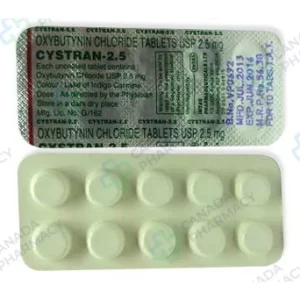
Ditropan
Price range: $ 23,00 through $ 262,00
Active substance: Oxybutynin
More Details
This product has multiple variants. The options may be chosen on the product page
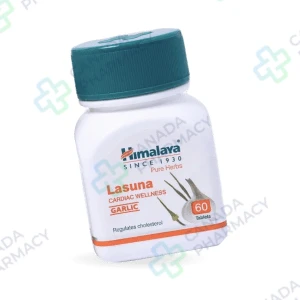
Lasuna
Price range: $ 58,00 through $ 244,00
Active substance: extracts of garlic
More Details
This product has multiple variants. The options may be chosen on the product page
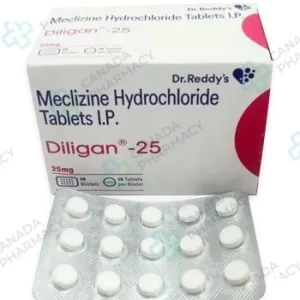
Meclizine
Price range: $ 47,00 through $ 143,00
Active substance: Meclizine
More Details
This product has multiple variants. The options may be chosen on the product page