

-21%
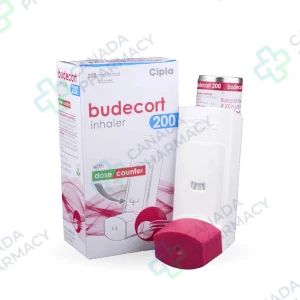
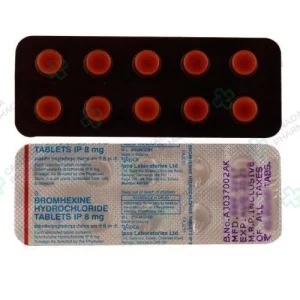
Bromhexine
Price range: $ 62,00 through $ 259,00
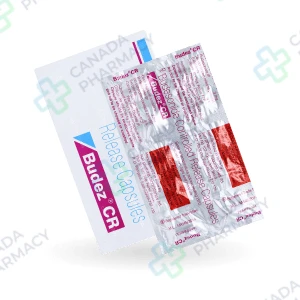
Budez CR
Price range: $ 23,00 through $ 108,00
Budecort Inhaler
Price range: $ 17,00 through $ 92,00
Budecort Inhaler is a potent corticosteroid medication designed to provide effective long-term control over asthma symptoms. By reducing inflammation and swelling within the airways, this treatment helps maintain clear passages for easier breathing. It is specifically formulated for daily maintenance therapy to prevent chronic wheezing, coughing, and shortness of breath. Consistent use of the inhaler improves overall lung function and significantly reduces the frequency of acute respiratory flare-ups. This medication serves as a reliable solution for managing chronic obstructive pulmonary disease and persistent bronchial asthma.
Active substance: Budesonide
Delivery: 5–21 days (depending on the shipping method)
Extra 10% discount with coupon: IT4K6SVM
Each dosage option has its own packaging choices.
Description
Budecort Inhaler belongs to a class of medications known as inhaled corticosteroids (ICS), which function primarily by suppressing pulmonary airway inflammation. It is prescribed for the long-term management and maintenance treatment of persistent asthma in adult and pediatric patients requiring daily controller therapy.
As a prescription medication regulated by federal standards in the United States, Budecort Inhaler must be used regularly as directed by a healthcare provider. It is not formulated to serve as a fast-acting rescue inhaler during acute episodes of bronchospasm.
| Parameter | Details |
|---|---|
| Active Ingredient | Budesonide |
| Therapeutic Class | Inhaled Glucocorticoid / Anti-inflammatory Agent |
| Route of Administration | Oral Inhalation |
| Prescription Status | Prescription Only (Rx) |
| Primary Purpose | Long-term maintenance and prophylaxis of asthma |
| Storage Conditions | Store at 68°F to 77°F (20°C to 25°C); protect from freezing and direct heat |
Pharmacological Profile and Indications
How the drug works: Budesonide, the active glucocorticoid in Budecort Inhaler, possesses potent anti-inflammatory properties within the respiratory tract. Upon inhalation, the active substance binds to intracellular glucocorticoid receptors, inhibiting the transcription of proinflammatory cytokines, chemokines, and inflammatory enzymes. This localized action reduces mucosal edema, baseline bronchial hyperresponsiveness, and cellular infiltration of eosinophils, T-lymphocytes, and mast cells into airway tissue. Unlike systemic corticosteroids, inhaled budesonide targets pulmonary tissues directly, minimizing systemic bioavailability and lowering the risk of broad hormonal adverse effects when administered at recommended therapeutic dosages.
Main uses: Budecort Inhaler is indicated for the long-term maintenance treatment of asthma as prophylactic therapy in adults and children. It helps control persistent respiratory symptoms, reduce the frequency and severity of asthma exacerbations, and improve baseline pulmonary function. Clinicians may also prescribe this agent off-label for specific chronic inflammatory airway conditions, such as non-asthmatic chronic airflow limitations or specific clinical phenotypes of chronic obstructive pulmonary disease (COPD); however, any off-label application requires individual clinical assessment and medical supervision.
What happens in the body: Following oral inhalation, a portion of the administered budesonide dose deposits directly into the bronchial tree, while the remaining fraction is swallowed. The drug deposited in the lungs is rapidly absorbed into pulmonary tissues and systemic circulation. Swallowed budesonide undergoes extensive first-pass hepatic metabolism via the cytochrome P450 enzyme CYP3A4, resulting in a low systemic oral bioavailability of approximately 10% to 15%. Plasma protein binding of budesonide is estimated between 85% and 90%. The terminal elimination half-life averages approximately 2 to 3 hours in adult patients, with inactive metabolites excreted through renal and fecal pathways.
Signs of improvement: Patients typically begin to experience early symptomatic improvement within 24 to 48 hours after initiating regular therapy, although achieving optimal pulmonary benefit may require 1 to 2 weeks or longer of consistent daily usage. Objective signs of effectiveness include a reduction in nighttime awakening due to coughing or wheezing, diminished dependence on short-acting beta-agonists (rescue inhalers), and stabilized peak expiratory flow rates during daily monitoring.
Dosing, Precautions, and Daily Guidelines
Dosing schedule: Dosing for Budecort Inhaler is determined individually by the prescribing provider based on disease severity, age, and prior response to asthma therapies. Adults and pediatric patients generally administer inhalations twice daily, spaced evenly in the morning and evening. The recommended clinical objective is to titrate to the lowest effective dosage required to maintain adequate symptom control once asthma stability is established. Proper inhalation technique–including deep actuation, breath-holding for approximately 10 seconds, and thorough oral rinsing after dosing–is vital to ensure effective pulmonary delivery and minimize local side effects.
What not to combine: Concomitant administration of Budecort Inhaler with potent cytochrome P450 3A4 (CYP3A4) inhibitors can significantly increase systemic exposure to budesonide. Strong inhibitors such as ketoconazole, itraconazole, ritonavir, and clarithromycin decrease the hepatic clearance of budesonide, potentially elevating systemic corticosteroid levels and increasing the risk of hypercorticism or adrenal suppression. Co-administration with other systemic or inhaled corticosteroids may compound total systemic steroid exposure and requires cautious monitoring by a qualified physician.
Adverse reactions: The most common local adverse reactions associated with Budecort Inhaler include oropharyngeal candidiasis (oral thrush), dysphonia (hoarseness), throat irritation, and reflex coughing following actuation. Systemic adverse reactions are infrequent at standard therapeutic dosages but may include headache, minor upper respiratory tract infections, or nasal congestion. High doses administered over extended periods increase the potential for systemic corticosteroid effects, such as reduced bone mineral density, ocular changes (cataracts or glaucoma), and transient hypothalamic-pituitary-adrenal (HPA) axis suppression.
Important precautions: Patients transitioning from oral systemic corticosteroids to Budecort Inhaler require careful clinical management due to the risk of adrenal insufficiency during the transition period. Inhaled corticosteroids may suppress immune responsiveness, rendering patients more susceptible to viral infections such as chickenpox or measles; exposure to such pathogens should be reported promptly to a doctor. Pediatric patients receiving long-term treatment should have their growth velocity monitored routinely by a healthcare professional, as corticosteroids can potentially cause a temporary reduction in growth velocity. In addition, patients with active or quiescent pulmonary tuberculosis, ocular herpes simplex, or untreated fungal or bacterial infections must exercise heightened caution.
If you skip a dose: If a scheduled dose of Budecort Inhaler is missed, the patient should take the next regular dose at its standard scheduled time according to the prescribed regimen. Patients should not double the dose or take extra actuations to compensate for a missed dose. Maintaining a consistent daily administration schedule helps sustain stable anti-inflammatory concentration within the bronchial tissues.
Practical tips: Incorporating Budecort Inhaler into a regular daily routine–such as placing the device near a toothbrush to use before morning and evening dental care–helps maintain adherence. After each inhalation session, patients must rinse their mouth thoroughly with water and spit the liquid out completely rather than swallowing. This step significantly reduces the accumulation of residual drug in the oral cavity, effectively lowering the risk of developing oral thrush and vocal hoarseness.
Storage and expiry: Budecort Inhaler should be stored at controlled room temperature, between 68°F and 77°F (20°C to 25°C), with brief excursions permitted between 59°F and 86°F (15°C to 30°C). The device must be kept away from extreme heat, direct sunlight, and freezing conditions. Inhalers containing pressurized canisters should not be punctured or incinerated, even when empty. Discard the device after the expiration date printed on the outer packaging or once the dosage counter reaches zero.
Is Budecort Inhaler used for rapid relief of a sudden breathing emergency?
No, Budecort Inhaler is a long-term maintenance controller medication and does not act as a rapid-acting bronchodilator. It is formulated to reduce underlying airway inflammation over time rather than relax airway smooth muscles immediately. For sudden, acute attacks of shortness of breath or bronchospasm, patients must utilize a dedicated fast-acting rescue inhaler, such as albuterol, as prescribed by their physician.
Why is mouth rinsing required after using Budecort Inhaler?
Rinsing the mouth with water and spitting it out immediately after each actuation removes residual budesonide deposited on the mucosal lining of the mouth and pharynx. This practice significantly lowers the likelihood of localized fungal infections, specifically oropharyngeal candidiasis (thrush), as well as throat irritation and voice hoarseness (dysphonia).
Can strong antifungal drugs interact with inhaled budesonide?
Yes, strong inhibitors of the CYP3A4 liver enzyme, including systemic antifungals like ketoconazole and itraconazole, can markedly reduce the metabolic breakdown of budesonide. This interaction increases systemic exposure to the corticosteroid, elevating the potential risk of systemic corticosteroid side effects. Patients should inform their prescribing provider of all concurrent medications.
How long should a patient continue daily treatment with Budecort Inhaler?
Budecort Inhaler is typically prescribed for ongoing, long-term asthma control. Because underlying airway inflammation usually returns if controller therapy is stopped abruptly, treatment is generally continued as long as advised by a clinician. Regular follow-up appointments allow the healthcare provider to evaluate disease control and adjust the dosage to the lowest effective level.
Source and Disclaimer: This text is for informational purposes only and does not constitute individual medical advice. Always consult your healthcare provider before starting or changing any treatment. In accordance with FDA regulatory standards for prescription drug communications.
Additional information
| Dosage |
100 mcg ,200 mcg |
|---|---|
| Package |
1 inhaler ,3 inhaler ,6 inhaler ,9 inhaler |
| Ενεργός Ουσία |
Related products
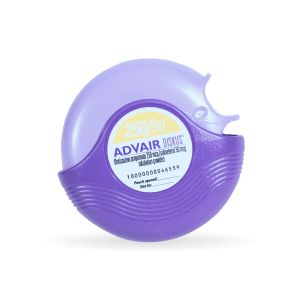
Advair Diskus
Price range: $ 72,00 through $ 527,00
More Details
This product has multiple variants. The options may be chosen on the product page
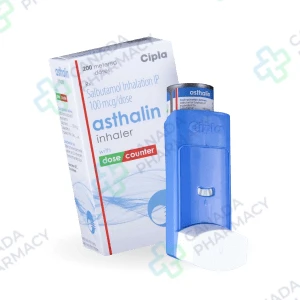
Asthalin Inhaler
Price range: $ 50,00 through $ 215,00
Active substance: Salbutamol
More Details
This product has multiple variants. The options may be chosen on the product page
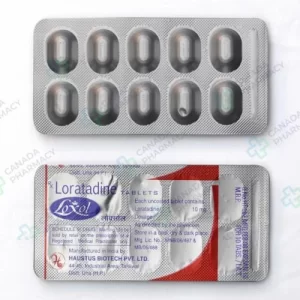
Claritin
Price range: $ 43,00 through $ 143,00
Active substance: Loratadine
More Details
This product has multiple variants. The options may be chosen on the product page
Deltasone
Price range: $ 47,00 through $ 296,00
Active substance: Prednisone
More Details
This product has multiple variants. The options may be chosen on the product page
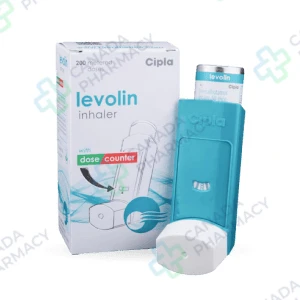
Levolin Inhaler
Price range: $ 9,00 through $ 48,00
Active substance: Levosalbutamol
More Details
This product has multiple variants. The options may be chosen on the product page
Montair
Price range: $ 19,00 through $ 45,00
Active substance: Montelukast
More Details
This product has multiple variants. The options may be chosen on the product page
Nasonex nasal spray
Price range: $ 62,00 through $ 276,00
Active substance: Mometasone Furoate Monohydrate
More Details
This product has multiple variants. The options may be chosen on the product page
Prednisolone
Price range: $ 40,00 through $ 210,00
Active substance: prednisolone
More Details
This product has multiple variants. The options may be chosen on the product page