

-31%

Brahmi
Price range: $ 53,00 through $ 206,00
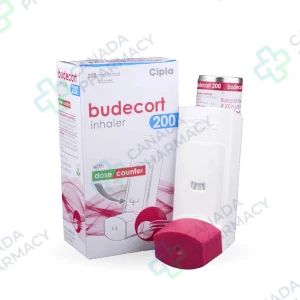
Budecort Inhaler
Price range: $ 17,00 through $ 92,00
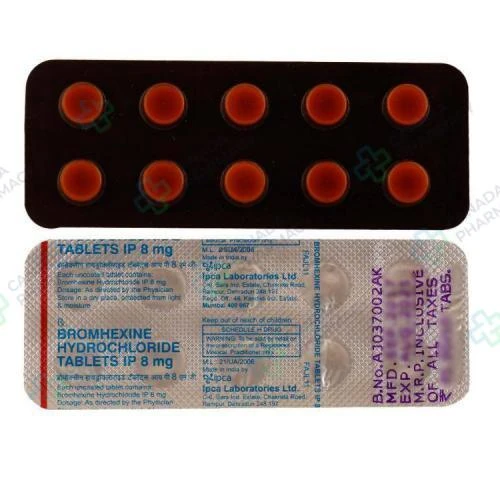
Bromhexine
Price range: $ 62,00 through $ 259,00
Bromhexine is a powerful mucolytic agent designed to provide effective relief from respiratory conditions characterized by excessive mucus production. It works by breaking down the structure of thick, tenacious phlegm, making it thinner and easier to expel from the airways. This medication is commonly used to treat symptoms of acute and chronic bronchitis, as well as other inflammatory bronchial disorders. By clearing the lungs and throat, it helps to significantly reduce the frequency and severity of productive coughs. Regular use supports clearer breathing and promotes faster recovery from chest congestion and respiratory discomfort.
Active substance: Bromhexine hydrochloride
Delivery: 5–21 days (depending on the shipping method)
Extra 10% discount with coupon: IT4K6SVM
Each dosage option has its own packaging choices.
Description
Bromhexine belongs to the class of synthetic mucolytic agents derived from the alkaloid vasicine. It is primarily indicated to decrease mucus viscosity and facilitate sputum clearance in acute and chronic bronchopulmonary conditions. In the United States market, therapeutic products of this category are dispensed in accordance with applicable federal and state regulations.
Proper evaluation by a qualified healthcare professional ensures that mucolytic therapy is aligned with the underlying respiratory diagnosis and patient safety considerations.
| Parameter | Details |
|---|---|
| Drug name | Bromhexine |
| Active ingredient (INN) | Bromhexine hydrochloride |
| Therapeutic class | Mucolytic agent / Secretolytic |
| Dosage form | Oral tablet, oral solution |
| Route of administration | Oral |
| Primary purpose | Mucus clearance in respiratory disorders |
How the drug works
Bromhexine exerts its secretolytic and mucolytic effects by acting directly on bronchial mucopolysaccharide fibers. It breaks down acid mucopolysaccharide strands within sputum, effectively reducing viscosity and making secretions less tenacious. Additionally, bromhexine stimulates the activity of lysosomal enzymes and enhances the production of pulmonary surfactant by type II pneumocytes. Surfactant lowers surface tension at the alveolar interface, preventing bronchial collapse and supporting effective mucociliary clearance. Through the hydrolysis of mucus structures, the drug converts thick pulmonary secretions into a more fluid state, allowing the body’s natural ciliary transport and cough mechanisms to expel phlegm efficiently from the lower respiratory tract.
What it’s used for
Bromhexine is indicated as secretolytic therapy in bronchopulmonary diseases characterized by abnormal mucus secretion and impaired transport. Common clinical indications include acute bronchitis, chronic obstructive pulmonary disease (COPD), bronchiectasis, and tracheobronchitis. It is also utilized in pneumoconiosis and chronic inflammatory bronchial conditions where thick, sticky mucus obstructs airways. By enhancing sputum liquefaction, the medication aids in relieving cough productiveness and improving airway patency. It is not indicated for dry, non-productive coughs lacking mucus accumulation. Off-label use in non-respiratory secretolytic conditions must be evaluated on an individual basis by a prescriptor, as safety and efficacy for unapproved uses require clinical supervision.
Dosing schedule
Dosing for bromhexine hydrochloride varies depending on patient age, body weight, and the severity of the respiratory condition. For adult populations, the standard oral dosage typically ranges from 8 mg to 16 mg taken three times daily, yielding a total daily intake between 24 mg and 48 mg. In pediatric care, reduced dosages are calculated based on age brackets under medical direction. Tablets or oral liquid forms are ingested orally with water. Taking the medication after meals is recommended to minimize potential gastric mucosal irritation. The duration of therapy depends on clinical response, but continuous use without medical re-evaluation generally should not exceed 7 to 14 days. Doses are determined individually and dispensed in accordance with applicable federal and state regulations.
What happens in the body
Following oral administration, bromhexine is rapidly and almost completely absorbed from the gastrointestinal tract. However, it undergoes extensive first-pass metabolism in the liver, resulting in an absolute systemic bioavailability of approximately 20% to 30%. Peak plasma concentrations are generally achieved within 1 hour after ingestion. Bromhexine is highly bound to plasma proteins, with protein binding estimates exceeding 90%. The medication undergoes metabolic transformation in the liver into several active metabolites, most notably ambroxol (trans-4-(2-amino-3,5-dibromobenzylamino)cyclohexanol). The terminal elimination half-life of bromhexine ranges between 12 and 15 hours. Excretion occurs predominantly via the kidneys, with over 85% of metabolites recovered in urine within 24 hours.
Compatibility with other medicines
Co-administration of bromhexine with antitussive agents (such as codeine or dextromethorphan) should be avoided. Cough suppressants inhibit the cough reflex necessary to expel the liquefied secretions generated by bromhexine, potentially causing severe bronchial secretion stasis and airway congestion. Conversely, bromhexine interacts beneficially with certain antibacterial agents. Concomitant administration of bromhexine with antibiotics such as amoxicillin, erythromycin, cefuroxime, and doxycycline increases antibiotic concentrations in sputum and bronchial tissue, enhancing antimicrobial penetration during pulmonary infections. Patients taking ulcerogenic medications, including nonsteroidal anti-inflammatory drugs (NSAIDs), should exercise caution due to potential additive gastric mucosa irritation.
Adverse reactions
Bromhexine is generally well-tolerated, but adverse reactions can occur. Gastrointestinal side effects are the most frequently reported and include mild nausea, epigastric distress, vomiting, diarrhea, and upper abdominal pain. Dermatologic reactions such as cutaneous rash, urticaria, and pruritus may develop in susceptible individuals. Hypersensitivity reactions, including angioedema and bronchospasm, occur rarely but necessitate immediate drug discontinuation. Hepatic enzyme elevations (such as transient increases in AST and ALT) have been noted occasionally during prolonged therapy. In rare cases, severe cutaneous adverse reactions (SCARs), such as Stevens-Johnson syndrome, have been reported in association with mucolytic administration. Patients experiencing unexpected skin or mucosal changes should seek immediate medical evaluation.
Safety Profile and Precautions
Before you take it
Patients with active gastric or duodenal ulceration should use bromhexine with extreme caution, as the drug can alter the gastric mucosal barrier and exacerbate mucosal ulceration. Individuals with severe renal dysfunction or hepatic impairment require dose adjustment and close clinical monitoring due to altered clearance of the drug and its active metabolites. Patients with impaired ciliary motility (such as primary ciliary dyskinesia) must be evaluated carefully, as fluid retention in the lungs may occur if secretion clearing mechanisms are impaired. Patients should inform their doctor of all preexisting gastrointestinal, renal, and hepatic conditions before initiating therapy.
First days of treatment
During the initial 24 to 48 hours of starting bromhexine therapy, patients often observe an increase in sputum volume and a change in mucus consistency from thick to liquid. This surge in secretion fluidity frequently leads to a temporary intensification of cough frequency. This response is an expected therapeutic effect as the body mobilizes and clears previously trapped bronchial secretions. If sputum volume increases without successful expectoration or if breathing becomes laboring, prompt medical advice should be sought.
Special populations
In pregnant individuals, bromhexine crosses the placental barrier. While animal reproduction studies have not demonstrated teratogenic risks, adequate and well-controlled human studies are lacking; therefore, use during pregnancy (especially during the first trimester) requires careful risk-benefit estimation by a prescriber. Bromhexine passes into breast milk, and nursing infants may be exposed; caution is advised, and alternative options or lactation cessation may be evaluated. In elderly patients, renal clearance should be assessed prior to administration, as age-related decline in kidney function may necessitate dosage adjustments.
What to avoid while taking it
Bromhexine can be ingested with or without food, though taking doses following meals reduces potential stomach upset. Maintaining adequate systemic hydration (drinking sufficient fluids daily, such as water or warm broth) is essential to maximize the mucolytic action of the medication. Alcohol consumption should be limited during treatment, as ethanol can irritate the gastric mucosa and increase the risk of gastrointestinal discomfort associated with secretolytic therapy. Patients should avoid combining bromhexine with over-the-counter multi-symptom cold formulations that contain antitussives unless cleared by a pharmacist or healthcare provider.
Storage and expiration
Store bromhexine tablets and oral solutions at controlled room temperature between 68°F and 77°F (20°C to 25°C), away from excessive heat, moisture, and direct light. Do not store the medication in bathroom cabinets subject to high humidity. Keep the bottle tightly closed when not in use. Liquid formulations should not be frozen. Ensure the drug is kept out of reach of children and pets. Do not use the medication beyond the expiration date printed on the packaging, and dispose of unused portions through proper pharmacy take-back channels.
Frequently Asked Questions
Does Bromhexine suppress coughing or help bring up mucus?
Bromhexine is a mucolytic agent, not a cough suppressant. It works by breaking down and thinning viscous mucus, making it easier to cough up. Consequently, cough frequency may initially increase as liquid secretions are cleared from the respiratory tract.
How does Bromhexine differ from ambroxol?
Ambroxol is actually an active metabolite of bromhexine. Both compounds act as mucolytics to thin pulmonary secretions and promote surfactant release, but ambroxol is generated inside the body during the metabolic breakdown of bromhexine.
Can Bromhexine be taken alongside antibiotics for chest infections?
Yes, when prescribed by a doctor. Bromhexine has been shown to increase the concentration of certain antibiotics (such as amoxicillin, erythromycin, and doxycycline) in sputum and lung tissue, which may enhance treatment of bacterial respiratory infections.
Is Bromhexine suitable for individuals with a history of stomach ulcers?
Individuals with active or historic peptic ulcers should exercise caution. Bromhexine can disrupt the protective gastric mucosal barrier, potentially irritating the stomach lining. Medical guidance is strongly recommended prior to use.
What should be done if a dose of Bromhexine is missed?
If a dose is missed, take it as soon as remembered. However, if it is almost time for the next scheduled dose, skip the missed dose and resume the regular dosing schedule. Never double the dose to make up for a missed one.
In accordance with FDA requirements.
This text is for informational purposes only and does not constitute individual medical advice.
Additional information
| Dosage |
8 mg |
|---|---|
| Package |
60 pills ,120 pills ,270 pills ,360 pills |
| Ενεργός Ουσία |
Related products
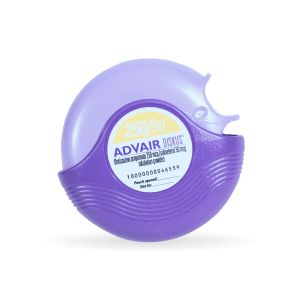
Advair Diskus
Price range: $ 72,00 through $ 527,00
More Details
This product has multiple variants. The options may be chosen on the product page
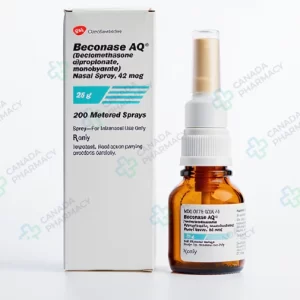
Beconase AQ
Price range: $ 37,00 through $ 213,00
Active substance: Beclometasone
More Details
This product has multiple variants. The options may be chosen on the product page
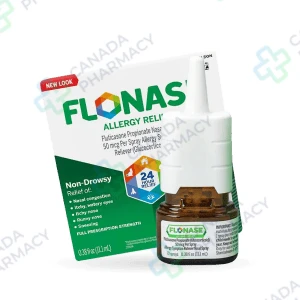
Flonase Nasal Spray
Price range: $ 47,00 through $ 304,00
Active substance: fluticasone
More Details
This product has multiple variants. The options may be chosen on the product page
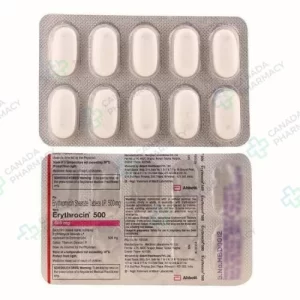
Ilosone
Price range: $ 54,00 through $ 123,00
Active substance: Erythromycin
More Details
This product has multiple variants. The options may be chosen on the product page
Myambutol
Price range: $ 13,00 through $ 246,00
Active substance: ethambutol
More Details
This product has multiple variants. The options may be chosen on the product page
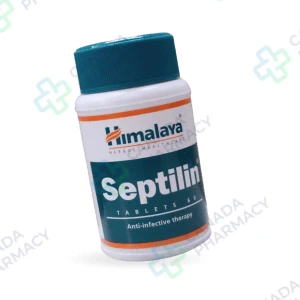
Septilin
Price range: $ 63,00 through $ 83,00
More Details
This product has multiple variants. The options may be chosen on the product page
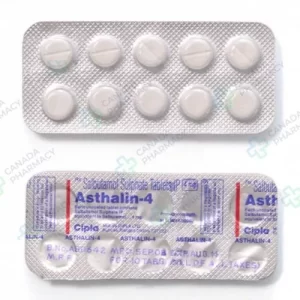
Ventolin
Price range: $ 47,00 through $ 264,00
Active substance: albuterol
More Details
This product has multiple variants. The options may be chosen on the product page
Wellbutrin SR
Price range: $ 62,00 through $ 299,00
Active substance: Bupropion
More Details
This product has multiple variants. The options may be chosen on the product page