

-24%
I-Pill
Price range: $ 40,00 through $ 135,00
Imdur
Price range: $ 28,00 through $ 286,00
Ilosone
Price range: $ 54,00 through $ 123,00
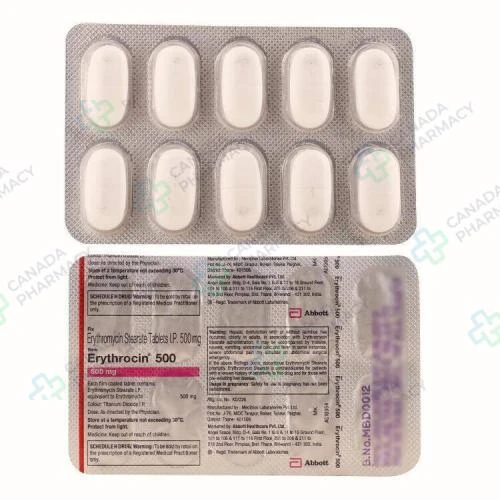
Ilosone is a reliable macrolide antibiotic formulated to effectively eliminate a wide range of bacterial infections. This medication works by preventing the growth and spread of bacteria, allowing the body’s natural defenses to recover. It is primarily used to treat respiratory conditions such as pneumonia, bronchitis, and pertussis. Additionally, Ilosone is effective against skin infections, diphtheria, and certain inflammatory conditions caused by susceptible organisms. Its long-standing history of clinical use makes it a trusted option for managing various acute and chronic bacterial ailments.
Active substance: Erythromycin
Delivery: 5–21 days (depending on the shipping method)
Extra 10% discount with coupon: IT4K6SVM
Each dosage option has its own packaging choices.
Description
Ilosone – Essential Patient Safety Guide
Ilosone belongs to a group of medicines known as macrolide antibiotics. This prescription medication is formulated with erythromycin estolate to suppress bacterial growth and clear specific bacterial infections throughout the body.
Because Ilosone specifically targets bacterial pathogens, it is completely ineffective against viral infections such as the common cold or influenza. Proper evaluation by a licensed healthcare provider is required to confirm that your infection is susceptible to erythromycin therapy.
Critical Safety Warnings & Red Flags
Seek immediate emergency medical attention if you experience any of the serious adverse events outlined below:
| Warning Sign / Symptom | Potential Medical Concern | Required Action |
|---|---|---|
| Swelling of the face, lips, tongue, or throat; difficulty breathing | Severe allergic reaction (Anaphylaxis) | Seek emergency medical help immediately. Stop taking medication. |
| Yellowing of the skin or whites of the eyes (jaundice), dark urine | Hepatic dysfunction / Cholestatic hepatitis | Contact your physician immediately and discontinue drug use. |
| Severe, watery, or bloody diarrhea accompanied by stomach cramps | Clostridioides difficile-associated diarrhea | Contact your healthcare provider promptly. Do not take anti-diarrheal meds. |
| Fast, pounding, or irregular heartbeat; severe dizziness or fainting | Cardiac arrhythmia / QT interval prolongation | Seek immediate emergency medical evaluation. |
| Severe skin rash, blistering, peeling, or widespread red skin lesions | Severe cutaneous adverse reaction (e.g., Stevens-Johnson syndrome) | Discontinue use immediately and obtain emergency medical care. |
Main Uses
Ilosone is indicated for the treatment of mild to moderately severe infections caused by susceptible strains of microorganisms. Common clinical indications include upper and lower respiratory tract infections, such as streptococcal pharyngitis, acute bronchitis, and pneumonia caused by Mycoplasma pneumoniae or Streptococcus pneumoniae. It is also prescribed for skin and soft tissue infections, erythrasma caused by Corynebacterium minutissimum, and pertussis (whooping cough) to eliminate Bordetella pertussis from the nasopharynx. Additionally, healthcare providers may utilize Ilosone as an alternative agent for treating diphtheria, acute pelvic inflammatory disease due to Neisseria gonorrhoeae, or as prophylaxis against bacterial endocarditis in penicillin-allergic patients undergoing dental or surgical procedures.
How the Drug Works
The active component in Ilosone is erythromycin estolate, an ester salt of erythromycin. The drug acts primarily by penetrating the bacterial cell membrane and reversibly binding to the 50S subunit of bacterial ribosomes. This binding action inhibits transpeptidation and translocation steps in bacterial protein synthesis, effectively blocking the assembly of essential proteins required for cellular survival and replication. While erythromycin is generally bacteriostatic at therapeutic concentrations–restricting bacterial growth to allow the host immune system to clear the pathogen–it may exert bactericidal activity against highly sensitive organisms or when present in elevated drug concentrations.
What Happens in the Body
Erythromycin estolate is orally administered and absorbed from the gastrointestinal tract. Unlike erythromycin base, the estolate salt is relatively resistant to gastric acid degradation, allowing consistent absorption that is less influenced by the presence of food. Following absorption, the drug is hydrolyzed in the body to yield active free erythromycin. It distributes widely into most tissues and body fluids, achieving therapeutic concentrations in the lungs, tonsils, and middle ear fluid, though penetration across the blood-brain barrier into cerebrospinal fluid is minimal. Erythromycin is concentrated in the liver and eliminated primarily through biliary excretion, with only a small fraction excreted unchanged by the kidneys. The elimination half-life ranges from 1.5 to 2 hours in individuals with normal liver function.
Dosing Schedule
Dosage recommendations for Ilosone depend on the type and severity of the infection, as well as the patient’s age and clinical response. In adult patients, the standard oral dosage ranges from 250 mg every 6 hours up to 500 mg every 12 hours, administered according to your doctor’s instructions. Severe infections may require up to 4 g per day in divided doses. Pediatric dosing is determined based on body weight, typically ranging from 30 to 50 mg per kg of body weight per day, divided into equal doses given every 6 to 12 hours. Warning: Never adjust your dosage or stop taking Ilosone early without consulting your doctor. Complete the full course of treatment to prevent infection recurrence and the emergence of drug-resistant bacteria.
If You Skip a Dose
If you miss a dose of Ilosone, take it as soon as you remember. However, if it is nearly time for your next scheduled dose, skip the missed dose entirely and resume your regular dosing schedule. Warning: Never double the dose or take extra medicine to compensate for a missed administration. Taking excess erythromycin increases the risk of severe gastrointestinal distress and potential hepatic toxicity. Maintaining consistent time intervals between doses helps ensure stable drug levels in the bloodstream.
What to Avoid While Taking It
Ilosone can be taken with or without food. Taking your dose with meals or milk may help minimize stomach discomfort and nausea. However, alcohol consumption should be avoided or strictly limited during treatment. Alcohol can exacerbate gastrointestinal side effects such as nausea, vomiting, and abdominal cramping, while also placing additional stress on liver metabolic pathways. Avoid consuming grapefruit or grapefruit juice, as compounds in grapefruit can interfere with liver enzymes responsible for metabolizing erythromycin, potentially causing elevated levels of the drug in the body.
What Not to Combine
Warning: Ilosone is a potent inhibitor of the hepatic CYP3A4 enzyme system and can significantly increase blood levels of co-administered medications, leading to toxic reactions. Co-administration with HMG-CoA reductase inhibitors (statins such as simvastatin or lovastatin) dramatically increases the risk of severe muscle toxicity, including rhabdomyolysis. Combining Ilosone with ergot alkaloids, pimozide, or cisapride is strictly prohibited due to the risk of life-threatening cardiac arrhythmias, including QT prolongation and Torsades de Pointes. Exercise extreme caution when combining Ilosone with blood thinners like warfarin, digoxin, or carbamazepine, as precise dose adjustments and laboratory monitoring may be necessary.
Adverse Reactions
Gastrointestinal symptoms represent the most frequent adverse reactions associated with Ilosone. Patients may experience nausea, vomiting, abdominal pain, diarrhea, and loss of appetite. Erythromycin estolate carries a specific, well-documented risk of cholestatic hepatitis, characterized by abdominal cramps, fever, jaundice, and elevated liver enzymes; this reaction occurs more frequently in adults after 10 or more days of continuous therapy. Other potential adverse effects include temporary hearing loss (typically associated with high doses or renal impairment), oral thrush, vaginal yeast infections due to disruption of normal flora, and allergic skin rashes.
Important Precautions
Caution must be exercised when prescribing Ilosone to patients with pre-existing hepatic impairment or a history of liver disease, as erythromycin accumulates in liver tissue and is excreted via bile. Elderly patients may face a higher risk of drug-induced ototoxicity (hearing impairment) and cardiac QT prolongation. In pregnant women, erythromycin estolate should be used only when strictly necessary, as some reports suggest an increased risk of maternal hepatotoxicity during pregnancy. Small quantities of erythromycin enter breast milk, requiring careful evaluation of benefit versus risk for nursing infants. Individuals with myasthenia gravis must be monitored closely, as macrolides can aggravate muscle weakness.
Red Flags
Seek immediate emergency medical intervention if you notice signs of severe hypersensitivity, including acute swelling of the face, lips, tongue, or throat, accompanied by severe hives and shortness of breath. Immediate medical evaluation is required if you experience signs of acute liver toxicity, such as yellowing of the eyes or skin, unusually dark urine, severe right upper abdominal pain, or light-colored bowel movements. Discontinue Ilosone and seek urgent medical care if you develop persistent watery or bloody diarrhea, chest pain, irregular heart rhythms, severe dizziness, or a spreading skin rash with peeling.
Common Questions
Why must I finish the entire prescription of Ilosone even if my symptoms disappear?
Stopping antibiotic treatment early can leave surviving bacteria behind. These remaining bacteria may multiply, causing a relapse of the infection that is more difficult to treat and potentially resistant to erythromycin and other macrolide antibiotics.
Is liver toxicity more common with erythromycin estolate than other forms of erythromycin?
Yes, clinical studies indicate that the estolate salt of erythromycin carries a higher incidence of cholestatic jaundice and liver enzyme elevations compared to other erythromycin formulations, particularly in adults undergoing prolonged treatment courses lasting longer than ten days.
What should I do if severe diarrhea occurs during or after my treatment?
Warning: Do not take over-the-counter anti-diarrheal products like loperamide without speaking to your doctor. Severe diarrhea can be a sign of a Clostridioides difficile bacterial infection in the colon, which requires specific medical treatment and evaluation.
Can Ilosone affect my ability to drive or operate machinery safely?
Ilosone does not typically impair mental alertness or physical coordination. However, if you experience side effects such as severe dizziness, nausea, or confusion, refrain from driving or operating heavy equipment until these symptoms resolve.
Are there specific stomach medications I should avoid while taking Ilosone?
You should consult your doctor before taking over-the-counter antacids or acid-reducing drugs while on Ilosone. Certain medications can alter drug absorption or interact with liver metabolism pathways, potentially affecting how Ilosone works in your body.
In accordance with FDA requirements.
This text is for informational purposes only and does not constitute individual medical advice.
Additional information
| Dosage |
250 mg ,500 mg |
|---|---|
| Package |
30 tabs ,60 tabs ,90 tabs |
| Ενεργός Ουσία |
Related products

Azipro
Price range: $ 90,00 through $ 680,00
Active substance: Azithromycin
More Details
This product has multiple variants. The options may be chosen on the product page
Baycip
Price range: $ 42,00 through $ 113,00
Active substance: Ciprofloxacin
More Details
This product has multiple variants. The options may be chosen on the product page
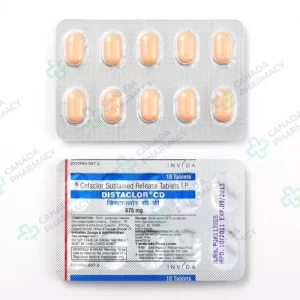
Ceclor CD
Price range: $ 53,00 through $ 154,00
Active substance: Cefaclor
More Details
This product has multiple variants. The options may be chosen on the product page
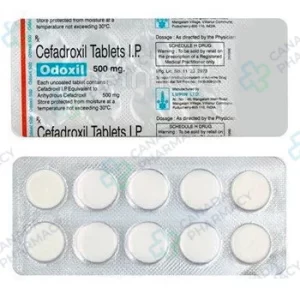
Cefadroxil
Price range: $ 41,00 through $ 349,00
Active substance: cefadroxil
More Details
This product has multiple variants. The options may be chosen on the product page
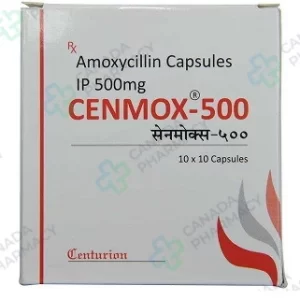
Cenmox
$ 51,00
Active substance: amoxicillin
More Details
This product has multiple variants. The options may be chosen on the product page

Chloramphenicol
Price range: $ 56,00 through $ 260,00
Active substance: chloramphenicol
More Details
This product has multiple variants. The options may be chosen on the product page
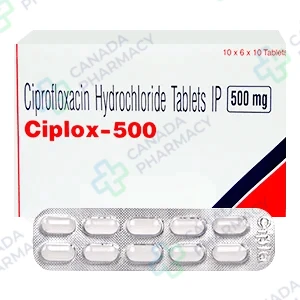
Ciplox
Price range: $ 49,00 through $ 434,00
Active substance: Ciprofloxacin
More Details
This product has multiple variants. The options may be chosen on the product page

Cleocin
Price range: $ 91,00 through $ 361,00
Active substance: Clindamycin
More Details
This product has multiple variants. The options may be chosen on the product page