

-48%
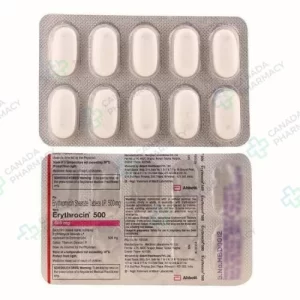
Ilosone
Price range: $ 54,00 through $ 123,00
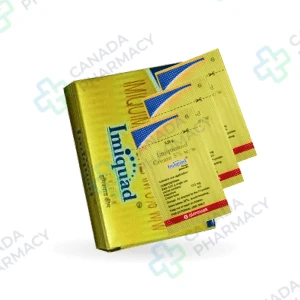
Imiquad Cream
Price range: $ 60,00 through $ 250,00
Imdur
Price range: $ 28,00 through $ 286,00
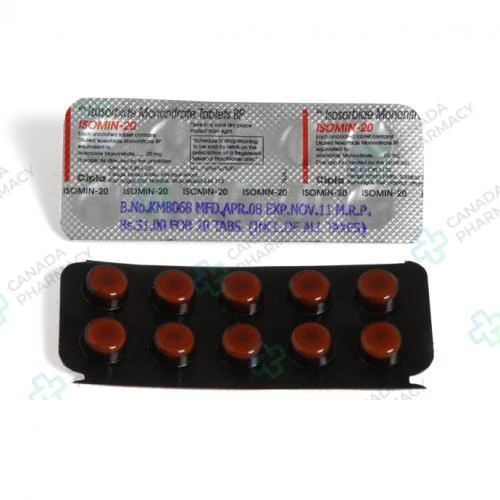
Imdur is a long-acting nitrate medication designed to help manage and prevent chest pain, also known as angina pectoris. It works by dilating the blood vessels, which improves blood flow and ensures the heart muscle receives an adequate supply of oxygen. This medication is primarily used for the chronic treatment of coronary artery disease to reduce the frequency of painful episodes. Each extended-release tablet provides a steady release of the active ingredient, isosorbide mononitrate, throughout the day. Regular use of this treatment helps enhance physical stamina and improves the overall quality of life for individuals with stable heart conditions.
Active substance: Isosorbide
Delivery: 5–21 days (depending on the shipping method)
Extra 10% discount with coupon: IT4K6SVM
Each dosage option has its own packaging choices.
Description
Imdur belongs to a group of organic nitrate vasodilators designed for the continuous prevention of chest pain caused by coronary artery disease. It functions by relaxing the smooth muscle tissue lining systemic and coronary blood vessels, which reduces cardiac workload and optimizes oxygen delivery to the heart muscle.
In the United States, Imdur is available by prescription only (Rx) as an extended-release oral tablet formulation. It is indicated exclusively for the daily prophylaxis of angina pectoris and is not intended for the rapid relief of acute anginal episodes once an attack has commenced.
| Parameter | Details |
|---|---|
| Active Ingredient | Isosorbide mononitrate |
| Therapeutic Class | Vasodilator / Organic Nitrate |
| Dosage Form | Extended-release oral tablet |
| Route of Administration | Oral |
| Primary Purpose | Prophylaxis of angina pectoris |
| Prescription Status | Prescription only (Rx) |
Pharmacological Profile and Administration
Main Uses
Imdur is indicated exclusively for the prophylaxis of angina pectoris due to coronary artery disease. Regular daily administration helps reduce the overall frequency and severity of chest pain episodes. However, due to its extended-release delivery system, Imdur exhibits a delayed onset of action and cannot abort an acute anginal attack. Patients prescribed Imdur must maintain access to a fast-acting nitrate formulation, such as sublingual nitroglycerin, for immediate management of acute chest pain.
How the Drug Works
The active substance, isosorbide mononitrate, undergoes enzymatic cleavage to release free nitric oxide (NO) inside vascular smooth muscle cells. Nitric oxide stimulates the enzyme guanylyl cyclase, increasing intracellular levels of cyclic guanosine monophosphate (cGMP). This signal transduction pathway promotes dephosphorylation of light-chain myosin, leading to smooth muscle relaxation. Imdur primarily dilates peripheral veins, thereby decreasing venous return and reducing left ventricular end-diastolic pressure (preload). To a lesser degree, it relaxes arterial beds, decreasing systemic vascular resistance (afterload) and reducing overall myocardial oxygen demand.
What Happens in the Body
Following oral administration, the extended-release matrix allows isosorbide mononitrate to be released continuously throughout the gastrointestinal tract. Absolute bioavailability is approximately 100%, as isosorbide mononitrate does not undergo significant first-pass hepatic degradation. Peak plasma concentrations are achieved within 3 to 6 hours after dosing. The mean elimination half-life of isosorbide mononitrate is approximately 5 hours. Clearance occurs primarily through hepatic metabolism into inactive metabolites, which are predominantly excreted by the kidneys.
Dosing Schedule
Imdur is formulated for once-daily administration in the morning upon arising. Standard clinical regimens typically begin at 30 mg or 60 mg taken orally once per day, which may be titrated up to a maximum dose of 120 mg daily under medical supervision. The extended-release tablet must be swallowed whole with fluid and must not be chewed, crushed, or split, as disrupting the tablet integrity alters the extended-release profile. The recommended once-daily morning schedule creates an intentional daily period of low nitrate plasma concentration, known as a nitrate-free interval, which prevents the development of vascular nitrate tolerance.
Safety Parameters and Clinical Considerations
Adverse Reactions
Headache is the most common adverse effect associated with Imdur therapy, directly resulting from cranial vasodilation. These headaches often subside after a few days or weeks of consistent treatment. Additional reported side effects include dizziness, lightheadedness, arterial hypotension, orthostatic hypotension, cutaneous flushing, and nausea. Dose-dependent vasodilation may lead to syncope or weakness. Persistent or severe symptoms warrant evaluation by a healthcare provider to adjust the therapeutic plan.
Red Flags
Immediate emergency medical care is required if a patient develops signs of severe hypotension, such as severe dizziness, fainting (syncope), or marked weakness. Urgent medical intervention is also necessary upon observing symptoms of a serious hypersensitivity reaction, including swelling of the face, lips, tongue, or throat, or severe skin rashes. Any paradoxical increase in anginal chest pain or profound bradycardia requires prompt emergency evaluation.
What Not to Combine
Imdur is strictly contraindicated for co-administration with phosphodiesterase type 5 (PDE-5) inhibitors, including sildenafil, tadalafil, and vardenafil. Concomitant use of nitrates with PDE-5 inhibitors can precipitate severe, potentially fatal drops in blood pressure and cardiovascular collapse. Furthermore, Imdur must not be combined with soluble guanylate cyclase stimulators such as riociguat. Concurrent administration with antihypertensive drugs, calcium channel blockers, beta-blockers, or central nervous system depressants may augment hypotensive effects and requires careful clinical monitoring.
What to Avoid While Taking It
Alcoholic beverages must be avoided while taking Imdur. Alcohol exerts additive vasodilatory effects that markedly heighten the risk of severe hypotension, dizziness, and fainting. Imdur may be administered with or without food, but taking it consistently at the same time each morning helps maintain predictable therapeutic levels.
If You Skip a Dose
If a dose is missed, it should be taken as soon as remembered on the same day. However, if it is nearly time for the next scheduled morning dose, the missed tablet should be skipped, and the regular schedule resumed. Patients must not double the dose or take extra tablets to make up for a missed dose.
Storage and Expiration
Imdur extended-release tablets should be stored at controlled room temperature, ideally between 20°C and 25°C (68°F to 77°F), with permitted excursions between 15°C and 30°C (59°F to 86°F). The container should be kept tightly closed, protected from light and excessive moisture, and kept out of reach of children. Expired medications should be disposed of via proper drug disposal programs.
Important Precautions
Caution is advised when prescribing Imdur to patients with severe renal or hepatic impairment, low systolic blood pressure, severe anemia, or volume depletion. The safety of Imdur during pregnancy has not been definitively established; it should be used in pregnant patients only if clearly indicated by a prescriber. It is unknown whether isosorbide mononitrate is excreted in human milk, necessitating caution when administering the drug to nursing mothers.
Common Questions
Why does Imdur cause headaches when starting treatment?
Headaches are a expected pharmacological consequence of blood vessel dilation induced by organic nitrates. As blood vessels throughout the body relax, cranial vessel dilation triggers headaches. For most patients, these headaches decrease in severity as the cardiovascular system adjusts to the medication.
Can Imdur be taken at night instead of the morning?
Imdur is specifically designed for morning administration. Taking the medication in the morning provides therapeutic coverage during daylight hours when physical activity is highest, while allowing nitrate levels to drop overnight. This overnight drop creates a nitrate-free window essential for preventing drug tolerance.
What should be done if acute chest pain occurs while taking Imdur?
Imdur is designed for long-term prevention and does not work quickly enough to stop an active angina attack. If acute chest pain occurs, patients should utilize their prescribed fast-acting rescue medication, such as sublingual nitroglycerin, and seek emergency care if pain persists.
How does Imdur differ from immediate-release isosorbide mononitrate formulations?
Imdur uses an extended-release matrix that gradually delivers isosorbide mononitrate over 24 hours, allowing once-daily dosing. Immediate-release formulations absorb quickly and require multiple daily doses scheduled with specific intervals to prevent tolerance.
Is it safe to stop taking Imdur abruptly?
Abrupt cessation of nitrate therapy can trigger rebound angina or a sudden worsening of chest pain symptoms. Any changes to the dosage or discontinuation of Imdur should be managed under the direct supervision of a licensed healthcare provider.
In accordance with FDA requirements.
This text is for informational purposes only and does not constitute individual medical advice.
Additional information
| Dosage |
20mg ,30 mg ,40 mg ,60mg |
|---|---|
| Package |
30 pills ,60 pills ,90 pills ,120 pills ,180 pills ,270 pills ,360 pills |
| Ενεργός Ουσία |
Related products
Aceon
Price range: $ 51,00 through $ 491,00
Active substance: erbumine, perindopril
More Details
This product has multiple variants. The options may be chosen on the product page
Aldactone
Price range: $ 33,00 through $ 345,00
Active substance: Spironolactone
More Details
This product has multiple variants. The options may be chosen on the product page
Avalide
Price range: $ 66,00 through $ 333,00
Active substance: Irbesartan
More Details
This product has multiple variants. The options may be chosen on the product page
Bystolic
Price range: $ 38,00 through $ 275,00
Active substance: Nebivolol
More Details
This product has multiple variants. The options may be chosen on the product page
Cardizem
Price range: $ 24,00 through $ 389,00
Active substance: Diltiazem
More Details
This product has multiple variants. The options may be chosen on the product page
Coreg
Price range: $ 41,00 through $ 651,00
Active substance: Carvedilol
More Details
This product has multiple variants. The options may be chosen on the product page
Diltiazem
Price range: $ 49,00 through $ 590,00
Active substance: Diltiazem
More Details
This product has multiple variants. The options may be chosen on the product page
Furosemide
Price range: $ 46,00 through $ 193,00
Active substance: furosemide
More Details
This product has multiple variants. The options may be chosen on the product page