

-48%
Imdur
Price range: $ 28,00 through $ 286,00
Imitrex
Price range: $ 147,00 through $ 617,00
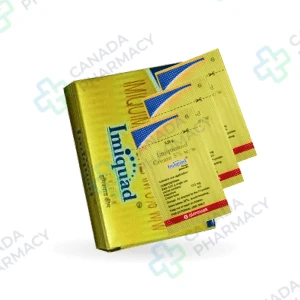
Imiquad Cream
Price range: $ 60,00 through $ 250,00
Imiquad Cream is a specialized topical treatment formulated to help the body’s immune system identify and address various skin abnormalities. This medication is primarily used to treat actinic keratosis, which are rough, scaly patches on the skin caused by years of sun exposure. It is also an effective option for managing superficial basal cell carcinoma, a common form of skin cancer, when localized treatment is appropriate. Furthermore, Imiquad is officially indicated for the treatment of external genital and perianal warts. By enhancing the local immune response, the cream works to clear affected areas and support the growth of healthy skin tissue.
Active substance: Imiquimod
Delivery: 5–21 days (depending on the shipping method)
Extra 10% discount with coupon: IT4K6SVM
Each dosage option has its own packaging choices.
Description
Imiquad Cream belongs to a class of immune response modifiers that act as topical immunomodulators. Formulated with the active substance imiquimod, this prescription medication is approved by the U.S. Food and Drug Administration (FDA) for the treatment of specific dermatological conditions, including external genital and perianal warts, actinic keratosis, and superficial basal cell carcinoma.
Because Imiquad Cream stimulates localized cell-mediated immunity rather than directly destroying tissues, local inflammatory reactions are an expected aspect of its pharmacological activity. This medication is available strictly by prescription and must be used under the direct supervision of a licensed healthcare provider in accordance with federal and state regulations.
| Attribute | Details |
|---|---|
| Active Ingredient | Imiquimod |
| Therapeutic Class | Immune response modifier (Topical immunomodulator) |
| Dosage Form | Topical cream (5%) |
| Route of Administration | Topical (cutaneous) application |
| Prescription Status | Prescription only (Rx) |
| Primary Indications | External genital warts, actinic keratosis, superficial basal cell carcinoma |
Clinical Profile and Mechanisms
How the drug works
Imiquad Cream exerts its therapeutic effect through the activation of innate and adaptive immune pathways. Imiquimod is a selective agonist of Toll-like receptor 7 (TLR7) located on antigen-presenting cells, such as dendritic cells and macrophages. Binding to TLR7 triggers a signaling cascade that leads to the secretion of pro-inflammatory cytokines, including interferon-alpha (IFN-α), tumor necrosis factor-alpha (TNF-α), and various interleukins (IL-1, IL-6, IL-8, and IL-12). These cytokines recruit and activate T-lymphocytes and cytotoxic natural killer cells to target viral lesions or dysplastic keratinocytes. Imiquimod does not possess direct antiviral or direct cytotoxic properties in vitro; its efficacy relies entirely on inducing a localized host immune response.
Main uses
Imiquad Cream is FDA-approved for three specific dermatological diagnoses in immunocompetent adults:
- External genital and perianal warts (condyloma acuminata): Approved for patients 12 years of age and older to clear external lesions caused by human papillomavirus (HPV).
- Actinic keratosis (AK): Approved for the topical treatment of non-hyperkeratotic, non-hypertrophic actinic keratoses on the face or scalp in adults.
- Superficial basal cell carcinoma (sBCC): Approved for biopsy-confirmed superficial basal cell carcinoma in adults when surgical excision is considered medically less appropriate and lesion diameter is under 2 cm located on the trunk, neck, or extremities (excluding face, head, and hands).
Off-label use note: Healthcare providers may occasionally consider imiquimod for non-FDA-approved conditions such as molluscum contagiosum, vulvar intraepithelial neoplasia (VIN), or viral verrucae. These applications represent off-label uses and require careful individual clinical assessment.
Dosing schedule
Dosing frequencies and treatment durations vary depending on the diagnosis. Imiquad Cream must be applied in a thin layer to the target area prior to normal sleeping hours and left on the skin for the specified duration before washing off with mild soap and water.
- External genital/perianal warts: Applied 3 times per week (for example, Monday, Wednesday, and Friday) at bedtime. The cream should remain on the skin for 6 to 10 hours. Treatment continues until total clearance of warts or for a maximum duration of 16 weeks.
- Actinic keratosis: Applied 2 times per week (for example, Tuesday and Thursday) at bedtime for a full 16-week course. The cream should be left on the skin for approximately 8 hours before washing.
- Superficial basal cell carcinoma: Applied 5 consecutive days per week (for example, Monday through Friday) at bedtime for a duration of 6 weeks. The cream should remain on the treatment area for approximately 8 hours per application.
What happens in the body
Percutaneous absorption of imiquimod through intact skin following topical administration of Imiquad Cream is minimal. Clinical pharmacokinetic evaluation demonstrates that less than 0.9% of a topically applied dose is absorbed into the systemic circulation. Systemic serum concentrations of imiquimod remain extremely low or undetectable even after repeated dosing. Absorbed trace amounts are excreted through both renal and biliary pathways. Because systemic bioavailability is minimal, classical systemic half-life parameters do not significantly affect clinical clearance, though local tissue retention allows sustained cytokine induction at the application site.
Adverse reactions
Local skin reactions at the application site are common and directly correlated with the immunomodulatory action of the drug. Typical local reactions include erythema, edema, vesicles, erosion, ulceration, weeping, scabbing, flaking, and local burning or itching. Severe local inflammatory reactions may require a temporary break in dosing (rest period) until the acute reaction subsides.
Systemic adverse events occur less frequently but may include flu-like symptoms, such as low-grade fever, fatigue, malaise, myalgia, headache, and localized lymphadenopathy. Patients experiencing severe systemic symptoms should consult their prescribing clinician.
Compatibility with other medicines
Systemic drug interaction studies have not been conducted extensively due to minimal systemic absorption. However, concurrent application of other topical products, cosmetics, or prescription dermatological medications to the target site should be avoided unless specifically authorized by a physician. Caution is warranted in patients receiving systemic immunosuppressive therapy (such as oral corticosteroids or biologics), as these agents may diminish the therapeutic immune-stimulating efficacy of Imiquad Cream.
Safety and Administration Guidance
Important precautions
Imiquad Cream is strictly intended for external cutaneous application. Contact with mucosal surfaces, including the interior of the nostrils, lips, eyes, intravaginal tissue, or urethral meatus, must be avoided. Treatment of lesions inside the anal canal or vagina is not recommended due to increased potential for severe local mucosal inflammation.
Patients should avoid intense exposure to natural sunlight, tanning beds, or ultraviolet lamps during treatment, as imiquimod can heighten cutaneous photosensitivity. The treated area should not be bandaged or covered with occlusive dressings unless explicitly instructed by a prescriber. Uncircumcised male patients treating warts under the foreskin must practice daily hygiene to prevent foreskin tightness (phimosis).
Special populations
- Pregnancy: Imiquimod is categorized as Pregnancy Category C under previous FDA labeling standards. Data regarding use in pregnant women are limited. It should be used during pregnancy only if the potential benefit justifies the risk to the fetus.
- Breastfeeding: It is unknown whether topically applied imiquimod is excreted in human milk. Caution should be exercised when administering to a nursing mother.
- Pediatric use: Safety and effectiveness in pediatric patients under 12 years of age have not been established for genital warts. Safety has not been established in pediatric populations for actinic keratosis or basal cell carcinoma.
- Immunocompromised patients: Safety and efficacy have not been established in patients with compromised immune systems, such as organ transplant recipients or individuals with advanced HIV infection.
Storage and expiration
Store Imiquad Cream at controlled room temperature between 68°F and 77°F (20°C to 25°C), with permitted excursions between 59°F and 86°F (15°C to 30°C). Protect the product from freezing. Single-use packets should be opened immediately prior to application; partially used single-dose packets must be discarded and not saved for subsequent applications. Do not use past the expiration date printed on the packaging.
If you skip a dose
If a dose is missed, apply the cream as soon as remembered during the next scheduled evening. If it is close to the time for the following dose, skip the missed dose and resume the prescribed schedule. Do not double the amount of cream or apply extra doses to make up for missed applications.
| Manifestation / Red Flag | Recommended Action |
|---|---|
| Severe ulceration or necrosis at application site | Withhold application and contact prescriber for evaluation. |
| Signs of systemic allergic reaction (hives, facial swelling, dyspnea) | Seek immediate emergency medical attention. |
| Significant swelling causing urinary retention or foreskin constriction | Discontinue use and seek prompt medical care. |
| Severe flu-like symptoms (high fever, pronounced chills, extreme fatigue) | Pause treatment and consult healthcare provider. |
Common questions
Is local skin inflammation normal when using Imiquad Cream?
Yes. Redness, swelling, flaking, and mild erosion are expected local responses to imiquimod because the drug works by activating the immune system within the upper layers of the skin. However, if the reaction causes open sores, severe discomfort, or functional impairment, contact your healthcare provider to discuss a temporary rest period from treatment.
Does Imiquad Cream permanently cure HPV or prevent viral transmission?
No. Imiquad Cream treats the visible lesions caused by external genital warts, but it does not cure the underlying human papillomavirus (HPV) infection. New lesions may develop during or after treatment. Sexual contact should be avoided while the cream is on the skin, as it can weaken latex condoms and diaphragms.
How long after application should the cream be washed off?
The cream must remain on the target area for 6 to 10 hours for genital warts, or approximately 8 hours for actinic keratosis and superficial basal cell carcinoma. After the specified duration, the area must be washed thoroughly with mild soap and water.
Can Imiquad Cream be applied to skin lesions on the face?
Imiquad Cream is FDA-approved for actinic keratosis on the face and scalp when prescribed by a doctor. However, care must be taken to avoid sensitive areas such as eyelids, lips, and nostrils. It is not approved for superficial basal cell carcinoma on the face.
What should be done if an accidental overdose or ingestion occurs?
Topical overdose is unlikely due to low systemic absorption, but severe local skin reactions may occur if applied excessively. Accidental oral ingestion requires immediate medical evaluation or contact with a Poison Control Center.
In accordance with FDA requirements.
Information on this page is for reference and does not replace an assessment by a licensed healthcare professional.
Additional information
| Dosage |
12.5mg |
|---|---|
| Package |
12 sachets ,24 sachets ,36 sachets ,60 sachets ,96 sachets |
| Ενεργός Ουσία |
Related products
A-Ret Gel
Price range: $ 50,00 through $ 141,00
Active substance: Tretinoin
More Details
This product has multiple variants. The options may be chosen on the product page
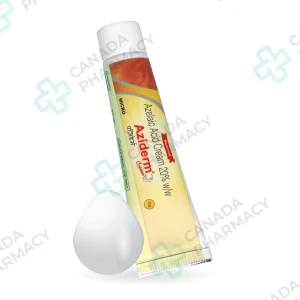
Aziderm Cream
Price range: $ 11,00 through $ 57,00
Active substance: Azelaic Acid
More Details
This product has multiple variants. The options may be chosen on the product page
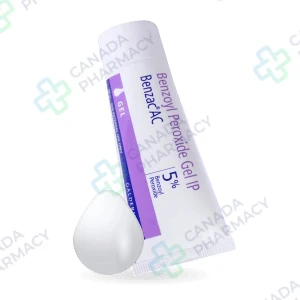
Benzac AC Gel
Price range: $ 34,00 through $ 104,00
Active substance: benzoyl peroxide
More Details
This product has multiple variants. The options may be chosen on the product page
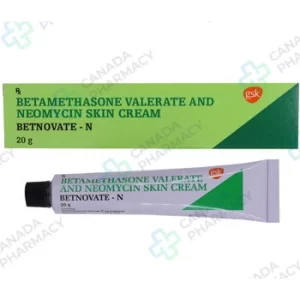
Betnovate
Price range: $ 40,00 through $ 55,00
Active substance: betamethasone
More Details
This product has multiple variants. The options may be chosen on the product page
Decadron
Price range: $ 12,00 through $ 182,00
Active substance: Dexamethasone
More Details
This product has multiple variants. The options may be chosen on the product page
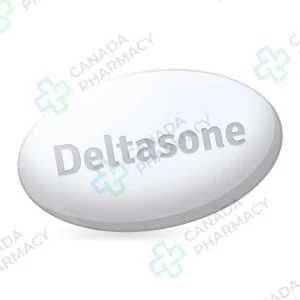
Deltasone
Price range: $ 47,00 through $ 296,00
Active substance: Prednisone
More Details
This product has multiple variants. The options may be chosen on the product page
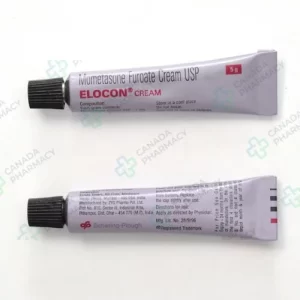
Elocon
Price range: $ 40,00 through $ 190,00
Active substance: Mometasone
More Details
This product has multiple variants. The options may be chosen on the product page
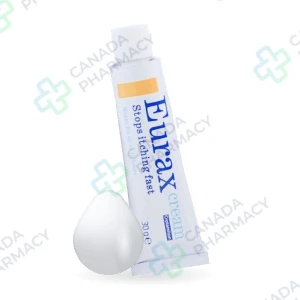
Eurax
Price range: $ 49,00 through $ 187,00
Active substance: Crotamiton
More Details
This product has multiple variants. The options may be chosen on the product page