

-14%
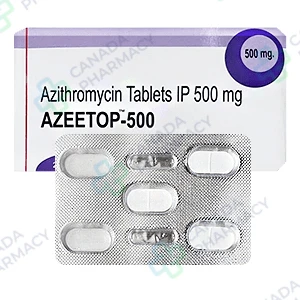
Azeetop
Price range: $ 40,00 through $ 250,00
Azilect
Price range: $ 17,00 through $ 46,00
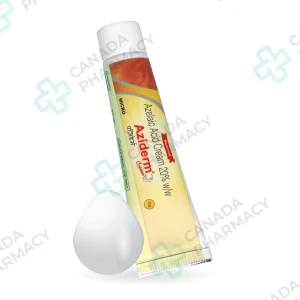
Aziderm Cream
Price range: $ 11,00 through $ 57,00
Aziderm Cream is a highly effective topical treatment specifically formulated to combat common skin conditions such as acne and rosacea. Powered by Azelaic Acid, this cream works by eliminating acne-causing bacteria and keeping skin pores clear of debris. It significantly reduces the appearance of inflammatory lesions while helping to prevent future breakouts from occurring. Beyond treating blemishes, the formula effectively targets skin redness and hyperpigmentation to promote a more even and balanced complexion. This potent yet gentle cream is an excellent choice for those seeking to restore their skin’s natural clarity and healthy appearance.
Active substance: Azelaic Acid
Delivery: 5–21 days (depending on the shipping method)
Extra 10% discount with coupon: IT4K6SVM
Each dosage option has its own packaging choices.
Description
Aziderm Cream belongs to a class of topical dermatological agents containing azelaic acid, a naturally occurring dicarboxylic acid. It is indicated for the topical treatment of mild-to-moderate inflammatory acne vulgaris and specific cutaneous hyperpigmentation conditions. This medication is dispensed in accordance with applicable federal and state regulations.
Understanding proper application techniques, potential cutaneous reactions, and administration schedules helps ensure optimal therapeutic outcomes while minimizing local adverse effects. Healthcare providers evaluate individual patient suitability based on skin sensitivity, underlying pathology, and clinical indication.
Basic Information Overview
| Active Ingredient | Azelaic acid |
| Therapeutic Class | Topical anti-acne / dicarboxylic acid agent |
| Dosage Form | Topical cream |
| Route of Administration | Topical (cutaneous application) |
| Primary Indication | Inflammatory acne vulgaris, hyperpigmentation |
| Dispensing Status | Dispensed in accordance with applicable regulations |
| Storage Conditions | Store at 20°C to 25°C (68°F to 77°F) |
How the Drug Works
Azelaic acid exhibits antimicrobial, anti-inflammatory, and antikeratinizing properties within the cutaneous environment. The drug exerts its antibacterial effect by inhibiting the cellular protein synthesis of susceptible micro-organisms, specifically Cutibacterium acnes (formerly known as Propionibacterium acnes) and Staphylococcus epidermidis. This reduction in follicular bacterial density decreases the concentration of reactive inflammatory mediators on the skin surface.
Additionally, azelaic acid normalizes epidermal keratinization by reducing the synthesis of filaggrin and altering precursor proteins. This prevents the hyperkeratinization of the follicular infundibulum, thereby reducing microcomedone formation. In hyperpigmentation disorders, azelaic acid acts as a direct competitive inhibitor of tyrosinase, a key enzyme involved in melanogenesis. It selectively acts on hyperactive or abnormal melanocytes without producing significant depigmentation on normally pigmented skin.
Main Uses
The primary therapeutic indication for azelaic acid topical formulations includes the treatment of mild-to-moderate inflammatory acne vulgaris, characterized by papules and pustules. The medication helps reduce the total count of inflammatory skin lesions over extended clinical evaluation periods.
In clinical practice, azelaic acid cream is also utilized for post-inflammatory hyperpigmentation and melasma. These applications represent secondary or off-label clinical uses depending on specific FDA labeling parameters, and treatment decisions should be guided by a qualified dermatologist. It is not indicated for the primary management of non-inflammatory comedonal acne in the absence of papulopustular lesions.
Dosing Schedule
Aziderm Cream is applied topically to affected skin areas twice daily, typically once in the morning and once in the evening. Before application, the affected area must be thoroughly washed with a mild soap or soap-free cleansing lotion and pat dry with a clean towel. A thin layer of cream should be gently and thoroughly massaged into the skin.
Patients should wash their hands thoroughly immediately before and after applying the formulation. Continuous and regular use is required to achieve therapeutic efficacy. Clinical evaluation usually occurs after 4 to 8 weeks of initial therapy. If severe local skin irritation develops, healthcare providers may recommend reducing application frequency to once daily until irritation resolves, or temporarily discontinuing treatment.
What Happens in the Body
Following topical application, azelaic acid penetrates into the viable epidermis and dermis. Percutaneous absorption varies depending on the integrity of the epidermal barrier, but systemic absorption remains low following standard topical administration. Approximately 3% to 5% of a single topically applied dose is absorbed systemically into the bloodstream.
A portion of the systemically absorbed azelaic acid is excreted unchanged in the urine, while the remaining fraction undergoes endogenously mediated beta-oxidation into shorter-chain dicarboxylic acids. The mean terminal elimination half-life of absorbed azelaic acid following topical application is approximately 12 hours. Because systemic levels remain low relative to endogenous plasma concentrations, systemic accumulation is minimal under normal therapeutic dosing.
Compatibility with Other Medicines
Due to minimal systemic absorption, systemic drug-drug interactions with oral medications are extremely unlikely. However, localized drug interactions and physical incompatibilities on the skin surface must be monitored when combining multiple topical products.
Concomitant use of abrasive cleansers, strong desquamating agents, astringents, alcohol-based lotions, or peeling agents (such as high-concentration salicylic acid or glycolic acid) may increase localized skin irritation. Caution is recommended if co-administering other topical acne therapies, such as topical retinoids or benzoyl peroxide. Staggering application times (e.g., applying one agent in the morning and the other in the evening) helps minimize cumulative cutaneous dryness and redness.
Adverse Reactions
Local cutaneous reactions are the primary observed adverse events associated with azelaic acid cream. Most local side effects are mild to moderate in severity and typically occur during the initial weeks of therapy.
- Very common reactions: Localized burning sensation, stinging, pruritus (itching), and mild erythema (redness) at the site of application.
- Occasional reactions: Skin dryness, scaling, desquamation, localized irritation, and contact dermatitis.
- Uncommon reactions: Skin hypopigmentation (lightening of the skin), hyperpigmentation, edema at the application site, or worsening of facial erythema.
Hypersensitivity reactions, including facial swelling, urticaria, or severe cutaneous burning, occur rarely. Patients exhibiting signs of severe systemic allergic reactions should seek immediate medical assistance.
Important Precautions
Aziderm Cream is restricted to external dermatological use only. Contact with the eyes, eyelids, nostrils, lips, and open wounds must be strictly avoided. If contact with mucous membranes occurs, rinse thoroughly with large amounts of cool water.
Patients with dark complexions should be monitored periodically during treatment for potential changes in pigmentation, as azelaic acid may induce localized hypopigmentation. If skin color changes occur, therapy evaluation by a prescriber is necessary.
Special Populations
- Pregnancy: Azelaic acid is classified as a Pregnancy Category B agent based on reproductive toxicity studies in animals, which demonstrated no direct embryotoxic effects at therapeutic exposure levels. However, adequate and well-controlled studies in pregnant women are limited. Use during pregnancy should be considered only if clearly needed and advised by a prescriber.
- Nursing Mothers: It is not definitively known whether azelaic acid is excreted in human milk in significant quantities. Given that systemic absorption is less than 5%, risks to nursing infants are considered low, but caution should be exercised when administered to a nursing woman.
- Pediatric Use: Safety and effectiveness in pediatric patients below the age of 12 years have not been formally established.
First Days of Treatment
During the first 1 to 2 weeks of starting therapy, patients frequently report transient skin sensations such as mild stinging, warmth, or localized itching shortly after cream application. These cutaneous responses are expected as the stratum corneum adjusts to the acidic profile of the formulation.
Visually significant reduction in inflammatory lesions or hyperpigmented macules is generally not immediate. Patients usually observe gradual improvements after 4 weeks of consistent twice-daily application, with maximum therapeutic responses emerging after several months of continuous regimen compliance.
Practical Tips
To optimize application comfort, ensure the target skin areas are completely dry prior to applying the cream. Waiting 15 to 20 minutes after cleansing before application reduces the incidence of initial stinging sensations. Apply only a thin layer; using excess cream does not accelerate therapeutic results and increases the probability of skin irritation.
Non-comedogenic, fragrance-free moisturizers can be used concurrently to manage localized dryness. Apply the therapeutic cream first, allow it to absorb completely into the skin, and then layer the moisturizer over top. Avoid covering treated areas with occlusive dressings or bandages unless specifically instructed by a physician.
If You Skip a Dose
If a application is forgotten, apply the cream as soon as it is remembered, provided it is not close to the scheduled time for the next application. If it is almost time for the next dose, skip the missed application and continue with the regular twice-daily schedule.
Do not double the amount of cream applied or increase application frequency to compensate for a missed dose. Over-application can lead to increased localized skin redness, peeling, and discomfort without enhancing clinical efficacy.
Storage and Expiration
Store Aziderm Cream at controlled room temperature between 20°C and 25°C (68°F to 77°F), with permitted excursions between 15°C and 30°C (59°F and 86°F). Keep the tube tightly closed when not in use to prevent desiccation of the vehicle.
Protect the product from freezing and direct heat exposure. Store the tube safely out of reach of children and pets. Do not use the medication past the expiration date clearly stamped on the crimp of the tube or outer carton.
Common Questions
How long does it typically take to see visible improvements in skin texture?
Clinical improvement varies based on the specific condition being treated and individual skin physiology. Reductions in inflammatory acne papules typically become noticeable between 4 and 8 weeks of consistent use. Hyperpigmentation conditions may require longer treatment intervals, often taking 8 to 16 weeks to demonstrate observable lightning of hyperpigmented lesions.
Can cosmetic products or makeup be applied over the cream?
Yes, cosmetics and makeup may be applied once the cream has fully absorbed into the skin. Patients should allow the cream to dry completely for several minutes before applying any other products. It is recommended to select non-comedogenic and non-acnegenic cosmetics to prevent clogging pores and counteracting therapeutic progress.
Is transient skin irritation normal during initial applications?
Mild, temporary skin sensations including tingling, stinging, itching, or slight redness are common during the initial weeks of treatment. These symptoms usually decrease in intensity as skin tolerance develops. If skin irritation becomes severe, persistent, or accompanied by marked peeling, reduce application frequency or consult a medical provider.
What steps should be taken if facial peeling or excessive dryness occurs?
If excessive dryness or skin desquamation occurs, applying a gentle, non-comedogenic facial moisturizer daily helps restore barrier hydration. Additionally, temporary reduction of application frequency from twice daily to once daily or every other day allows the cutaneous barrier to adjust. If severe irritation persists despite these adjustments, pause application and seek advice from a dermatologist.
Can this topical treatment increase sensitivity to sunlight?
Azelaic acid does not generally cause photosensitivity to the same degree as topical retinoids or certain antibiotics. However, because it promotes epidermal turnover and is frequently used to treat hyperpigmentation, broad-spectrum sunscreen (SPF 30 or higher) should be worn daily on exposed skin. Sun protection prevents UV-induced aggravation of post-inflammatory hyperpigmentation and melasma.
In accordance with FDA requirements.
Information on this page is for reference and does not replace an assessment by a licensed healthcare professional.
Additional information
| Dosage |
20% 15g |
|---|---|
| Package |
1 tubes ,3 tubes ,6 tubes |
| Ενεργός Ουσία |
Related products
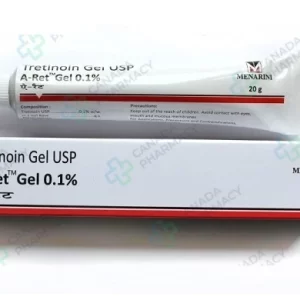
A-Ret Gel
Price range: $ 50,00 through $ 141,00
Active substance: Tretinoin
More Details
This product has multiple variants. The options may be chosen on the product page
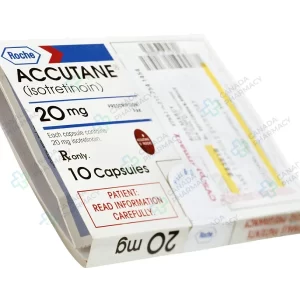
Accutane
Price range: $ 40,00 through $ 650,00
Active substance: Isotretinoin
More Details
This product has multiple variants. The options may be chosen on the product page
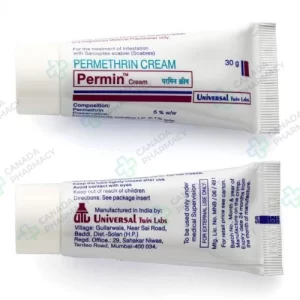
Acticin
Price range: $ 50,00 through $ 103,00
Active substance: Permethrin
More Details
This product has multiple variants. The options may be chosen on the product page
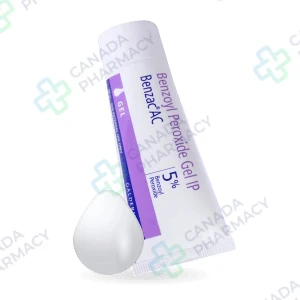
Benzac AC Gel
Price range: $ 34,00 through $ 104,00
Active substance: benzoyl peroxide
More Details
This product has multiple variants. The options may be chosen on the product page
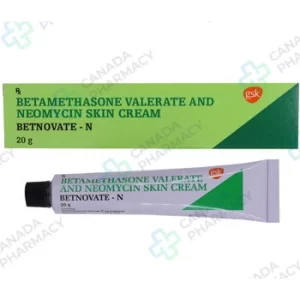
Betnovate
Price range: $ 40,00 through $ 55,00
Active substance: betamethasone
More Details
This product has multiple variants. The options may be chosen on the product page
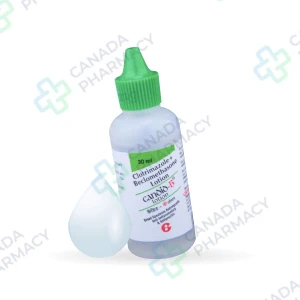
Candid B Lotion
Price range: $ 40,00 through $ 85,00
Active substance: Beclometasone, Clotrimazole
More Details
This product has multiple variants. The options may be chosen on the product page
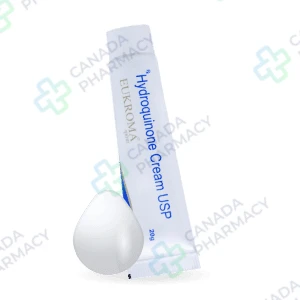
Eukroma Cream
Price range: $ 47,00 through $ 151,00
Active substance: Hydroquinone
More Details
This product has multiple variants. The options may be chosen on the product page
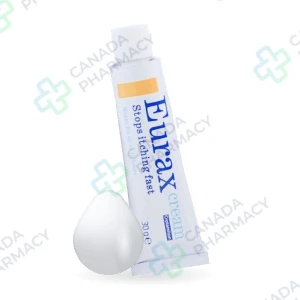
Eurax
Price range: $ 49,00 through $ 187,00
Active substance: Crotamiton
More Details
This product has multiple variants. The options may be chosen on the product page