

-23%
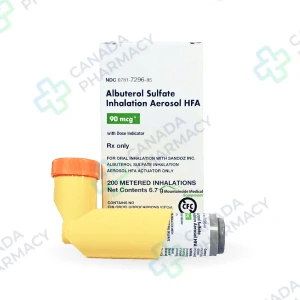
Albuterol inhaler
Price range: $ 35,00 through $ 68,00
Aldara Cream
Price range: $ 224,00 through $ 1 440,00
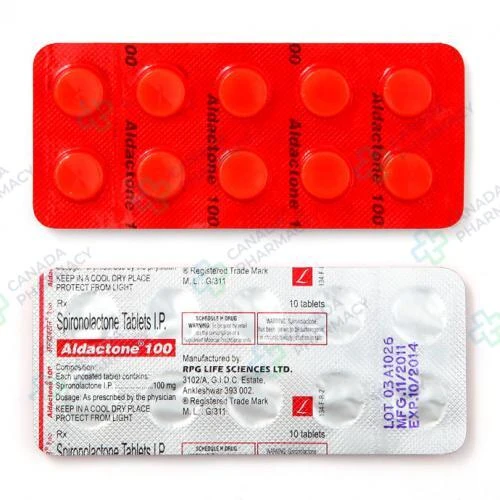
Aldactone
Price range: $ 33,00 through $ 345,00
Aldactone is an effective potassium-sparing diuretic used to manage various conditions related to fluid retention and hormone balance. It is widely utilized to treat high blood pressure, helping to reduce the risk of serious cardiovascular events. The medication efficiently addresses swelling and fluid buildup caused by congestive heart failure, liver cirrhosis, or kidney disorders. Additionally, Aldactone is indicated for the treatment of primary hyperaldosteronism, a condition where the adrenal glands produce excessive hormones. By helping the body eliminate excess salt and water while retaining essential potassium, this treatment supports overall cardiovascular and organ health.
Active substance: Spironolactone
Delivery: 5–21 days (depending on the shipping method)
Extra 10% discount with coupon: IT4K6SVM
Each dosage option has its own packaging choices.
Description
Aldactone – Information for Patients and Caregivers
Aldactone belongs to a class of medications known as aldosterone receptor antagonists and potassium-sparing diuretics. It is prescribed by healthcare providers to treat conditions such as heart failure, high blood pressure, and fluid retention associated with liver disease or nephrotic syndrome. As a prescription medication regulated by the U.S. Food and Drug Administration (FDA), Aldactone requires careful monitoring of serum electrolyte levels during therapy.
| Drug Name | Aldactone |
| Active Ingredient | Spironolactone |
| Therapeutic Class | Aldosterone antagonist / Potassium-sparing diuretic |
| Dosage Form | Oral tablet (25 mg, 50 mg, 100 mg) |
| Prescription Status | Prescription only (Rx) |
| Primary Purpose | Management of edema, hypertension, and hyperaldosteronism |
Pharmacological Profile and Indications
How the drug works
Aldactone competitively inhibits aldosterone binding at the mineralocorticoid receptors located in the distal renal tubules. Aldosterone is an endogenous steroid hormone that promotes sodium and water retention while facilitating potassium and hydrogen ion excretion in the kidneys. By blocking this receptor, spironolactone promotes the urinary excretion of sodium chloride and water while conserving potassium and hydrogen ions. The diuretic and antihypertensive actions result from increased excretion of fluid without depleting serum potassium levels. Peak therapeutic activity typically develops gradually over two to three days of continuous daily administration.
What it’s used for
Aldactone is FDA-approved for the management of primary hyperaldosteronism, a clinical condition characterized by excessive adrenal aldosterone secretion. It is also indicated for the treatment of edematous states, including congestive heart failure, hepatic cirrhosis accompanied by ascites or edema, and nephrotic syndrome. In hypertension management, Aldactone serves as an adjunctive therapy when other primary antihypertensive agents provide inadequate blood pressure control. Off-label indications–which represent clinical uses not formally approved in the official FDA prescribing information–include the treatment of female pattern hair loss, severe acne vulgaris in adult women, and hirsutism, where its anti-androgenic properties inhibit androgen action on cutaneous tissue receptors.
What happens in the body
Following oral administration, Aldactone is rapidly and extensively absorbed from the gastrointestinal tract and undergoes substantial hepatic metabolism. Food increases the bioavailability of spironolactone by enhancing GI absorption. Spironolactone itself has a short plasma elimination half-life of approximately 1.4 hours; however, its pharmacological activity is largely driven by active metabolites, such as 7-alpha-thiomethylspironolactone and canrenone. Canrenone exhibits an elimination half-life ranging between 13 and 24 hours. The active metabolites are extensively bound to plasma proteins (greater than 90%). Excretion occurs primarily through urine, with a smaller fraction eliminated via biliary routes.
Dosing, Administration, and Expected Outcomes
Dosing schedule
The initial and maintenance doses of Aldactone are determined strictly by a licensed prescriber based on the specific condition being treated, baseline renal function, and serum electrolyte levels. For adult hypertension, initial daily dosing typically ranges from 25 mg to 100 mg administered in single or divided doses. In congestive heart failure, low-dose therapy starting at 12.5 mg to 25 mg daily is recommended to reduce cardiovascular mortality risk. Dosing for edematous states in hepatic cirrhosis usually begins at 100 mg per day. The tablets should be taken consistently either with food or without food each day to maintain uniform systemic drug exposure.
Signs of improvement
Evaluating the therapeutic effect of Aldactone depends on the clinical objective. For patients treated for edema or ascites, reduced fluid retention is typically evident by progressive body weight decrease, reduced swelling in the lower extremities, and improved breathing comfort in heart failure. In patients taking the medication for essential hypertension, therapeutic success is documented by steady blood pressure reduction, which may require two to three weeks of consistent therapy to reach maximal effect. Laboratory monitoring of serum potassium, sodium, and creatinine levels provides objective biological evidence of drug activity and patient safety.
Drug Interactions and Safety Precautions
Compatibility with other medicines
Aldactone presents significant potential for clinical drug interactions, particularly with agents that increase serum potassium levels. Co-administration with angiotensin-converting enzyme (ACE) inhibitors, angiotensin receptor blockers (ARBs), direct renin inhibitors, or potassium supplements substantially increases the risk of severe hyperkalemia. Nonsteroidal anti-inflammatory drugs (NSAIDs) such as ibuprofen or naproxen can reduce the diuretic and antihypertensive efficacy of spironolactone while increasing nephrotoxicity risk. Concomitant use with digoxin may prolong the elimination half-life of digoxin, necessitating blood level monitoring. Furthermore, combined use with eplerenone is contraindicated due to severe hyperkalemic risks.
Adverse reactions
The adverse reaction profile of Aldactone includes dose-dependent endocrine and electrolyte disturbances. Hyperkalemia is a critical adverse effect characterized by elevated serum potassium, which may lead to cardiac arrhythmias. Endocrine side effects occur due to anti-androgenic activity and include gynecomastia (breast tissue enlargement in males), mastodynia (breast pain), irregular menses, amenorrhea, and postmenopausal bleeding. Gastrointestinal reactions such as nausea, vomiting, abdominal cramping, and diarrhea are reported. Central nervous system effects include drowsiness, dizziness, lethargy, and headache. Dermatologic reactions, including rash, urticaria, and rarely Stevens-Johnson syndrome, require immediate medical evaluation.
Important precautions
Aldactone is contraindicated in patients with severe renal impairment, acute renal failure, anuria, Addison’s disease, hyperkalemia, or known hypersensitivity to spironolactone. Elderly patients and individuals with impaired renal function or diabetes mellitus face heightened susceptibility to hyperkalemia and require frequent serum electrolyte and renal function assessments. During pregnancy, Aldactone should be used only if the potential benefit justifies the potential risk to the fetus, as anti-androgenic effects may affect male fetal development. Spironolactone metabolites pass into human milk; consultation with a healthcare provider in a clinic in Chicago or elsewhere in the United States is necessary to evaluate infant safety during lactation.
Usage Guidance and Storage
If you skip a dose
If a dose of Aldactone is missed, it should be taken as soon as remembered on the same day. However, if it is nearly time for the next scheduled dose, the missed dose should be skipped entirely, resuming the regular administration schedule. Patients must never double the dose or take extra medicine to compensate for a missed tablet, as this significantly increases the risk of acute hyperkalemia and hypotension. Patients should contact their physician or pharmacist if multiple doses are missed consecutively.
What to avoid while taking it
Patients taking Aldactone should avoid potassium-rich foods, salt substitutes containing potassium chloride, and over-the-counter potassium supplements, as these dramatically elevate the risk of hyperkalemia. Alcohol consumption should be limited or avoided, as alcohol can potentiate the blood pressure-lowering effect of spironolactone, increasing the likelihood of orthostatic hypotension, dizziness, and syncope. Conserving consistency in daily meal composition is recommended because food significantly increases the gastrointestinal absorption and systemic exposure of spironolactone.
Storage and expiration
Aldactone tablets must be stored at controlled room temperature between 20°C and 25°C (68°F to 77°F), with permitted excursions between 15°C and 30°C (59°F to 86°F) according to United States Pharmacopeia (USP) standards. Keep the container tightly closed and protected from excessive light, moisture, and heat. Do not store the medication in humid environments such as bathroom cabinets. Keep all medications out of the reach of children and pets. Discard any tablets that have passed their expiration date stated on the packaging.
Common Questions
Is it safe to drive after taking Aldactone?
Aldactone may cause drowsiness, lethargy, or dizziness, particularly when initiating therapy or following a dose increase. Patients should evaluate their individual response to the medication before operating machinery, driving a vehicle, or engaging in tasks requiring mental alertness.
Why is routine blood testing required while taking this drug?
Routine laboratory monitoring is essential to measure serum potassium, sodium, and blood urea nitrogen (BUN) or creatinine levels. Because spironolactone inhibits potassium excretion, periodic blood testing helps prevent severe hyperkalemia and assess renal function changes during treatment.
Can Aldactone cause hormone-related side effects in male patients?
Yes. Spironolactone possesses anti-androgenic activity, which can lead to endocrine side effects in men, including gynecomastia (breast tissue enlargement), breast tenderness, decreased libido, and erectile dysfunction. These effects are usually dose-dependent and reversible upon treatment discontinuation.
How long does it take for Aldactone to lower fluid buildup?
Because of its indirect mechanism of action via mineralocorticoid receptor blockade, the onset of diuresis with Aldactone is gradual. Initial fluid reduction typically begins within 24 to 48 hours, but maximal diuretic and antihypertensive effects may require several days of continuous daily dosing.
Can Aldactone be taken at bedtime?
Taking Aldactone late in the evening may increase nighttime urination (nocturia) and disrupt sleep patterns. Prescribers generally recommend taking morning doses or taking the final daily dose in the early afternoon to minimize nighttime sleep disruptions.
In accordance with FDA requirements.
Information on this page is for reference and does not replace an assessment by a licensed healthcare professional.
Additional information
| Dosage |
25mg ,50 mg ,100mg |
|---|---|
| Package |
30 tabs ,60 pills ,60 tabs ,90 pills ,90 tabs ,120 pills ,120 tabs ,180 pills ,180 tabs ,270 pills ,360 pills |
| Ενεργός Ουσία |
Related products
Adalat
Price range: $ 41,00 through $ 267,00
Active substance: Nifedipine
More Details
This product has multiple variants. The options may be chosen on the product page
Aquazide
Price range: $ 18,00 through $ 30,00
Active substance: hydrochlorothiazide
More Details
This product has multiple variants. The options may be chosen on the product page
Arjuna
Price range: $ 63,00 through $ 72,00
Active substance: Arjuna (Terminalia arjuna) bark extract
More Details
This product has multiple variants. The options may be chosen on the product page
Benicar
Price range: $ 42,00 through $ 478,00
Active substance: Olmesartan
More Details
This product has multiple variants. The options may be chosen on the product page
Clonidine
Price range: $ 40,00 through $ 95,00
Active substance: clonidine
More Details
This product has multiple variants. The options may be chosen on the product page
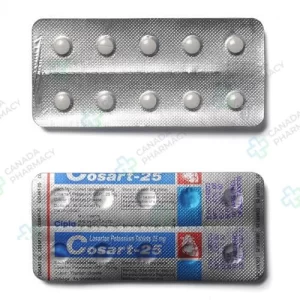
Cozaar
Price range: $ 41,00 through $ 281,00
Active substance: Losartan
More Details
This product has multiple variants. The options may be chosen on the product page
Doxazosin
Price range: $ 42,00 through $ 332,00
Active substance: Doxazosin
More Details
This product has multiple variants. The options may be chosen on the product page
Eliquis
Price range: $ 60,00 through $ 320,00
Active substance: Apixaban
More Details
This product has multiple variants. The options may be chosen on the product page