

-3%
Albenza
Price range: $ 47,00 through $ 129,00
Aldactone
Price range: $ 33,00 through $ 345,00
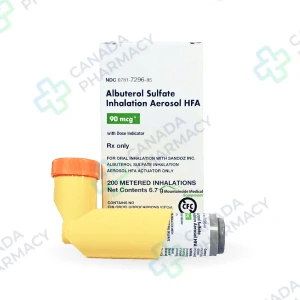
Albuterol inhaler
Price range: $ 35,00 through $ 68,00
Albuterol inhaler is a fast-acting bronchodilator designed to provide quick relief from acute respiratory symptoms. It works by relaxing the muscles in the airways, allowing for increased airflow to the lungs during periods of breathing difficulty. This medication is primarily used to treat and prevent bronchospasm in individuals with reversible obstructive airway diseases such as asthma. It is also highly effective for preventing exercise-induced bronchospasm, helping users maintain an active lifestyle without shortness of breath. By opening the bronchial tubes rapidly, this inhaler helps manage sudden episodes of wheezing, coughing, and chest tightness.
Active substance: Salbutamol
Delivery: 5–21 days (depending on the shipping method)
Extra 10% discount with coupon: IT4K6SVM
Each dosage option has its own packaging choices.
Description
Albuterol Inhaler – What You Need to Know
Albuterol belongs to a class of medications known as short-acting beta-2 adrenergic agonists (SABA). In the United States, albuterol inhalation aerosol is an FDA-approved prescription medication indicated for the relief and prevention of bronchospasm in patients with obstructive airway conditions such as asthma and chronic obstructive pulmonary disease (COPD). It is also prescribed to prevent exercise-induced bronchospasm in adult and pediatric patients.
Administered orally via inhalation, this medication acts directly on bronchial smooth muscle to produce rapid airway relaxation. Proper inhalation technique is essential to ensure optimal delivery of the active substance into the pulmonary airways.
| Parameter | Specification |
|---|---|
| Active ingredient | Albuterol sulfate |
| Therapeutic class | Short-acting beta-2 adrenergic agonist (SABA) |
| Route of administration | Oral inhalation |
| Prescription status | Prescription (Rx only) |
| Primary indication | Bronchospasm relief and exercise-induced bronchospasm prevention |
| Onset of action | Within 5 minutes |
How the drug works
Albuterol selectively stimulates beta-2 adrenergic receptors located in bronchial smooth muscle. This binding action activates adenylate cyclase, an intracellular enzyme that catalyzes the conversion of adenosine triphosphate (ATP) to cyclic adenosine monophosphate (cAMP). Increased intracellular cAMP levels lead to the activation of protein kinase A, which subsequently inhibits the phosphorylation of myosin and lowers intracellular ionic calcium concentrations. As a result, the smooth muscle tissue of the respiratory tract relaxes, expanding airway passages and reducing airflow resistance. Although albuterol exhibits high selectivity for beta-2 receptors, higher systemic doses may stimulate cardiac beta-1 adrenergic receptors, potentially causing mild circulatory variations.
What it’s used for
Albuterol inhalation aerosol is primarily indicated for the treatment and prevention of acute bronchospasm in adults and children with reversible obstructive airway disease, including bronchial asthma. Additionally, it is indicated for the prevention of exercise-induced bronchospasm (EIB) when administered prior to physical exertion. In clinical respiratory medicine, healthcare providers frequently prescribe albuterol as a rescue therapy during sudden exacerbations of wheezing, shortness of breath, and chest tightness. Off-label uses, which must be managed strictly under physician direction, include the urgent management of severe hyperkalemia in emergency clinical settings due to albuterol’s ability to drive serum potassium into intracellular spaces.
Dosing schedule
For the relief of acute episodes of bronchospasm, the standard FDA-approved dosage for adult and pediatric patients aged 4 years and older is 2 inhalations repeated every 4 to 6 hours as needed. In certain patients, a single inhalation every 4 hours may prove sufficient. To prevent exercise-induced bronchospasm, the recommended dosage is 2 inhalations administered 15 to 30 minutes prior to engaging in physical activity. Priming the inhaler device before initial use or after a period of non-use (typically 2 weeks or more) is mandatory to ensure consistent dosing. Patients must actuate test sprays into the air away from the face prior to administration.
How it’s absorbed and eliminated
Following oral inhalation, albuterol demonstrates a rapid onset of therapeutic action, typically beginning within 5 minutes. Peak plasma concentrations and peak bronchodilatory effects are generally achieved between 0.5 and 2 hours after administration. The therapeutic duration of action ranges from 2 to 6 hours in most individuals. A portion of the inhaled dose is swallowed and absorbed through the gastrointestinal tract. Systemic albuterol is metabolized in the liver, primarily to an inactive sulfate conjugate (albuterol 4′-O-sulfate). The plasma elimination half-life of albuterol ranges between 3.8 and 5 hours. The active drug and its metabolites are excreted predominantly through the kidneys, with approximately 80% recovered in urine over 72 hours.
Practical tips
Using an albuterol inhaler correctly requires precise coordination. Exhale fully away from the mouthpiece before placing the device between your lips. Press the canister down firmly while taking a slow, deep breath over 3 to 5 seconds, then hold your breath for up to 10 seconds to allow the drug to settle in the lungs. If a second puff is prescribed, wait at least one minute between inhalations. Using a spacer device can significantly improve drug delivery to the lower respiratory tract, particularly in children or elderly patients who experience difficulty coordinating actuation with inhalation.
Compatibility with other medicines
Albuterol exhibits significant drug interactions that require careful clinical monitoring. Concomitant administration of non-selective beta-adrenergic receptor blockers, such as propranolol, is generally avoided, as they antagonize the bronchodilatory effect of albuterol and may precipitate severe bronchospasm in asthmatic patients. Non-potassium-sparing diuretics, including loop and thiazide diuretics, can exacerbate hypokalemia when co-administered with beta-agonists. Caution is warranted when combining albuterol with monoamine oxidase inhibitors (MAOIs) or tricyclic antidepressants (TCAs), as these agents enhance vascular sympathetic effects. Digoxin levels may experience a modest decrease when taken concurrently with inhaled albuterol.
Adverse reactions
Adverse reactions to albuterol are primarily related to systemic beta-adrenergic stimulation. Frequently reported side effects include fine skeletal muscle tremors (most noticeably in the hands), nervous tension, lightheadedness, and headache. Cardiovascular reactions such as tachycardia, palpitations, and transient elevations in blood pressure may occur, particularly with higher doses. Oropharyngeal irritation, dry throat, and coughing can occur immediately after inhalation. A rare but critical adverse event is paradoxical bronchospasm, characterized by sudden airway constriction immediately following administration; if this occurs, the medication must be discontinued immediately and alternative therapy instituted.
Important precautions
Albuterol should be administered with caution in patients with underlying cardiovascular conditions, including coronary insufficiency, cardiac arrhythmias, and hypertension, as beta-agonists can produce significant cardiovascular effects. Individuals with convulsive disorders, hyperthyroidism, or diabetes mellitus should also be monitored closely, as albuterol may exacerbate hyperglycemia or metabolic instability. In pregnant women, albuterol should be used only if the potential benefit justifies the potential risk to the fetus. Nursing mothers should exercise caution, as it is unknown whether albuterol is excreted in human milk. Pediatric safety and efficacy have been established for specific age groups depending on the device formulation.
If you skip a dose
Because albuterol is frequently prescribed on an as-needed basis for acute symptoms, regular daily dosing schedules may not apply to all patients. However, if a healthcare provider has instructed you to take albuterol on a scheduled basis and a dose is missed, take the missed dose as soon as remembered. If it is almost time for the next scheduled dose, skip the missed dose and resume your regular timing. Do not double the dose or take extra puffs to compensate for a skipped dose, as excessive inhalation of beta-agonists increases the risk of adverse cardiovascular complications.
| Emergency Warning Sign | Recommended Action |
|---|---|
| Sudden worsening of breathing (paradoxical bronchospasm) | Stop using the inhaler immediately and seek emergency medical care. |
| Chest pain or rapid, irregular heartbeat | Seek immediate emergency medical evaluation. |
| Signs of severe allergic reaction (swelling of face, tongue, throat) | Call emergency services (911) right away. |
| Inhaler fails to provide symptom relief during an acute asthma attack | Seek urgent emergency medical treatment. |
Red flags
Patients must seek urgent medical intervention if asthma symptoms worsen rapidly or if the albuterol inhaler becomes less effective at relieving breathlessness. Needing to use the inhaler more frequently than prescribed indicates deteriorating asthma control. Emergency care is necessary if you experience severe shortness of breath that does not improve after inhalation, chest pain, an unusually rapid or irregular heartbeat, or signs of a severe allergic reaction, such as swelling of the face, lips, tongue, or throat.
Storage and expiration
Albuterol inhalers should be stored at controlled room temperature, ideally between 68°F and 77°F (20°C to 25°C), with excursions permitted between 59°F and 86°F (15°C to 30°C). Keep the canister away from direct sunlight, high heat, and open flames, as contents are under pressure and may burst if heated. Avoid storing the canister in humid environments such as bathrooms or in a vehicle parked in extreme heat. Keep the protective cap on the mouthpiece when not in use, and discard the canister when the dose counter reaches zero or after the expiration date printed on the packaging.
Common questions
How quickly should I feel relief after using my albuterol inhaler?
Therapeutic relaxation of bronchial smooth muscle typically begins within 5 minutes following oral inhalation. Peak improvement in lung function is generally observed between 30 minutes and 2 hours after administration, with effects lasting up to 6 hours.
Is it normal to feel shaky or experience a racing heart after taking a dose?
Yes, mild tremors and an elevated heart rate are recognized pharmacological effects of beta-2 adrenergic stimulation. These symptoms occur because small amounts of the medication enter the bloodstream. If these sensations become severe or are accompanied by chest pain, consult your healthcare provider immediately.
What should I do if my albuterol inhaler does not seem to ease my breathing?
If a prescribed dose fails to relieve acute respiratory symptoms, do not exceed the recommended dose. An inadequate response indicates acute worsening of your underlying respiratory condition, requiring immediate evaluation by a physician or emergency medical services.
Can I use an albuterol inhaler right before exercise?
Yes, albuterol is FDA-approved to prevent exercise-induced bronchospasm. The standard protocol involves taking 2 inhalations approximately 15 to 30 minutes prior to engaging in physical activity.
How do I clean my inhaler to prevent clogging?
To prevent medication buildup, routine cleaning of the plastic actuator is recommended once per week. Remove the metal canister and cap, rinse the plastic actuator under warm running water for 30 seconds, and allow it to air dry thoroughly before reassembling.
This text is for informational purposes only and does not constitute individual medical advice. In accordance with FDA requirements.
Additional information
| Dosage |
100 mcg |
|---|---|
| Package |
5 inhaler ,10 inhaler |
| Ενεργός Ουσία |
Related products
Advair Diskus
Price range: $ 72,00 through $ 527,00
More Details
This product has multiple variants. The options may be chosen on the product page
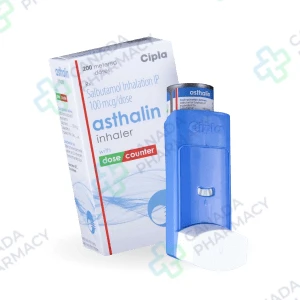
Asthalin Inhaler
Price range: $ 50,00 through $ 215,00
Active substance: Salbutamol
More Details
This product has multiple variants. The options may be chosen on the product page
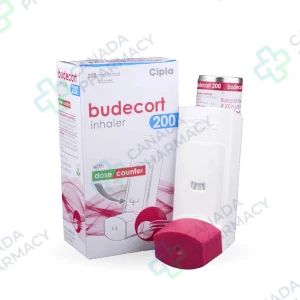
Budecort Inhaler
Price range: $ 17,00 through $ 92,00
Active substance: Budesonide
More Details
This product has multiple variants. The options may be chosen on the product page
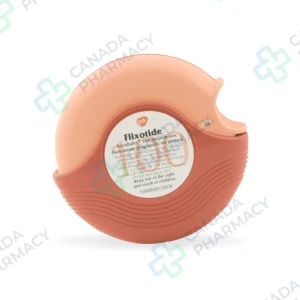
Flixotide Nasal Spray 100 doses
Price range: $ 54,00 through $ 220,00
Active substance: fluticasone
More Details
This product has multiple variants. The options may be chosen on the product page
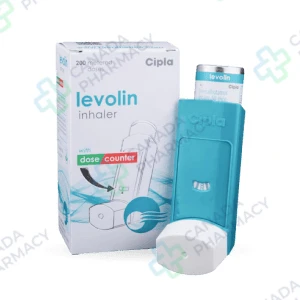
Levolin Inhaler
Price range: $ 9,00 through $ 48,00
Active substance: Levosalbutamol
More Details
This product has multiple variants. The options may be chosen on the product page
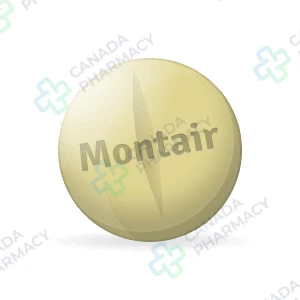
Montair
Price range: $ 19,00 through $ 45,00
Active substance: Montelukast
More Details
This product has multiple variants. The options may be chosen on the product page
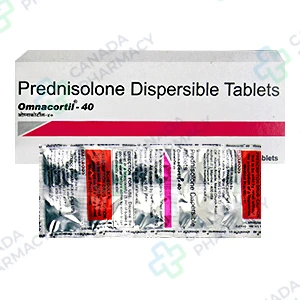
Omnacortil
Price range: $ 51,00 through $ 210,00
Active substance: prednisolone
More Details
This product has multiple variants. The options may be chosen on the product page
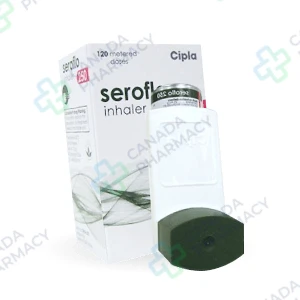
Seroflo
Price range: $ 110,00 through $ 659,00
Active substance: fluticasone, Salmeterol
More Details
This product has multiple variants. The options may be chosen on the product page