

-31%
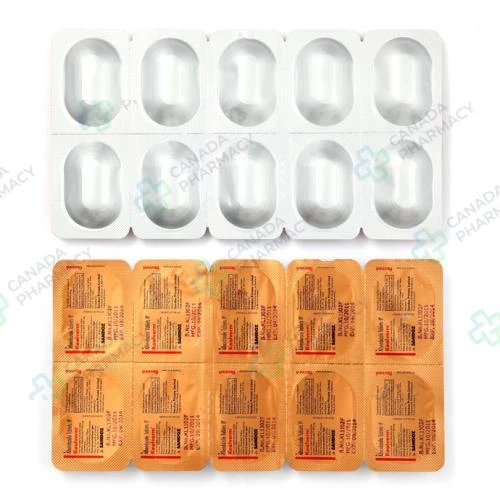
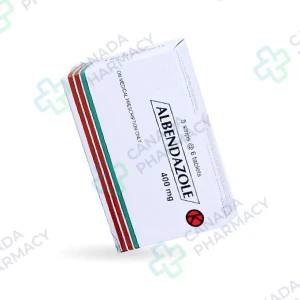
Albendazole
Price range: $ 46,00 through $ 121,00
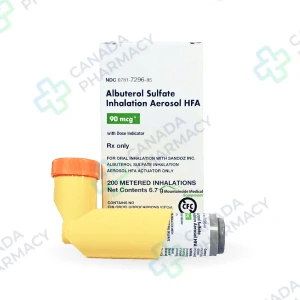
Albuterol inhaler
Price range: $ 35,00 through $ 68,00
Albenza
Price range: $ 47,00 through $ 129,00
Albenza is a highly effective anthelmintic medication designed to treat various systemic parasitic infections. The active ingredient, albendazole, works by preventing larvae from growing or multiplying within the body. It is specifically indicated for the treatment of parenchymal neurocysticercosis caused by larval forms of the pork tapeworm. Additionally, this medication is used to manage cystic hydatid disease of the liver, lung, and peritoneum resulting from dog tapeworm larvae. By targeting the metabolic processes of parasites, Albenza helps clear the body of infection and supports overall recovery.
Active substance: Albendazole
Delivery: 5–21 days (depending on the shipping method)
Extra 10% discount with coupon: IT4K6SVM
Each dosage option has its own packaging choices.
Description
Albenza belongs to a group of medicines called anthelmintics. It is an FDA-approved prescription medication indicated for the treatment of specific systemic parasitic worm infections in adult and pediatric patients. The active ingredient targets susceptible larval forms of helminth parasites to inhibit their structural integrity and metabolic function.
This formulation is dispensed in accordance with applicable federal and state regulations upon presentation of a valid prescription from a licensed healthcare provider. Treatment regimens are determined individually by a physician based on patient body weight, the underlying parasitic indication, and baseline laboratory findings.
| Parameter | Details |
|---|---|
| Active ingredient | Albendazole |
| Therapeutic class | Anthelmintic (Microtubule inhibitor) |
| Dosage form | Oral tablet (400 mg) |
| Route of administration | Oral |
| Prescription status | Prescription only (Rx) |
| Storage requirements | 20°C to 25°C (68°F to 77°F) |
Clinical Overview and Pharmacological Profile
How the drug works
Albendazole, the active ingredient in Albenza, exerts its therapeutic effect by binding to the beta-tubulin subunit of susceptible parasites. This binding selectively inhibits microtubule polymerization within the parasite’s intestinal and cytoplasmic cells. The loss of intracellular microtubules disrupts critical metabolic processes, including glucose uptake and transport functions. Consequently, the parasite experiences glycogen depletion and energy failure, which leads to immobilization and eventual cell death. Because the binding affinity of albendazole for parasite beta-tubulin is substantially higher than for mammalian beta-tubulin, the drug demonstrates selective toxicity toward helminthic organisms. Following oral ingestion, the parent compound rapidly converts in the liver to its primary active metabolite, albendazole sulfoxide, which carries out systemic larvicidal activity against encysted tissue parasites.
Main uses
Albenza is indicated for the treatment of two primary systemic helminthic infections approved by the U.S. Food and Drug Administration (FDA). The first primary indication is parenchymal neurocysticercosis, an infection of the central nervous system caused by larval forms of the pork tapeworm (Taenia solium), specifically for active parenchymal lesions. The second primary indication is cystic hydatid disease of the liver, lung, and peritoneum, caused by the larval stage of the dog tapeworm (Echinococcus granulosus). Clinicians may occasionally prescribe albendazole for off-label indications, such as cutaneous larva migrans, microsporidiosis, strongyloidiasis, or giardiasis, when supported by clinical practice guidelines. Off-label administration requires careful medical evaluation to establish appropriate dosing schedules, as non-labeled indications have not undergone official FDA evaluation for this brand formulation.
How it’s absorbed and eliminated
The pharmacokinetic profile of Albenza is characterized by low oral bioavailability of the unchanged parent drug due to poor gastrointestinal absorption and rapid presystemic metabolism. Oral absorption is enhanced up to five-fold when the medication is administered concurrently with a high-fat meal (containing approximately 40 grams of fat). Following absorption, albendazole rapidly undergoes extensive first-pass hepatic metabolism via cytochrome P450 enzymes and flavin-containing monooxygenases, converting almost completely to albendazole sulfoxide. Albendazole sulfoxide represents the active moiety detected in systemic circulation, reaching peak plasma concentrations within two to five hours post-dose. The plasma protein binding of albendazole sulfoxide is approximately 70%, and it distributes widely into cyst fluid, cerebrospinal fluid, and host tissues. The elimination half-life of albendazole sulfoxide ranges from 8 to 12 hours. The active metabolite is further metabolized into inactive albendazole sulfone, with biliary excretion representing the primary elimination pathway and less than 1% excreted in urine.
Compatibility with other medicines
Co-administration of Albenza with specific prescription drugs can significantly alter systemic plasma levels of albendazole sulfoxide. Concomitant administration of dexamethasone, praziquantel, or cimetidine has been shown to increase the plasma concentration of albendazole sulfoxide, which may increase therapeutic exposure but also heighten the risk of adverse reactions. Conversely, potent cytochrome P450 inducers, such as carbamazepine, phenobarbital, and phenytoin, may decrease plasma concentrations of the active metabolite, potentially diminishing anthelmintic efficacy. Healthcare providers must evaluate all concurrent medications, including prescription drugs, over-the-counter products, and herbal supplements, prior to initiating therapy to adjust monitoring protocols or dosing schedules appropriately.
Signs of improvement
Evaluating the clinical response to Albenza requires objective diagnostic testing conducted by a medical specialist rather than patient self-assessment. For neurocysticercosis, therapeutic effectiveness is determined through serial neuroimaging studies, such as computed tomography (CT) or magnetic resonance imaging (MRI) scans, which monitor the resolution, clearance, or calcification of brain lesions. In cystic hydatid disease, serial radiographic imaging and ultrasonic evaluations assess changes in cyst size, structural integrity, and viability. Resolution of baseline clinical symptoms, combined with the normalization of inflammatory laboratory markers, helps healthcare providers evaluate overall treatment progress over multi-week or multi-cycle therapeutic regimens.
Safety, Administration, and Patient Guidance
Dosing schedule
Dosing regimens for Albenza depend strictly on the underlying parasitic indication, patient body weight, and clinical response. For patients weighing 60 kilograms or greater, the standard FDA-approved dose for neurocysticercosis is 400 mg administered orally twice daily with meals for a duration of 8 to 30 days. For cystic hydatid disease in patients weighing 60 kilograms or more, the recommended dose is 400 mg twice daily with meals in 28-day cycles, followed by a 14-day drug-free interval, repeated for a total of three cycles. For patients weighing less than 60 kilograms, dosing is calculated on a body-weight basis at 15 mg per kilogram per day in two divided doses (maximum total dose of 800 mg daily). Tablets may be swallowed whole, crushed, or chewed with a small volume of water.
Adverse reactions
Adverse events associated with Albenza vary depending on treatment duration and the specific condition being treated. Short-term therapy typically exhibits a low incidence of side effects, whereas prolonged administration for hydatid disease or neurocysticercosis carries a higher risk of adverse reactions. Frequently reported reactions include transient elevation of hepatic transaminases (ALT and AST), abdominal pain, nausea, vomiting, headache, and dizziness. Reversible alopecia (hair thinning) and fever may also occur during extended treatment cycles. Hematologic toxicity, including leukopenia, granulocytopenia, pancytopenia, and rare cases of aplastic anemia, represents a significant risk during prolonged therapy. Regular laboratory monitoring is necessary to identify potential adverse events early.
Important precautions
Albenza carries specific warnings regarding bone marrow suppression, hepatotoxicity, and embryo-fetal harm. Complete blood counts must be monitored at the start of each 28-day treatment cycle and every two weeks during therapy due to the risk of severe leukopenia or pancytopenia. Liver function tests should similarly be performed prior to initiating treatment and every two weeks during therapy; treatment should be discontinued if liver enzymes elevate significantly above normal limits. Albendazole may cause fetal harm when administered to pregnant women. Pregnancy tests must be performed prior to initiating therapy in females of reproductive potential, and effective contraception must be utilized during treatment and for three days following the final dose. Patients treated for neurocysticercosis should receive appropriate steroid and anticonvulsant therapy to prevent cerebral hypertensive episodes caused by dying parasites, and visual field examinations should rule out retinal cysticercosis prior to starting therapy.
What to avoid while taking it
Dietary factors significantly influence systemic absorption of Albenza. Taking the medication alongside fat-rich meals markedly enhances gastrointestinal absorption, ensuring that therapeutic concentrations of albendazole sulfoxide reach encysted tissue sites. Patients should maintain consistent dietary habits during therapy as instructed by their prescriber. Concomitant alcohol consumption is not recommended during treatment. Because both alcohol and albendazole are metabolized by the liver, concurrent use may increase hepatic stress and potentially exacerbate hepatotoxic side effects or liver enzyme elevations.
If you skip a dose
If a dose of Albenza is missed, it should be taken as soon as remembered on the same day with a meal containing fat. However, if it is almost time for the next scheduled dose, the missed dose should be skipped, and the regular dosing schedule resumed. Double doses must never be taken to compensate for a missed dose. Maintaining consistent drug levels in systemic circulation is important for optimal parasitic clearance, so utilizing medication reminders can help ensure full compliance throughout the prescribed therapeutic course.
Storage and expiration
Albenza tablets should be stored at controlled room temperature between 20°C and 25°C (68°F to 77°F), with temporary excursions permitted between 15°C and 30°C (59°F to 86°F) in accordance with USP guidelines. The medication must be kept in its original container, tightly closed, and protected from excessive moisture, direct heat, and light. Do not store tablets in humid environments such as bathroom cabinets. Keep all medications out of the reach and sight of children. Unused or expired tablets should be disposed of through local pharmacy take-back programs rather than flushed down household drains.
Common Questions
Why must Albenza be taken with high-fat meals?
Taking Albenza with a high-fat meal significantly increases the gastrointestinal absorption of albendazole. Systemic absorption is up to five times higher when taken with fat compared to taking the tablet on an empty stomach. Because conditions like neurocysticercosis and hydatid disease involve tissue encystations outside the digestive tract, higher systemic blood levels of the active metabolite are necessary to achieve therapeutic efficacy in tissues.
What laboratory tests are required during therapy?
Patients receiving Albenza, particularly for extended or multi-cycle treatment regimens, require routine blood monitoring. Complete blood counts (CBC) must be performed at the start of each 28-day treatment cycle and every two weeks during therapy to screen for bone marrow suppression, such as leukopenia or granulocytopenia. Additionally, liver function tests (ALT and AST) are monitored at the baseline and biweekly throughout treatment to detect potential drug-induced hepatotoxicity.
What precautions apply to females of childbearing potential?
Albendazole poses potential risks of embryo-fetal toxicity based on animal reproduction studies. Females of reproductive potential must undergo a negative pregnancy test prior to initiating Albenza therapy. Reliable contraception must be used during the entire course of treatment and continued for at least three days after taking the final dose. If pregnancy occurs during therapy, the medication must be discontinued immediately, and the healthcare provider informed.
This text is for informational purposes only and does not constitute individual medical advice. In accordance with FDA requirements.
Additional information
| Dosage |
400mg |
|---|---|
| Package |
90 pills ,120 pills ,180 pills ,270 pills ,360 pills |
| Ενεργός Ουσία |
Related products
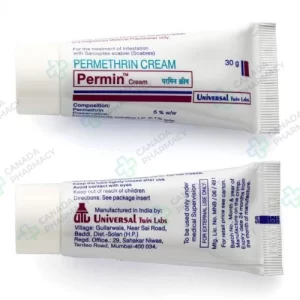
Acticin
Price range: $ 50,00 through $ 103,00
Active substance: Permethrin
More Details
This product has multiple variants. The options may be chosen on the product page
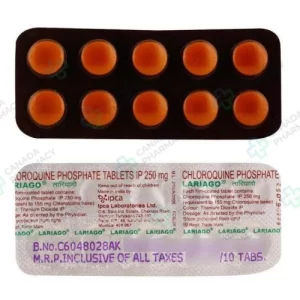
Chloroquine
Price range: $ 41,00 through $ 402,00
Active substance: Chloroquine
More Details
This product has multiple variants. The options may be chosen on the product page

Elimite
Price range: $ 44,00 through $ 92,00
Active substance: Permethrin
More Details
This product has multiple variants. The options may be chosen on the product page
Eurax
Price range: $ 49,00 through $ 187,00
Active substance: Crotamiton
More Details
This product has multiple variants. The options may be chosen on the product page
Fenbendazole
Price range: $ 38,00 through $ 231,00
Active substance: Fenbendazole
More Details
This product has multiple variants. The options may be chosen on the product page
Hsquin
Price range: $ 43,00 through $ 75,00
Active substance: Hydroxychloroquine
More Details
This product has multiple variants. The options may be chosen on the product page
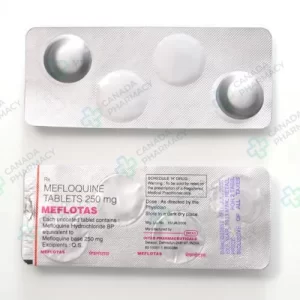
Lariam
Price range: $ 60,00 through $ 1 620,00
Active substance: mefloquine
More Details
This product has multiple variants. The options may be chosen on the product page
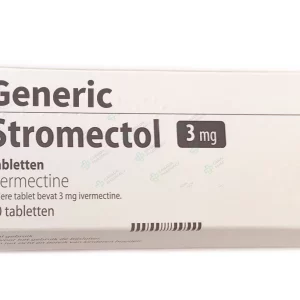
Stromectol
Price range: $ 50,00 through $ 1 000,00
Active substance: Ivermectin
More Details
This product has multiple variants. The options may be chosen on the product page