

-25%
Lanoxin
Price range: $ 47,00 through $ 141,00
Lasix
Price range: $ 40,00 through $ 140,00
Lariam
Price range: $ 60,00 through $ 1 620,00
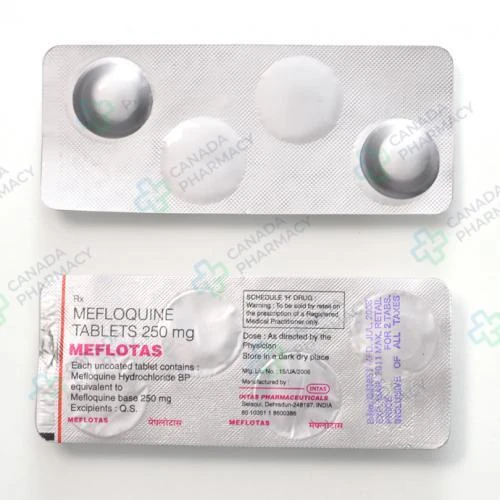
Lariam is an effective antimalarial medication primarily used to prevent and treat malaria infections caused by mosquito bites. It is specifically formulated to combat Plasmodium falciparum, including strains that have developed resistance to other common treatments. This medication works by interfering with the growth of parasites within the human red blood cells. Travelers heading to regions where malaria is endemic often utilize this treatment to ensure their safety and well-being throughout their journey. Its proven formula provides reliable protection, making it a key resource for maintaining health in high-risk environments.
Active substance: mefloquine
Delivery: 5–21 days (depending on the shipping method)
Extra 10% discount with coupon: IT4K6SVM
Each dosage option has its own packaging choices.
Description
Lariam should only be used under strict medical supervision and in exact accordance with a healthcare provider’s instructions. It is a prescription antimalarial medication indicated for the prevention and treatment of specific strains of malaria. Because this medication carries serious boxed warnings regarding neuropsychiatric side effects, patients must be carefully evaluated by a qualified clinician prior to starting therapy.
This product is available strictly by prescription (Rx) in the United States and must be dispensed in compliance with applicable federal and state regulations. Due to the potential for long-lasting adverse events, understanding safety precautions, drug interactions, and proper administration guidelines is essential for anyone prescribed this treatment.
Overview and Core Safety Profile
Key Product Details
| Property | Detail |
|---|---|
| Active ingredient | Mefloquine hydrochloride |
| Primary purpose | Malaria prophylaxis and treatment |
| Prescription status | Prescription only (Rx) |
| Dosage form | Oral tablet |
| Route of administration | Oral |
| Storage | Store at room temperature away from moisture and light |
Main uses
Lariam is primarily indicated for the prevention (prophylaxis) of Plasmodium falciparum and Plasmodium vivax malaria in travelers visiting areas with endemic disease, particularly regions where chloroquine-resistant strains are prevalent. Additionally, it is used for the treatment of mild-to-moderate, uncomplicated malaria caused by susceptible strains of Plasmodium falciparum or Plasmodium vivax. Warning: Lariam is not recommended for severe, life-threatening malaria infections, such as cerebral malaria, which require intravenous therapy. Prescribers must evaluate local resistance patterns before recommending this agent for treatment or prophylaxis in specific geographic areas such as East Africa or Southeast Asia.
Important precautions
Warning: Lariam carries an FDA Boxed Warning concerning severe neuropsychiatric reactions. Never take this medication if you have an active psychiatric disorder or a history of major psychiatric conditions, including depression, generalized anxiety disorder, psychosis, schizophrenia, or bipolar disorder. It is also strictly contraindicated in individuals with a history of convulsions or seizures. Patients must be monitored closely for early signs of neurological or psychiatric changes. If symptoms such as severe anxiety, depression, restlessness, confusion, paranoia, or suicidal thoughts occur, stop taking the medication immediately and contact a healthcare professional to switch to an alternative antimalarial regimen.
Red flags
Seek medical attention immediately if you experience any signs of severe adverse drug reactions. Critical clinical warning signs require prompt emergency evaluation:
Critical Warning Signs
| Category | Symptom / Sign |
|---|---|
| Psychiatric | Severe anxiety, paranoia, hallucinations, depression, or suicidal ideation |
| Neurological | Loss of balance, severe dizziness, vertigo, or ringing in the ears (tinnitus) |
| Hypersensitivity | Swelling of the face, lips, tongue, or throat; difficulty breathing |
| Cardiovascular | Chest pain, fainting, or irregular, rapid heartbeats (arrhythmias) |
| Dermatological | Severe skin rash, blistering, peeling, or Stevens-Johnson syndrome signs |
Detailed Pharmacological and Clinical Information
How the drug works
Lariam acts as a blood schizonticide against the erythrocytic (blood) stages of Plasmodium parasites. The active molecule, mefloquine, concentrates within the digestive vacuole of the malaria parasite. It interferes with the parasite’s ability to detoxify heme–a toxic byproduct generated when the parasite degrades host hemoglobin. The accumulation of free heme damages cellular membranes and proteins, ultimately leading to parasite death. However, Lariam does not clear hepatic schizonts (liver-stage parasites), meaning it cannot prevent delayed relapses of Plasmodium vivax or Plasmodium ovale without co-administration of an agent targeting liver hypnozoites.
What happens in the body
After oral administration, mefloquine is rapidly absorbed from the gastrointestinal tract, reaching peak plasma concentrations within 7 to 24 hours. The drug exhibits extensive distribution into body tissues and possesses an extraordinarily long elimination half-life, averaging approximately 20 days (with a typical range of 13 to 33 days). Plasma protein binding is high, exceeding 98%. Mefloquine is extensively metabolized in the liver, predominantly by the cytochrome P450 enzyme system, specifically CYP3A4, into inactive metabolites. Elimination occurs primarily through the biliary system into feces, with only a small fraction excreted unchanged in urine.
Dosing schedule
The dosing regimen must be strictly individual and determined by a qualified prescriber. For malaria prophylaxis in adults, the standard dosage is 250 mg taken orally once weekly. Travel prophylaxis typically starts 1 to 2 weeks before entering a malaria-endemic region to ensure adequate plasma levels and assess tolerability. The weekly dose must be continued consistently on the same day each week throughout the stay in the endemic area, and for 4 consecutive weeks after leaving the region. For acute treatment of malaria, total doses are higher and divided into two or more administrations separated by several hours to lessen gastrointestinal side effects. Always take tablets with a full glass of water and preferably after a main meal.
Adverse reactions
Adverse reactions associated with Lariam range from mild gastrointestinal disturbance to severe neurological and psychiatric events. Common side effects include nausea, vomiting, diarrhea, abdominal discomfort, dizziness, headache, insomnia, and vivid or abnormal dreams. Less common but serious reactions include vertigo, loss of physical balance (ataxia), tinnitus, depression, anxiety, agitation, paranoia, confusion, and hallucinations. Warning: Neurological side effects such as dizziness, loss of balance, and tinnitus may persist for months or even permanently after stopping the medication. Patients experiencing these symptoms must cease medication use immediately to reduce the risk of long-term impairment.
What not to combine
Combining Lariam with certain other medications can result in severe, potentially life-threatening interactions. Never combine Lariam with antiarrhythmic agents (such as quinidine, amiodarone, or sotalol), beta-blockers, calcium channel blockers, or tricyclic antidepressants due to an increased risk of QT prolongation and cardiac arrest. Concomitant use with other antimalarial drugs like halofantrine or quinine significantly increases the danger of fatal cardiac dysrhythmias. Co-administration with anticonvulsants (valproic acid, carbamazepine, phenytoin) can lower blood levels of the anti-seizure medication and reduce seizure threshold. Strong CYP3A4 inhibitors or inducers may also alter plasma concentrations of mefloquine.
What to avoid while taking it
Avoid consumption of alcohol while taking Lariam. Alcohol can exacerbate central nervous system toxicity, increasing the risk of dizziness, impaired coordination, and mood alterations, while also placing additional strain on hepatic metabolism. Take Lariam with food and plenty of water; taking it on an empty stomach increases the incidence of gastrointestinal distress. Avoid activities requiring mental alertness or physical balance–such as driving, piloting an aircraft, or operating heavy machinery–if you experience dizziness, vertigo, or balance issues.
If you skip a dose
If you miss a scheduled weekly prophylactic dose, take it as soon as you remember, provided it is not almost time for your next regular dose. Afterwards, resume your regular weekly schedule on that designated day. Never double the dose to make up for a missed tablet, as taking an excessive amount significantly elevates the risk of severe neuropsychiatric toxicity. If multiple doses are missed, consult your healthcare provider immediately to re-establish an effective protective regimen.
Special populations
Use during pregnancy requires a strict risk-benefit assessment by a healthcare professional. While malaria infection in pregnant individuals poses severe risks to both parent and fetus, mefloquine should only be used during pregnancy if the potential benefit justifies the potential fetal risk. Mefloquine is excreted into human breast milk in small amounts; cautious evaluation is necessary during lactation. Pediatric safety and dosage depend strictly on body weight, typically for children weighing over 5 kg (11 lbs). Patients with hepatic impairment require close monitoring, as altered liver function can prolong drug elimination and increase systemic exposure.
Frequently Asked Questions
What should I do if I experience severe anxiety or unusual dreams while taking Lariam?
If you develop psychiatric symptoms such as severe anxiety, depression, restlessness, confusion, or vivid nightmares, stop taking Lariam immediately. Contact your healthcare provider right away to transition safely to an alternative antimalarial drug. Continuing the medication after these warning signs appear increases the risk of more severe or persistent neuropsychiatric complications.
Can neurological side effects from Lariam become permanent?
Yes. FDA safety evaluations warn that certain neurological side effects–including dizziness, vertigo, tinnitus, and loss of balance–can persist for months or even permanently in some individuals, even after stopping the drug. Discontinuing Lariam at the first onset of neurological symptoms is critical to minimize this risk.
Is it safe to drive or operate machinery while taking Lariam?
You should exercise extreme caution. Lariam can cause sudden dizziness, vertigo, loss of balance, and impaired concentration. If you experience any of these symptoms, do not drive, operate heavy machinery, or engage in hazardous activities that require physical balance or spatial awareness.
Why must prophylactic dosing continue for four weeks after leaving a malaria region?
Continuing weekly doses for four weeks after leaving an endemic area ensures that any parasites entering the bloodstream from liver incubation during the final days of travel are destroyed before they can multiply and cause clinical malaria illness.
How does Lariam interact with routine vaccinations before international travel?
While Lariam generally does not interfere with most killed or subunit vaccines, evidence suggests it may diminish the immune response to oral live attenuated typhoid vaccine (Ty21a). Oral typhoid vaccination should be completed at least 3 days prior to starting Lariam administration.
Medical Information Disclaimer
The information presented here is not a substitute for professional medical advice. Always consult your healthcare provider before starting or changing any treatment. In accordance with FDA requirements.
Additional information
| Dosage |
250mg |
|---|---|
| Package |
10 pills ,20 pills ,30 pills ,60 pills ,90 pills ,120 pills ,180 pills ,270 pills ,360 pills |
| Ενεργός Ουσία |
Related products

Acticin
Price range: $ 50,00 through $ 103,00
Active substance: Permethrin
More Details
This product has multiple variants. The options may be chosen on the product page
Biltricide
$ 50,00
Active substance: Praziquantel
More Details
This product has multiple variants. The options may be chosen on the product page
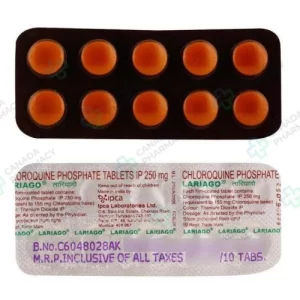
Chloroquine
Price range: $ 41,00 through $ 402,00
Active substance: Chloroquine
More Details
This product has multiple variants. The options may be chosen on the product page

Elimite
Price range: $ 44,00 through $ 92,00
Active substance: Permethrin
More Details
This product has multiple variants. The options may be chosen on the product page

Eurax
Price range: $ 49,00 through $ 187,00
Active substance: Crotamiton
More Details
This product has multiple variants. The options may be chosen on the product page

Furazolidone
Price range: $ 6,00 through $ 27,00
Active substance: Furazolidone
More Details
This product has multiple variants. The options may be chosen on the product page
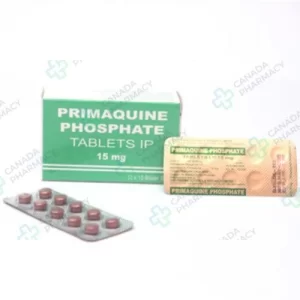
Primaquine
Price range: $ 56,00 through $ 449,00
Active substance: Primaquine
More Details
This product has multiple variants. The options may be chosen on the product page
Stromectol
Price range: $ 50,00 through $ 1 000,00
Active substance: Ivermectin
More Details
This product has multiple variants. The options may be chosen on the product page