

-94%

Lariam
Price range: $ 60,00 through $ 1 620,00

Lasuna
Price range: $ 58,00 through $ 244,00
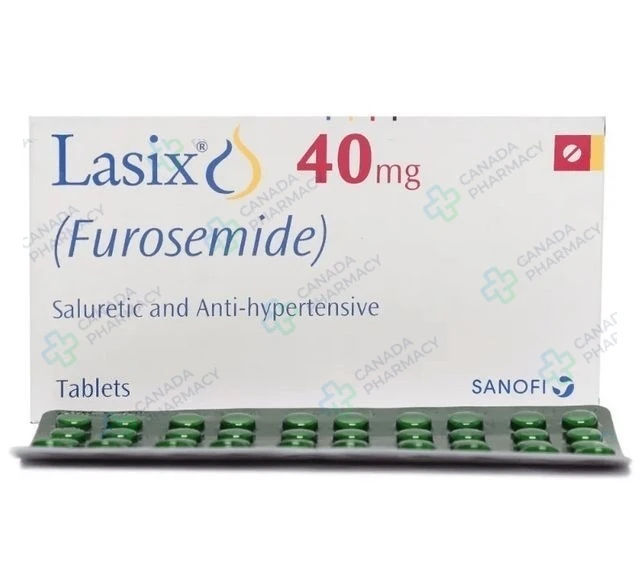
Lasix
Price range: $ 40,00 through $ 140,00
Lasix is a highly effective loop diuretic designed to help the body eliminate excess fluid and salt. It is primarily used to treat edema, or swelling, caused by medical conditions such as congestive heart failure, liver disease, or kidney disorders. By increasing urine output, the medication assists in reducing the workload on the heart and improving overall circulation. In addition to managing fluid retention, Lasix is also an established treatment for controlling high blood pressure. This medication plays a vital role in alleviating symptoms like shortness of breath and swelling in the limbs.
Active substance: Furosemide (frusemide)
Delivery: 5–21 days (depending on the shipping method)
Extra 10% discount with coupon: IT4K6SVM
Each dosage option has its own packaging choices.
Description
Lasix belongs to a class of medications known as loop diuretics, which facilitate fluid excretion by inhibiting sodium and chloride reabsorption in the renal tubules. In the United States, Lasix is categorized as a prescription-only (Rx) pharmaceutical agent indicated for managing fluid retention and hypertension under qualified medical oversight.
The primary active ingredient in Lasix is furosemide, which produces a rapid diuretic response when administered orally or parenterally. It is prescribed to alleviate systemic congestion associated with congestive heart failure, hepatic cirrhosis, and renal pathology.
| Parameter | Specification |
|---|---|
| Drug Name | Lasix |
| Active Ingredient (INN) | Furosemide |
| Therapeutic Class | Loop Diuretic |
| Dosage Form | Oral Tablets, Oral Solution |
| Route of Administration | Oral |
| Primary Purpose | Edema reduction, Management of Hypertension |
| Prescription Status | Rx (Prescription Only) |
Clinical Overview and Core Pharmacology
Main Uses
Lasix is indicated for the treatment of edema associated with congestive heart failure, cirrhosis of the liver, and renal disease, including nephrotic syndrome. The drug effectively mobilizes accumulated extracellular fluid, thereby reducing symptoms such as pulmonary congestion, peripheral swelling, and dyspnea. Furthermore, Lasix is prescribed for the management of mild-to-moderate hypertension, either as monotherapy or in combination with other antihypertensive agents. Any therapeutic use outside of approved package insert indications–such as acute management of symptomatic hypercalcemia–is designated as an off-label application and must be managed under strict clinical protocol.
How the Drug Works
Lasix exerts its action along the thick ascending limb of the loop of Henle in the kidney. By reversibly inhibiting the sodium-potassium-two-chloride (Na+/K+/2Cl-) cotransport system, it blocks the reabsorption of sodium and chloride ions. Consequently, osmotic gradient shifts increase the intraluminal excretion of water, sodium, chloride, potassium, magnesium, and calcium. This localized mechanism leads to rapid diuresis and a decrease in plasma volume, which lowers systemic blood pressure and relieves vascular congestion.
Dosing Schedule
Dosage must be individualized according to patient response, fluid status, and laboratory parameters. For adult edema, the standard initial oral dose ranges from 20 mg to 80 mg given as a single dose. If necessary, the same dose may be repeated 6 to 8 hours later or increased by 20 mg to 40 mg increments until the desired diuretic response is obtained. For pediatric patients, initial dosing is typically calculated at 1 mg/kg to 2 mg/kg of body weight. For hypertension, the usual initial daily dose is 80 mg, typically divided into 40 mg twice daily. Dosing adjustments are routinely made based on renal clearance and serum electrolyte monitoring.
What Happens in the Body
Following oral administration, Lasix is absorbed from the gastrointestinal tract with an average bioavailability of approximately 40% to 70%. The onset of diuresis typically occurs within 60 minutes after oral ingestion, reaching peak therapeutic concentration within 1 to 2 hours. The total duration of diuretic action is approximately 6 to 8 hours. Furosemide extensively binds to plasma proteins, predominantly albumin. It undergoes limited hepatic metabolism to a glucuronide metabolite and is excreted primarily by the kidneys via active tubular secretion, with the remainder excreted in the feces.
Safety Profile and Practical Management
Important Precautions and Black Box Warnings
Lasix carries a Boxed Warning regarding the potential for profound diuresis with water and electrolyte depletion. Excessive quantities can lead to severe dehydration, blood volume reduction, and vascular collapse. Prescribing clinicians must monitor serum electrolytes, blood urea nitrogen (BUN), and serum creatinine regularly. Caution is required in patients with pre-existing hepatic coma, severe electrolyte depletion, or sulfonamide hypersensitivity, as cross-reactivity may occur. In elderly patients, careful dose titration is necessary to prevent severe orthostatic hypotension and acute renal impairment.
Drug Interactions
Lasix interacts with several drug classes, necessitating careful regimen adjustments and laboratory monitoring:
- Aminoglycoside Antibiotics: Concurrent use enhances the risk of severe ototoxicity (hearing loss and tinnitus).
- Nonsteroidal Anti-inflammatory Drugs (NSAIDs): Indomethacin and other NSAIDs can attenuate the natriuretic and antihypertensive effects of Lasix and increase the risk of renal failure.
- Lithium: Diuretic-induced sodium loss reduces renal clearance of lithium, significantly increasing the risk of lithium toxicity.
- Digoxin: Lasix-induced hypokalemia increases myocardial sensitivity to digitalis, elevating the risk of digitalis toxicity and lethal cardiac arrhythmias.
- ACE Inhibitors / ARBs: Concomitant administration may precipitate severe hypotension and transient renal impairment.
Adverse Reactions
The main adverse reactions to Lasix stem from its target action on fluid and electrolyte excretion. Frequent laboratory abnormalities include hypokalemia, hyponatremia, hypomagnesemia, hypochloremic alkalosis, and hyperuricemia (which may precipitate acute gout attacks). Patients may experience orthostatic hypotension, dizziness, headache, gastrointestinal distress (nausea, pancreatitis), transient hyperglycemia, and transient or permanent hearing loss, particularly when high doses are administered rapidly or in patients with impaired renal clearance.
Red Flags: When to Seek Immediate Care
Patients taking Lasix must monitor for signs of emergency clinical complications. Immediate medical evaluation is required if any of the following symptoms develop:
| Symptom Category | Clinical Manifestation |
|---|---|
| Severe Electrolyte Disturbance | Severe muscle cramps, confusion, extreme weakness, irregular heartbeats |
| Severe Hypovolemia | Dizziness, syncope (fainting), inability to urinate (anuria) |
| Ototoxicity | Sudden hearing loss, persistent ringing in the ears (tinnitus) |
| Hypersensitivity Reaction | Swelling of the face, lips, tongue; skin blistering or peeling; anaphylaxis |
What to Avoid While Taking It
Excessive dietary sodium intake directly antagonizes the therapeutic effect of Lasix; patients are generally advised to adhere to a low-sodium diet as recommended by their healthcare provider. Alcohol consumption should be minimized or avoided, as it exacerbates the vasodilation and orthostatic hypotension caused by furosemide. Patients should consult their prescriber regarding dietary potassium intake or the use of potassium supplements, as potassium requirements depend on serum lab values.
If You Skip a Dose
If a dose of Lasix is missed, it should be taken as soon as remembered on that day. However, if it is late in the afternoon or near the time for the next scheduled dose, the missed dose should be skipped to prevent nocturnal diuresis (frequent nighttime urination) from disrupting sleep. Patients must never double the dose to compensate for a missed one.
Practical Tips
To minimize nighttime sleep disruption, the daily dose of Lasix should ideally be taken in the morning. If prescribed twice daily, the second dose is typically taken in the early afternoon (e.g., 2:00 PM to 4:00 PM). Patients should weigh themselves daily under standardized conditions (in the morning after voiding, before breakfast) and log the results to assist their physician in evaluating fluid balance. Position changes–rising from a lying or seated position–should be executed slowly to lessen orthostatic lightheadedness.
Frequently Asked Questions
Why is daily weight tracking recommended while taking Lasix?
Daily weight tracking provides a direct, non-invasive measurement of fluid loss or retention. A sudden weight gain of 2 to 3 pounds in 24 hours (or 5 pounds in a week) often indicates fluid accumulation requiring physician re-evaluation and dose adjustment.
Can Lasix cause potassium levels to drop dangerously low?
Yes. Lasix increases urinary potassium excretion, which can result in hypokalemia. Patients often require routine serum potassium monitoring and may be prescribed potassium supplements or dietary adjustments by their physician.
What should I do if I experience ringing in my ears while using Lasix?
Tinnitus or auditory changes can signify furosemide-induced ototoxicity. You should report this symptom immediately to your prescribing doctor, as it may necessitate dose reduction or discontinuation of the drug.
Is it safe to consume alcohol while taking this medication?
Alcohol should be used with extreme caution or avoided entirely. Combining alcohol with Lasix enhances blood pressure drops, significantly increasing the risk of dizziness, lightheadedness, and fainting when standing up.
Why is Lasix usually prescribed to be taken in the morning?
Lasix initiates diuresis within 1 hour of ingestion, lasting for 6 to 8 hours. Taking it in the morning ensures that peak fluid excretion occurs during waking hours rather than interrupting sleep with frequent nighttime trips to the bathroom.
In accordance with FDA regulatory guidelines.
This text is for informational purposes only and does not constitute individual medical advice.
Additional information
| Dosage |
40mg ,100mg |
|---|---|
| Package |
10 pills ,20 pills ,30 pills ,60 pills ,90 pills ,120 pills ,180 pills ,270 pills ,360 pills |
| Ενεργός Ουσία |
Related products

Arjuna
Price range: $ 63,00 through $ 72,00
Active substance: Arjuna (Terminalia arjuna) bark extract
More Details
This product has multiple variants. The options may be chosen on the product page
Coreg
Price range: $ 41,00 through $ 651,00
Active substance: Carvedilol
More Details
This product has multiple variants. The options may be chosen on the product page

Coumadin
Price range: $ 12,00 through $ 153,00
Active substance: Warfarin
More Details
This product has multiple variants. The options may be chosen on the product page

Cozaar
Price range: $ 41,00 through $ 281,00
Active substance: Losartan
More Details
This product has multiple variants. The options may be chosen on the product page
Digoxin
Price range: $ 48,00 through $ 152,00
Active substance: digoxin
More Details
This product has multiple variants. The options may be chosen on the product page

Diltiazem
Price range: $ 49,00 through $ 590,00
Active substance: Diltiazem
More Details
This product has multiple variants. The options may be chosen on the product page

Diltiazem HCL
Price range: $ 52,00 through $ 393,00
Active substance: Diltiazem
More Details
This product has multiple variants. The options may be chosen on the product page
Furosemide
Price range: $ 46,00 through $ 193,00
Active substance: furosemide
More Details
This product has multiple variants. The options may be chosen on the product page