

-25%

Lamisil Cream
Price range: $ 11,00 through $ 36,00

Lariam
Price range: $ 60,00 through $ 1 620,00
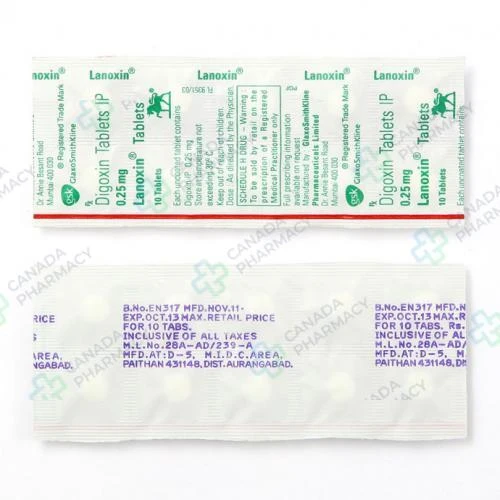
Lanoxin
Price range: $ 47,00 through $ 141,00
Lanoxin is a cardiac glycoside medication specifically designed to help the heart beat more efficiently and effectively. It is primarily indicated for the treatment of mild to moderate heart failure by increasing the strength of the heart muscle’s contractions. Additionally, this medication is used to control the ventricular response rate in patients diagnosed with chronic atrial fibrillation. By regulating the electrical signals within the heart, Lanoxin helps maintain a more stable and steady rhythm. Effective management of these cardiac conditions with this therapy can significantly improve a patient’s overall physical endurance and daily comfort.
Active substance: digoxin
Delivery: 5–21 days (depending on the shipping method)
Extra 10% discount with coupon: IT4K6SVM
Each dosage option has its own packaging choices.
Description
Lanoxin belongs to a class of medications known as cardiac glycosides, which exert specific effects on the electrical conduction and contractile force of the heart muscle. Formulated with the active substance digoxin, this prescription drug is utilized in cardiovascular medicine to manage heart failure and control ventricular response rates in patients with chronic atrial fibrillation. Dispensing requires a valid prescription from a licensed healthcare provider in accordance with federal and state regulations.
Given its narrow therapeutic window, Lanoxin requires individualized dosing based on lean body mass, renal function, and routine serum drug concentration monitoring. Successful treatment relies on strict adherence to prescribed regimens and regular laboratory evaluations to optimize clinical benefit while minimizing the risk of toxicity.
Basic Information Overview
| Property | Details |
|---|---|
| Active Ingredient | Digoxin |
| Therapeutic Class | Cardiac glycoside |
| Dosage Forms | Oral tablets (0.0625 mg, 0.125 mg, 0.25 mg), oral pediatric solution |
| Route of Administration | Oral |
| Primary Indications | Heart failure, chronic atrial fibrillation |
| Prescription Status | Prescription only (Rx) |
How the Drug Works
The active component of Lanoxin, digoxin, acts by inhibiting the membrane-bound sodium-potassium adenosine triphosphatase (Na+/K+-ATPase) enzyme pump in cardiac myocytes. This inhibition leads to an increase in intracellular sodium levels, which subsequently reduces sodium-calcium exchange. The resulting increase in intracellular calcium concentration enhances the contractile force of the myocardium, producing a positive inotropic effect.
Simultaneously, Lanoxin increases vagal tone and slows conduction through the sinoatrial (SA) and atrioventricular (AV) nodes. This negative chronotropic and dromotropic effect decreases the heart rate and slows ventricular response in atrial arrhythmias, allowing for improved cardiac filling and hemodynamics without increasing myocardial oxygen consumption disproportionately.
Main Uses
Lanoxin is indicated for the treatment of mild to moderate heart failure in adults. It helps increase left ventricular ejection fraction, improve heart failure symptoms, and reduce heart failure-related hospitalizations when combined with standard therapy such as angiotensin-converting enzyme (ACE) inhibitors, beta-blockers, and diuretics.
In addition, Lanoxin is prescribed for rate control in adult patients with chronic atrial fibrillation. By slowing AV node conduction, it prevents rapid impulses originating in the atria from transmitting to the ventricles. In pediatric populations, digoxin may be utilized under specialist supervision for specific congenital heart conditions or refractory tachyarrhythmias as evaluated by a pediatric cardiologist.
How to Take It
The dosing schedule for Lanoxin must be tailored to individual patient characteristics. Dosage calculations consider lean body mass, serum creatinine levels, age, and concurrent therapies. Available tablet strengths include 0.0625 mg (62.5 mcg), 0.125 mg (125 mcg), and 0.25 mg (250 mcg). Tablets are typically taken once daily with a glass of water.
Therapeutic drug monitoring is standard clinical practice during Lanoxin administration. Peak serum concentrations occur 1 to 3 hours post-dose, but blood samples for trough levels should generally be drawn at least 6 to 8 hours after a dose (ideally immediately before the next scheduled dose). Target therapeutic serum levels for heart failure range between 0.5 and 0.9 ng/mL, whereas higher levels up to 1.2 or 2.0 ng/mL may be required for rate control in atrial fibrillation.
What Happens in the Body
Following oral administration of Lanoxin tablets, absorption occurs primarily in the upper small intestine, with systemic bioavailability ranging between 60% and 80%. Food delays the rate of absorption but does not significantly reduce the total amount absorbed, unless high-fiber meals are consumed concurrently.
Digoxin distributes widely into body tissues, particularly cardiac muscle, skeletal muscle, and kidneys, with a vast apparent volume of distribution. Tissue binding is high, whereas plasma protein binding is low (approximately 25%). Lanoxin undergoes minimal hepatic metabolism and is excreted predominantly unchanged by the kidneys via glomerular filtration and active tubular secretion. In individuals with normal renal function, the elimination half-life ranges from 36 to 48 hours. In patients with impaired renal function or anuria, the elimination half-life can be prolonged to 3.5 to 5 days, necessitating careful dose adjustments.
Compatibility with Other Medicines
Lanoxin is subject to numerous clinically significant drug interactions due to its reliance on the P-glycoprotein efflux transporter and renal clearance mechanisms:
- P-glycoprotein Inhibitors: Medications such as amiodarone, verapamil, quinidine, clarithromycin, and erythromycin significantly elevate digoxin plasma concentrations, necessitating dose reduction of Lanoxin.
- Diuretics: Non-potassium-sparing diuretics (e.g., furosemide, hydrochlorothiazide) can cause hypokalemia and hypomagnesemia. Low serum potassium levels sensitize cardiac tissue to digoxin, markedly increasing the risk of fatal cardiac arrhythmias.
- Conduction-Slowing Agents: Beta-blockers, diltiazem, and verapamil have additive effects on AV node conduction and can lead to severe bradycardia or complete heart block when combined with Lanoxin.
- Absorption Altering Drugs: Antacids, sucralfate, and cholestyramine bind digoxin in the gastrointestinal tract, reducing its absorption. These agents should be taken several hours apart from Lanoxin.
Adverse Reactions
Adverse reactions associated with Lanoxin are frequently concentration-dependent and serve as early indicators of digitalis toxicity due to the drug’s narrow therapeutic index:
- Gastrointestinal: Anorexia, nausea, vomiting, diarrhea, and generalized abdominal discomfort.
- Central Nervous System: Dizziness, headache, fatigue, confusion, apathy, and generalized weakness.
- Visual Disturbances: Blurred vision, altered color perception (xanthopsia, where objects appear yellow or green), and visual halos around light sources.
- Cardiovascular Effects: Uncontrolled slowing of heart rate (bradycardia), sinus arrest, AV block, ventricular ectopic beats, bigeminy, ventricular tachycardia, and atrial tachycardia with block.
Red Flags
| Warning Sign | Action Required |
|---|---|
| Pulse rate consistently below 60 beats per minute or irregular heartbeat | Withhold dose and contact provider immediately |
| Persistent nausea, loss of appetite, or repeated vomiting | Seek prompt medical evaluation for potential toxicity |
| Visual changes (yellow-green halos, blurred vision) | Contact healthcare provider immediately |
| Sudden severe confusion, dizziness, or fainting spells | Obtain emergency medical attention |
Important Precautions
Lanoxin must be administered with extreme caution in patients with underlying renal insufficiency, as impaired clearance leads to drug accumulation and elevated toxicity risk. Patients diagnosed with sinus node disease, incomplete AV block, acute myocardial infarction, or severe pulmonary disease require meticulous cardiac monitoring during treatment initiation.
Electrolyte imbalances–specifically hypokalemia, hypomagnesemia, and hypercalcemia–increase myocardial sensitivity to digoxin and must be corrected prior to and during Lanoxin therapy. In thyroid disorders, clearance varies: hypothyroid patients require lower doses due to decreased clearance, while hyperthyroid patients may exhibit altered responsiveness.
Special Populations: Lanoxin is classified as Pregnancy Category C. It crosses the placenta and is excreted into human breast milk in low quantities. It should be used during pregnancy or lactation only if the clinical benefit outweighs potential risks to the fetus or infant. Elderly patients often require reduced initial and maintenance doses due to age-related declines in renal clearance and lean body mass.
Food and Alcohol Interactions
Consuming high-fiber foods or dietary fiber supplements simultaneously with Lanoxin can decrease oral absorption. To minimize variability, maintain a consistent diet and take Lanoxin at least 1 hour before or 2 hours after high-fiber meals.
Alcohol consumption does not directly alter digoxin metabolism, but excessive alcohol use can promote electrolyte shifts, dehydration, and arrhythmia development. Patients should limit alcohol intake and maintain stable fluid and electrolyte balances.
If You Skip a Dose
If a dose of Lanoxin is missed, take it as soon as remembered if it is within 12 hours of the scheduled administration time. If more than 12 hours have elapsed since the missed dose, skip that dose and resume the normal daily dosing schedule.
Do not double the dose or take extra medicine to compensate for a skipped tablet. Taking additional tablets increases the risk of elevated serum levels and acute toxicity.
Practical Tips
- Take Lanoxin at the same time every single day to maintain stable blood levels.
- Measure and record your resting pulse rate daily before taking your dose if instructed by your physician.
- Keep all scheduled laboratory appointments for routine blood tests (serum digoxin, potassium, magnesium, and kidney function tests).
- Store tablets at controlled room temperature between 68°F and 77°F (20°C to 25°C), away from excess moisture, heat, and direct light.
Common Questions
Why are routine blood tests necessary while taking Lanoxin?
Lanoxin has a narrow therapeutic range, meaning the difference between an effective dose and a toxic dose is very small. Regular blood tests measure the concentration of digoxin in your bloodstream as well as your kidney function and electrolyte levels (like potassium). Monitoring ensures that the medication remains within a safe and effective therapeutic window.
What visual changes should prompt immediate medical contact?
Any unexpected alterations in vision–such as seeing yellow or green halos around light sources, blurred vision, or decreased visual acuity–can be early indicators of elevated digoxin concentrations in your body. If these occur, contact your healthcare provider immediately before taking another dose.
How does low potassium level affect Lanoxin safety?
Low potassium levels in the blood (hypokalemia) increase the binding of digoxin to heart muscle cells, making the heart significantly more sensitive to the drug. This heightened sensitivity greatly increases the risk of dangerous heart rhythm disturbances. Patients taking diuretics alongside Lanoxin must have their potassium levels checked regularly.
Is it safe to stop taking Lanoxin abruptly?
No, you should never stop taking Lanoxin abruptly unless explicitly instructed to do so by your physician. Discontinuing the medication suddenly can cause a return or worsening of heart failure symptoms or loss of rate control in atrial fibrillation. Any changes to your treatment plan must be guided by a medical professional.
Information on this page is for reference and does not replace an assessment by a licensed healthcare professional. In accordance with FDA requirements.
Additional information
| Dosage |
0.25mg |
|---|---|
| Package |
90 pills ,120 pills ,180 pills ,270 pills ,360 pills |
| Ενεργός Ουσία |
Related products
Aldactone
Price range: $ 33,00 through $ 345,00
Active substance: Spironolactone
More Details
This product has multiple variants. The options may be chosen on the product page
Calan
Price range: $ 46,00 through $ 242,00
Active substance: Verapamil
More Details
This product has multiple variants. The options may be chosen on the product page
Capoten
Price range: $ 42,00 through $ 323,00
Active substance: Captopril
More Details
This product has multiple variants. The options may be chosen on the product page
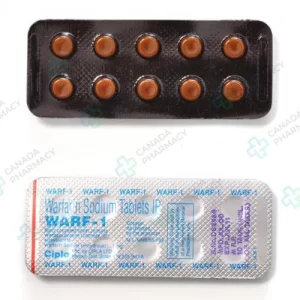
Coumadin
Price range: $ 12,00 through $ 153,00
Active substance: Warfarin
More Details
This product has multiple variants. The options may be chosen on the product page
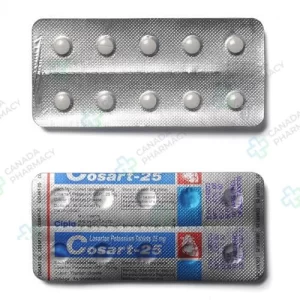
Cozaar
Price range: $ 41,00 through $ 281,00
Active substance: Losartan
More Details
This product has multiple variants. The options may be chosen on the product page
Dipyridamole
Price range: $ 43,00 through $ 257,00
Active substance: Dipyridamole
More Details
This product has multiple variants. The options may be chosen on the product page
Doxazosin
Price range: $ 42,00 through $ 332,00
Active substance: Doxazosin
More Details
This product has multiple variants. The options may be chosen on the product page
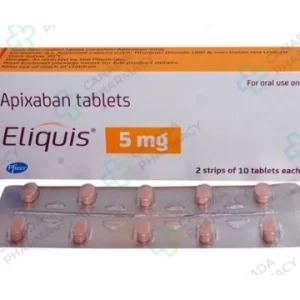
Eliquis
Price range: $ 60,00 through $ 320,00
Active substance: Apixaban
More Details
This product has multiple variants. The options may be chosen on the product page