

-16%
Eldepryl
Price range: $ 31,00 through $ 242,00
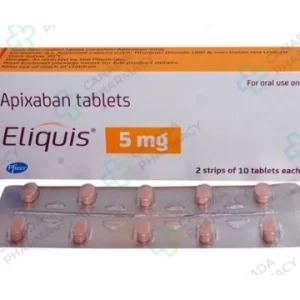
Eliquis
Price range: $ 60,00 through $ 320,00
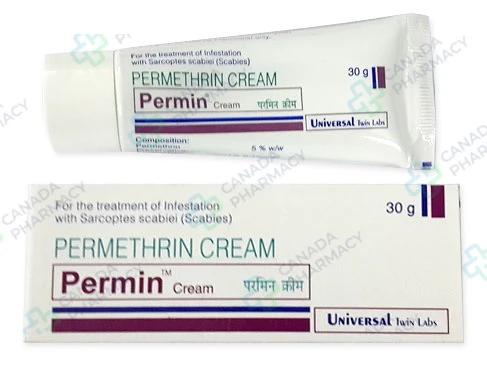
Elimite
Price range: $ 44,00 through $ 92,00
Elimite is a highly effective topical cream containing 5% permethrin, specifically formulated to treat scabies infestations in adults and children. It works by targeting and eliminating the microscopic mites and their eggs that burrow under the skin’s surface. This powerful medication provides essential relief from the intense itching and skin discomfort typically associated with these parasites. The cream is designed for a thorough, single head-to-toe application to ensure the complete eradication of the infestation. By neutralizing the mites at their source, Elimite helps restore healthy skin and prevents the further spread of the condition.
Active substance: Permethrin
Delivery: 5–21 days (depending on the shipping method)
Extra 10% discount with coupon: IT4K6SVM
Each dosage option has its own packaging choices.
Description
Elimite Cream (Permethrin 5%) – Patient Information Guide
Elimite belongs to a class of topical ectoparasiticides known as synthetic pyrethroids. It is prescribed by licensed healthcare providers for the clinical management of scabies infestation caused by the microscopic mite Sarcoptes scabiei.
This prescription medication acts locally within the epidermal layer of the skin to eradicate scabies mites and their ova. Proper application according to medical direction and thorough adherence to household environmental controls are essential to achieve complete clearance and prevent reinfestation.
| Parameter | Clinical Detail |
|---|---|
| Active Ingredient | Permethrin (5% w/w) |
| Dosage Form | Topical cream |
| Therapeutic Class | Scabicide / Synthetic pyrethroid |
| Route of Administration | Cutaneous (topical skin application) |
| Prescription Status | Prescription only (Rx) |
| Storage Conditions | 20°C to 25°C (68°F to 77°F) |
Key Pharmacological Features
Main uses
Elimite cream is indicated primarily for the treatment of infestation with Sarcoptes scabiei (scabies). When applied correctly, it targets the adult mites, larvae, and eggs residing in the cutaneous burrows. In specific clinical scenarios, dermatologists may prescribe permethrin 5% cream off-label for severe or recalcitrant pediculosis capitis (head lice) or Pthirus pubis (pubic lice) infestations that have demonstrated resistance to standard over-the-counter 1% concentrations. Off-label utilization requires explicit diagnostic confirmation and oversight by a qualified prescriber.
How the drug works
The active constituent, permethrin, is a synthetic neurotoxic pyrethroid. It disrupts the neuronal membranes of arthropods by altering the function of voltage-gated sodium channels. By slowing channel inactivation, permethrin induces prolonged repolarization of the nerve cell membranes of Sarcoptes scabiei. This membrane instability results in uncoordinated nervous impulses, paralysis, and subsequent mortality of both the adult mites and their offspring. Permethrin exhibits selective toxicity, as mammalian sodium channels are significantly less sensitive to its pharmacological effects compared to those of target parasites.
How it’s absorbed and eliminated
Systemic absorption of permethrin following topical application of Elimite is minimal. Quantitative kinetic analyses demonstrate that less than 2% of the applied dose gains systemic entry through intact human skin. Once absorbed into the vascular system, permethrin undergoes rapid enzymatic degradation via ester hydrolysis into inactive carboxylic acid metabolites. These breakdown products are subsequently excreted by the kidneys through renal filtration. Because percutaneous absorption is negligible and metabolic clearance is rapid, systemic accumulation remains extremely low in individuals with normal epidermal barrier function.
Administration & Practical Guidelines
Dosing schedule
For adult patients and pediatric patients over 2 months of age, Elimite cream should be thoroughly massaged into the skin from the neck down to the soles of the feet. Special attention must be directed to interdigital spaces, wrists, axillae, external genitalia, and the gluteal fold. In infants and elderly patients, application may extend to the scalp, temples, and forehead, while avoiding the immediate periorbital and perioral areas. The cream must remain on the body for 8 to 14 hours before being thoroughly washed off with warm water during a bath or shower. A single 30-gram container is typically adequate for an average adult application.
Practical tips
To optimize therapeutic outcomes, patients should trim fingernails short and apply the cream under the nail beds using a soft brush, as mites frequently gather in subungual spaces. Household contacts and sexual partners should undergo evaluation and concurrent treatment to halt reinfestation cycles. On the day of treatment, all bed linens, towels, and clothing worn within the preceding 48 to 72 hours should be laundered in hot water (at or above 130°F / 54.4°C) and dried using the high-heat drying cycle. Items that cannot be washed may be isolated in a sealed plastic bag for at least 3 to 4 days.
What you may notice early on
Following application, patients frequently observe persistent or transiently intensified pruritus (itching). This inflammatory reaction does not necessarily signify therapeutic failure. Instead, post-scabietic pruritus is typically an immunological hypersensitivity reaction triggered by residual dead mite proteins, feces, and ova embedded within the stratum corneum. Skin shedding and resolution of host immune responses take time. Symptoms often persist for 2 to 4 weeks after successful mite eradication. Symptomatic management with mild topical hydrocortisone or oral antihistamines may be recommended by a healthcare provider during this recovery period.
Safety & Precautions
Adverse reactions
The safety profile of permethrin 5% cream is generally well tolerated, with adverse events largely localized to the site of administration. Commonly reported local cutaneous reactions include mild and transient burning, stinging, itching, numbness, tingling (paresthesia), erythema, and localized edema. These localized sensations typically dissipate within several hours following the removal of the medication. Hypersensitivity reactions, such as contact dermatitis or cutaneous rash, occur infrequently. If severe localized inflammation or generalized urticaria occurs, treatment should be discontinued immediately.
Compatibility with other medicines
Systemic drug-drug interactions with permethrin are extremely improbable due to its negligible percutaneous absorption and rapid esterase inactivation. However, concurrent administration of strong topical corticosteroid creams across large surface areas may temporarily suppress local immune responses or obscure the diagnostic clinical features of active scabies. Patients should inform their prescribing clinician of all concurrent topical dermatological agents, OTC skin products, or specialized medicated washes utilized prior to starting treatment.
Special populations
Elimite is approved for pediatric patients aged 2 months and older; safety and efficacy in infants under 2 months have not been clinically established. For pregnant individuals, permethrin is categorized as an agent to be used only if clearly indicated, although animal reproductive toxicity studies have revealed no evidence of impaired fertility or harm to the fetus. It remains unknown whether permethrin is excreted in human breast milk. Because small amounts may pass through systemic circulation, lactating mothers should exercise caution and discuss temporary pumping options or proper breast hygiene with their provider prior to application.
Important precautions
Elimite cream is designated exclusively for external cutaneous use. It must never be applied to mucous membranes, ingested, or introduced into the eyes. If accidental ocular contact occurs, the eyes should be flushed immediately with abundant room-temperature water. Individuals with known hypersensitivity to synthetic pyrethroids, natural pyrethrins, or plants belonging to the Chrysanthemum family should avoid exposure to this product. Secondary bacterial infections (such as impetigo or cellulitis resulting from intense excoriation) require distinct antimicrobial therapy alongside scabicide administration.
Post-Treatment Expectations
Storage and expiration
Elimite cream should be stored at controlled room temperature between 20°C and 25°C (68°F to 77°F), with short excursions permitted between 15°C and 30°C (59°F and 86°F). Protect the product from freezing temperatures and direct heat exposure. The tube must remain tightly capped when not in use. Patients should refrain from using the cream past the expiration date clearly stamped on the crimp of the tube or package carton, as degraded formulations may fail to maintain antiparasitic efficacy.
Frequently Asked Questions
Is persistent itching two weeks after applying Elimite a sign that the treatment failed?
Not necessarily. Itching can persist for 2 to 4 weeks after effective treatment due to an ongoing immune response to dead mites and foreign material remaining in the skin layers. If fresh burrows or live mites appear after 14 days, consult your healthcare provider to evaluate whether a second application is required.
Should household contacts be treated at the same time as the patient?
Yes, healthcare providers typically recommend treating all household members and close physical contacts simultaneously, even if they show no symptoms. Scabies mites can transfer before symptoms appear, and treating contacts prevents continuous cycles of reinfestation within the home.
Can Elimite cream be applied to the head or face?
In adults, application is generally restricted to the neck down. However, in infants, young children, and elderly patients, scabies may affect the hairline, scalp, temples, and forehead. When treating these areas under medical direction, take care to keep the cream away from the eyes, nose, and mouth.
What should be done if Elimite is accidentally washed off early?
The medication must remain continuously on the skin for the prescribed period of 8 to 14 hours to ensure eradication of the mites. If hands or other body parts are washed with soap and water during this timeframe, the cream should be reapplied to those specific areas immediately.
How long after treatment until scabies mites are no longer contagious?
Mites are generally killed within 8 to 14 hours following proper application of permethrin cream. Patients are typically considered non-contagious after completing the full recommended contact time and thoroughly washing off the medication.
In accordance with FDA requirements.
Information on this page is for reference and does not replace an assessment by a licensed healthcare professional.
Additional information
| Dosage |
30 gm |
|---|---|
| Package |
4 tubes ,5 tubes ,6 tubes ,7 tubes ,8 tubes ,9 tubes ,10 tubes |
| Ενεργός Ουσία |
Related products
Accufine
Price range: $ 69,00 through $ 323,00
Active substance: Isotretinoin
More Details
This product has multiple variants. The options may be chosen on the product page
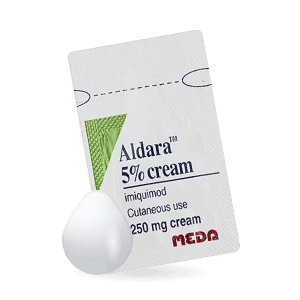
Aldara Cream
Price range: $ 224,00 through $ 1 440,00
More Details
This product has multiple variants. The options may be chosen on the product page
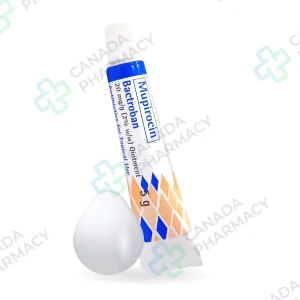
Bactroban Ointment 5g
Price range: $ 55,00 through $ 200,00
Active substance: Mupirocin
More Details
This product has multiple variants. The options may be chosen on the product page
Benzac
Price range: $ 45,00 through $ 118,00
Active substance: benzoyl peroxide
More Details
This product has multiple variants. The options may be chosen on the product page
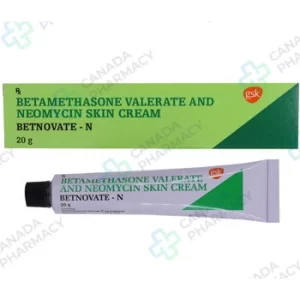
Betnovate
Price range: $ 40,00 through $ 55,00
Active substance: betamethasone
More Details
This product has multiple variants. The options may be chosen on the product page
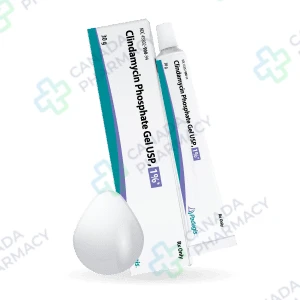
Clindamycin Gel
Price range: $ 6,00 through $ 36,00
Active substance: Clindamycin
More Details
This product has multiple variants. The options may be chosen on the product page
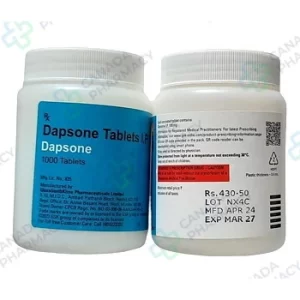
Dapsone
Price range: $ 80,00 through $ 180,00
Active substance: dapsone
More Details
This product has multiple variants. The options may be chosen on the product page
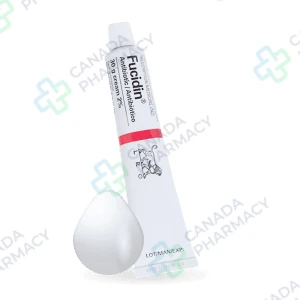
Fucidin cream
Price range: $ 14,00 through $ 73,00
Active substance: Fusidic Acid
More Details
This product has multiple variants. The options may be chosen on the product page