

-24%
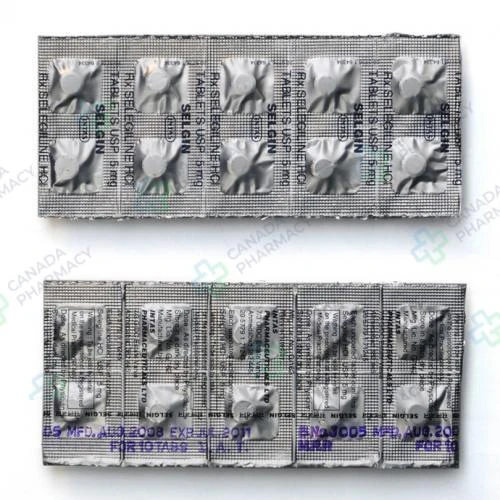

Elavil
Price range: $ 39,00 through $ 222,00

Elimite
Price range: $ 44,00 through $ 92,00
Eldepryl
Price range: $ 31,00 through $ 242,00
Eldepryl is a specialized medication primarily used as an adjunct therapy in the management of Parkinson’s disease. It contains the active ingredient selegiline, which belongs to a class of drugs known as monoamine oxidase type B (MAO-B) inhibitors. This medication is specifically indicated for patients currently receiving levodopa/carbidopa treatment who are experiencing a decrease in the effectiveness of their primary therapy. By inhibiting the breakdown of dopamine in the brain, Eldepryl helps improve motor control and reduces the “wearing-off” symptoms associated with long-term Parkinson’s management. Regular use of this treatment can lead to smoother movements and enhanced daily functionality for individuals managing these neurological symptoms.
Active substance: Selegiline
Delivery: 5–21 days (depending on the shipping method)
Extra 10% discount with coupon: IT4K6SVM
Each dosage option has its own packaging choices.
Description
Eldepryl belongs to a class of medications known as monoamine oxidase type B (MAO-B) inhibitors. It is indicated as an adjunct in the management of Parkinson’s disease patients being treated with levodopa/carbidopa who exhibit deterioration in the quality of their response to this therapy.
This prescription medication requires ongoing medical oversight, as dosing adjustments of concurrent antiparkinsonian treatments may be necessary upon initiation. Administering Eldepryl properly helps manage symptom fluctuations associated with advanced Parkinson’s disease.
| Parameter | Details |
|---|---|
| Drug Name | Eldepryl |
| Active Ingredient | Selegiline hydrochloride |
| Therapeutic Class | Monoamine Oxidase B Inhibitor (Antiparkinson Agent) |
| Dosage Form | Oral capsule / tablet |
| Route of Administration | Oral |
| Prescription Status | Prescription only (Rx) |
| Primary Purpose | Adjunctive treatment for Parkinson’s disease |
Therapeutic Profile and Clinical Administration
Main uses
Eldepryl (selegiline hydrochloride) is specifically indicated as an adjunct in the management of Parkinson’s disease patients being treated with levodopa/carbidopa who exhibit deterioration in the quality of their response to therapy. It is intended for individuals experiencing end-of-dose akinesia or motor fluctuations, commonly referred to as “on-off” phenomena. The addition of Eldepryl may allow for a reduction in the daily dose of levodopa/carbidopa. Its clinical use is restricted to scenarios where primary levodopa therapy alone provides inadequate motor symptom control. Any off-label use for other neurological or psychiatric conditions must be evaluated solely by a qualified healthcare professional, as safety and effectiveness for non-approved indications have not been established by the FDA.
How the drug works
The therapeutic action of Eldepryl is primarily mediated through the irreversible inhibition of monoamine oxidase type B (MAO-B). Monoamine oxidase is an enzyme responsible for the metabolic degradation of catecholamines, including dopamine, within the central nervous system. By selectively inhibiting MAO-B at recommended clinical doses, Eldepryl slows the breakdown of endogenous and exogenous dopamine in the brain. This inhibition increases dopamine concentrations in the basal ganglia, thereby enhancing synaptic transmission and prolonging the clinical effectiveness of concurrent levodopa therapy. At doses higher than recommended, selectivity for MAO-B decreases, leading to inhibition of monoamine oxidase type A (MAO-A).
How it’s absorbed and eliminated
Following oral administration, Eldepryl is rapidly absorbed from the gastrointestinal tract, reaching peak plasma concentrations within 0.5 to 2 hours. Selegiline undergoes extensive hepatic first-pass metabolism, resulting in systemic bioavailability of the unchanged parent compound. Its principal circulating metabolites include N-desmethylselegiline, L-methamphetamine, and L-amphetamine. These active metabolites cross the blood-brain barrier and are subsequently excreted primarily in the urine. The binding of selegiline to MAO-B is irreversible; therefore, therapeutic recovery of enzyme activity depends on de novo enzyme synthesis, which takes several days to weeks after drug discontinuation.
Dosing schedule
The standard recommended dosage of Eldepryl for the adjunctive treatment of Parkinson’s disease is 10 mg per day, administered as two divided 5 mg doses. The first 5 mg dose is typically administered at breakfast, and the second 5 mg dose is administered at lunch. Exceeding the maximum recommended daily dose of 10 mg does not provide additional therapeutic benefit and increases the risk of severe adverse reactions due to loss of MAO-B selectivity. When Eldepryl therapy is initiated, the dose of concurrent levodopa/carbidopa may often be reduced by 10% to 30% after 2 to 3 days of treatment to minimize levodopa-induced adverse reactions.
If you skip a dose
If a scheduled dose of Eldepryl is missed, it should be taken as soon as remembered on the same day. However, if it is nearly time for the next scheduled dose, the missed dose should be skipped entirely, and the normal dosing schedule resumed. Double doses should never be taken to compensate for a missed administration. Because Eldepryl causes irreversible enzyme binding, missing a single dose does not cause an immediate total loss of therapeutic activity, as MAO-B enzyme inhibition persists for several days.
Safety Guidelines and Precautions
What not to combine
Eldepryl exhibits significant interaction potential with numerous pharmaceutical agents. Concomitant administration with meperidine or other selective serotonin reuptake inhibitors (SSRIs), serotonin-norepinephrine reuptake inhibitors (SNRIs), tricyclic antidepressants, and dextromethorphan is strictly contraindicated due to the risk of serotonin syndrome, severe hyperpyrexia, and fatal central nervous system toxicity. A wash-out period of at least 14 days is required between the discontinuation of Eldepryl and the initiation of contraindicated drugs (or up to 5 weeks for fluoxetine). Co-administration with sympathomimetic agents, such as decongestants found in over-the-counter cold remedies, must be avoided to prevent severe hypertensive reactions.
What to avoid while taking it
At the standard clinical dose of 10 mg per day, Eldepryl selectively inhibits MAO-B and generally does not produce a severe hypertensive crisis when modest amounts of dietary tyramine are consumed. However, if daily doses exceed 10 mg, loss of MAO-B selectivity occurs, rendering the patient susceptible to severe hypertension when consuming tyramine-rich foods such as aged cheeses, cured meats, red wine, tap beer, and fermented soy products. Alcohol consumption should be limited, as alcohol may exacerbate central nervous system depression or orthostatic hypotension associated with Parkinson’s disease therapy.
Adverse reactions
Adverse reactions associated with Eldepryl frequently represent potentiation of levodopa side effects. Common clinical effects include nausea, dizziness, lightheadedness, insomnia, confusion, hallucinations, and dyskinesias (involuntary movements). Cardiovascular reactions such as orthostatic hypotension, cardiac arrhythmias, and hypertension have also been documented. Patients experiencing increased involuntary movements or vivid hallucinations should contact their prescriber, as these symptoms often necessitate a dose reduction of the accompanying levodopa preparation. Gastrointestinal disturbances like dry mouth and abdominal pain may also occur during therapy.
Important precautions
Careful monitoring is required in patients receiving Eldepryl due to potential systemic hazards. The drug must not be administered at doses exceeding 10 mg daily to preserve enzyme selectivity and prevent potential hypertensive events. Patients should be warned regarding the potential for sudden sleep onset or profound somnolence while performing operational tasks like driving. Orthostatic hypotension is a recognized risk; blood pressure monitoring is recommended during initial dose titration. Eldepryl should be used with caution in patients with hepatic impairment, as altered drug clearance may elevate systemic exposure to selegiline and its active metabolites.
Special populations
The safety and effectiveness of Eldepryl in pediatric patients have not been established. In pregnant women, Eldepryl is categorized as a drug to be used only if the potential benefit justifies the potential risk to the fetus, as adequate clinical studies in pregnant populations are lacking. It is not known whether selegiline hydrochloride or its metabolites are excreted in human milk; caution should be exercised when administering to a nursing mother. Elderly individuals may display increased sensitivity to central nervous system side effects such as confusion, hallucinations, and orthostatic dizziness.
Storage and expiration
Eldepryl should be stored at controlled room temperature between 20°C and 25°C (68°F to 77°F), with excursions permitted between 15°C and 30°C (59°F to 86°F). The medication must be kept in a tightly closed container to protect it from light and moisture. Keep this medication out of reach of children and pets. Discard any unused or expired capsules according to local pharmaceutical waste disposal guidelines or drug take-back programs; do not flush down the toilet unless explicitly instructed to do so.
How long does it take for Eldepryl to exert its clinical effect?
Initial therapeutic benefits of Eldepryl as an adjunct to levodopa therapy are typically observed within 2 to 3 days after initiating treatment. During this period, patients may notice a reduction in “off” time and improved motor stability. However, full clinical evaluation and potential levodopa dose adjustment may require several weeks of consistent monitoring under medical supervision.
Why must Eldepryl doses be restricted to 10 mg per day?
Doses of Eldepryl are limited to 10 mg daily to maintain its selectivity for inhibiting the MAO-B enzyme. Doses higher than 10 mg per day inhibit MAO-A enzymes as well, significantly increasing the risk of severe hypertensive crises triggered by dietary tyramine (the “cheese effect”) and heightened interactions with other pharmaceutical agents.
Can Eldepryl be taken alongside over-the-counter cold medications?
Many over-the-counter cold and cough preparations contain sympathomimetic decongestants (such as pseudoephedrine or phenylephrine) or cough suppressants (such as dextromethorphan). Co-administration of Eldepryl with these compounds is contraindicated due to the risk of severe hypertensive reactions or serotonin toxicity. Always consult a pharmacist or physician before taking over-the-counter remedies with Eldepryl.
Is it safe to stop taking Eldepryl abruptly?
Discontinuing Eldepryl abruptly should be avoided unless directed by a healthcare provider. Sudden cessation of antiparkinsonian therapy can cause a rapid deterioration in motor function or precipitate a symptom complex resembling neuroleptic malignant syndrome. If discontinuation is necessary, it must be performed under direct medical guidance with appropriate adjustment of concurrent antiparkinsonian medications.
In accordance with FDA requirements.
This text is for informational purposes only and does not constitute individual medical advice.
Additional information
| Dosage |
5mg ,10 mg |
|---|---|
| Package |
30 pills ,60 pills ,90 pills ,120 pills ,180 pills ,270 pills ,360 pills |
| Ενεργός Ουσία |
Related products
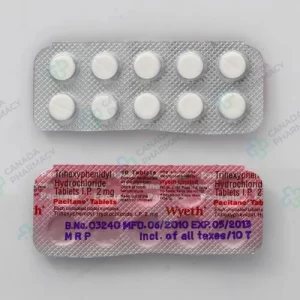
Artane
Price range: $ 48,00 through $ 115,00
Active substance: Trihexyphenidyl
More Details
This product has multiple variants. The options may be chosen on the product page
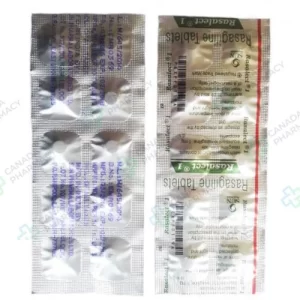
Azilect
Price range: $ 17,00 through $ 46,00
Active substance: Rasagiline
More Details
This product has multiple variants. The options may be chosen on the product page

Cerecetam
Price range: $ 58,00 through $ 255,00
Active substance: Piracetam
More Details
This product has multiple variants. The options may be chosen on the product page

Galantamine
Price range: $ 70,00 through $ 683,00
More Details
This product has multiple variants. The options may be chosen on the product page
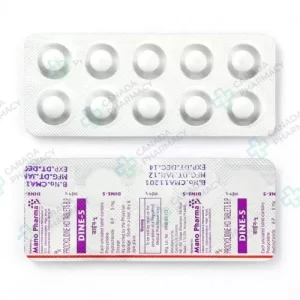
Kemadrin
Price range: $ 41,00 through $ 281,00
Active substance: procyclidine
More Details
This product has multiple variants. The options may be chosen on the product page
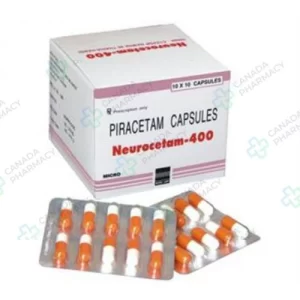
Nootropil
Price range: $ 30,00 through $ 363,00
Active substance: Piracetam
More Details
This product has multiple variants. The options may be chosen on the product page
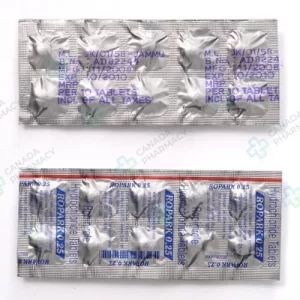
Requip
Price range: $ 50,00 through $ 493,00
Active substance: Ropinirole
More Details
This product has multiple variants. The options may be chosen on the product page

Symmetrel
Price range: $ 47,00 through $ 306,00
Active substance: Amantadine
More Details
This product has multiple variants. The options may be chosen on the product page