

-31%

Folitas
Price range: $ 60,00 through $ 147,00
Ichmune C
Price range: $ 112,00 through $ 1 071,00
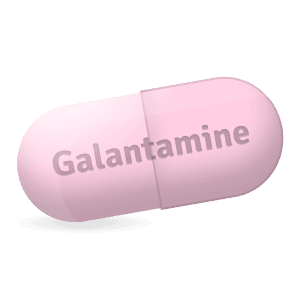
Galantamine
Price range: $ 70,00 through $ 683,00
Galantamine is a potent medication specifically formulated to treat the symptoms of mild to moderate dementia associated with Alzheimer’s disease. This therapeutic agent works by increasing the levels of acetylcholine in the brain, a vital chemical necessary for memory and communication between nerve cells. By supporting cognitive health, it helps individuals maintain their clarity of thought and improves their ability to process information. Regular use of this treatment can assist patients in performing daily tasks more effectively, promoting a higher degree of independence. Designed to manage the progression of cognitive decline, Galantamine offers essential support for enhancing the overall quality of life for those facing memory-related challenges.
Delivery: 5–21 days (depending on the shipping method)
Extra 10% discount with coupon: IT4K6SVM
Each dosage option has its own packaging choices.
Description
Galantamine belongs to a class of medications known as acetylcholinesterase inhibitors. In the United States, it is approved by the Food and Drug Administration (FDA) as a prescription-only treatment for mild to moderate dementia of the Alzheimer’s type.
This agent does not cure Alzheimer’s disease or stop its underlying neurodegenerative progression, but it may help stabilize cognitive function and daily tasks for a period of time. Therapy requires strict adherence to prescribed titration schedules and clinical supervision by a qualified healthcare professional.
Basic Information
| Parameter | Details |
|---|---|
| Active ingredient | Galantamine hydrobromide |
| Pharmacologic class | Acetylcholinesterase inhibitor; central nicotinic receptor modulator |
| Dosage forms | Oral tablets, extended-release capsules, oral solution |
| Route of administration | Oral |
| Prescription status | Prescription only (Rx) |
| Primary purpose | Symptomatic management of mild to moderate Alzheimer’s disease |
Main Uses
Galantamine is primary indicated for the treatment of mild to moderate dementia associated with Alzheimer’s disease. The therapeutic goal is to help maintain memory, functional independence, and cognitive performance for as long as possible during the course of the illness.
Clinical evaluation is required before initiating therapy to confirm the diagnosis of Alzheimer’s dementia. Uses for other conditions–such as vascular dementia, mild cognitive impairment (MCI), or vascular cognitive impairment–are considered off-label and are not approved by the FDA. Prescribers evaluate individual patient profiles, cardiac history, and renal function prior to determining if galantamine is an appropriate clinical intervention.
How the Drug Works
Galantamine exhibits a dual mechanism of action within the central nervous system. First, it acts as a competitive and reversible inhibitor of the enzyme acetylcholinesterase. By inhibiting this enzyme, galantamine slows the degradation of acetylcholine, a neurotransmitter critical for memory, attention, and learning process in brain regions affected by Alzheimer’s pathology.
Second, galantamine functions as an allosteric modulator of nicotinic acetylcholine receptors. By binding to a secondary site on these receptors, it enhances the receptor response to endogenous acetylcholine. This dual action increases cholinergic neurotransmission, helping compensate for the loss of functional cholinergic neurons in the central nervous system.
How It’s Absorbed and Eliminated
Following oral administration, galantamine is rapidly and almost completely absorbed, displaying an absolute oral bioavailability of approximately 90%. Maximum plasma concentrations for immediate-release oral formulations are reached in about 1 hour, whereas extended-release formulations reach peak concentrations over a prolonged period, permitting once-daily dosing.
Metabolism of galantamine occurs primarily in the liver via cytochrome P450 enzymes, specifically CYP2D6 and CYP3A4. Renal clearance accounts for a significant portion of elimination, with approximately 20% of the dose excreted unchanged in the urine. The elimination half-life of galantamine ranges from 7 to 8 hours in healthy adult individuals, though clearance may be reduced in elderly patients or those with impaired liver or kidney function.
Dosing Schedule
Dosing of galantamine must be tailored to the individual and always begins at a low dose to allow the body to adjust to cholinergic stimulation. For immediate-release formulations, treatment usually begins at 4 mg twice daily (total 8 mg/day). Depending on patient response and clinical evaluation, the prescriber may gradually step up the dose after a minimum of four weeks to 8 mg twice daily, and eventually to a maximum maintenance dose of 12 mg twice daily ( total 24 mg/day).
Extended-release capsules follow a once-daily morning schedule, starting at 8 mg once daily for four weeks, with potential escalation to 16 mg once daily and a maximum of 24 mg once daily. For patients with moderate renal or hepatic impairment, lower maintenance doses are required, and use is generally avoided in severe renal or hepatic failure.
What You May Notice Early On
During the initial weeks of galantamine therapy or following a dose increase, patients frequently experience transient gastrointestinal side effects. Mild nausea, decreased appetite, or abdominal discomfort are common during the titration phase while the body adapts to heightened cholinergic levels.
Cognitive improvements or stabilization are usually gradual rather than immediate. Caregivers and healthcare providers generally evaluate performance over several months. Monitoring weight, fluid intake, and digestive comfort during the first month of treatment is recommended to prevent excessive weight loss or dehydration.
Adverse Reactions
Adverse events associated with galantamine stem predominantly from its cholinomimetic properties. Gastrointestinal adverse effects are the most frequently reported and include nausea, vomiting, diarrhea, anorexia, weight loss, and abdominal discomfort. These symptoms are generally mild to moderate and often subside over time.
Central nervous system side effects can include dizziness, headache, fatigue, insomnia, and somnolence. More serious, though less frequent, adverse reactions involve the cardiovascular system. Galantamine can induce vagotonic effects, leading to bradycardia, syncope, and heart block. Gastrointestinal ulceration and bleeding have also been reported, particularly in patients with a prior history of peptic ulcers or those concurrently taking nonsteroidal anti-inflammatory drugs (NSAIDs).
Compatibility with Other Medicines
Galantamine has the potential to interact with several classes of medications due to its pharmacodynamic and pharmacokinetic properties:
- Anticholinergic Agents: Drugs with anticholinergic activity (such as diphenhydramine, oxybutynin, or trihexyphenidyl) can directly oppose the therapeutic action of galantamine, reducing its clinical effectiveness.
- Cholinomimetics and Cholinesterase Inhibitors: Concomitant use with other cholinesterase inhibitors or systemic bethanechol may produce additive cholinergic effects, increasing the severity of side effects.
- CYP2D6 and CYP3A4 Inhibitors: Potent inhibitors of these hepatic enzymes (such as paroxetine, fluoxetine, ketoconazole, or erythromycin) can increase galantamine plasma concentrations and bioavailability, elevating the risk of adverse events.
- Cardiac Medications: Combining galantamine with digoxin, beta-blockers, or other AV-node blocking agents increases the risk of severe bradycardia and conduction abnormalities.
- Neuromuscular Blockers: Galantamine may exaggerate succinylcholine-type muscle relaxation during anesthesia.
Important Precautions
Careful clinical evaluation is required before starting galantamine in patients with underlying cardiac diseases. Due to its vagotonic actions, the drug can cause bradycardia, syncope, or sinoatrial/atrioventricular heart block, which poses risks for individuals with sick sinus syndrome or other cardiac conduction abnormalities.
Patients with a history of peptic ulcer disease or those receiving concomitant NSAIDs should be monitored for signs of active or occult gastrointestinal bleeding. Additionally, galantamine should be used with caution in patients with respiratory conditions such as asthma or chronic obstructive pulmonary disease (COPD), as cholinomimetics may induce bronchoconstriction. Galantamine is contraindicated in patients with severe hepatic impairment or severe renal impairment (creatinine clearance less than 9 mL/min).
Food and Alcohol Interactions
Galantamine should preferably be taken with meals. Administering the medication alongside breakfast and dinner (for immediate-release formulations) or with morning breakfast (for extended-release formulations) slows gastric emptying and helps minimize common gastrointestinal side effects like nausea.
Alcohol consumption should be limited or avoided while taking galantamine. Alcohol exerts central nervous system depressant effects that can worsen dizziness, impair cognitive performance, and counteract the therapeutic intentions of Alzheimer’s treatment.
If You Skip a Dose
If a single dose of galantamine is missed, it should be taken as soon as remembered with food, provided it is not close to the time for the next scheduled dose. If it is nearly time for the next dose, skip the missed dose and resume the regular dosing schedule. Double doses should never be taken to compensate for a missed administration.
If treatment is interrupted for several consecutive days or longer, therapy should not be restarted at the previous maintenance dose. Re-initiating at full dose after an extended interruption significantly increases the risk of severe nausea, vomiting, and cardiac events. Patients or caregivers must contact the prescribing provider to re-titrate the dose starting from the lowest initial level.
Storage and Expiration
Galantamine tablets, extended-release capsules, and oral solutions should be stored at controlled room temperature, ideally between 20°C and 25°C (68°F to 77°F), with excursions permitted between 15°C and 30°C (59°F to 86°F). Keep the medication in its original packaging, tightly closed, and protected from light and excessive moisture.
Do not store the drug in humid environments such as bathroom cabinets. Keep out of reach of children and domestic animals. Discard any medication that has passed its printed expiration date in accordance with local pharmaceutical disposal guidelines.
Common Questions
What should be done if galantamine treatment is paused for more than a few days?
If galantamine therapy is stopped for several days or longer, you must contact your prescriber before restarting. Resuming treatment at a high maintenance dose after a pause can cause severe gastrointestinal distress or cardiac complications. The provider will typically instruct restarting at the lowest initial dose and slowly re-titrating upward.
Can galantamine reverse or cure Alzheimer’s disease?
No, galantamine is not a cure for Alzheimer’s disease and does not arrest underlying neurodegeneration. It is a symptomatic treatment designed to support cognitive function, memory, and daily functioning by optimizing remaining acetylcholine activity in the brain.
Is it safe to take over-the-counter sleep aids while taking galantamine?
Many over-the-counter sleep aids contain sedating antihistamines, such as diphenhydramine, which possess strong anticholinergic properties. These medications can directly counteract the clinical effects of galantamine and worsen cognitive confusion. Always consult a pharmacist or doctor before taking OTC sleep aids.
How does food intake impact galantamine administration?
Taking galantamine with food helps slow drug absorption and significantly reduces the frequency and severity of gastrointestinal side effects, such as nausea and abdominal pain. It is strongly recommended to take each dose during or immediately after meals.
Are dosage adjustments necessary for people with liver or kidney impairment?
Yes, galantamine clearance depends on hepatic metabolism and renal excretion. Patients with moderate liver or kidney impairment require lower daily doses to avoid drug accumulation. Galantamine is generally not recommended for individuals with severe hepatic or renal failure.
In accordance with FDA requirements.
This text is for informational purposes only and does not constitute individual medical advice.
Additional information
| Dosage |
4 mg ,8 mg |
|---|---|
| Package |
30 pills ,60 pills ,90 pills ,120 pills ,180 pills |
| Active Ingredient |
Galantamine |
Related products
Azilect
Price range: $ 17,00 through $ 46,00
Active substance: Rasagiline
More Details
This product has multiple variants. The options may be chosen on the product page
Compazine
Price range: $ 40,00 through $ 118,00
Active substance: Prochlorperazine
More Details
This product has multiple variants. The options may be chosen on the product page
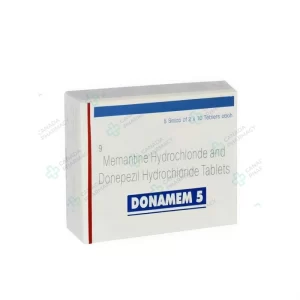
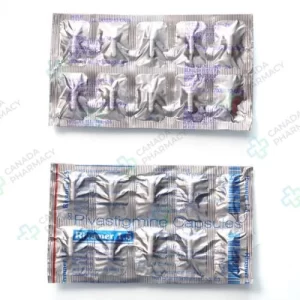
Exelon
Price range: $ 19,00 through $ 299,00
Active substance: Rivastigmine
More Details
This product has multiple variants. The options may be chosen on the product page
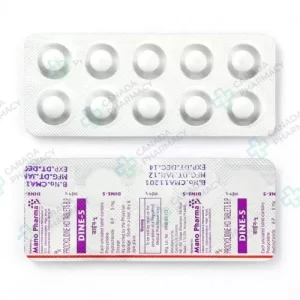
Kemadrin
Price range: $ 41,00 through $ 281,00
Active substance: procyclidine
More Details
This product has multiple variants. The options may be chosen on the product page
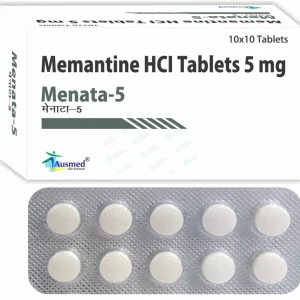
Memantine
Price range: $ 43,00 through $ 359,00
Active substance: Memantine hydrochloride
More Details
This product has multiple variants. The options may be chosen on the product page
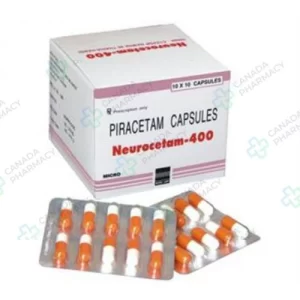
Nootropil
Price range: $ 30,00 through $ 363,00
Active substance: Piracetam
More Details
This product has multiple variants. The options may be chosen on the product page
Requip
Price range: $ 50,00 through $ 493,00
Active substance: Ropinirole
More Details
This product has multiple variants. The options may be chosen on the product page