

-48%

Renalka
Price range: $ 51,00 through $ 89,00

Retin A 0,025
Price range: $ 49,00 through $ 230,00
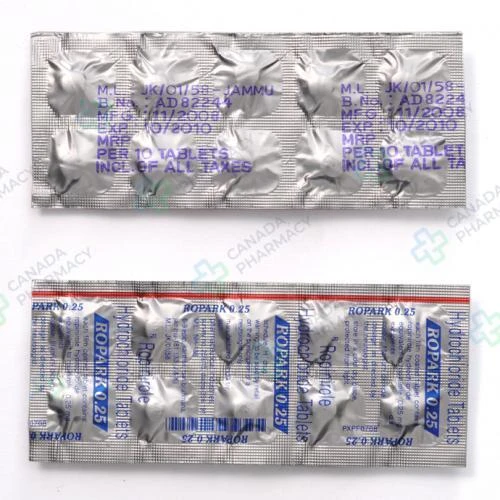
Requip
Price range: $ 50,00 through $ 493,00
Requip is an effective medication primarily used to manage the symptoms of Parkinson’s disease and moderate-to-severe Restless Legs Syndrome (RLS). As a dopamine agonist, it works by stimulating dopamine receptors in the brain to help improve motor control and physical coordination. For those managing Parkinson’s, this treatment helps reduce tremors, stiffness, and slowed movement, allowing for more fluid daily activity. Patients suffering from RLS often find significant relief from the uncomfortable sensations in the legs that can disrupt restful sleep. By effectively balancing chemical activity in the nervous system, Requip supports an enhanced quality of life and greater physical ease.
Active substance: Ropinirole
Delivery: 5–21 days (depending on the shipping method)
Extra 10% discount with coupon: IT4K6SVM
Each dosage option has its own packaging choices.
Description
Requip belongs to a class of non-ergoline dopamine agonists prescribed for specific neurological conditions. It is an FDA-approved prescription medication containing ropinirole hydrochloride as its active pharmaceutical ingredient.
This agent is primarily indicated for managing the signs and symptoms of idiopathic Parkinson’s disease and moderate-to-severe primary Restless Legs Syndrome (RLS). Because it acts directly on central nervous system dopamine receptors, treatment requires tailored dosing, careful clinical supervision, and gradual titration.
| Attribute | Details |
|---|---|
| Active ingredient (INN) | Ropinirole hydrochloride |
| Therapeutic class | Dopamine agonist (non-ergoline) |
| Route of administration | Oral |
| Primary purpose | Treatment of Parkinson’s disease and Restless Legs Syndrome |
| Prescription status | Prescription only (Rx) |
| Storage | Store at 20°C to 25°C (68°F to 77°F); excursions permitted to 15°C–30°C (59°F–86°F) |
Clinical Overview and Indications
Main uses and pharmacology
Main uses: Requip is approved by the U.S. Food and Drug Administration for two distinct therapeutic indications. First, it is indicated for the treatment of the signs and symptoms of idiopathic Parkinson’s disease. In early disease stages, it may be prescribed as initial monotherapy to manage motor deficits and delay the introduction of levodopa. In advanced stages, it is utilized as an adjunct to levodopa to reduce off-time fluctuations. Second, Requip is indicated for the management of moderate-to-severe primary Restless Legs Syndrome (RLS), helping diminish the uncontrollable urge to move the legs during periods of rest.
How the drug works: Requip exerts its therapeutic effect by acting as a non-ergoline dopamine agonist with high selectivity for central dopamine receptors. Specifically, ropinirole displays high in vitro binding affinity for the D2 and D3 dopamine receptor subtypes located in the caudate-putamen region of the brain. In Parkinson’s disease, loss of dopaminergic neurons in the substantia nigra causes a striatal dopamine deficiency; Requip directly stimulates post-synaptic dopamine receptors to help normalize motor control signaling. In Restless Legs Syndrome, precise mechanisms remain partially uncharacterized, but stimulation of central dopaminergic pathways is understood to reduce sensorimotor restlessness.
What happens in the body: Following oral administration, ropinirole is rapidly absorbed from the gastrointestinal tract, achieving peak plasma concentrations (Cmax) within 1 to 2 hours. The absolute bioavailability of the compound is approximately 50% due to first-pass hepatic metabolism. Ropinirole is extensively distributed throughout body tissues, demonstrating a steady-state volume of distribution of approximately 7.5 L/kg. Metabolism occurs predominantly in the liver, where the cytochrome P450 1A2 (CYP1A2) enzyme converts the drug into inactive metabolites. The elimination half-life of ropinirole is approximately 6 hours, with less than 10% of the unchanged compound cleared renally.
Administration, Precautions, and Safety
Dosing schedule and daily use
Dosing schedule: Individualized dose titration is necessary to optimize clinical response while minimizing adverse reactions such as nausea and orthostatic hypotension. For Parkinson’s disease, treatment typically initiates at a low dosage of 0.25 mg three times daily and is escalated weekly under medical supervision. For Restless Legs Syndrome, administration is generally scheduled once daily, taken 1 to 3 hours before bedtime, starting at 0.25 mg and titrated gradually. Dosage adjustments must always follow a physician’s explicit direction, and therapy should not be discontinued abruptly.
First days of treatment: During the initial titration phase, patients frequently experience transient physiological adjustments as central dopamine pathways adapt to the medication. Nausea, mild dizziness upon standing, and mild somnolence are relatively common during the first few weeks. Taking doses with food can lessen gastrointestinal discomfort. Full therapeutic benefits for motor function or sensory leg discomfort typically become evident over several weeks of regulated dose titration rather than immediately after the first dose.
If you skip a dose: If a dose of Requip is missed, it should be taken as soon as remembered, unless the time is close to the next scheduled administration. If it is nearly time for the subsequent dose, the missed dose should be skipped, and the standard schedule resumed. Patients must not double the dose to make up for a missed administration. If treatment is interrupted for several consecutive days, restarting treatment may require re-titration under the direction of a healthcare professional.
Practical tips: Patients taking Requip should transition slowly when moving from a lying or sitting position to a standing stance to reduce the risk of orthostatic dizziness. Maintaining a symptom log to track therapeutic progress, daytime sleepiness, or behavioral alterations provides valuable data for ongoing medical consultations. Patients should exercise caution regarding activities requiring high mental alertness, such as driving, until their individual response to the medication is thoroughly established.
Adverse reactions and precautions
Adverse reactions: Clinical trials and post-marketing surveillance document several potential adverse events associated with Requip. Frequently observed effects include nausea, somnolence, dizziness, fatigue, peripheral edema, and viral infections. Of notable clinical concern is the potential for sudden onset of sleep during daily tasks–sometimes occurring without preceding premonitory signs of drowsiness. Patients may also experience orthostatic hypotension, characterized by sudden drops in blood pressure upon standing. Additionally, dopamine agonist therapy carries a risk of impulse control disorders, manifesting as intense, uncontrollable urges such as compulsive gambling, binge eating, hypersexuality, or compulsive spending. Hallucinations and confusion may also develop, particularly in elderly individuals treated for Parkinson’s disease.
Compatibility with other medicines: Ropinirole relies heavily on the CYP1A2 hepatic metabolic pathway, making it susceptible to significant pharmacokinetic drug interactions. Co-administration with strong CYP1A2 inhibitors (such as ciprofloxacin, fluvoxamine, or norfloxacin) increases plasma levels of ropinirole, requiring dose reduction. Conversely, CYP1A2 inducers (including tobacco smoke and omeprazole) can decrease ropinirole plasma concentrations. Dopamine antagonists, such as neuroleptics (e.g., haloperidol, risperidone) or metoclopramide, may antagonize the therapeutic effects of Requip and should generally be avoided. Central nervous system depressants may potentiate sedative effects when co-administered.
What to avoid while taking it: Although Requip can be taken with or without food, taking it alongside meals helps mitigate nausea. High-fat meals may moderately delay absorption time. Patients must strictly avoid alcohol consumption while taking Requip, as alcohol can amplify central nervous system depression, somnolence, and orthostatic dizziness. Tobacco usage should be disclosed to the prescribing provider, as changes in smoking habits can alter CYP1A2 enzyme activity and ropinirole clearance.
Important precautions: Prescribing Requip requires careful clinical assessment in specific patient populations. Patients with severe hepatic impairment require cautious management due to reduced drug clearance. In renal impairment, dose adjustments are specifically necessary for patients with end-stage renal disease undergoing hemodialysis, whereas mild-to-moderate renal impairment generally requires no adjustment. Under FDA pregnancy guidance, Requip should be used during pregnancy only if the potential benefit outweighs the potential risk to the fetus. Nursing mothers should note that ropinirole may suppress lactation by inhibiting prolactin secretion. Elderly patients present an increased susceptibility to orthostatic hypotension and central nervous system effects, such as hallucinations.
Common questions
Can Requip cause sudden daytime sleepiness?
Yes, somnolence and sudden sleep onset during routine daily activities, including operating motor vehicles, have been reported in patients taking Requip. Patients should report any unexpected sleepiness or fatigue to their healthcare provider promptly and avoid driving or operating hazardous machinery if daytime drowsiness occurs.
Is it safe to stop taking Requip abruptly?
No, abrupt discontinuation of Requip is not recommended. Sudden cessation of dopamine agonists can trigger a symptom complex resembling neuroleptic malignant syndrome or a dopamine agonist withdrawal syndrome (DAWS), characterized by fever, muscle rigidity, autonomic instability, anxiety, and depression. Tapering must always be managed gradually under medical direction.
How is Requip administered for Restless Legs Syndrome compared to Parkinson’s disease?
For Restless Legs Syndrome, Requip is typically administered once daily in the evening, approximately 1 to 3 hours before bedtime. In contrast, for Parkinson’s disease, the standard formulation is typically divided into three daily doses. Dosing regimens differ significantly between these indications and must strictly follow the prescribed instructions.
What are impulse control disorders associated with Requip?
Impulse control disorders refer to compulsive behaviors driven by abnormal central dopamine stimulation. Patients taking dopamine agonists may experience powerful, irresistible urges to gamble, spend money compulsively, binge eat, or engage in hypersexual behaviors. Patients and caregivers should monitor for these behavioral shifts and report them to the prescriber immediately.
Do antibiotics interact with Requip?
Certain fluoroquinolone antibiotics, such as ciprofloxacin and norfloxacin, act as potent inhibitors of the CYP1A2 enzyme. Co-administering these antibiotics can elevate ropinirole concentration in the bloodstream, increasing the risk of side effects. Patients should inform their doctor of all current medications before starting antibiotic therapy.
In accordance with FDA requirements.
This text is for informational purposes only and does not constitute individual medical advice.
Additional information
| Dosage |
0.25mg ,0.5mg ,1mg ,2mg |
|---|---|
| Package |
30 pills ,60 pills ,90 pills ,120 pills ,180 pills ,270 pills ,360 pills |
| Ενεργός Ουσία |
Related products
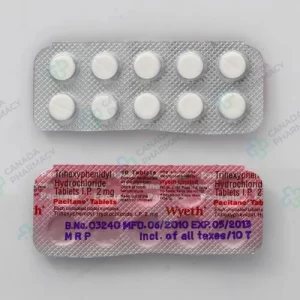
Artane
Price range: $ 48,00 through $ 115,00
Active substance: Trihexyphenidyl
More Details
This product has multiple variants. The options may be chosen on the product page
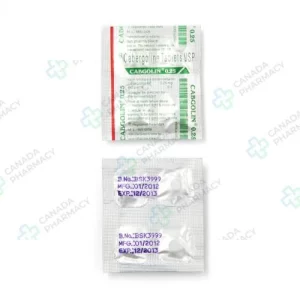
Dostinex
Price range: $ 114,00 through $ 362,00
Active substance: Cabergoline
More Details
This product has multiple variants. The options may be chosen on the product page
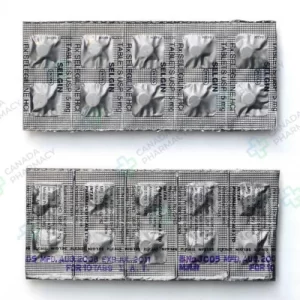
Eldepryl
Price range: $ 31,00 through $ 242,00
Active substance: Selegiline
More Details
This product has multiple variants. The options may be chosen on the product page

Exelon
Price range: $ 19,00 through $ 299,00
Active substance: Rivastigmine
More Details
This product has multiple variants. The options may be chosen on the product page

Kemadrin
Price range: $ 41,00 through $ 281,00
Active substance: procyclidine
More Details
This product has multiple variants. The options may be chosen on the product page

Memantine
Price range: $ 43,00 through $ 359,00
Active substance: Memantine hydrochloride
More Details
This product has multiple variants. The options may be chosen on the product page
Namenda
Price range: $ 42,00 through $ 174,00
More Details
This product has multiple variants. The options may be chosen on the product page

Symmetrel
Price range: $ 47,00 through $ 306,00
Active substance: Amantadine
More Details
This product has multiple variants. The options may be chosen on the product page