

-51%
Mirapex
Price range: $ 30,00 through $ 440,00

Neurobion Forte RF Injection
Price range: $ 19,00 through $ 21,00
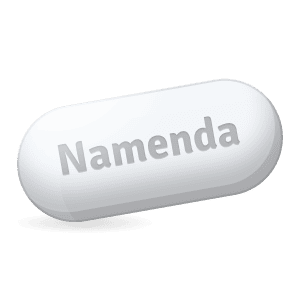
Namenda
Price range: $ 42,00 through $ 174,00
Namenda is a trusted medication specifically formulated to manage symptoms of moderate to severe Alzheimer’s disease. It works by regulating the activity of glutamate, a vital chemical messenger in the brain involved in learning and memory. By normalizing these levels, the treatment helps improve cognitive function and clarity for individuals living with progressive dementia. Patients may experience an enhanced ability to perform everyday tasks and maintain better communication with their families. This medication is designed to support a higher quality of life by slowing the clinical progression of memory-related symptoms.
Delivery: 5–21 days (depending on the shipping method)
Extra 10% discount with coupon: IT4K6SVM
Each dosage option has its own packaging choices.
Description
Namenda belongs to a class of medications known as N-methyl-D-aspartate (NMDA) receptor antagonists. It is an FDA-approved prescription drug indicated for the treatment of moderate to severe dementia of the Alzheimer’s type.
By modulating the physiological activity of glutamate in the central nervous system, Namenda helps regulate neurotransmission involved in cognitive processing. Clinical administration of this prescription medication requires formal evaluation and periodic ongoing oversight by a qualified healthcare professional.
Basic Overview
| Parameter | Details |
|---|---|
| Active ingredient (INN) | Memantine hydrochloride |
| Therapeutic class | NMDA receptor antagonist (AHFS 28:92) |
| Dosage form | Oral tablet, oral solution, extended-release capsule |
| Primary purpose | Treatment of moderate to severe Alzheimer’s dementia |
| Prescription status | Prescription (Rx) only |
| Route of administration | Oral |
Clinical Details and Patient Guidelines
How the drug works
Namenda (memantine hydrochloride) exerts its therapeutic action through uncompetitive, low-to-moderate affinity antagonism of N-methyl-D-aspartate (NMDA) receptors. Persistent activation of central nervous system NMDA receptors by the excitatory neurotransmitter glutamate is hypothesized to contribute to the symptomatology and progressive neurodegeneration observed in Alzheimer’s disease. Memantine preferentially binds to open NMDA receptor-operated cation channels, blocking the pathological tonic influx of calcium ions while allowing physiological signal transmission necessary for normal neuronal function. This targeted blockade helps preserve signal-to-noise detection without completely obstructing physiological receptor activation required for cognitive processes.
Main uses
Namenda is explicitly indicated under FDA approval for the management of moderate to severe dementia of the Alzheimer’s type. Clinical trials have demonstrated its efficacy in preserving functional capabilities and cognitive performance in advanced stages of Alzheimer’s dementia, either as monotherapy or combined with acetylcholinesterase inhibitors. Prescribing Namenda for mild dementia of the Alzheimer’s type or non-Alzheimer dementias (such as vascular dementia or dementia with Lewy bodies) represents off-label use. Off-label indications have not established efficacy or safety profiles confirmed by FDA regulatory approval and must be evaluated strictly on an individual patient basis by a physician.
Dosing schedule
The dosing regimen for Namenda must be individualized and titrated gradually to minimize potential adverse effects. For immediate-release tablets, the recommended starting dosage is 5 mg administered orally once daily. Dosing is typically increased in weekly increments of 5 mg per day (administered as 5 mg twice daily in week two, 10 mg in the morning and 5 mg in the evening in week three, up to the target maintenance dose of 10 mg twice daily, totaling 20 mg per day). For patients presenting with severe renal impairment (creatinine clearance between 5 and 29 mL/min), the target dosage is reduced to 5 mg twice daily for immediate-release formulations. Administering doses consistently with or without food maintains predictable blood concentrations.
How it’s absorbed and eliminated
Memantine hydrochloride exhibits complete gastrointestinal absorption following oral administration, achieving peak plasma concentration within 3 to 7 hours for immediate-release forms. The oral bioavailability approaches 100%. Plasma protein binding is approximately 45%, resulting in broad tissue distribution across the central nervous system. Memantine undergoes minimal hepatic metabolism; approximately 74% to 82% of a single oral dose is eliminated unchanged via renal excretion. The terminal elimination half-life ranges from 60 to 80 hours. Renal clearance involves active tubular secretion moderated by basolateral organic cation transporters, and clearance rates decrease significantly under alkaline urinary conditions.
Compatibility with other medicines
Combining Namenda with other NMDA receptor antagonists–such as amantadine, ketamine, or dextromethorphan–is generally not recommended due to increased risks of central nervous system adverse effects, including confusion and hallucination. Drugs that elevate urinary pH (such as carbonic anhydrase inhibitors or sodium bicarbonate) reduce the renal clearance of memantine, leading to elevated plasma levels and potential toxicity. Co-administration with acetylcholinesterase inhibitors does not alter the pharmacokinetics of either drug, allowing combined therapy when clinically indicated. Always inform your clinician of all concurrent prescription, OTC, and dietary supplements.
What side effects may occur
Adverse reactions associated with Namenda treatment are generally mild to moderate in severity. Clinical trial data show that the most frequently reported side effects include dizziness, headache, confusion, and constipation. Less common adverse effects comprise hypertension, somnolence, coughing, fatigue, and vomiting. Hallucinations or extreme agitation occur infrequently. Because central nervous system side effects like somnolence or dizziness can impair cognitive and physical performance, patient monitoring during initial titration is strongly advised. Any severe, persistent, or worsening symptoms must be promptly reported to the managing prescriber for evaluation.
Important precautions
Careful clinical evaluation is warranted prior to initiating Namenda in specific clinical scenarios. Patients with conditions that alter urinary pH toward an alkaline state–such as severe urinary tract infections or renal tubular acidosis–require close monitoring because reduced drug elimination raises systemic exposure. Caution is advised in patients with a history of seizure disorders, as memantine has not been systematically evaluated in individuals with epilepsy. Individuals presenting with moderate to severe renal dysfunction require appropriate dose reductions to avoid accumulation. Healthcare providers should review cardiac and neurological history prior to prescribing.
If you skip a dose
If a single dose of Namenda is missed, take the next dose at the regularly scheduled time. Do not double the dose or take extra medication to compensate for a missed administration. If treatment is interrupted for more than several consecutive days, dosing should not be restarted at the target maintenance level; instead, the titration schedule must be restarted under the explicit guidance of the healthcare provider to ensure safe readaptation.
Special populations
In elderly patients, clinical trial outcomes demonstrate safety profiles consistent with younger cohorts, though age-related declines in renal function necessitate monitoring. Namenda is categorized as FDA Pregnancy Category B; adequate and well-controlled studies in pregnant women are lacking, so it should be prescribed during pregnancy only if clearly required. It remains unknown whether memantine is excreted in human breast milk, warranting caution during lactation. Safety and effectiveness in pediatric populations have not been established.
Storage and expiration
Namenda tablets and oral solutions should be stored at controlled room temperature between 20°C and 25°C (68°F to 77°F), with permitted excursions between 15°C and 30°C (59°F to 86°F). Keep the medication stored in its original container, tightly closed, away from excessive moisture, heat, and direct light. Properly dispose of any expired or unused medication following local disposal guidelines, keeping all forms out of reach of children and domestic animals.
Common Questions
Can Namenda cure Alzheimer’s disease or reverse memory loss?
Namenda does not cure Alzheimer’s disease or halt the underlying neurodegenerative process. It functions to manage symptoms by regulating glutamate signaling in the brain, which can help slow the rate of cognitive decline and maintain functional abilities in moderate to severe stages of dementia.
What happens if urine pH becomes significantly alkaline during treatment?
An elevation in urinary pH decreases the renal excretion of memantine, leading to higher accumulation of the drug in the bloodstream. This increased concentration can raise the likelihood of side effects such as confusion, dizziness, or hallucinations. Patients undergoing drastic dietary shifts or starting urinary alkalinizers should inform their physician.
How long does it take for Namenda to reach steady-state concentration in the body?
Due to its terminal elimination half-life of 60 to 80 hours, memantine achieves steady-state plasma concentrations in approximately 11 to 21 days of consistent daily administration. This pharmacokinetic profile underlines the necessity of weekly dose titration increments.
Is it safe to drive or operate machinery while taking Namenda?
Namenda may cause adverse central nervous system effects such as dizziness, somnolence, and altered spatial orientation. Because Alzheimer’s dementia itself impairs complex cognitive tasks, driving or operating heavy machinery should be evaluated carefully by a physician before a patient attempts these activities during therapy.
What should be done if treatment with Namenda is stopped for more than a few days?
If therapy is suspended for a week or longer, resuming full maintenance doses immediately can increase the risk of acute central nervous system side effects. The managing provider should be contacted to determine whether a re-titration schedule starting from 5 mg daily is necessary.
In accordance with FDA requirements.
This text is for informational purposes only and does not constitute individual medical advice.
Additional information
| Dosage |
5 mg ,10 mg |
|---|---|
| Package |
30 pills ,60 pills ,90 pills ,180 pills |
| Active Ingredient |
Memantine |
Related products

Arcalion
Price range: $ 25,00 through $ 50,00
Active substance: Sulbutiamine
More Details
This product has multiple variants. The options may be chosen on the product page
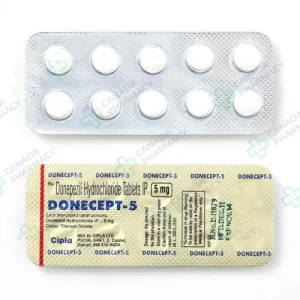
Aricept
Price range: $ 54,00 through $ 264,00
Active substance: Donepezil
More Details
This product has multiple variants. The options may be chosen on the product page
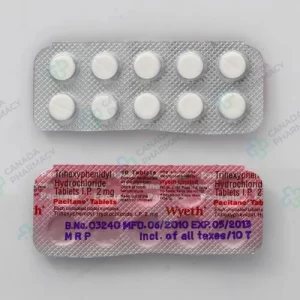
Artane
Price range: $ 48,00 through $ 115,00
Active substance: Trihexyphenidyl
More Details
This product has multiple variants. The options may be chosen on the product page
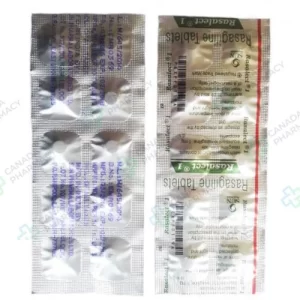
Azilect
Price range: $ 17,00 through $ 46,00
Active substance: Rasagiline
More Details
This product has multiple variants. The options may be chosen on the product page
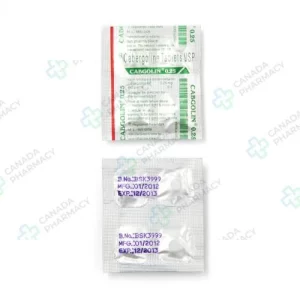
Dostinex
Price range: $ 114,00 through $ 362,00
Active substance: Cabergoline
More Details
This product has multiple variants. The options may be chosen on the product page
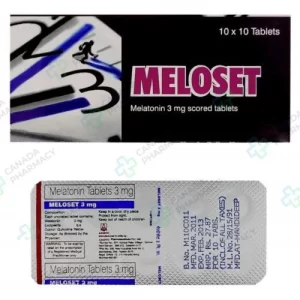
Melatonin
Anti-Inflammatories, AntiConvulsants, AntiParasitics, Cancer, Dementias, HIV, Migraine, Osteoporosis, Respiratory Tract
Price range: $ 46,00 through $ 201,00
Active substance: Melatonin
More Details
This product has multiple variants. The options may be chosen on the product page

Pim-800
Price range: $ 43,00 through $ 274,00
Active substance: Paracetamol
More Details
This product has multiple variants. The options may be chosen on the product page
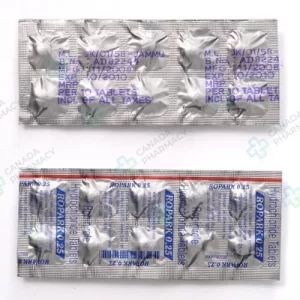
Requip
Price range: $ 50,00 through $ 493,00
Active substance: Ropinirole
More Details
This product has multiple variants. The options may be chosen on the product page