

-10%
Ditropan
Price range: $ 23,00 through $ 262,00
Doxazosin
Price range: $ 42,00 through $ 332,00
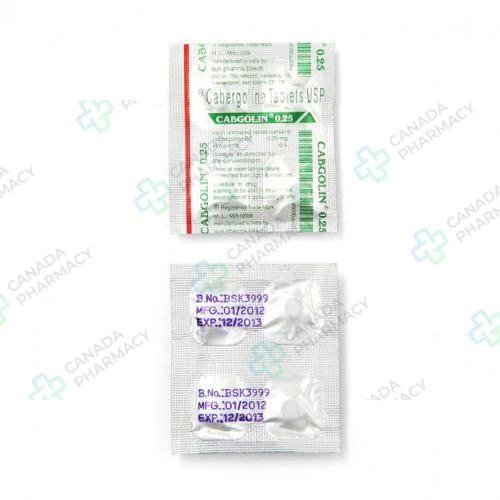
Dostinex
Price range: $ 114,00 through $ 362,00
Dostinex is a specialized medication primarily used to treat hyperprolactinemia, a condition involving abnormally high levels of the hormone prolactin in the blood. It works as a dopamine receptor agonist to effectively inhibit the secretion of prolactin from the pituitary gland. This medication is highly effective for managing hormonal imbalances caused by idiopathic disorders or prolactin-secreting pituitary adenomas. By reducing excess prolactin, it helps restore normal hormonal function and addresses symptoms such as irregular menstrual cycles and unwanted milk production. Dostinex provides a reliable therapeutic approach for patients seeking to stabilize their hormonal health and improve their overall quality of life.
Active substance: Cabergoline
Delivery: 5–21 days (depending on the shipping method)
Extra 10% discount with coupon: IT4K6SVM
Each dosage option has its own packaging choices.
Description
Dostinex belongs to a group of medicines called dopamine receptor agonists. It is an FDA-approved prescription medication prescribed primarily for the management of hyperprolactinemic disorders, whether idiopathic or resulting from pituitary adenomas.
As a potent and long-acting agent, Dostinex requires careful dosage titration and regular medical supervision under the care of a licensed healthcare provider. Patients taking this drug should adhere strictly to prescribed administration schedules and ongoing laboratory evaluations.
| Parameter | Details |
|---|---|
| Active ingredient (INN) | Cabergoline |
| Prescription status | Prescription (Rx only) |
| Dosage form | Oral tablet (0.5 mg) |
| Route of administration | Oral |
| Primary purpose | Treatment of hyperprolactinemic disorders |
| Storage | Controlled room temperature 20°C to 25°C (68°F to 77°F) |
Core Clinical Overview of Dostinex
Main uses
Dostinex is indicated for the treatment of hyperprolactinemic disorders, which may present as amenorrhea, oligomenorrhea, anovulation, or galactorrhea in adults. These conditions are typically caused by idiopathic hyperprolactinemia or prolactin-secreting pituitary microadenomas and macroadenomas. By lowering serum prolactin concentration, the medication aids in restoring normal gonadal function and suppressing inappropriate lactation. Any application outside these FDA-approved indications–such as the off-label management of physiological lactation suppression, endocrine disorders unrelated to prolactin elevation, or Parkinsonian symptoms–must be carefully evaluated by a specialist, as dosing and risk profiles differ substantially from standard protocols.
How the drug works
The therapeutic activity of Dostinex is mediated through its direct synthetic agonist action on dopamine D2 receptors located on anterior pituitary lactotroph cells. In vitro and in vivo clinical studies demonstrate that cabergoline binds with high affinity to D2 receptors while exerting minimal affinity for D1 dopamine, alpha-1 adrenergic, or alpha-2 adrenergic receptors. By stimulating pituitary D2 receptors, cabergoline suppresses the synthesis and release of prolactin into the bloodstream. This inhibition is dose-dependent and sustained over prolonged periods due to the persistent binding of the active compound to dopamine receptors in the pituitary gland.
What happens in the body
Following oral administration, cabergoline is rapidly absorbed from the gastrointestinal tract, reaching peak plasma concentration within 0.5 to 4 hours. Food intake does not significantly alter the absorption rate or overall bioavailability of the drug. Cabergoline is extensively metabolized in the liver, predominantly via hydrolysis of the acylurea bond, rather than relying heavily on the cytochrome P450 enzyme system. The elimination half-life of cabergoline in human subjects is prolonged, ranging from 63 to 69 hours based on urinary excretion measurements. Consequently, steady-state plasma levels are achieved after approximately 4 weeks of consistent dosing, enabling twice-weekly administration schedules.
Dosing schedule
The initial recommended dosage of Dostinex is 0.25 mg administered orally twice per week. Depending on patient response and serum prolactin level reduction, the dose may be increased by 0.25 mg twice weekly at intervals of no less than 4 weeks. The maximum recommended dosage for hyperprolactinemic disorders is 1 mg twice per week. Dosage adjustments should always be managed by a qualified healthcare professional based on regular blood tests monitoring serum prolactin concentration. Once normal serum prolactin levels are maintained for 6 months, discontinuation of therapy may be considered under strict monitoring to assess potential recurrence of hyperprolactinemia.
If you skip a dose
If a scheduled dose of Dostinex is missed, it should be taken as soon as remembered, provided it is not close to the time of the next scheduled administration. If the next dose is due within a short window, skip the missed dose and resume the regular twice-weekly dosing schedule. Patients should never double the dose or take extra tablets to compensate for a missed administration, as this significantly increases the risk of orthostatic hypotension and gastrointestinal side effects. Consistent timing helps maintain stable blood concentrations over time.
Safety, Interactions, and Practical Use
Compatibility with other medicines
Dostinex should not be administered concurrently with dopamine D2 receptor antagonists, such as phenothiazines, butyrophenones, thioxanthenes, or metoclopramide, because these pharmacological agents directly antagonize the therapeutic effects of cabergoline. Concomitant administration with antihypertensive medications may potentiate hypotensive responses, requiring close blood pressure monitoring. Caution is also advised when combining Dostinex with ergot alkaloids or macrolide antibiotics like erythromycin, which may increase systemic cabergoline exposure and risk of adverse effects. Patients must inform their prescriber of all prescription, over-the-counter, and herbal products currently being utilized.
What to avoid while taking it
While food does not alter cabergoline bioavailability, taking Dostinex with meals may help reduce common gastrointestinal side effects such as nausea and abdominal discomfort. Consumption of alcoholic beverages should be minimized or avoided, as alcohol can enhance central nervous system depression, increase dizziness, and exacerbate orthostatic blood pressure drops. Patients operating heavy machinery or driving vehicles must exercise caution until their individual reaction to the medication is fully established, particularly during initial dose titration phases.
Adverse reactions
Clinical trials indicate that the most common adverse reactions associated with Dostinex include nausea, headache, dizziness, vertigo, abdominal pain, fatigue, and constipation. These reactions are usually mild to moderate in severity and often diminish with continued therapy or temporary dose reduction. Less frequently, patients may experience orthostatic hypotension, somnolence, depression, or impulse control disorders such as compulsive gambling or hypersexuality. Long-term treatment with elevated doses of dopamine agonists has been associated with cardiac valvulopathy and fibrotic reactions; therefore, baseline and periodic echocardiographic assessments are recommended for high-dose or prolonged therapy.
Important precautions
Dostinex is contraindicated in patients with uncontrolled hypertension, known hypersensitivity to ergot derivatives, or a history of cardiac valvular or retroperitoneal fibrotic disorders. Pre-existing cardiac valvulopathy must be ruled out via echocardiography prior to initiating therapy. Healthcare providers must monitor for signs of fibrotic events, including pleural effusion, pericardial effusion, and retroperitoneal fibrosis. Furthermore, patients with severe hepatic impairment require conservative dosing due to decreased clearance of cabergoline. Blood pressure monitoring is mandatory during early treatment phases to prevent symptomatic orthostatic hypotension.
Special populations
Safety and effectiveness of Dostinex in pediatric patients have not been established. In pregnant women, cabergoline should be used only if clearly needed and under medical supervision; serum prolactin levels should be monitored closely as pituitary tumors may expand during pregnancy. Because Dostinex suppresses prolactin secretion and lactation, it should not be administered to mothers who intend to breastfeed. Geriatric patients generally start at the low end of the dosing range, considering the higher frequency of decreased hepatic, renal, or cardiac function in older adults.
Storage and expiration
Dostinex tablets should be stored at controlled room temperature between 20°C and 25°C (68°F to 77°F), with excursions permitted between 15°C and 30°C (59°F to 86°F) in accordance with USP standards. Keep the original amber glass bottle tightly closed to protect the medication from moisture and light. Do not remove the desiccant packet from the bottle. Keep out of reach of children and safely discard any medication that has passed its stated expiration date following local pharmaceutical disposal guidelines.
Common questions
How long does it take for Dostinex to lower prolactin levels?
A significant reduction in serum prolactin levels is typically observed within 3 hours after a single oral dose of Dostinex. In clinical evaluations, baseline prolactin reduction is sustained for up to 7 to 28 days depending on the dosage administered. Most patients experience normal prolactin normalization within 2 to 4 weeks of starting an appropriate twice-weekly titration schedule. Regular blood monitoring helps your physician confirm whether the current dosage is effective.
Can Dostinex cause sudden blood pressure drops when standing up?
Yes, Dostinex can induce orthostatic hypotension, which is a sudden drop in blood pressure when moving from a sitting or lying position to standing. This effect is most pronounced during the first few weeks of therapy or following an increase in dosage. Patients are advised to stand up slowly and avoid sudden posture changes to minimize dizziness or lightheadedness. If severe dizziness or fainting occurs, notify your prescribing clinician promptly.
What should I do if I experience unusual behavioral changes while taking Dostinex?
Dopamine receptor agonists, including Dostinex, have been linked to impulse control disorders such as excessive gambling, increased sexual urges, or uncontrolled spending. These behaviors stem from altered brain dopamine pathways involved in reward processing. If you or your family members notice any new or uncharacteristic urges, inform your healthcare provider immediately. Dose reduction or gradual discontinuation under medical guidance typically reverses these symptoms.
Is routine heart monitoring required during long-term Dostinex treatment?
Because elevated doses and long-term use of dopamine agonists carry a risk of cardiac valvulopathy and fibrotic reactions, cardiovascular assessment is essential. Prescribers typically order a baseline echocardiogram before starting therapy to evaluate heart valve integrity. Periodic follow-up echocardiograms and clinical examinations may be scheduled during prolonged treatment to detect early signs of valve dysfunction or tissue fibrosis.
How does Dostinex affect fertility and menstrual cycles?
In patients with hyperprolactinemia, elevated prolactin disrupts normal gonadotropin secretion, often causing anovulation and irregular or absent menstrual periods. By normalizing prolactin levels, Dostinex frequently restores ovulatory cycles and fertility. Women of childbearing potential who do not wish to become pregnant should use effective non-hormonal contraception while taking this medication.
This content is informational and does not replace a consultation with your doctor or pharmacist. In accordance with FDA requirements.
Additional information
| Dosage |
0.25mg ,0.5mg |
|---|---|
| Package |
32 pills ,48 pills ,56 pills |
| Ενεργός Ουσία |
Related products
Aricept
Price range: $ 54,00 through $ 264,00
Active substance: Donepezil
More Details
This product has multiple variants. The options may be chosen on the product page
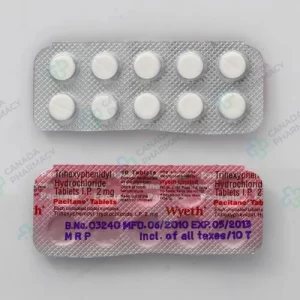
Artane
Price range: $ 48,00 through $ 115,00
Active substance: Trihexyphenidyl
More Details
This product has multiple variants. The options may be chosen on the product page

Estriol
Price range: $ 64,00 through $ 137,00
Active substance: Estriol
More Details
This product has multiple variants. The options may be chosen on the product page

Namenda
Price range: $ 42,00 through $ 174,00
More Details
This product has multiple variants. The options may be chosen on the product page
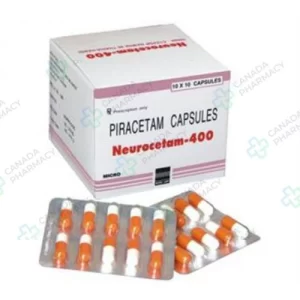
Nootropil
Price range: $ 30,00 through $ 363,00
Active substance: Piracetam
More Details
This product has multiple variants. The options may be chosen on the product page
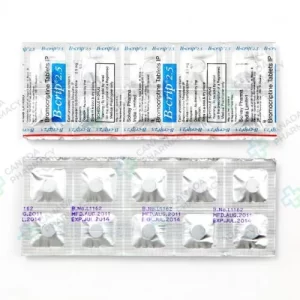
Parlodel
Price range: $ 50,00 through $ 468,00
Active substance: Bromocriptine
More Details
This product has multiple variants. The options may be chosen on the product page

Pim-800
Price range: $ 43,00 through $ 274,00
Active substance: Paracetamol
More Details
This product has multiple variants. The options may be chosen on the product page

Samsca
Price range: $ 275,00 through $ 660,00
Active substance: Tolvaptan
More Details
This product has multiple variants. The options may be chosen on the product page