

-14%
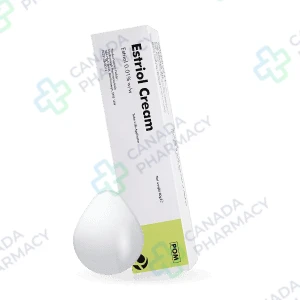
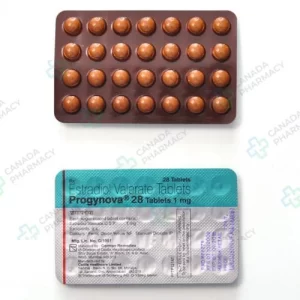
Estrace
Price range: $ 53,00 through $ 384,00
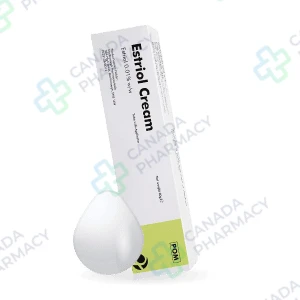
Estriol Cream
Price range: $ 13,00 through $ 93,00
Estriol
Price range: $ 64,00 through $ 137,00
Estriol is a specialized hormone replacement medication designed to alleviate symptoms associated with menopause. This treatment effectively targets vaginal atrophy, providing relief from dryness, itching, and discomfort during intimate activities. By restoring natural hormonal balance, it helps maintain the health and elasticity of urogenital tissues. It is commonly used to manage local symptoms, ensuring a better quality of life during the various stages of the menopausal transition. Estriol offers a targeted approach to hormone therapy, prioritizing comfort and well-being for women experiencing hormonal fluctuations.
Active substance: Estriol
Delivery: 5–21 days (depending on the shipping method)
Extra 10% discount with coupon: IT4K6SVM
Each dosage option has its own packaging choices.
Description
Estriol belongs to a group of endogenous steroid hormones known as estrogens, functioning specifically as a short-acting, lower-potency estrogen receptor agonist. Prescribed primarily to manage localized symptoms of urogenital estrogen deficiency in postmenopausal individuals, it operates through nuclear estrogen receptor pathways to restore mucosal integrity.
In the United States, estriol preparations are dispensed in accordance with applicable federal and state regulations. Proper clinical supervision ensures that administration adheres strictly to individual pharmacokinetic needs and established safety protocols.
| Property | Details |
|---|---|
| Drug name | Estriol |
| Active ingredient | Estriol |
| Therapeutic class | Estrogen / Steroid Hormone |
| Route of administration | Vaginal or Topical |
| Prescription status | Dispensed in accordance with applicable federal and state regulations |
| Storage | Store at controlled room temperature 68°F to 77°F (20°C to 25°C) |
How the drug works
Estriol functions as a weak estrogen compound with a relatively short nuclear retention time compared to estrone or estradiol. It binds selectively to both estrogen receptor alpha (ERα) and estrogen receptor beta (ERβ), demonstrating a higher relative binding affinity for ERβ. Upon binding, the receptor-ligand complex translocates into the cell nucleus, regulating gene transcription responsible for epithelial cell differentiation and tissue hydration. In postmenopausal urogenital tissues, estriol stimulates the proliferation of vaginal and urethral epithelium, helping normalize local mucosal pH levels and restore native microflora, including Lactobacillus species. Because of its brief nuclear binding duration of approximately 1 to 4 hours, systemic proliferative effects on endometrial tissue are significantly lower when administered topically or low-dose vaginally compared to potent estrogens.
What it’s used for
Estriol is primarily indicated for the treatment of postmenopausal vulvovaginal atrophy, a condition characterized under the broader diagnosis of genitourinary syndrome of menopause (GSM). Clinical indications include the alleviation of local symptoms such as vaginal dryness, dyspareunia (painful intercourse), vulvar pruritus, and burning sensations. Additionally, it may be prescribed to assist in the healing of vaginal tissues prior to or following pelvic reconstructive surgery in postmenopausal patients. Any use of estriol for systemic hormone therapy, bone density preservation, or systemic vasomotor symptom management is considered off-label under United States clinical practice standards, as its short half-life and weak receptor retention render it less effective for systemic symptom control compared to estradiol.
How it’s absorbed and eliminated
The absorption profile of estriol varies based on the route of administration. When applied intravaginally, estriol is absorbed directly through the vaginal mucosa, bypassing initial first-pass hepatic metabolism and achieving localized tissue concentrations efficiently. Bioavailability following oral administration is low, typically under 10%, due to extensive conjugation in the intestinal mucosa and liver. In systemic circulation, approximately 90% of estriol is bound to serum albumin, with minimal binding affinity for sex hormone-binding globulin (SHBG). Estriol undergoes rapid hepatic metabolism, converting into glucuronide and sulfate conjugates. The elimination half-life of unbound estriol is relatively short, ranging between 1 to 3 hours, with metabolic conjugates cleared predominantly via renal excretion in urine.
Dosing schedule
Dosing regimens for estriol must be individualized by a licensed healthcare provider based on therapeutic response, severity of symptoms, and clinical presentation. For vaginal formulations such as creams or suppositories, therapy often begins with an initial loading phase where a low dose is administered once daily at bedtime for 2 to 3 consecutive weeks. Following initial symptom improvement, dosing is typically reduced to a maintenance schedule of twice weekly application. Exact dosage parameters (measured in milligrams or fractions of a gram per applicator) depend on the specific formulation dispensed. Patients should apply the minimal effective dose for the shortest duration necessary to achieve established therapeutic goals.
What side effects may occur
While estriol generally exhibits a favorable local tolerability profile, adverse reactions can occur. Common localized side effects include mild vaginal irritation, burning, itching, or increased vaginal discharge immediately following application. Systemic estrogenic effects may occasionally arise, particularly during initial therapy, including breast tenderness, mastalgia, peripheral edema, headache, nausea, or light uterine spotting. Severe adverse events–though infrequent with low-dose local estriol–include deep vein thrombosis, pulmonary embolism, stroke, or unexpected uterine bleeding. Any unexplained vaginal bleeding mandates immediate clinical evaluation to rule out endometrial pathology.
What not to combine
Co-administration of estriol with other pharmacological agents can alter its therapeutic concentration or increase adverse risk profiles. Inducers of cytochrome P450 enzymes (specifically the CYP3A4 isoform), such as rifampin, carbamazepine, St. John’s wort, and phenobarbital, may accelerate estriol clearance, resulting in decreased clinical efficacy. Conversely, potent CYP3A4 inhibitors like ketoconazole, erythromycin, or ritonavir can elevate serum estriol levels, increasing the potential for systemic estrogenic effects. Concurrent use of topically applied anti-infective creams or spermicides may alter the mucosal absorption of vaginal estriol. Patients must disclose all prescription medications, over-the-counter products, and dietary supplements to their treating clinician prior to initiating therapy.
If you skip a dose
If a scheduled dose of estriol is omitted, it should be administered as soon as remembered on that day, unless it is nearly time for the next scheduled dose. Patients should not double the dose or apply additional cream to compensate for a missed application. Resuming the regular dosing schedule promptly helps maintain steady local tissue concentrations. If uncertainty arises regarding timing, patients should consult their pharmacist or prescribing clinician for precise guidance.
Special populations
Estriol is contraindicated during pregnancy, as exogenous estrogen administration offers no therapeutic benefit in gestation and poses potential fetal risk. It is also not recommended for nursing mothers, as estrogens can reduce milk production and pass into breast milk. In pediatric populations, safety and efficacy have not been established. For elderly patients over age 65, clinical evaluation should account for age-related vascular risks, renal clearance, and underlying cardiovascular history.
Important precautions
Estriol therapy carries specific clinical warnings characteristic of estrogen class medications. It is contraindicated in patients with active or historical estrogen-dependent neoplasia (such as breast or endometrial cancer), undiagnosed abnormal genital bleeding, active arterial or venous thromboembolism, or severe hepatic impairment. Periodic reassessment–at least every 3 to 6 months–is recommended to evaluate the ongoing necessity of treatment. Physicians should evaluate patient risk for cardiovascular events and breast carcinoma before initiating therapy. Estriol should be discontinued immediately if deep vein thrombosis, jaundice, sudden visual disturbance, or severe migraines occur.
Storage and expiration
Estriol formulations must be stored in a dry environment at controlled room temperature, typically between 68°F and 77°F (20°C to 25°C), with brief excursions permitted between 59°F and 86°F (15°C to 30°C). Preparations should be kept tightly closed in their original packaging, away from excessive heat, direct sunlight, and moisture. Do not freeze topical creams or vaginal suppositories. Expired products or unused medication must be safely discarded according to local pharmacy guidelines, keeping all forms out of reach of children.
Common questions
How long does it take for estriol to improve symptoms?
Initial improvement in vaginal dryness or discomfort is often noticed within 1 to 2 weeks of starting therapy, though maximum structural mucosal recovery typically requires 8 to 12 weeks of continuous treatment as prescribed.
Can estriol cause systemic hormone-related weight gain?
Low-dose localized estriol has minimal systemic absorption, making significant body weight changes unlikely; however, fluid retention or mild bloating can occasionally occur as a transient response.
Is routine endometrial monitoring required while using estriol vaginally?
Routine endometrial biopsy is generally not required for low-dose local estriol in asymptomatic patients, but any unexpected or persistent vaginal spotting mandates prompt diagnostic evaluation by a physician.
Can I use estriol cream alongside other vaginal moisturizers?
Vaginal moisturizers or lubricants may be used concurrently, but they should not be applied at the exact same time as estriol cream to avoid interference with mucosal drug absorption.
What should I do if I experience mild breast tenderness after starting treatment?
Mild breast tenderness can occur during early treatment due to minor systemic absorption. If tenderness persists or worsens beyond a few weeks, contact your prescriber to adjust the dosage schedule.
In accordance with FDA guidelines and US federal standards.
This text is for informational purposes only and does not constitute individual medical advice.
Additional information
| Dosage |
1 g |
|---|---|
| Package |
2 tubes ,3 tubes ,4 tubes ,5 tubes |
| Ενεργός Ουσία |
Related products
Altraz
Price range: $ 194,00 through $ 441,00
Active substance: Anastrozole
More Details
This product has multiple variants. The options may be chosen on the product page
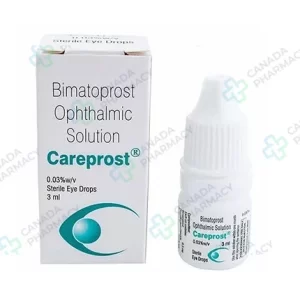
Careprost
Price range: $ 42,00 through $ 367,00
Active substance: Bimatoprost
More Details
This product has multiple variants. The options may be chosen on the product page
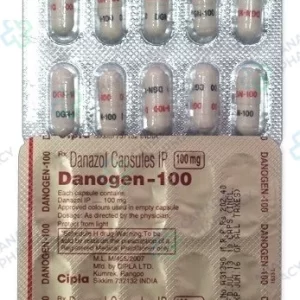
Danazol
Price range: $ 62,00 through $ 480,00
Active substance: Danazol
More Details
This product has multiple variants. The options may be chosen on the product page
Doxylamine
Price range: $ 10,00 through $ 33,00
Active substance: Doxylamine succinate
More Details
This product has multiple variants. The options may be chosen on the product page
Etodolac
Price range: $ 46,00 through $ 390,00
Active substance: Etodolac
More Details
This product has multiple variants. The options may be chosen on the product page
Female Viagra
Price range: $ 41,00 through $ 305,00
Active substance: Sildenafil
More Details
This product has multiple variants. The options may be chosen on the product page

Ferrous
Price range: $ 60,00 through $ 487,00
Active substance: Ferrous sulfate
More Details
This product has multiple variants. The options may be chosen on the product page
Fertigyn HP
Price range: $ 50,00 through $ 130,00
Active substance: Human Chorionic Gonadotrophin
More Details
This product has multiple variants. The options may be chosen on the product page