

-11%
Ferrous
Price range: $ 60,00 through $ 487,00
Fertogard
Price range: $ 41,00 through $ 234,00
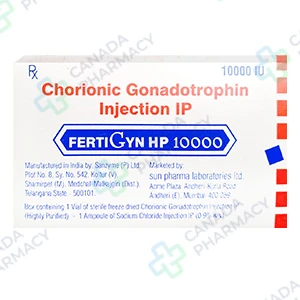
Fertigyn HP
Price range: $ 50,00 through $ 130,00
Fertigyn HP is a highly purified medication containing Human Chorionic Gonadotropin (hCG) designed to support various reproductive health needs. In women, this treatment is primarily used to induce ovulation and improve the chances of conception by stimulating the release of a mature egg. For men, Fertigyn HP helps address hormonal imbalances by stimulating the natural production of testosterone and supporting sperm development. It is also an effective solution for managing prepubertal cryptorchidism, ensuring healthy physical development in young patients. This dependable formulation provides a consistent and effective approach to managing fertility-related conditions for both men and women.
Active substance: Human Chorionic Gonadotrophin
Delivery: 5–21 days (depending on the shipping method)
Extra 10% discount with coupon: IT4K6SVM
Each dosage option has its own packaging choices.
Description
Fertigyn HP belongs to a class of medications known as gonadotropic hormones, containing highly purified human chorionic gonadotropin (hCG). It is an injectable prescription drug indicated for specific reproductive and endocrine conditions in adult and pediatric patients. In accordance with United States federal and state regulations, this drug is dispensed strictly by prescription from a licensed healthcare provider.
Proper administration requires precise clinical supervision, individualized dosage determination, and ongoing medical monitoring. Understanding the pharmacologic characteristics, proper administration procedures, and potential side effects helps ensure treatment efficacy while minimizing patient risks.
| Attribute | Details |
|---|---|
| Active Ingredient | Human Chorionic Gonadotropin (hCG) |
| Therapeutic Class | Gonadotropin / Hormone |
| Route of Administration | Intramuscular or Subcutaneous Injection |
| Prescription Status | Prescription-only (Rx) |
| Primary Purpose | Ovulation induction; Hypogonadotropic hypogonadism; Cryptorchidism |
| Storage Requirements | Store at 20°C to 25°C (68°F to 77°F); protect from light |
Clinical Overview and Pharmacology
How the drug works
Fertigyn HP contains highly purified human chorionic gonadotropin, a polypeptide hormone produced naturally by the placenta during pregnancy. In female patients, hCG acts as an analogue to endogenous luteinizing hormone (LH). It triggers the final follicular maturation and prompts ovulation once appropriate ovarian follicle growth has been achieved via follicle-stimulating hormone (FSH) therapy. Following ovulation, hCG supports the corpus luteum, stimulating secretion of progesterone and estrogen. In male patients, hCG stimulates the interstitial Leydig cells of the testes to produce endogenous testosterone, supporting the development of secondary sexual characteristics and facilitating spermatogenesis when combined with appropriate pituitary hormone protocols.
Main uses
Fertigyn HP is FDA-indicated for specific clinical indications requiring gonadotropic stimulation. In adult females, it is indicated for the induction of ovulation and pregnancy in anovulatory infertile women whose anovulation is secondary and not due to primary ovarian failure, frequently as part of assisted reproductive technology (ART) protocols. In pediatric males, it is approved for prepubertal cryptorchidism not caused by anatomical obstruction. In adult males, it is prescribed for hypogonadotropic hypogonadism secondary to pituitary deficiency. Note: hCG has no demonstrated efficacy for weight loss and is not FDA-approved for obesity treatment; off-label promotion of hCG for weight management carries explicit federal safety warnings.
Dosing schedule
Dosage regimens for Fertigyn HP must be individually calculated based on patient clinical history, diagnostic imaging, and laboratory monitoring. The drug is supplied as a sterile powder requiring reconstitution with an appropriate diluent prior to intramuscular or subcutaneous injection. For induction of ovulation, typical clinical protocols involve a single dose ranging from 5,000 to 10,000 International Units (IU) administered one day following the final dose of menotropins or FSH. For male hypogonadotropic hypogonadism, recommended schedules range from 500 to 4,000 IU injected two to three times weekly over several months. Injection sites should be systematically rotated to avoid localized tissue irritation.
How it’s absorbed and eliminated
Following parenteral administration, human chorionic gonadotropin is systematically absorbed into the circulation. Peak plasma concentrations of hCG are generally observed within 6 to 24 hours after intramuscular or subcutaneous administration, though absorption rates can vary based on individual metabolic profiles and injection depth. Elimination displays a biphasic decay curve. The initial disposition half-life ranges from approximately 5 to 11 hours, whereas the terminal elimination half-life is estimated between 24 and 36 hours. The hormone is cleared primarily through metabolic degradation and renal excretion, with a fraction of intact hormone appearing in urine.
Important Safety Information and Usage Guidelines
Adverse reactions
Treatment with Fertigyn HP may lead to local or systemic adverse reactions. Common localized signs include injection site discomfort, redness, swelling, and mild inflammation. Systemic responses include headache, fatigue, irritability, restlessness, and fluid retention leading to peripheral edema. Male patients may experience gynecomastia or early pubertal changes in young boys. The most severe adverse reaction in female patients undergoing ovulation induction is Ovarian Hyperstimulation Syndrome (OHSS), which can result in significant fluid shifts, hemoconcentration, abdominal distension, severe pelvic pain, and respiratory distress. Any signs of marked abdominal enlargement or acute pain warrant immediate medical evaluation.
Compatibility with other medicines
Interactions primarily occur when Fertigyn HP is combined with other ovulation-inducing agents, such as clomiphene citrate, menotropins, or recombinant gonadotropins. Concurrent use of these pharmacologic agents enhances ovarian sensitivity and substantially increases the risk of hyperstimulation and multiple gestation pregnancies. Additionally, circulating levels of administered hCG can linger in the blood and urine for up to 10 days post-injection, leading to potential false-positive results on qualitative immunometric pregnancy tests. Patients must inform their medical team of all concomitant prescription medications, over-the-counter preparations, and dietary supplements prior to initiation.
Important precautions
Fertigyn HP is contraindicated in patients with a history of hypersensitivity to human chorionic gonadotropin or any formulation components. It is strictly contraindicated in individuals with androgen-dependent neoplasms, such as prostatic carcinoma, as well as those with uncontrolled adrenal or thyroid dysfunction, pituitary tumors, or undiagnosed abnormal uterine bleeding. Caution is recommended in patients with pre-existing cardiovascular conditions, renal impairment, asthma, or epilepsy, as fluid retention induced by androgen production may exacerbate these conditions. Gonadotropin therapy has also been associated with an increased risk of arterial or venous thromboembolic events in susceptible individuals.
Red flags
Immediate medical attention is necessary if signs of severe adverse events manifest. Patients should seek emergency care in a clinic in New York or local medical facility if they experience symptoms of severe Ovarian Hyperstimulation Syndrome, such as severe pelvic or lower abdominal pain, persistent nausea and vomiting, rapid weight gain, or shortness of breath. Immediate emergency care is also required if signs of thromboembolism appear, including sudden chest pain, acute dyspnea, sudden severe headache, or unilateral leg swelling and warmth.
If you skip a dose
In the event of a missed injection, the patient should contact their treating reproductive clinic or physician promptly rather than administering a double dose. Because timing is critical for follicular rupture and timed intercourse or egg retrieval, an altered administration schedule must be adjusted under direct medical guidance. Prescribers will determine whether to reschedule the injection or alter the current treatment protocol.
Storage and expiration
Unreconstituted Fertigyn HP vials should be stored at controlled room temperature between 20°C to 25°C (68°F to 77°F), protected from light and moisture. Reconstitution should occur immediately prior to administration using sterile diluent provided by the pharmacy. Any reconstituted solution intended for multiple-dose protocols must be stored in a refrigerator as directed by the manufacturer instructions. Expired or unneeded medication should be safely disposed of according to federal and local prescription disposal guidelines.
Pregnancy, breastfeeding, and other groups
Fertigyn HP is used to achieve pregnancy; however, once clinical pregnancy is confirmed, continued administration is not indicated unless specific luteal support protocols are prescribed. It is not recommended during lactation, as data regarding hCG excretion into human breast milk are limited. Pediatric use is strictly limited to prepubertal cryptorchidism under pediatric endocrine supervision. Geriatric safety and efficacy have not been established due to the absence of clinical indications in this age group.
Common Questions
How long does Fertigyn HP remain detectable in the body after an injection?
Exogenous human chorionic gonadotropin is eliminated gradually, with a terminal elimination half-life ranging from 24 to 36 hours. However, residual amounts of the hormone can linger in serum and urine for up to 7 to 10 days post-injection, depending on the dosage administered. Patients should avoid taking home pregnancy tests during this window to prevent false-positive interpretations.
Is Fertigyn HP safe or approved for weight loss diets?
No, Fertigyn HP is not approved by the FDA for weight loss or obesity management. Clinical studies have demonstrated that hCG does not increase fat loss, alter fat distribution, or reduce hunger beyond the effects of calorie restriction. Regulatory agencies warn against using hCG for weight reduction due to potential health risks.
What steps should be taken if mild swelling occurs at the site of injection?
Mild localized discomfort, redness, or slight swelling at the injection site is common. Rotating injection sites between doses helps minimize tissue irritation. Applying a cool compress to the area after administration can reduce localized discomfort. If the site becomes increasingly hot, painful, or shows signs of purulent discharge, contact a medical provider promptly.
Can male patients experience mood changes or physical effects during treatment?
Yes, because hCG stimulates endogenous testosterone production in males, patients may notice physical changes such as fluid retention, breast tissue enlargement (gynecomastia), or acne. Fluctuations in serum androgen levels can also cause mild mood swings or increased irritability. Physicians monitor hormone levels during therapy to adjust dosages accordingly.
In accordance with FDA requirements.
This text is for informational purposes only and does not constitute individual medical advice.
Additional information
| Dosage |
2000iu ,5000iu ,10000iu |
|---|---|
| Package |
3 ampoule ,5 ampoule |
| Ενεργός Ουσία |
Related products
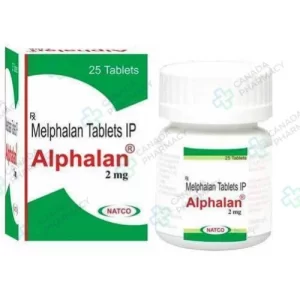
Alkeran
Price range: $ 112,00 through $ 513,00
Active substance: Melphalan
More Details
This product has multiple variants. The options may be chosen on the product page
Aygestin
Price range: $ 58,00 through $ 290,00
Active substance: Norethindrone
More Details
This product has multiple variants. The options may be chosen on the product page
Diclofenac
Price range: $ 49,00 through $ 121,00
Active substance: diclofenac
More Details
This product has multiple variants. The options may be chosen on the product page
Doxylamine
Price range: $ 10,00 through $ 33,00
Active substance: Doxylamine succinate
More Details
This product has multiple variants. The options may be chosen on the product page
Estrace
Price range: $ 53,00 through $ 384,00
Active substance: Estradiol
More Details
This product has multiple variants. The options may be chosen on the product page
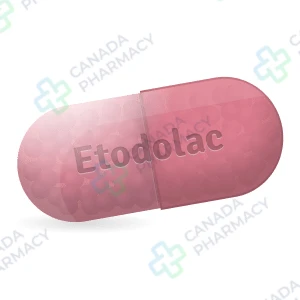
Etodolac
Price range: $ 46,00 through $ 390,00
Active substance: Etodolac
More Details
This product has multiple variants. The options may be chosen on the product page
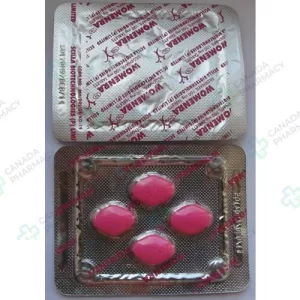
Female Viagra
Price range: $ 41,00 through $ 305,00
Active substance: Sildenafil
More Details
This product has multiple variants. The options may be chosen on the product page
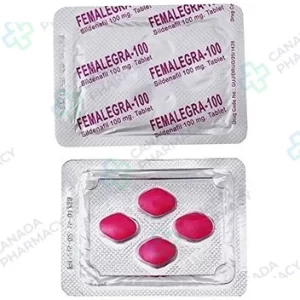
Femalegra
Price range: $ 50,00 through $ 305,00
Active substance: Sildenafil
More Details
This product has multiple variants. The options may be chosen on the product page