

-70%
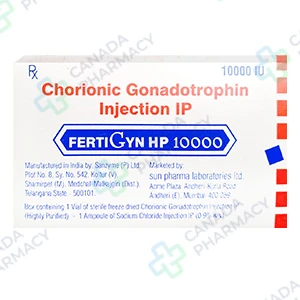
Fertigyn HP
Price range: $ 50,00 through $ 130,00
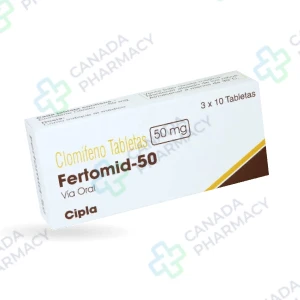
Fertomid
Price range: $ 53,00 through $ 458,00
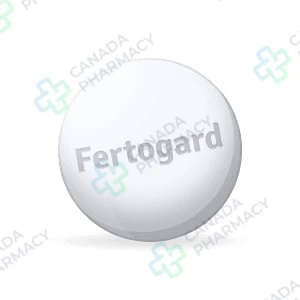
Fertogard
Price range: $ 41,00 through $ 234,00
Fertogard is a highly effective medication designed to support reproductive health by stimulating the natural ovulation process. The active ingredient, Clomiphene Citrate, works by encouraging the pituitary gland to release the hormones necessary for egg development and release. It is primarily indicated for women who experience difficulty conceiving due to irregular cycles or ovulatory dysfunction. By regulating the reproductive cycle, this treatment significantly increases the chances of a successful conception for those facing infertility challenges. Fertogard remains a trusted option in fertility care, offering a reliable solution for restoring normal ovarian function and achieving family planning goals.
Active substance: Clomiphene
Delivery: 5–21 days (depending on the shipping method)
Extra 10% discount with coupon: IT4K6SVM
Each dosage option has its own packaging choices.
Description
Fertogard belongs to a class of medications known as selective estrogen receptor modulators (SERMs). It is prescribed under medical supervision primarily for the treatment of ovulatory dysfunction in women seeking to achieve pregnancy.
Dispensed strictly in accordance with applicable federal and state prescription regulations, this therapeutic agent requires prior medical evaluation and accurate diagnostic assessment. Patients should strictly adhere to the dosing schedule and monitoring regimen specified by their prescribing healthcare provider.
| Parameter | Specification |
|---|---|
| Active ingredient | Clomiphene citrate |
| Therapeutic class | Selective estrogen receptor modulator (SERM) / Ovulation stimulant |
| Dosage form | Oral tablet |
| Route of administration | Oral |
| Primary purpose | Induction of ovulation in ovulatory dysfunction |
| Prescription status | Prescription only (Rx) |
| Mechanism of action | Hypothalamic estrogen receptor blockade leading to increased gonadotropin secretion |
Clinical Overview and Pharmacology
Main uses
Fertogard is indicated for the treatment of ovulatory failure in women who desire pregnancy and whose partners are fertile. Diagnostic evaluation of ovulatory status, pelvic anatomy, and liver function must precede therapy. The most common clinical scenario for its use is anovulatory infertility related to polycystic ovary syndrome (PCOS) or functional hypothalamic dysfunction, provided adequate endogenous estrogen levels are present.
In clinical practice, any use of Fertogard for male infertility, such as idiopathic oligospermia or secondary hypogonadism, is considered an off-label application. Off-label use requires specialized evaluation by a urologist or endocrinologist and is not part of the standard FDA-approved indications list for the medication.
How the drug works
The active component of Fertogard exhibits both estrogenic and anti-estrogenic properties. Its primary therapeutic effect is mediated by binding competitively to nuclear estrogen receptors in the hypothalamus. By occupying these receptor sites, the drug prevents endogenous circulating estrogen from exerting negative feedback on the central nervous system.
This blockade signals the hypothalamus to increase the pulsatile secretion of Gonadotropin-Releasing Hormone (GnRH). In response, the anterior pituitary gland releases elevated concentrations of Follicle-Stimulating Hormone (FSH) and Luteinizing Hormone (LH). The resulting surge of gonadotropins stimulates ovarian follicular growth, maturation, and ultimate rupture (ovulation).
What happens in the body
Following oral administration, Fertogard is readily absorbed from the gastrointestinal tract. The active compound consists of two stereoisomers (enclomiphene and zuclomiphene) that exhibit distinct pharmacokinetic profiles. Metabolic clearance occurs predominantly via the liver.
Excretion of the drug and its metabolites takes place primarily through the biliary tract into the feces, with a smaller proportion eliminated in the urine. The mean cumulative excretion is approximately 51% after 5 days. However, residual amounts of the zuclomiphene isomer remain detectable in the systemic circulation for weeks to months due to enterohepatic recirculation and tissue binding, which underscores the extended biological persistence of the compound.
Dosing schedule
Treatment regimens are strictly individualized based on clinical responsiveness and therapeutic monitoring. The standard starting protocol typically consists of 50 mg (one tablet) daily for 5 consecutive days, usually initiated on or near the fifth day of the menstrual cycle (either spontaneous or progestin-induced). If ovulation occurs at this dose, there is no clinical advantage to increasing the dosage in subsequent cycles.
If ovulation fails to occur following the initial course, a second course of 100 mg daily for 5 days may be administered after appropriate clinical re-evaluation. Therapy beyond three to six cycles is generally not recommended due to a lack of evidence regarding cumulative efficacy and potential safety considerations.
Adverse reactions
Adverse effects associated with Fertogard are generally dose-dependent and reversible upon cessation of therapy. The most common reported adverse event is vasomotor flushes (hot flashes), resulting from central estrogen receptor blockade. Abdominal pelvic discomfort, bloating, and mild ovarian enlargement are also frequently observed during treatment cycles.
Less common side effects include nausea, vomiting, breast tenderness, headache, and breakthrough uterine bleeding. Visual symptoms–such as blurred vision, scotomas, or light sensitivity–occur in a small percentage of patients and necessitate immediate discontinuation of treatment and prompt ophthalmologic evaluation. Additionally, therapy is associated with a increased incidence of multiple gestations (primarily twins).
Compatibility with other medicines
Formal pharmacokinetic interaction studies with Fertogard are limited. However, concurrent administration with other ovulation-inducing agents (such as exogenous gonadotropins) significantly increases the risk of hyperstimulation and requires intensive clinical monitoring. Prescribers should be fully informed of all co-administered prescription drugs, over-the-counter products, and dietary supplements prior to starting therapy.
Administration, Safety, and FAQ
Important precautions
Fertogard is strictly contraindicated during pregnancy; active pregnancy must be ruled out before initiating each treatment cycle. The medication is also contraindicated in individuals with active liver disease, history of hepatic dysfunction, or unexplained abnormal uterine bleeding. Patients with ovarian cysts or enlargement not attributable to polycystic ovary syndrome should not receive this drug.
Therapy carries a potential risk of Ovarian Hyperstimulation Syndrome (OHSS), a serious medical condition characterized by severe pelvic pain, fluid accumulation, hemoconcentration, and abdominal distension. Patients experiencing severe lower abdominal pain or sudden weight gain must seek emergency medical evaluation. The drug is not indicated for pediatric or postmenopausal populations.
What to avoid while taking it
Fertogard may be administered without regard to meals. Patients should avoid excessive alcohol intake, as both alcohol and clomiphene citrate are processed by hepatic metabolic pathways, and heavy consumption may impair liver function or obscure clinical assessment. Because visual disturbances or dizziness may occur, patients should exercise caution when operating machinery or driving until their individual response to the medication is known.
If you skip a dose
If a dose is missed during the 5-day cycle, the patient should contact their prescribing physician or pharmacist immediately for guidance. Patients must never double the dose to compensate for a missed tablet, as altering the dosage sequence can disrupt the intended hormonal feedback cycle and increase the risk of adverse effects.
Practical tips
Patients are advised to keep a daily log tracking cycle days, medication administration times, basal body temperature measurements, and the results of ovulation predictor test kits. Coitus should be timed to coincide with the expected window of ovulation, typically 5 to 10 days following the final tablet of the 5-day course. Attending all scheduled monitoring appointments, including pelvic ultrasounds or blood hormone tests, is essential for treatment assessment.
Storage and expiration
Store Fertogard at controlled room temperature, ideally between 68°F and 77°F (20°C to 25°C), with excursions permitted between 59°F and 86°F (15°C to 30°C). Protect the medication from excessive heat, direct moisture, and light exposure. Store tablets in their original container, tightly closed, and keep them out of reach of children and pets. Expired products should be disposed of in accordance with local drug take-back guidelines.
Common questions
What visual symptoms require immediate discontinuation of Fertogard?
Visual disturbances such as blurry vision, dark spots, flashes of light, or double vision require immediate cessation of the drug. Patients experiencing these symptoms must notify their prescriber right away, as these effects may indicate central nervous system sensitivity and could become persistent if therapy continues.
How does Fertogard increase the likelihood of multiple pregnancies?
By stimulating the release of additional follicle-stimulating hormone (FSH), the medication can cause more than one ovarian follicle to mature and release an egg during a single cycle. This multi-follicular response leads to an elevated rate of multiple gestations, predominantly twin pregnancies, compared to natural conception cycles.
Is Fertogard approved for use in male fertility conditions?
No, use in males is not approved by the FDA and is classified as an off-label use. While some specialists prescribe it off-label to address low testosterone or impaired sperm production caused by secondary hypogonadism, such treatment requires careful endocrine monitoring and individualized clinical oversight.
How long after completing the 5-day course does ovulation typically occur?
Ovulation generally occurs between 5 and 10 days after the last dose of the 5-day treatment cycle. Prescribing providers often recommend monitoring for LH surges or scheduling targeted intercourse during this specific post-treatment window.
Why is therapy usually limited to a maximum number of cycles?
Clinical guidelines generally advise limiting treatment to 3 to 6 ovulatory cycles. Studies indicate that the majority of successful pregnancies occur within the first few cycles of therapy; continuing beyond this window significantly decreases the likelihood of success while exposing the patient to cumulative drug exposure without added benefit.
This text is for informational purposes only and does not constitute individual medical advice.
In accordance with FDA requirements.
Additional information
| Dosage |
25mg ,50mg ,100mg |
|---|---|
| Package |
20 pills ,30 pills ,60 pills ,90 pills ,120 pills ,180 pills ,270 pills ,360 pills |
| Ενεργός Ουσία |
Related products
Altraz
Price range: $ 194,00 through $ 441,00
Active substance: Anastrozole
More Details
This product has multiple variants. The options may be chosen on the product page
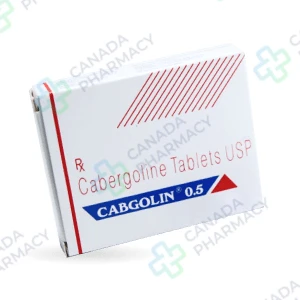
Cabgolin
Price range: $ 134,00 through $ 356,00
Active substance: Cabergoline
More Details
This product has multiple variants. The options may be chosen on the product page

Calcium Carbonate
Price range: $ 41,00 through $ 535,00
Active substance: Calcium Carbonate
More Details
This product has multiple variants. The options may be chosen on the product page
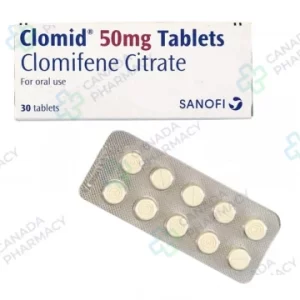
Clomid
Price range: $ 45,00 through $ 255,00
Active substance: Clomiphene
More Details
This product has multiple variants. The options may be chosen on the product page
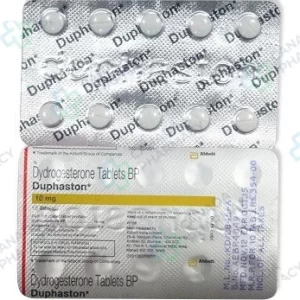
Duphaston
Price range: $ 64,00 through $ 648,00
Active substance: dydrogesterone
More Details
This product has multiple variants. The options may be chosen on the product page

Estriol
Price range: $ 64,00 through $ 137,00
Active substance: Estriol
More Details
This product has multiple variants. The options may be chosen on the product page
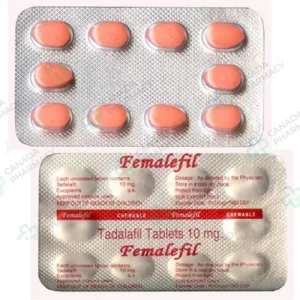
Female Cialis
Price range: $ 20,00 through $ 340,00
Active substance: Tadalafil
More Details
This product has multiple variants. The options may be chosen on the product page
Ferrous
Price range: $ 60,00 through $ 487,00
Active substance: Ferrous sulfate
More Details
This product has multiple variants. The options may be chosen on the product page