

-44%
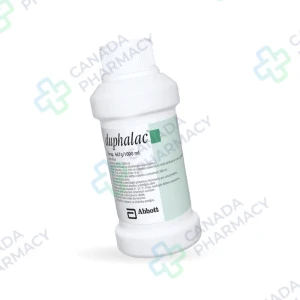
Duphalac
Price range: $ 48,00 through $ 300,00

Duralast
Price range: $ 54,00 through $ 140,00
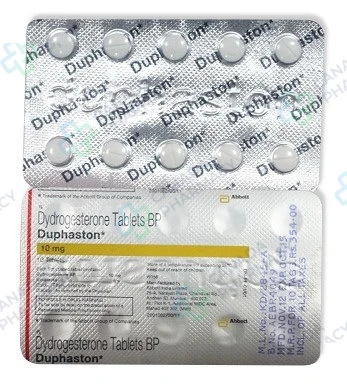
Duphaston
Price range: $ 64,00 through $ 648,00
Duphaston is an effective hormonal medication containing dydrogesterone, a synthetic progestogen that functions similarly to the body’s natural progesterone. This treatment is primarily used to regulate the menstrual cycle and manage conditions such as painful periods or premenstrual syndrome. It is also an established therapy for endometriosis and can help address certain types of infertility caused by hormonal imbalances. By supporting the healthy development of the uterine lining, Duphaston provides essential relief for various gynecological disorders. Furthermore, it is commonly utilized in hormone replacement therapy to ensure a balanced and stable hormonal environment.
Active substance: dydrogesterone
Delivery: 5–21 days (depending on the shipping method)
Extra 10% discount with coupon: IT4K6SVM
Each dosage option has its own packaging choices.
Description
Duphaston – What You Need to Know
Duphaston belongs to a class of synthetic progestins containing the active substance dydrogesterone. It acts as a selective progesterone receptor agonist designed to support structural stability in the uterine lining. In the United States, healthcare decisions and regulatory oversight regarding progestin therapies are subject to applicable federal and state regulations.
While progestins are broadly utilized in global reproductive medicine, specific treatment strategies depend on individual hormonal evaluation and clinical diagnoses. Patients considering progestin therapy should evaluate treatment options directly with a qualified healthcare professional.
| Active ingredient (INN) | Dydrogesterone |
| Therapeutic class | Progestin (Progestogen) |
| Dosage form | Oral film-coated tablet |
| Route of administration | Oral |
| Primary purpose | Progestogenic support for gynecological and menstrual disorders |
| Storage conditions | Store below 30°C (86°F) in original packaging, protected from light and moisture |
How the drug works
Dydrogesterone is an orally active progestin that exhibits molecular structure similarities to natural progesterone. On one hand, it selectively binds to progesterone receptors located within the endometrium, promoting a complete secretory transformation of uterine tissue that has been previously primed by estrogen. On the other hand, unlike several traditional synthetic progestins derived from testosterone, dydrogesterone lacks significant androgenic, estrogenic, or glucocorticoid activity. This selective affinity minimizes systemic side effects commonly tied to androgen receptor interaction, such as hirsutism or adverse lipid profile shifts. Consequently, it maintains a protective anti-proliferative effect on the endometrium without suppressing natural ovulation at standard therapeutic doses or disrupting hepatic metabolic balance.
What it’s used for
In clinical practice, dydrogesterone is prescribed to manage clinical conditions characterized by endogenous progesterone deficiency. Approved clinical applications include the management of dysmenorrhea, symptomatic endometriosis, secondary amenorrhea, irregular menstrual cycles, and dysfunctional uterine bleeding. Additionally, it serves as progestogenic support in luteal phase insufficiency during assisted reproductive technology cycles and management of recurrent pregnancy loss linked to verified progesterone deficits. When combined with estrogen in menopausal hormone therapy, it helps prevent endometrial hyperplasia in individuals with an intact uterus. Off-label use for non-standard endocrine regimens must be carefully evaluated by a specialist, as therapeutic efficacy depends on precise cycle timing.
Dosing schedule
Dosage regimens for dydrogesterone vary based on the clinical indication being treated and individual therapeutic response. Standard oral dosing ranges between 10 mg and 30 mg daily, typically divided into one or two administrations across specific calendar days of the menstrual cycle. For instance, treatment targeting luteal phase support or endometriosis requires scheduled administration during the second half of the cycle, whereas menopausal combination protocols follow sequential or continuous daily patterns. The specific daily dose, dosing frequency, and duration are tailored by a healthcare provider based on clinical monitoring. Tablets should be taken with water, either with or without food.
What happens in the body
Following oral administration, dydrogesterone is rapidly absorbed from the gastrointestinal tract. Peak plasma concentrations of the parent compound and its primary active metabolite, 20alpha-dihydrodydrogesterone (DHD), are achieved between 0.5 and 2.5 hours post-dose. Dydrogesterone undergoes extensive hepatic biotransformation, primarily through reduction of the 20-keto group. The main metabolite, DHD, demonstrates substantial progestogenic activity, contributing significantly to overall therapeutic efficacy. Plasma protein binding for both dydrogesterone and DHD exceeds 90%, binding primarily to albumin. Elimination occurs predominantly via the kidneys, with approximately 63% to 79% of the dose excreted as urinary metabolites within 72 hours. The terminal elimination half-life of DHD ranges from 14 to 17 hours.
Adverse reactions
While dydrogesterone is generally well tolerated, adverse effects can occur depending on dosage and patient sensitivity. Commonly reported reactions include headache, migraine, nausea, breast pain or tenderness, and menstrual variations such as breakthrough bleeding or spotting during initial treatment cycles. Less frequently, patients report dizziness, mild hepatic dysfunction evidenced by elevated liver enzymes, abdominal discomfort, or allergic skin reactions such as pruritus and urticaria. On one hand, mild transient side effects often lessen as therapy continues; on the other hand, persistent abnormal vaginal bleeding requires diagnostic evaluation to rule out structural organic lesions.
Important precautions
Prior to initiating therapy, healthcare providers perform a medical assessment, including pelvic and breast examinations. Dydrogesterone is contraindicated in individuals with unexplained vaginal bleeding, severe acute or past hepatic disease, existing liver tumors, or known sex-hormone-dependent malignancies such as breast or endometrial carcinoma. Caution is recommended in patients with a history of thromboembolic disease, clinical depression, asthma, epilepsy, or cardiovascular impairment. If sudden visual disturbances, severe migraine, or symptoms indicative of venous thromboembolism occur–such as painful leg swelling or acute chest discomfort–treatment should be discontinued immediately and emergency medical care sought.
Food and alcohol interactions
The oral absorption and systemic availability of dydrogesterone are not altered by co-administration with food; tablets may be taken independently of meal times. However, regular high-volume alcohol consumption can influence hepatic enzyme activity and alter circulating endogenous hormone concentrations. While direct chemical incompatibility between alcohol and dydrogesterone is not documented, avoiding excessive alcohol intake during progestin therapy helps preserve baseline metabolic function and maintains stable blood concentrations of the drug.
Compatibility with other medicines
Co-administration of dydrogesterone with other medicinal products can affect its metabolic clearance. Hepatic enzyme-inducing substances–such as anticonvulsants (phenobarbital, phenytoin, carbamazepine), anti-infective agents (rifampin, rifabutin), and herbal products containing St. John’s wort (Hypericum perforatum)–can accelerate progestin metabolism. Increased metabolism may result in lower circulating concentrations of dydrogesterone, potentially reducing clinical efficacy or causing irregular uterine spotting. Conversely, potent CYP3A4 inhibitors like ketoconazole or erythromycin may increase systemic drug exposure, raising the likelihood of concentration-dependent adverse effects.
If you skip a dose
If a dose of dydrogesterone is missed, it should be taken as soon as remembered, provided the delay is under 12 hours from the regular scheduled time. If more than 12 hours have passed since the scheduled time, the missed tablet should be skipped, and the regimen continued at the next regular dose. Doubling a dose to compensate for a forgotten tablet is not recommended, as sudden dosage spikes can induce transient nausea or hormonal fluctuations. Skipping doses may increase the incidence of breakthrough bleeding or spotting.
Special populations
The use of dydrogesterone during pregnancy is restricted to defined clinical indications under direct specialist management, such as documented luteal support. Epidemiological data have not demonstrated an elevated risk of fetal malformations when used for approved reproductive indications; nevertheless, routine unmonitored use during gestation is discouraged. Dydrogesterone and its metabolites are excreted in low quantities in human breast milk. Consequently, progestin administration is generally avoided during lactation unless explicit clinical necessity is established by a physician. Safety and efficacy in pediatric patients prior to menarche have not been established.
Practical tips
To maintain stable hormonal levels throughout treatment, dydrogesterone should be taken at consistent times each day. Utilizing a medication scheduling application or pill organizer can assist with adherence during multi-day cyclical dosing protocols. Store tablets in their original blister packaging at room temperature, away from direct sunlight and excessive humidity. Keeping a simple calendar log of bleeding patterns or minor physical changes provides valuable context for your healthcare provider during periodic clinical follow-up evaluations.
Frequently Asked Questions
What should I do if unexpected breakthrough bleeding occurs during therapy?
Breakthrough bleeding or light spotting can occur during early treatment cycles as uterine tissue adapts to exogenous progestin administration. If bleeding remains mild, it frequently resolves spontaneously without changes to the schedule. However, if bleeding becomes heavy, prolonged, or develops after period stability, consult your healthcare provider to review dosing accuracy and exclude non-hormonal uterine causes.
Does food alter the absorption of dydrogesterone?
Clinical pharmacokinetic evaluations demonstrate that food intake does not significantly alter the rate or total absorption of dydrogesterone. Tablets can be taken before, during, or after meals. Patients experiencing mild stomach upset may find taking the tablet alongside a light meal improves gastrointestinal comfort.
How does synthetic dydrogesterone differ from natural progesterone regarding systemic effects?
Unlike natural micronized progesterone, which metabolizes into 5alpha-reduced neurosteroids capable of inducing central nervous system sedation, dydrogesterone does not convert into hypnotic neurosteroids. On one hand, this structural divergence prevents notable daytime drowsiness; on the other hand, it preserves targeted progestogenic activity on the endometrium without androgenic side effects.
Is it safe to drive or operate heavy machinery while taking this medication?
Dydrogesterone generally exhibits no significant influence on driving performance or machinery operation. However, because mild somnolence or transient dizziness may occur in susceptible individuals during early therapy, patients should assess their personal physical response before engaging in tasks requiring full alertness.
This text is for informational purposes only and does not constitute individual medical advice. In accordance with FDA requirements.
Additional information
| Dosage |
10mg |
|---|---|
| Package |
20 pills ,30 pills ,60 pills ,90 pills ,120 pills ,180 pills ,270 pills ,360 pills |
| Ενεργός Ουσία |
Related products
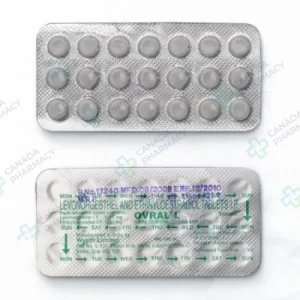
Alesse
Price range: $ 65,00 through $ 208,00
Active substance: ethinyloestradiol, Levonorgestrel
More Details
This product has multiple variants. The options may be chosen on the product page

Betahistine
Price range: $ 41,00 through $ 311,00
Active substance: Betahistine
More Details
This product has multiple variants. The options may be chosen on the product page
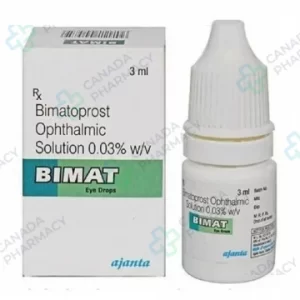
Bimat
Price range: $ 60,00 through $ 330,00
Active substance: Bimatoprost
More Details
This product has multiple variants. The options may be chosen on the product page

Calcium Carbonate
Price range: $ 41,00 through $ 535,00
Active substance: Calcium Carbonate
More Details
This product has multiple variants. The options may be chosen on the product page

Conjubrook
Price range: $ 215,00 through $ 705,00
Active substance: Conjugated Estrogens
More Details
This product has multiple variants. The options may be chosen on the product page
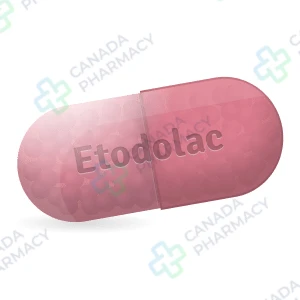
Etodolac
Price range: $ 46,00 through $ 390,00
Active substance: Etodolac
More Details
This product has multiple variants. The options may be chosen on the product page
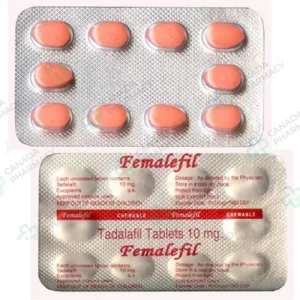
Female Cialis
Price range: $ 20,00 through $ 340,00
Active substance: Tadalafil
More Details
This product has multiple variants. The options may be chosen on the product page
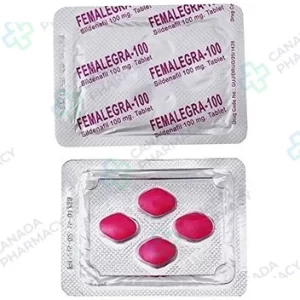
Femalegra
Price range: $ 50,00 through $ 305,00
Active substance: Sildenafil
More Details
This product has multiple variants. The options may be chosen on the product page