

-28%
Fertogard
Price range: $ 41,00 through $ 234,00
Fildena
Price range: $ 40,00 through $ 450,00
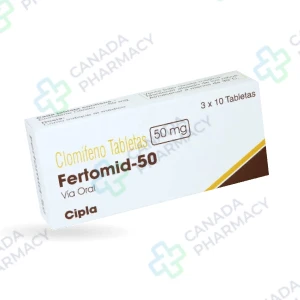
Fertomid
Price range: $ 53,00 through $ 458,00
Fertomid is a trusted medication designed to treat female infertility by addressing issues related to ovulation. The active ingredient works by stimulating the release of essential hormones required for the development and release of a mature egg. It is specifically indicated for women who experience irregular cycles or conditions such as Polycystic Ovary Syndrome (PCOS). By promoting consistent and healthy ovulation, Fertomid significantly enhances the possibility of achieving a successful pregnancy. This reliable fertility aid provides a clear path forward for those looking to support their reproductive health and start a family.
Active substance: Clomiphene
Delivery: 5–21 days (depending on the shipping method)
Extra 10% discount with coupon: IT4K6SVM
Each dosage option has its own packaging choices.
Description
Fertomid belongs to a class of non-steroidal medications known as selective estrogen receptor modulators (SERMs). It is prescribed under clinical supervision primarily to treat ovulatory dysfunction and anovulatory infertility in women desiring pregnancy.
As a prescription-only pharmaceutical in the United States, Fertomid requires prior diagnostic evaluation by a licensed healthcare provider to determine appropriate candidacy. Federal regulations mandate that therapy be monitored closely to optimize reproductive outcomes and mitigate potential physiological risks.
| Property | Details |
|---|---|
| Active ingredient | Clomiphene citrate |
| Therapeutic class | Selective Estrogen Receptor Modulator (SERM) / Ovulation Stimulant |
| Route of administration | Oral |
| Primary purpose | Treatment of ovulatory dysfunction in anovulatory women |
| Prescription status | Prescription (Rx) only |
| Storage conditions | Store at 68°F to 77°F (20°C to 25°C) protected from light and moisture |
Pharmacological Profile and Clinical Indications
Mechanism of action
Clomiphene citrate, the active agent in Fertomid, exerts its primary action by binding competitively to estrogen receptors within the hypothalamus. This selective antagonism interferes with the negative feedback signal usually provided by circulating endogenous estrogens. In response to perceived low estrogen levels, the hypothalamus increases the pulse frequency of gonadotropin-releasing hormone (GnRH). This signal prompts the anterior pituitary gland to secrete elevated quantities of follicle-stimulating hormone (FSH) and luteinizing hormone (LH). The resulting surge of these gonadotropins stimulates follicular development in the ovaries, ultimately facilitating ovulation in individuals with intact hypothalamic-pituitary-ovarian function.
How it’s absorbed and eliminated
Following oral administration, clomiphene citrate is rapidly absorbed through the gastrointestinal tract. Peak plasma levels of the drug occur within a few hours of ingestion. However, the clearance profile of the medication is complex due to the presence of two stereoisomers (zuclomiphene and enclomiphene) with differing elimination metabolic rates. The mean elimination half-life of the compound is approximately 5 days, though specific metabolites can remain detectable in systemic circulation for several weeks. Clomiphene is extensively metabolized in the liver and excreted primarily in the feces via biliary secretion, with a minor percentage cleared through urinary excretion.
Main uses
Fertomid is indicated for the treatment of ovulatory failure in women who wish to achieve pregnancy and whose clinical evaluation confirms anovulation or severe oligo-ovulation. Diagnostic screening must establish that the impairment is located within the hypothalamic-pituitary axis and that organic lesions or severe primary ovarian failure (such as elevated baseline gonadotropins indicating menopause) are absent. In clinical practice across the United States, clomiphene citrate is also utilized off-label by medical specialists for the treatment of secondary male hypogonadism and idiopathic male infertility to stimulate endogenous testosterone synthesis and support spermatogenesis.
Signs of improvement
Therapeutic efficacy is evaluated through clinical monitoring rather than immediate symptomatic changes. The primary goal of therapy is the objective restoration of normal ovulatory cycles. Healthcare providers monitor treatment response using serum progesterone concentrations measured during the mid-luteal phase, basal body temperature charting, transvaginal ultrasonographic visualization of developing ovarian follicles, or urine luteinizing hormone (LH) detection kits. Ovulation typically takes place between 5 and 10 days after the completion of a standard five-day course of medication.
Administration, Precautions, and Safety Guidelines
Dosing schedule
Administration of Fertomid must adhere strictly to the schedule established by the treating physician based on menstrual cycle tracking. The conventional starting dosage for female ovulatory induction is 50 mg taken orally once daily for five consecutive days. Therapy is typically initiated on or near the third or fifth day of a spontaneous or progestin-induced menstrual bleeding episode. If ovulation does not occur following the initial treatment cycle, the dosage may be adjusted to 100 mg daily for five days in a subsequent cycle. Medical protocols strongly advise limiting total treatment duration to no more than 3 to 6 cycles to minimize physiological risks.
Missed dose
If a dose of Fertomid is missed, the patient should contact their prescribing provider or pharmacist for guidance promptly. If remembered shortly after the scheduled time, the missed dose can generally be taken on the same day. Patients should never take a double dose to compensate for a skipped tablet. Because ovulation induction relies on precise endocrine timing, multiple missed doses or significant delays may disrupt the treatment sequence, requiring the cancellation of the current cycle and restarting treatment during a subsequent cycle under medical supervision.
Adverse reactions
Clinical data indicate that adverse effects associated with clomiphene citrate are usually dose-dependent and reversible upon treatment discontinuation. Common side effects include vasomotor flushes (hot flashes), pelvic or lower abdominal discomfort related to ovarian enlargement, abdominal bloating, and nausea. Visual disturbances, including blurred vision, scotomas (blind spots), or visual light flashes, occur in a small percentage of patients and require immediate cessation of therapy. Other reported reactions include headache, unexpected uterine spotty bleeding, breast tenderness, and mild mood alterations. Ovarian Hyperstimulation Syndrome (OHSS) represents a serious, though less frequent, complication characterized by fluid retention and severe abdominal pain.
Important precautions
Fertomid is contraindicated in individuals with pre-existing liver disease or a history of hepatic dysfunction. It must not be administered to patients with undiagnosed abnormal uterine bleeding, ovarian cysts or enlargement not attributable to polycystic ovary syndrome (PCOS), or uncontrolled thyroid or adrenal gland dysfunction. Before initiating therapy, pregnancy must be definitively ruled out, as the drug offers no clinical benefit during gestation and carries potential risks to fetal development. Patients experiencing sudden severe pelvic pain or rapid weight gain during therapy should seek immediate emergency medical evaluation.
Special populations
Fertomid is contraindicated during pregnancy, as it is intended solely for ovulation induction prior to conception. The medication is not recommended for use in breastfeeding women because clomiphene citrate may suppress prolactin production, leading to a decrease in maternal milk supply. The safety and effectiveness of this medication in pediatric patients have not been established. Age-related clinical trials in postmenopausal elderly populations have not been conducted due to the nature of the primary indication.
Compatibility with other medicines
Comprehensive drug-drug interaction studies for clomiphene citrate are limited, but medical evaluation of all concurrent therapies is essential. Concomitant administration with other ovulation-inducing drugs or exogenous gonadotropins increases the risk of severe ovarian hyperstimulation and requires cautious specialist monitoring. While clomiphene is metabolized by hepatic pathways, significant kinetic interactions with common general medications are rare. Patients must disclose all prescription drugs, over-the-counter products, and dietary supplements to their healthcare team before beginning therapy.
Storage and expiration
Fertomid tablets should be stored at controlled room temperature between 68°F and 77°F (20°C to 25°C), with brief exposure permitted between 59°F and 86°F (15°C to 30°C). The medication must be kept in its original packaging to protect the contents from exposure to direct light and excessive moisture. Store the product away from high-humidity areas such as bathroom cabinets. Keep out of reach of children. Unused or expired medication should be disposed of in accordance with local drug take-back programs or federal FDA guidelines.
Frequently Asked Questions
Is there an increased probability of multiple births with Fertomid?
Yes. Clomiphene citrate therapy increases the likelihood of multiple pregnancies compared to natural conception. The majority of multiple gestations associated with this medication are twin pregnancies, though triplet or higher-order gestations can occasionally occur. Prescribing clinicians monitor follicular response via ultrasound to evaluate this possibility.
How many cycles of Fertomid can a patient undergo?
Clinical practice guidelines generally recommend limiting clomiphene treatment to a total of 3 to 6 ovulatory cycles. If pregnancy is not achieved after 3 successfully induced ovulatory cycles, further clinical re-evaluation of the patient’s fertility factors is warranted rather than continued long-term administration.
Why is Fertomid prescribed off-label for male reproductive conditions?
In males, blocking hypothalamic estrogen receptors with clomiphene signals the pituitary gland to produce more LH and FSH. LH stimulates Leydig cells in the testes to increase endogenous testosterone production, while FSH supports spermatogenesis. This off-label application is determined on an individual basis by urologists or endocrinologists.
What should be done if vision changes develop during treatment?
If visual symptoms such as blurriness, spots, or light flashes occur during a treatment cycle, the medication must be discontinued immediately. The patient should inform their healthcare provider promptly, and an ophthalmological examination may be required before any future ovulation induction therapies are considered.
In accordance with FDA requirements.
This text is for informational purposes only and does not constitute individual medical advice.
Additional information
| Dosage |
50mg |
|---|---|
| Package |
30 pills ,60 pills ,90 pills ,120 pills ,180 pills ,270 pills ,360 pills |
| Ενεργός Ουσία |
Related products
Alesse
Price range: $ 65,00 through $ 208,00
Active substance: ethinyloestradiol, Levonorgestrel
More Details
This product has multiple variants. The options may be chosen on the product page
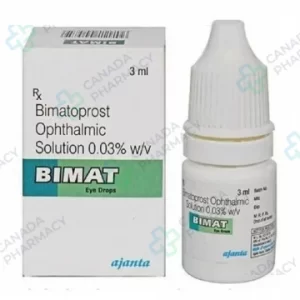
Bimat
Price range: $ 60,00 through $ 330,00
Active substance: Bimatoprost
More Details
This product has multiple variants. The options may be chosen on the product page
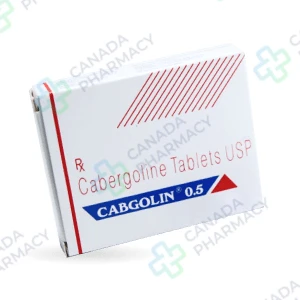
Cabgolin
Price range: $ 134,00 through $ 356,00
Active substance: Cabergoline
More Details
This product has multiple variants. The options may be chosen on the product page

Calcium Carbonate
Price range: $ 41,00 through $ 535,00
Active substance: Calcium Carbonate
More Details
This product has multiple variants. The options may be chosen on the product page
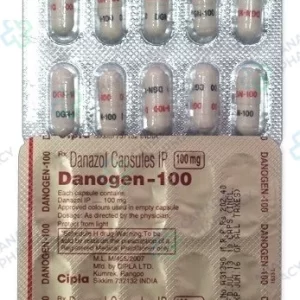
Danazol
Price range: $ 62,00 through $ 480,00
Active substance: Danazol
More Details
This product has multiple variants. The options may be chosen on the product page
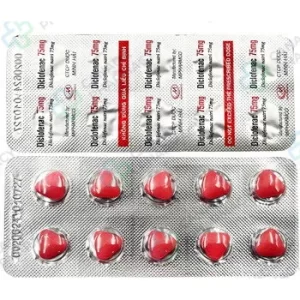
Diclofenac
Price range: $ 49,00 through $ 121,00
Active substance: diclofenac
More Details
This product has multiple variants. The options may be chosen on the product page
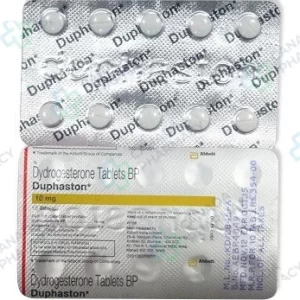
Duphaston
Price range: $ 64,00 through $ 648,00
Active substance: dydrogesterone
More Details
This product has multiple variants. The options may be chosen on the product page

Estriol
Price range: $ 64,00 through $ 137,00
Active substance: Estriol
More Details
This product has multiple variants. The options may be chosen on the product page