

-32%
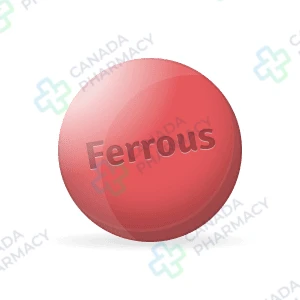
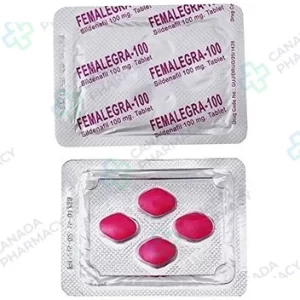
Femalegra
Price range: $ 50,00 through $ 305,00
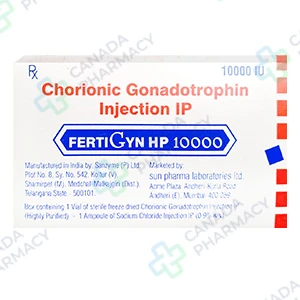
Fertigyn HP
Price range: $ 50,00 through $ 130,00
Ferrous
Price range: $ 60,00 through $ 487,00
Ferrous supplements are highly effective oral treatments designed to prevent and treat iron deficiency anemia. This essential mineral plays a vital role in the production of hemoglobin, which carries oxygen from the lungs throughout the rest of the body. Regular intake helps to restore depleted iron stores and supports overall vitality by reducing symptoms like fatigue and physical weakness. The formula is developed for optimal absorption, ensuring that your body receives the necessary support for healthy red blood cell formation. Incorporate this supplement into your daily routine to maintain a healthy iron balance and promote long-term physical well-being.
Active substance: Ferrous sulfate
Delivery: 5–21 days (depending on the shipping method)
Extra 10% discount with coupon: IT4K6SVM
Each dosage option has its own packaging choices.
Description
Ferrous salts belong to the therapeutic class of hematinic agents designed to replenish essential iron stores within the human body. These oral preparations are primarily utilized in clinical practice to prevent and treat iron deficiency and iron deficiency anemia when nutritional intake alone proves insufficient.
As a critical microelement, iron serves as an indispensable building block for hemoglobin synthesis, supporting oxygen transport from the lungs to peripheral tissues. Oral ferrous formulations are available in several salt forms, including ferrous sulfate, ferrous gluconate, and ferrous fumarate, each containing distinct percentages of elemental iron dispensed in accordance with applicable federal and state regulations.
| Property | Details |
|---|---|
| Active Ingredient | Ferrous iron (as sulfate, gluconate, or fumarate) |
| Therapeutic Class | Hematinic / Iron Preparation |
| Dosage Forms | Oral tablets, film-coated tablets, extended-release capsules, oral liquid solutions |
| Route of Administration | Oral |
| Primary Purpose | Prevention and treatment of iron deficiency anemia |
| Dosing (General) | Individualized based on target elemental iron requirements (typically 60–200 mg elemental iron daily for treatment) |
| Storage | Store at 20°C to 25°C (68°F to 77°F); protect from excessive moisture and child access |
Overview and Pharmacological Profile
Main Uses and Mechanism of Action
Main uses: Oral ferrous preparations are indicated for the prophylaxis and treatment of iron deficiency states. Clinical scenarios calling for iron supplementation include iron deficiency anemia resulting from chronic microvascular blood loss, inadequate dietary intake, malabsorption syndromes, pregnancy, or rapid growth spurts during adolescence. Diagnostic confirmation via laboratory tests–such as serum ferritin, total iron-binding capacity (TIBC), and hemoglobin levels–is recommended prior to initiating therapy.
How the drug works: Iron is an essential constituent of hemoglobin, myoglobin, and several critical respiratory enzymes including cytochromes. In iron deficiency states, the rate of hemoglobin synthesis decreases, leading to microcytic, hypochromic red blood cells. Administration of ferrous iron supplies the divalent cation (Fe2+) required for heme assembly within erythrocyte precursors in the bone marrow. By binding protoporphyrin IX, ferrous iron forms heme, which subsequently combines with globin chains to generate functional hemoglobin, restoring systemic oxygen-carrying capacity.
Dosing, Administration, and Kinetics
Dosing schedule: Specific dosing is calculated based on elemental iron content rather than total salt weight. For reference, 325 mg of dried ferrous sulfate yields approximately 65 mg of elemental iron, 325 mg of ferrous gluconate provides approximately 36 mg of elemental iron, and 325 mg of ferrous fumarate contains roughly 106 mg of elemental iron. Adult therapeutic regimens for iron deficiency anemia generally range from 100 mg to 200 mg of elemental iron per day, divided into two or three doses. Preventive dosing typically ranges from 30 mg to 60 mg of elemental iron daily. Tablets should be swallowed whole with a full glass of water. Enteric-coated or extended-release forms must not be crushed or chewed.
How it’s absorbed and eliminated: Absorption of ferrous iron occurs predominantly in the duodenum and upper jejunum via divalent metal transporter 1 (DMT1). Stomach acid helps maintain iron in the soluble ferrous state; therefore, systemic bio-availability is highest when taken on an empty stomach. Once inside enterocytes, iron is either stored as ferritin or transported across the basolateral membrane via ferroportin into the bloodstream, where it binds plasma transferrin. The body lacks a active excretory pathway for excess iron; elimination occurs passively through mucosal cell shedding, skin desquamation, sweat, urine, and physiological blood loss (approximately 1 mg daily in men and non-menstruating women).
Safety Profile, Interactions, and FAQ
Precautions and Drug Interactions
Important precautions: Accidental overdose of iron-containing products is a leading cause of fatal poisoning in children under 6 years of age. Keep oral ferrous preparations strictly out of reach of children. In case of accidental overdose, call a poison control center or seek emergency medical help immediately. Iron supplementation must be used with caution in individuals with iron overload disorders (such as hemochromatosis or hemosiderosis), active peptic ulcer disease, regional enteritis, or ulcerative colitis, as unabsorbed iron can exert an irritant effect on the gastrointestinal mucosa.
Compatibility with other medicines: Ferrous iron forms insoluble complexes with several classes of medications, significantly impairing their absorption.
- Antibiotics: Co-administration with tetracyclines (e.g., doxycycline) or fluoroquinolones (e.g., ciprofloxacin, levofloxacin) markedly reduces antibiotic efficacy. Separate dosing by at least 2 hours before or 4 to 6 hours after iron administration.
- Antacids and Acid Suppressors: Antacids containing aluminum, magnesium, or calcium, as well as proton pump inhibitors (PPIs) and H2-receptor antagonists, increase gastric pH and diminish iron absorption.
- Thyroid Hormones: Ferrous salts decrease the absorption of levothyroxine; separate administration times by at least 4 hours.
- Ascorbic Acid: Vitamin C (ascorbic acid) at doses of 200 mg or higher enhances non-heme iron absorption by maintaining iron in its reduced ferrous state.
Adverse reactions: The most frequent adverse events associated with oral iron therapy involve the gastrointestinal tract. Patients commonly observe dark or black-colored stools, which is a benign result of unabsorbed iron salts. Other common side effects include constipation, nausea, epigastric distress, abdominal cramping, and diarrhea. Liquid formulations may temporarily stain tooth enamel; dilution with water or juice and administration via a straw helps minimize tooth staining.
What to avoid while taking it: Oral iron should not be taken simultaneously with tea, coffee, milk, eggs, or whole-grain cereals, as phytates, polyphenols, phosphates, and calcium bind iron and reduce systemic absorption. Alcohol consumption does not directly interact with iron, but chronic alcohol abuse can increase iron storage and hepatic toxicity risks.
Missed dose: If a dose is missed, take it as soon as remembered, unless it is almost time for the next scheduled dose. Do not double the dose to make up for a missed tablet.
Storage and expiration: Store at controlled room temperature between 20°C and 25°C (68°F to 77°F). Keep containers tightly closed and protected from excessive heat and moisture. Discard any product that has passed its expiration date.
Special populations: During pregnancy and lactation, iron requirements increase significantly to support fetal growth and maternal blood volume expansion. Standard prenatal iron supplementation is routinely prescribed under clinical supervision. Geriatric patients may experience higher rates of constipation and require dosage adjustments or concurrent stool softeners.
Common Questions
Is it normal for stools to turn dark or black while taking ferrous supplements?
Yes, dark or black-colored stools are a normal and harmless side effect of unabsorbed iron passing through the digestive tract. However, if stools appear tarry, sticky, or are accompanied by stomach pain, fever, or vomiting blood, contact a healthcare provider promptly to rule out gastrointestinal bleeding.
Can ferrous tablets be taken with food if they upset my stomach?
While optimal absorption occurs when iron is taken on an empty stomach (1 hour before or 2 hours after meals), taking the supplement with a light snack or non-dairy meal can reduce stomach irritation if nausea or abdominal discomfort occurs. Avoid taking it with dairy, tea, or coffee.
How long does it take for iron levels to normalize after starting treatment?
Reticulocyte counts usually begin to rise within 3 to 10 days of initiating therapeutic oral iron, while hemoglobin levels typically show measurable improvement within 2 to 4 weeks. Full replenishment of tissue iron stores (measured by serum ferritin) often requires continued therapy for 3 to 6 months after hemoglobin values normalize.
What should I do if severe constipation develops?
Mild constipation is common during oral iron intake. Increasing dietary fiber, staying adequately hydrated, and engaging in light physical activity can help. If constipation persists, a doctor or pharmacist may recommend adjusting the dose, switching iron salt formulations, or adding a stool softener.
Can I take iron supplements at the same time as my daily multivitamin or calcium supplement?
Calcium supplements and high-calcium multivitamins inhibit iron absorption when taken together. It is recommended to space your iron supplement and calcium preparations apart by at least 2 hours to optimize absorption of both nutrients.
This information presented here is not a substitute for professional medical advice. In accordance with FDA requirements.
Additional information
| Dosage |
100 mg |
|---|---|
| Package |
30 pills ,60 pills ,120 pills ,270 pills ,360 pills |
| Ενεργός Ουσία |
Related products
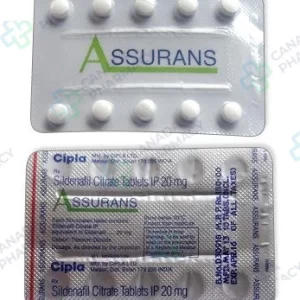
Assurans
Price range: $ 50,00 through $ 70,00
Active substance: Sildenafil Citrate
More Details
This product has multiple variants. The options may be chosen on the product page
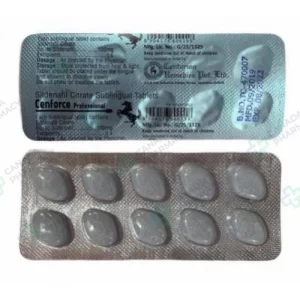
Cenforce Professional
Price range: $ 80,00 through $ 202,00
Active substance: Sildenafil Citrate
More Details
This product has multiple variants. The options may be chosen on the product page
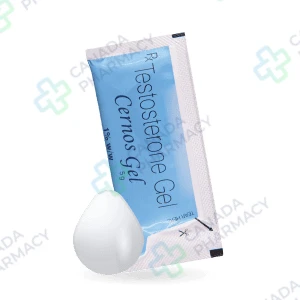
Cernos Gel
Price range: $ 48,00 through $ 120,00
Active substance: Testosterone
More Details
This product has multiple variants. The options may be chosen on the product page
Duralast
Price range: $ 54,00 through $ 140,00
Active substance: Dapoxetine
More Details
This product has multiple variants. The options may be chosen on the product page
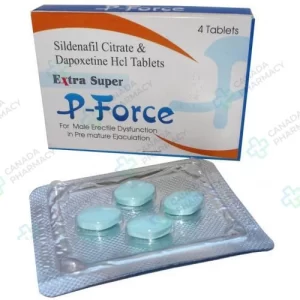
Extra Super P-Force
Price range: $ 72,00 through $ 199,00
Active substance: Dapoxetine, Sildenafil Citrate
More Details
This product has multiple variants. The options may be chosen on the product page
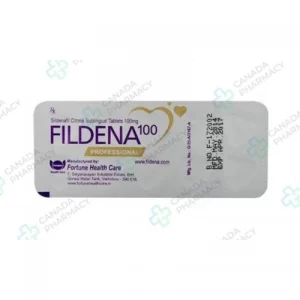
Fildena Professional
Price range: $ 54,00 through $ 200,00
Active substance: Sildenafil Citrate
More Details
This product has multiple variants. The options may be chosen on the product page
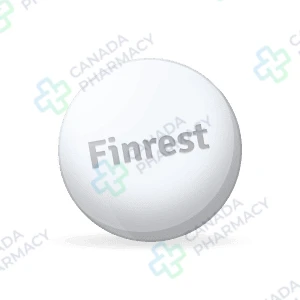
Finrest
Price range: $ 38,00 through $ 109,00
Active substance: Finasteride
More Details
This product has multiple variants. The options may be chosen on the product page
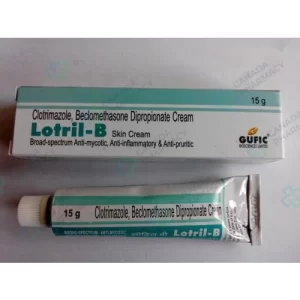
Lotrisone
Price range: $ 41,00 through $ 254,00
Active substance: betamethasone, Clotrimazole
More Details
This product has multiple variants. The options may be chosen on the product page