

-52%

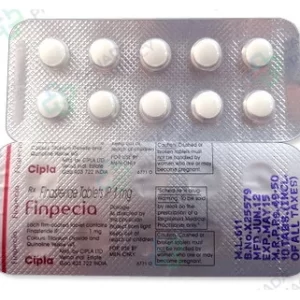
Finpecia
Price range: $ 40,00 through $ 240,00

Flagyl ER
Price range: $ 44,00 through $ 139,00
Finrest
Price range: $ 38,00 through $ 109,00
Finrest is an effective medication specifically designed to protect the stomach lining from damage caused by the regular use of nonsteroidal anti-inflammatory drugs (NSAIDs). It works by decreasing the amount of acid produced by the stomach and replacing natural protective substances that are often depleted by pain medications. This treatment is primarily used to prevent the development of gastric ulcers in patients who require long-term therapy for conditions like arthritis. By maintaining gastrointestinal health, Finrest helps minimize the risk of serious complications such as internal bleeding or stomach perforations. It serves as a vital support for individuals who need consistent pain relief while ensuring their digestive system remains healthy and functional.
Active substance: Finasteride
Delivery: 5–21 days (depending on the shipping method)
Extra 10% discount with coupon: IT4K6SVM
Each dosage option has its own packaging choices.
Description
Finrest belongs to a class of medications known as 5-alpha reductase inhibitors, specifically targeting the enzymatic conversion of testosterone to dihydrotestosterone (DHT). In clinical practice, this prescription drug is utilized to manage conditions mediated by elevated androgenic activity in specific tissues, such as benign prostatic hyperplasia (BPH). Finrest is dispensed in accordance with federal and state regulations in the United States upon presentation of a valid order from a licensed healthcare provider.
Understanding the pharmacology, proper administration, potential interactions, and risk profile of Finrest is essential for optimal treatment outcomes. The following reference details the key clinical parameters of this therapy for patients and healthcare professionals.
| Parameter | Details |
|---|---|
| Active Ingredient | Finasteride |
| Pharmacologic Class | 5-alpha reductase inhibitor |
| Primary Indication | Benign prostatic hyperplasia (BPH) |
| Dosage Form | Oral tablet |
| Administration Route | Oral |
| Prescription Status | Prescription (Rx) |
Pharmacological Profile and Clinical Use
How the drug works
Finrest operates via competitive and specific inhibition of Type II 5-alpha reductase, an intracellular enzyme responsible for converting testosterone into 5-alpha-dihydrotestosterone (DHT). DHT serves as a primary androgen responsible for the initial development and subsequent enlargement of the prostate gland. By blocking Type II 5-alpha reductase, Finrest markedly reduces circulating and intraprostatic levels of DHT. A sustained reduction in DHT concentration leads to a progressive decrease in prostate volume, relief of urinary obstruction, and improvement in urinary flow rates over time. This biochemical action is tissue-selective and does not bind to androgen receptors directly, nor does it possess systemic estrogenic, progestational, or androgenic properties.
What it’s used for
Finrest is primarily indicated for the treatment of symptomatic benign prostatic hyperplasia (BPH) in men with an enlarged prostate. Clinical objectives include reducing the risk of acute urinary retention and decreasing the necessity for surgical interventions such as transurethral resection of the prostate (TURP). It is also prescribed to improve urinary symptoms, including hesitancy, weak stream, nocturia, and incomplete bladder emptying. While the primary FDA-approved indication for the 5 mg formulation is BPH, lower strength formulations of finasteride are prescribed off-label or under distinct labeled indications for male pattern hair loss (androgenetic alopecia). Any use for hair regrowth with Finrest constitutes off-label application unless explicitly labeled for that specific therapeutic intent.
Dosing schedule
The standard dosage for benign prostatic hyperplasia is 5 mg administered orally once daily. Finrest may be taken with or without food, as food co-administration does not significantly alter systemic bioavailability. Tablets must be swallowed whole and should not be crushed, broken, or chewed. Patients should adhere strictly to the schedule prescribed by their clinician. Because therapeutic response develops gradually, continuous daily administration for at least six months may be necessary to evaluate whether a satisfactory clinical response has been achieved. Dosage adjustments are not generally required in elderly individuals or in patients with varying degrees of renal impairment, as renal excretion represents a minor elimination pathway.
How it’s absorbed and eliminated
Following oral administration, finasteride exhibits rapid absorption, reaching peak plasma concentrations approximately one to two hours post-dose. Mean oral bioavailability is approximately 63% relative to an intravenous reference dose. Finasteride is extensively bound to plasma proteins, with protein binding averaging approximately 90%. The circulating compound crosses the blood-brain barrier in minimal amounts. Hepatic metabolism via the cytochrome P450 system–specifically CYP3A4–is the predominant pathway of clearance, yielding two major metabolites that possess minimal inhibitory activity compared to the parent drug. The mean terminal elimination half-life ranges from 6 to 8 hours in adult males, though it may extend slightly in elderly populations. Approximately 39% of the dose is excreted in the urine as metabolites, while 57% is excreted in the feces.
Compatibility with other medicines
Finrest has not demonstrated clinically significant drug-drug interactions in standard metabolic screening panels. Inhibitors or inducers of the cytochrome P450 3A4 enzyme system may alter plasma finasteride concentrations, though dosage adjustments are typically unnecessary. Standard co-administration studies with compounds such as antipyrine, digoxin, propranolol, theophylline, and warfarin revealed no clinically relevant pharmacokinetic interactions. Concurrent administration with alpha-blockers (such as tamsulosin or doxazosin) is commonly practiced in clinical settings to provide rapid symptomatic relief alongside long-term prostate volume reduction. However, patients should disclose all concomitant prescription drugs, over-the-counter agents, and dietary supplements to their healthcare provider prior to initiating therapy.
Safety, Precautions, and Special Considerations
Adverse reactions
Adverse reactions associated with Finrest primarily involve the reproductive system and reflect its anti-androgenic activity. Commonly reported side effects in clinical trials include erectile dysfunction, decreased libido, and ejaculation disorders (such as reduced ejaculatory volume). Breast tenderness and gynecomastia (breast enlargement) have also been reported. In a small subset of individuals, sexual dysfunction parameters may persist even after discontinuation of the medication. Hypersensitivity reactions, including rash, pruritus, and swelling of the lips or face, occur infrequently. Patients should be informed that Finrest lowers serum prostate-specific antigen (PSA) levels by approximately 50%; this baseline adjustment must be factored in when interpreting PSA screening results for prostate cancer detection.
Important precautions
Finrest is strictly contraindicated in women who are pregnant or may potentially become pregnant. Exposure of a male fetus to finasteride can cause abnormalities of the external genitalia due to inhibition of DHT development. Crushed or broken tablets should not be handled by pregnant women because transdermal absorption of the active substance represents a potential risk. Furthermore, prior to initiating therapy, patients must undergo thorough evaluation to rule out prostate cancer or other urological conditions that mimic BPH, as Finrest reduces PSA concentration but does not prevent prostate cancer development. Rare post-marketing reports of high-grade prostate cancer have been observed in clinical studies involving 5-alpha reductase inhibitors. Patients with severe hepatic impairment should use this drug with caution due to extensive liver metabolism.
If you skip a dose
If a dose of Finrest is missed, the patient should skip the missed tablet and resume the standard administration schedule at the regular time the following day. Patients must never double the dose or take additional tablets to compensate for a skipped dose. Maintaining a consistent daily regimen helps maintain predictable serum drug concentrations, which supports steady suppression of dihydrotestosterone and long-term prostate management.
Pregnancy, breastfeeding, and other groups
Finrest is not indicated for use in female patients or pediatric populations. It is classified under strict contraindications during pregnancy because 5-alpha reductase suppression disrupts normal male fetal development. It is unknown whether finasteride is excreted in human breast milk. Elderly patients (aged 65 years and older) do not require specific dose adjustments based solely on age, although systemic elimination may be slightly reduced. Safety and effectiveness in pediatric patients have not been established.
Day-to-day use
For optimal results, Finrest should be integrated into a routine daily habit, such as taking the tablet every morning or evening with a full glass of water. Because long-term adherence is necessary for prostate volume reduction, patients should not stop taking the medication abruptly without consulting their treating physician. Routine follow-up visits, including prostate-specific antigen testing and clinical evaluations, are recommended to monitor progress and safety over prolonged treatment periods.
Storage and expiration
Finrest tablets should be stored at room temperature, ideally between 68°F and 77°F (20°C to 25°C), away from excessive heat, moisture, and direct light exposure. Keep the container tightly closed and out of the reach of children and pets. Do not keep outdated medication or tablets that are no longer needed. Unused tablets should be disposed of in accordance with local pharmaceutical waste disposal guidelines or drug take-back programs.
| Symptom / Event | Recommended Action |
|---|---|
| Swelling of face, lips, tongue, or throat | Seek immediate emergency medical attention |
| Difficulty breathing or swallowing | Seek immediate emergency medical attention |
| Severe skin rash, hives, or peeling | Contact prescriber immediately |
| Unusual breast lumps, pain, or nipple discharge | Consult physician promptly for evaluation |
Common questions
Q1: How long does Finrest take to produce a noticeable improvement in urinary symptoms?
Clinical response to Finrest develops gradually over time. While some patients may notice mild symptom improvement within early weeks of treatment, a continuous daily dosage for at least six months is typically required to assess whether a satisfactory reduction in prostate size and urinary relief has been achieved.
Q2: Why must pregnant women avoid handling Finrest tablets?
Finasteride can be absorbed through the skin if tablets are crushed or broken. If absorbed by a woman carrying a male fetus, the active substance can interfere with the normal development of the fetus’s external genitalia due to inhibition of dihydrotestosterone synthesis.
Q3: Does Finrest affect blood tests used for prostate cancer screening?
Yes, Finrest causes approximately a 50% decrease in serum prostate-specific antigen (PSA) levels after six months of treatment. Prescribers must double the measured PSA value when evaluating screening results to maintain diagnostic accuracy for prostate cancer detection.
Q4: Can sexual side effects continue after stopping Finrest?
In most patients, adverse reactions involving sexual function resolve after treatment is discontinued. However, post-marketing reports indicate that in a small percentage of individuals, sexual dysfunction (such as decreased libido or erectile impairment) has persisted after stopping the medication. Patients should discuss persistent symptoms with their doctor.
Q5: What should happen if a patient undergoes surgery while taking Finrest?
Patients scheduled for surgical or medical procedures should inform their surgical team and anesthesiologist that they are taking Finrest. While Finrest generally does not necessitate cessation prior to non-urological procedures, complete drug history documentation is standard practice to prevent unexpected clinical interactions.
This text is for informational purposes only and does not constitute individual medical advice. In accordance with FDA requirements.
Additional information
| Dosage |
1 mg |
|---|---|
| Package |
30 pills ,60 pills ,90 pills ,120 pills ,180 pills |
| Ενεργός Ουσία |
Related products
Anaconda
Price range: $ 87,00 through $ 225,00
Active substance: Sildenafil Citrate
More Details
This product has multiple variants. The options may be chosen on the product page
Assurans
Price range: $ 50,00 through $ 70,00
Active substance: Sildenafil Citrate
More Details
This product has multiple variants. The options may be chosen on the product page
Avodart
Price range: $ 40,00 through $ 556,00
Active substance: Dutasteride
More Details
This product has multiple variants. The options may be chosen on the product page
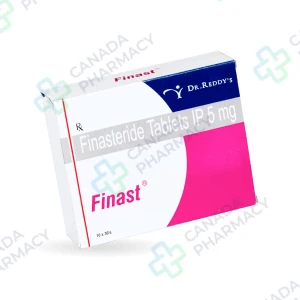
Finast
Price range: $ 78,00 through $ 540,00
Active substance: Finasteride
More Details
This product has multiple variants. The options may be chosen on the product page
Finpecia
Price range: $ 40,00 through $ 240,00
Active substance: Finasteride
More Details
This product has multiple variants. The options may be chosen on the product page
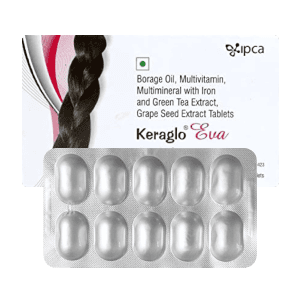
Keraglo Eva
Price range: $ 22,00 through $ 91,00
More Details
This product has multiple variants. The options may be chosen on the product page
Proscare
Price range: $ 46,00 through $ 205,00
Active substance: Finasteride
More Details
This product has multiple variants. The options may be chosen on the product page

Rogaine 5
Price range: $ 47,00 through $ 315,00
Active substance: Minoxidil
More Details
This product has multiple variants. The options may be chosen on the product page