

-88%
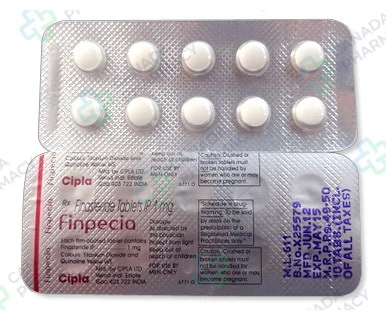
Fincar
Price range: $ 68,00 through $ 176,00
Finrest
Price range: $ 38,00 through $ 109,00
Finpecia
Price range: $ 40,00 through $ 240,00
Finpecia is a highly effective oral medication specifically designed to treat male pattern hair loss, also known as androgenetic alopecia. The active ingredient works by reducing the levels of dihydrotestosterone (DHT), the primary hormone responsible for shrinking hair follicles. Regular use of this treatment helps to significantly slow down the thinning process and can encourage visible hair regrowth on the scalp. This medication is specifically formulated for men looking to address hereditary hair loss at the crown and mid-scalp area. By targeting the underlying cause of balding, Finpecia helps maintain a fuller and thicker appearance of the hair over time.
Active substance: Finasteride
Delivery: 5–21 days (depending on the shipping method)
Extra 10% discount with coupon: IT4K6SVM
Each dosage option has its own packaging choices.
Description
Finpecia belongs to a class of medications known as 5-alpha-reductase inhibitors. It is prescribed for the treatment of male pattern hair loss, also known as androgenetic alopecia, in adult men under appropriate medical supervision.
This medication is dispensed in accordance with applicable federal and state regulations in the United States and requires a valid prescription from a licensed healthcare provider. It is formulated as an oral tablet containing 1 mg of finasteride as its active pharmaceutical ingredient.
Basic Information
| Active ingredient (INN) | Finasteride |
| Therapeutic class | 5-Alpha-Reductase Inhibitor |
| Dosage form | Oral tablet |
| Route of administration | Oral |
| Primary purpose | Treatment of androgenetic alopecia in men |
| Prescription status | Prescription (Rx) only |
How the Drug Works
The active component of Finpecia acts as a specific competitive inhibitor of Type II 5-alpha-reductase, an intracellular enzyme responsible for metabolizing circulating testosterone into dihydrotestosterone (DHT). DHT is the primary androgenic hormone driving the pathogenesis of male pattern hair loss by binding to hair follicle receptors and accelerating the miniaturization of scalp hair follicles.
By selectively blocking the Type II 5-alpha-reductase enzyme, daily administration of 1 mg finasteride reduces serum and scalp DHT concentrations by approximately 60% to 70%. This significant decrease in local scalp DHT levels suppresses follicle miniaturization, helps arrest further hair loss, and promotes hair follicle revitalization in androgen-sensitive areas of the scalp.
Main Uses
Finpecia is indicated strictly for the treatment of male pattern hair loss (androgenetic alopecia) in adult males. Clinical indications focus on men exhibiting mild-to-moderate hair thinning at the vertex (crown) and the anterior mid-scalp area.
This medication is not indicated for use in women or pediatric patients. The safety and effectiveness of finasteride for female pattern hair loss have not been established by regulatory authorities, and its use in female patients is contraindicated, particularly in individuals who are or may become pregnant, due to severe risks of fetal harm.
Dosing Schedule
The standard recommended dosage for adult men is one tablet (1 mg) taken orally once daily. Finpecia may be administered with or without meals, as food intake does not significantly affect the systemic bioavailability of the active drug.
Consistent, daily administration is essential to achieve therapeutic benefits. Continuous treatment for three to six months is generally required before clinical evidence of hair loss stabilization or regrowth can be observed. If treatment is discontinued, the therapeutic benefits begin to reverse within six months and usually return to baseline state within 12 months.
How It’s Absorbed and Eliminated
Following oral administration of a 1 mg finasteride dose, peak plasma concentrations (Cmax) are reached within 1 to 2 hours. The relative oral bioavailability of finasteride is approximately 65%. Plasma protein binding is high, with approximately 90% of the circulating drug bound to serum proteins.
Finasteride crosses the blood-brain barrier in minimal amounts. The active substance is extensively metabolized in the liver, primarily via oxidation through the cytochrome P450 3A4 (CYP3A4) enzyme system. Two main inactive metabolites have been identified in human plasma. The mean terminal elimination half-life ranges between 5 and 6 hours in young and middle-aged adults, extending slightly in elderly individuals. Approximately 39% of the dose is excreted in the urine as metabolites, while 57% is eliminated in the feces.
Compatibility With Other Medicines
Finasteride is metabolized predominantly by the hepatic CYP3A4 enzyme system. However, specific drug interaction studies have demonstrated that finasteride does not significantly alter the pharmacokinetics or clinical efficacy of other compounds metabolized by this pathway.
No clinically significant drug-drug interactions have been identified when co-administered with antipyrine, digoxin, propranolol, theophylline, or warfarin. Although formal interaction studies with other dermatological or systemic treatments for hair loss are limited, no adverse metabolic interactions have been documented. Patients should disclose all current prescription, non-prescription, and herbal products to their prescribing clinician prior to initiating therapy.
Adverse Reactions
Clinical studies and post-marketing surveillance indicate that finasteride is generally well tolerated, though adverse effects can occur. The most commonly reported side effects pertain to sexual function and include decreased libido, erectile dysfunction, and ejaculation disorders (such as reduced volume of ejaculate). These events occur in a small percentage of patients and often resolve upon discontinuation of treatment or over time with continued therapy.
Less common adverse events include breast tenderness, gynecomastia (breast enlargement in males), testicular pain, and hypersensitivity reactions such as localized skin rash, pruritus, urticaria, and swelling of the lips, tongue, or face. Post-marketing reports have also identified rare occurrences of persistent sexual dysfunction following drug cessation, as well as mood alterations including depressed mood, anxiety, and suicidal ideation. Patients experiencing significant psychiatric or physical symptoms should notify their provider immediately.
Important Precautions
Finpecia is strictly contraindicated in women who are pregnant or planning to become pregnant. Finasteride is classified as teratogenic; inhibition of 5-alpha-reductase can cause abnormalities in the external genitalia of a male fetus. Women who are pregnant or of childbearing potential must not handle crushed or broken tablets due to the potential for transdermal absorption.
Caution should be exercised in patients with underlying hepatic impairment, as finasteride undergoes extensive liver metabolism. Furthermore, finasteride administration reduces serum prostate-specific antigen (PSA) concentrations by approximately 50% in men. Healthcare providers must establish a new baseline PSA level after six months of treatment and double the measured PSA values when evaluating tests for prostate cancer screening.
What You May Notice Early On
During the first few weeks to months of taking Finpecia, patients should not expect immediate visible changes in hair density. Hair growth is a slow biological process, and response times vary between individuals.
In some cases, patients may experience a brief period of increased hair shedding within the first 2 to 6 weeks of initiating treatment. This transient shedding often occurs as hair follicles transition from a resting phase to an active growth phase. Patients are advised not to discontinue medication during this phase without consulting their healthcare provider.
Signs of Improvement
Evaluation of treatment efficacy typically occurs between 3 and 12 months after beginning daily therapy. The initial sign of therapeutic response is often a plateau or cessation in the rate of hair loss.
Subsequent signs of improvement may include visible thickening of existing hair shafts and progressive coverage of sparse areas on the scalp. Quantitative hair counts generally peak between 1 and 2 years of uninterrupted treatment. Regular follow-up appointments with a physician help assess treatment success and determine the appropriateness of ongoing maintenance therapy.
If You Skip a Dose
If a daily tablet of Finpecia is missed, the patient should skip the missed dose and take the next dose at the regularly scheduled time the following day.
Patients must not take two tablets or increase the dose to compensate for a missed administration. Doubling the dose does not enhance therapeutic outcome and may increase the likelihood of experiencing undesirable side effects.
Day-to-Day Use
Establishing a consistent routine, such as taking the tablet at the same time every day, helps maintain stable blood levels of the medication. Tablets should be swallowed whole with a glass of water.
Store the medication at controlled room temperature, away from excessive moisture, heat, and direct light. Ensure that the bottle or blister pack is stored securely out of the reach of children and pet animals.
Common Questions
Can women take Finpecia for hair loss?
No, Finpecia is not approved for use in women. It is explicitly contraindicated in women who are pregnant or may become pregnant due to the risk of teratogenic effects on a male fetus. Women should avoid handling crushed or damaged tablets to prevent skin absorption.
What happens if treatment with Finpecia is stopped?
If daily treatment is discontinued, the systemic suppression of DHT subsides, and tissue DHT levels return to baseline over several weeks. Consequently, any hair density gains or reduction in hair loss achieved during therapy will gradually reverse over a period of 6 to 12 months.
Does Finpecia interact with alcohol consumption?
There are no known direct pharmacokinetic interactions between finasteride and moderate alcohol consumption. However, excessive alcohol intake can independently contribute to systemic health issues and should be discussed with your physician.
How does Finpecia affect blood tests for prostate health?
Finasteride lowers serum Prostate-Specific Antigen (PSA) levels by roughly 50%. Clinicians interpreting PSA test results for prostate cancer screening in men taking Finpecia must adjust the reading accordingly by doubling the lab result after six months of continuous drug use.
Are sexual side effects permanent?
In the majority of patients, sexual side effects such as decreased libido or erectile dysfunction resolve after stopping the medication, or diminish with continued daily use. However, rare post-marketing cases of persistent sexual dysfunction after treatment cessation have been reported. Any persistent symptoms should be discussed with a medical professional.
In accordance with FDA requirements.
This text is for informational purposes only and does not constitute individual medical advice.
Additional information
| Dosage |
1mg ,5mg |
|---|---|
| Package |
10 pills ,20 pills ,30 pills ,60 pills ,90 pills ,120 pills ,180 pills ,270 pills ,360 pills |
| Ενεργός Ουσία |
Related products
Avodart
Price range: $ 40,00 through $ 556,00
Active substance: Dutasteride
More Details
This product has multiple variants. The options may be chosen on the product page
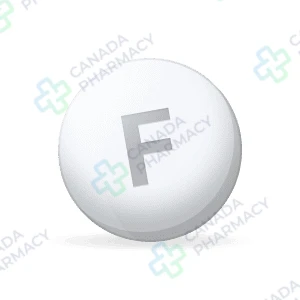
Finax
Price range: $ 51,00 through $ 273,00
Active substance: Finasteride
More Details
This product has multiple variants. The options may be chosen on the product page

Hair Loss Cream
Price range: $ 94,00 through $ 171,00
Active substance: Herbal
More Details
This product has multiple variants. The options may be chosen on the product page
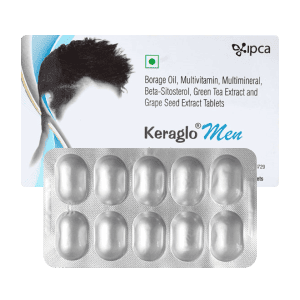
Keraglo Men
Price range: $ 23,00 through $ 83,00
More Details
This product has multiple variants. The options may be chosen on the product page
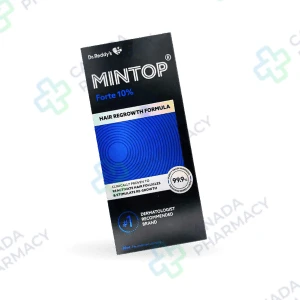
Mintop Solution
Price range: $ 9,00 through $ 213,00
Active substance: Minoxidil
More Details
This product has multiple variants. The options may be chosen on the product page
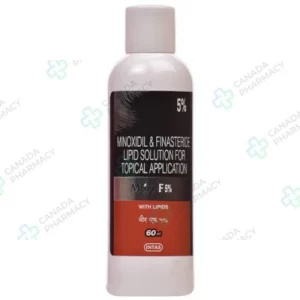
Morr F
Price range: $ 100,00 through $ 307,00
Active substance: Finasteride, Minoxidil
More Details
This product has multiple variants. The options may be chosen on the product page
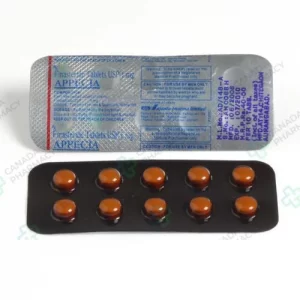
Propecia
Price range: $ 40,00 through $ 215,00
Active substance: Finasteride
More Details
This product has multiple variants. The options may be chosen on the product page
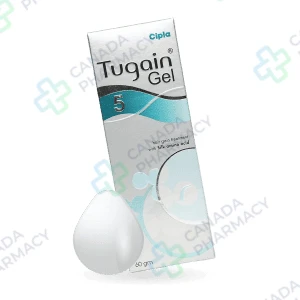
Tugain Gel
Price range: $ 27,00 through $ 91,00
Active substance: Minoxidil
More Details
This product has multiple variants. The options may be chosen on the product page