

-28%
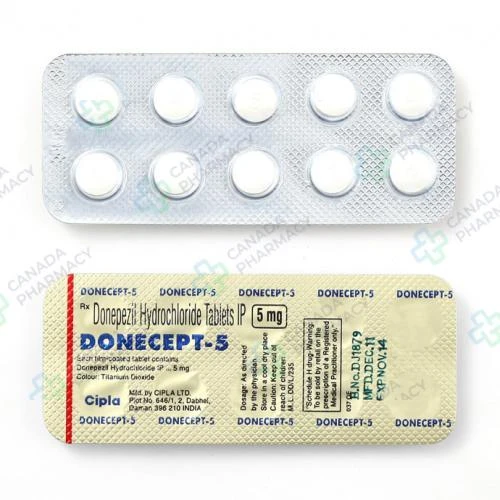

Arcoxia
Price range: $ 42,00 through $ 271,00
Arimidex
Price range: $ 194,00 through $ 441,00
Aricept
Price range: $ 54,00 through $ 264,00
Aricept is a widely recognized medication specifically designed to treat symptoms of dementia caused by Alzheimer’s disease. By inhibiting the breakdown of acetylcholine in the brain, this drug helps maintain essential communication between nerve cells. Patients often experience improvements in cognitive functions such as memory, attention, and logical reasoning. This treatment is effective for managing various stages of Alzheimer’s, ranging from mild to severe cases. Consistent administration supports a better daily routine and helps individuals maintain their independence for a longer period.
Active substance: Donepezil
Delivery: 5–21 days (depending on the shipping method)
Extra 10% discount with coupon: IT4K6SVM
Each dosage option has its own packaging choices.
Description
Aricept belongs to a class of medications known as central acetylcholinesterase inhibitors. It is an FDA-approved prescription medication indicated for the symptomatic treatment of mild, moderate, and severe dementia associated with Alzheimer’s disease. The active pharmaceutical ingredient in this medication is donepezil hydrochloride.
Aricept is dispensed strictly by prescription under the supervision of a licensed physician in accordance with federal and state regulations. It does not cure Alzheimer’s disease, but it helps manage cognitive symptoms by altering neurochemical transmission in the central nervous system.
| Parameter | Details |
|---|---|
| Active ingredient | Donepezil hydrochloride |
| Therapeutic class | Central acetylcholinesterase inhibitor |
| Dosage form | Oral film-coated tablets, Orally disintegrating tablets (ODT) |
| Route of administration | Oral |
| Prescription status | Prescription only (Rx) |
| Primary purpose | Symptomatic treatment of Alzheimer’s dementia |
Clinical Overview and Pharmacological Profile
How the drug works
Donepezil hydrochloride exerts its primary therapeutic effect by reversibly inhibiting acetylcholinesterase, the specific enzyme responsible for the hydrolysis and inactivation of acetylcholine in the central nervous system. In patients with Alzheimer’s dementia, progressive degeneration of cholinergic neurons leads to a marked deficit in brain concentrations of acetylcholine, a neurotransmitter critical for memory, attention, and executive function. By inhibiting acetylcholinesterase, Aricept increases the concentration of available acetylcholine in neural synapses, thereby enhancing cholinergic neurotransmission. The pharmacodynamic action is relative to central cholinesterase activity, with lesser activity on peripheral cholinesterases. It is important to emphasize that Aricept does not alter the underlying structural progression of neurodegenerative disease processes.
Main uses
Aricept is indicated for the treatment of dementia of the Alzheimer’s type across all clinical stages, including mild, moderate, and severe disease. Clinical efficacy has been demonstrated in double-blind, placebo-controlled trials measuring cognitive battery scores and global assessment scales. Prescribers typically establish baseline cognitive performance using validated tools prior to initiating therapy. The application of Aricept for non-Alzheimer dementias, vascular dementia, or age-associated memory impairment without an Alzheimer’s diagnosis is not approved by the FDA and constitutes off-label use requiring individual risk-benefit clinical assessment.
Dosing schedule
Aricept is taken orally once daily, in the evening immediately prior to retiring. The administration of donepezil hydrochloride with or without food does not meaningfully impact the extent or rate of systemic absorption. For mild to moderate Alzheimer’s disease, the standard initial dosage is 5 mg taken once daily. Patients must remain on the 5 mg daily dose for a minimum of four to six weeks before a physician considers increasing the dose to 10 mg once daily. This titration phase allows initial pharmacodynamic adaptation and reduces the risk of acute cholinergic adverse effects. For moderate to severe Alzheimer’s disease, a dosage of 10 mg once daily may be increased to 23 mg once daily after the patient has been maintained on 10 mg daily for at least three months. Orally disintegrating tablets (ODT) should be placed on the tongue to dissolve and followed by water.
What you may notice early on
During the first few weeks of initiating Aricept therapy, patients and caregivers may observe transient mild gastrointestinal symptoms, such as nausea or soft stools. These symptoms reflect expected peripheral cholinergic stimulation and frequently diminish within one to three weeks as physiological tolerance develops. Cognitive or behavioral improvements, such as enhanced stability in daily functional performance, typically manifest gradually over several weeks of continuous dosing rather than immediately after starting therapy.
How it’s absorbed and eliminated
Following oral administration, donepezil hydrochloride is well absorbed from the gastrointestinal tract, reaching peak plasma concentrations within 3 to 4 hours. Relative oral bioavailability approaches 100%. Donepezil displays linear pharmacokinetics across the standard daily dosing range of 1 mg to 10 mg. Systemic plasma protein binding is approximately 96%, primarily to albumin and alpha-1-acid glycoprotein. The elimination half-life of donepezil is prolonged, averaging approximately 70 hours. Consequently, steady-state plasma concentrations are achieved within 15 to 21 days of once-daily administration. Metabolic clearance occurs primarily in the liver through the cytochrome P450 system–specifically isoenzymes CYP2D6 and CYP3A4–followed by glucuronidation. Unchanged parent compound and its metabolic derivatives are eliminated predominantly through renal excretion (approximately 57%) and to a lesser extent via the feces (15%).
Signs of improvement
Evaluating treatment efficacy in progressive neurodegenerative conditions relies on monitoring cognitive stability and daily functional capacity relative to expected disease progression. Signs of clinical response may include maintenance of short-term recall, consistent performance in daily living activities, stabilized orientation, and reduced caregiver burden. Successful outcomes in Alzheimer’s management often correspond to delaying functional decline rather than achieving full cognitive recovery.
Safety Profile and Special Considerations
What not to combine
Co-administration of Aricept with other medicinal products requires evaluation due to metabolic and pharmacodynamic interactions. Anticholinergic medications (such as atropine, benztropine, or certain tricyclic antidepressants) interfere with the therapeutic activity of donepezil, resulting in diminished efficacy for both agents. Synergistic pharmacodynamic actions occur when combined with other cholinesterase inhibitors or cholinomimetic drugs (such as bethanechol). Concomitant administration of nonsteroidal anti-inflammatory drugs (NSAIDs), including ibuprofen and naproxen, increases gastric acid secretion and elevates the clinical risk of gastrointestinal ulceration and hemorrhage. Metabolic interactions involve potent inhibitors of CYP3A4 (ketoconazole, erythromycin) or CYP2D6 (quinidine, fluoxetine), which increase donepezil plasma levels, whereas hepatic enzyme inducers (rifampin, phenytoin, carbamazepine) decrease donepezil concentrations.
Adverse reactions
The side effect profile of Aricept is primarily attributable to central and peripheral cholinergic stimulation. Clinical trials indicate that the most common adverse events include nausea, diarrhea, insomnia, fatigue, muscle cramps, anorexia, and vomiting. These occurrences are predominantly mild, transient, and correlated with dose escalation phases. Serious adverse events reported in clinical literature include syncopal events, marked bradycardia, heart block, severe gastrointestinal ulceration, upper gastrointestinal bleeding, and seizures. Central nervous system reactions can occasionally include nightmares, agitation, or confusion. Weight loss has been observed during extended treatment, necessitating periodic monitoring of body weight in elderly or frail individuals.
If you skip a dose
When a daily dose of Aricept is omitted, the missed dose should be skipped entirely, and the regular schedule resumed the following evening. Two doses should not be ingested simultaneously to make up for a missed tablet. If treatment is interrupted for seven consecutive days or longer, the healthcare provider should be consulted prior to restart, as re-initiating therapy at the initial 5 mg dose may be required to prevent acute gastrointestinal toxicity.
Important precautions
Aricept requires careful medical oversight in patients with pre-existing cardiovascular conditions. Cholinesterase inhibitors exert vagotonic effects on the heart rate, which can precipitate bradycardia, sinus node dysfunction, or heart block, leading to syncopal episodes. Due to increased gastric acid production, patients with a history of peptic ulcer disease or those receiving concurrent NSAID therapy require surveillance for signs of occult gastrointestinal bleeding. In surgical settings, donepezil is likely to exaggerate succinylcholine-type muscle relaxation during anesthesia induction. Patients with severe asthma or chronic obstructive pulmonary disease (COPD) require close monitoring due to potential cholinomimetic bronchoconstriction. Usage during pregnancy or lactation should occur only if the potential benefit justifies the potential risk to the fetus or nursing child. Safety and clinical effectiveness in pediatric populations have not been established.
Storage and expiration
Aricept film-coated tablets and orally disintegrating tablets should be stored at controlled room temperature between 68°F and 77°F (20°C to 25°C), with permitted excursions between 59°F and 86°F (15°C and 30°C) as defined by USP standards. Protect the product from moisture and direct heat, keeping tablets in their original packaging. Keep out of reach of children and domestic animals. Expired or unneeded medications should be discarded via authorized community drug take-back programs.
Common questions
What occurs if Aricept is discontinued abruptly?
Discontinuation of Aricept results in a gradual clearance of the drug from systemic circulation over several days due to its 70-hour half-life. While direct withdrawal symptoms are uncommon, patients may experience a steady decline in cognitive function back to untreated baseline levels. Abrupt cessation should only occur under physician guidance.
Is sleep disruption common when taking Aricept?
Insomnia and vivid or unusual dreams are recognized adverse reactions resulting from enhanced central cholinergic neurotransmission at night. Because Aricept is routinely taken at bedtime, patients experiencing severe sleep disturbances should consult their physician regarding shifting administration to morning hours.
How does impaired liver function affect donepezil clearance?
Because donepezil is extensively metabolized by hepatic CYP2D6 and CYP3A4 enzymes, hepatic impairment can lower drug clearance and increase systemic exposure. Patients with mild to moderate hepatic impairment may require close monitoring, though standard dosing regimens are often maintained under supervision.
Can Aricept be taken with alcohol or routine supplements?
Multivitamin supplements generally do not interact with donepezil. However, ethanol consumption should be avoided or minimized, as alcohol can enhance central nervous system side effects like sedation and dizziness, while increasing the risk of gastric mucosal irritation.
Why is a four-to-six-week period required at the 5 mg dose?
The mandatory initial 5 mg dosing period serves as a titration phase designed to allow peripheral tissue adaptation to cholinergic enhancement. Slow titration significantly reduces the incidence and severity of acute gastrointestinal effects such as nausea, vomiting, and diarrhea before escalating to higher maintenance doses.
Information on this page is for reference and does not replace an assessment by a licensed healthcare professional.
In accordance with FDA requirements.
Additional information
| Dosage |
5mg ,10mg |
|---|---|
| Package |
60 pills ,90 pills ,120 pills ,180 pills ,270 pills ,360 pills |
| Ενεργός Ουσία |
Related products

Arcalion
Price range: $ 25,00 through $ 50,00
Active substance: Sulbutiamine
More Details
This product has multiple variants. The options may be chosen on the product page
Compazine
Price range: $ 40,00 through $ 118,00
Active substance: Prochlorperazine
More Details
This product has multiple variants. The options may be chosen on the product page
Eldepryl
Price range: $ 31,00 through $ 242,00
Active substance: Selegiline
More Details
This product has multiple variants. The options may be chosen on the product page
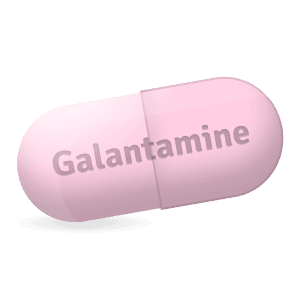
Galantamine
Price range: $ 70,00 through $ 683,00
More Details
This product has multiple variants. The options may be chosen on the product page
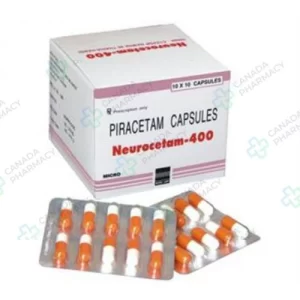
Nootropil
Price range: $ 30,00 through $ 363,00
Active substance: Piracetam
More Details
This product has multiple variants. The options may be chosen on the product page

Pim-800
Price range: $ 43,00 through $ 274,00
Active substance: Paracetamol
More Details
This product has multiple variants. The options may be chosen on the product page
Symmetrel
Price range: $ 47,00 through $ 306,00
Active substance: Amantadine
More Details
This product has multiple variants. The options may be chosen on the product page