

-29%
Silvitra
Price range: $ 96,00 through $ 498,00
Sinequan
Price range: $ 52,00 through $ 399,00
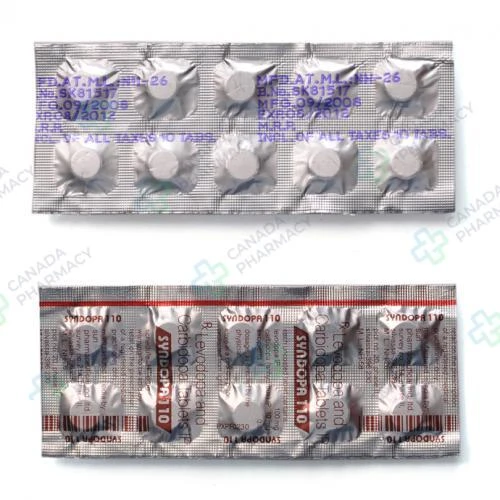
Sinemet
Price range: $ 46,00 through $ 623,00
Sinemet is a highly effective medication primarily used to manage the symptoms of Parkinson’s disease. The treatment combines levodopa and carbidopa to restore dopamine levels in the brain, helping to improve overall muscle control. It effectively targets common motor issues such as tremors, stiffness, and slow movement associated with Parkinson’s conditions. By reducing these physical challenges, the medication allows individuals to maintain greater mobility and independence in their daily lives. This reliable formula is designed for consistent symptom management to provide relief throughout the day.
Delivery: 5–21 days (depending on the shipping method)
Extra 10% discount with coupon: IT4K6SVM
Each dosage option has its own packaging choices.
Description
Sinemet belongs to a class of central nervous system medications known as dopaminergic antiparkinson agents. It combines carbidopa, an aromatic amino acid decarboxylase inhibitor, with levodopa, a metabolic precursor of dopamine.
In the United States, Sinemet is classified as a prescription medication (Rx) regulated under federal law by the US Food and Drug Administration (FDA). It is indicated for the management of motor symptoms associated with Parkinson’s disease and related parkinsonian syndromes following professional medical evaluation.
Clinical Profile and Usage Guidelines
| Property | Details |
|---|---|
| Active Ingredients | Carbidopa / Levodopa |
| Primary Purpose | Parkinson’s disease motor symptom management |
| Prescription Status | Prescription only (Rx) |
| Dosage Forms | Oral tablets (10 mg/100 mg, 25 mg/100 mg, 25 mg/250 mg) |
| Route of Administration | Oral |
| Storage Conditions | 20°C to 25°C (68°F to 77°F); controlled room temperature |
Main uses
Sinemet is FDA-approved for treating idiopathic Parkinson’s disease, post-encephalitic parkinsonism, and symptomatic parkinsonism caused by carbon monoxide or manganese intoxication. The medication targets core motor symptoms, including muscle rigidity, tremor, bradykinesia (slowness of movement), and postural instability. Any use outside of these established indications, such as off-label prescribing for restless legs syndrome or secondary neurological conditions, must be evaluated strictly on an individual basis by a qualified prescriber.
How the drug works
The therapeutic efficacy of Sinemet relies on a targeted dual mechanism. Levodopa is a precursor to dopamine that crosses the blood-brain barrier into the central nervous system, where it undergoes conversion to dopamine, compensating for depleted endogenous dopamine levels in the basal ganglia. Carbidopa does not cross the blood-brain barrier; instead, it inhibits peripheral aromatic L-amino acid decarboxylase. Compared with levodopa monotherapy, this combination prevents peripheral conversion of levodopa into dopamine outside the brain, increasing the amount of levodopa that reaches central brain tissue while substantially decreasing peripheral side effects such as severe nausea.
Dosing schedule
Dosing of Sinemet is highly individualized and determined by clinical response and patient tolerance. Standard immediate-release formulations maintain a fixed ratio of carbidopa to levodopa, typically 1:10 (25 mg/250 mg or 10 mg/100 mg) or 1:4 (25 mg/100 mg). Therapy usually initiates at lower dosages–such as one tablet of 25 mg/100 mg three times daily–and is gradually titrated by the healthcare provider over days or weeks. On one hand, consistent dosage timing maintains steady therapeutic plasma levels; on the other hand, erratic dosing or sudden schedule alterations can produce severe fluctuations in motor control.
How it’s absorbed and eliminated
Levodopa is rapidly absorbed from the small intestine via active amino acid transport systems. Administered alone, levodopa exhibits a short elimination half-life of approximately 50 minutes. When combined with carbidopa, the systemic clearance of levodopa decreases, extending its plasma half-life to approximately 1.5 hours. Levodopa undergoes extensive metabolic conversion, primarily to dopamine via decarboxylation and to 3-O-methyldopa via catechol-O-methyltransferase (COMT), with metabolites primarily excreted in the urine. Carbidopa is absorbed rapidly and eliminated mostly unchanged or as metabolites in urine within 24 hours.
First days of treatment
During the initial phase of treatment, patients may experience variable physical responses while the body adapts to altered dopaminergic activity. Mild gastrointestinal discomfort, slight dizziness, or lightheadedness upon standing up may occur during the first few days. Providers typically begin treatment with low doses to minimize early adverse events. Patients are advised to move cautiously when transitioning from sitting or lying positions during the initial adjustment period.
Signs of improvement
Assessing treatment efficacy involves monitoring core Parkinson’s motor features. Patients often observe improved movement fluidness, decreased muscle stiffness, faster execution of daily tasks, and reduced tremor intensity within days to a few weeks of reaching an effective maintenance dose. If motor responsiveness remains inadequate after several weeks of continuous therapy, the prescribing provider may re-evaluate the total daily dosage or administration intervals.
Compatibility with other medicines
Sinemet exhibits significant pharmacodynamic and pharmacokinetic interactions with several drug classes:
- Non-selective MAO Inhibitors: Concomitant administration with non-selective monoamine oxidase (MAO) inhibitors is contraindicated due to the risk of severe, potentially life-threatening hypertensive crises. MAO inhibitors must be discontinued at least two weeks prior to starting Sinemet.
- Selective MAO-B Inhibitors: May be co-administered cautiously under specialized medical supervision.
- Antihypertensive Agents: Concomitant use may produce additive postural hypotension, requiring adjustment of antihypertensive dosages.
- Dopamine Antagonists: Antipsychotics (such as phenothiazines or butyrophenones) and metoclopramide can block central dopamine receptors, severely antagonizing the therapeutic effects of Sinemet.
- Iron Supplements: Iron salts or multivitamins containing iron can bind levodopa in the gastrointestinal tract, significantly reducing its oral bioavailability.
What to avoid while taking it
Dietary protein can interfere with levodopa absorption because amino acids compete with levodopa for transport across the intestinal wall and the blood-brain barrier. High-protein meals may cause variable or delayed therapeutic effects. Consuming alcohol should be avoided or strictly minimized, as alcohol can potentiate central nervous system depression, drowsiness, and orthostatic hypotension.
Adverse reactions
Adverse effects result from both central and peripheral dopaminergic stimulation. Common reactions include:
- Central Nervous System: Involuntary choreiform or dystonic movements (dyskinesias), hallucinations, confusion, insomnia, anxiety, and sleepiness.
- Gastrointestinal: Nausea, vomiting, loss of appetite, dry mouth, and constipation.
- Cardiovascular: Postural hypotension, cardiac irregularities, and palpitations.
- Other: Darkened saliva, sweat, or urine (a harmless metabolic effect that does not require treatment discontinuation).
Important precautions
Sinemet requires careful administration in specific clinical conditions. Patients with a history of severe cardiovascular disease, active peptic ulcer disease, bronchial asthma, or chronic open-angle glaucoma require ongoing medical monitoring. Dopaminergic drugs have been associated with sudden, unannounced onset of sleep during activities; patients experiencing excessive somnolence must refrain from driving. Impulse control disorders–such as compulsive gambling, sexual urges, or binge spending–have been reported in patients receiving dopaminergic agents. Use in pediatric patients has not been established, and use during pregnancy or lactation requires explicit physician consultation to evaluate potential risks and benefits.
| Red Flag Symptom | Immediate Action Required |
|---|---|
| Swelling of the face, lips, tongue, or throat; difficulty breathing | Seek emergency medical care immediately (signs of severe hypersensitivity). |
| Severe mental changes, suicidal ideation, or severe hallucinations | Contact your prescribing doctor or emergency services right away. |
| Chest pain, severe palpitations, or irregular heartbeat | Obtain urgent medical evaluation at an emergency facility. |
| Sudden onset of severe muscle rigidity, high fever, and altered consciousness | Seek emergency care immediately (possible Neuroleptic Malignant Syndrome-like reaction). |
| Severe, uncontrollable involuntary movements (dyskinesia) | Contact your healthcare provider promptly for dosage evaluation. |
Storage and expiration
Store Sinemet tablets at controlled room temperature between 20°C and 25°C (68°F to 77°F), with permitted excursions between 15°C and 30°C (59°F to 86°F) under United States Pharmacopeia (USP) guidelines. Keep the bottle tightly closed, protected from light and excessive moisture. Store safely out of reach of children. Discard any medication that has passed the expiration date printed on the bottle.
Frequently Asked Questions
What should I do if a dose of Sinemet is missed?
If a dose is missed, it should be taken as soon as remembered, unless it is nearly time for the next scheduled dose. Patients should never double the dose to make up for a missed tablet. Maintaining consistent intervals between doses helps prevent unpredictable motor fluctuations or return of symptoms.
Is it safe to drive while taking Sinemet?
Driving or operating machinery requires caution when taking Sinemet. Because levodopa can cause somnolence and episodes of sudden sleep onset without preceding warning signs, patients experiencing significant drowsiness or motor instability should avoid operating vehicles or hazardous equipment until cleared by their physician.
Why does urine or sweat sometimes turn dark while taking Sinemet?
Levodopa metabolites can cause body fluids–including urine, sweat, and saliva–to darken to a reddish, brown, or black color. This discoloration is chemically harmless, resulting from normal metabolic breakdown products, and does not indicate organ damage or toxicity.
Can Sinemet be stopped abruptly without doctor approval?
Sinemet should never be stopped suddenly without direct medical supervision. Abrupt withdrawal or rapid dose reduction can precipitate a severe symptom complex resembling Neuroleptic Malignant Syndrome, characterized by high fever, muscular rigidity, confusion, and autonomic instability. Tapering must always be managed gradually by a prescriber.
This text is for informational purposes only and does not constitute individual medical advice.
In accordance with FDA requirements.
Related products
Arcalion
Price range: $ 25,00 through $ 50,00
Active substance: Sulbutiamine
More Details
This product has multiple variants. The options may be chosen on the product page
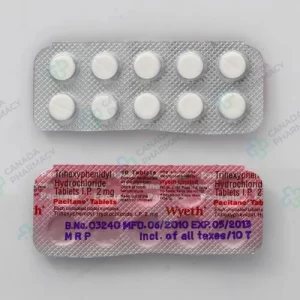
Artane
Price range: $ 48,00 through $ 115,00
Active substance: Trihexyphenidyl
More Details
This product has multiple variants. The options may be chosen on the product page

Cerecetam
Price range: $ 58,00 through $ 255,00
Active substance: Piracetam
More Details
This product has multiple variants. The options may be chosen on the product page
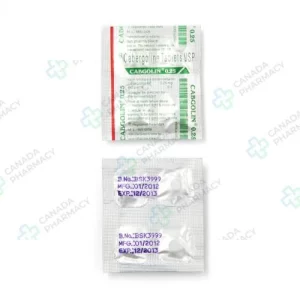
Dostinex
Price range: $ 114,00 through $ 362,00
Active substance: Cabergoline
More Details
This product has multiple variants. The options may be chosen on the product page
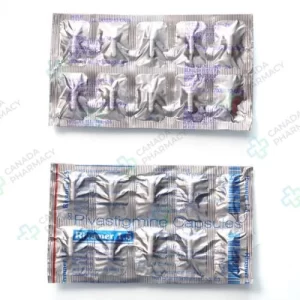
Exelon
Price range: $ 19,00 through $ 299,00
Active substance: Rivastigmine
More Details
This product has multiple variants. The options may be chosen on the product page
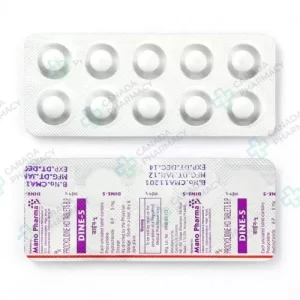
Kemadrin
Price range: $ 41,00 through $ 281,00
Active substance: procyclidine
More Details
This product has multiple variants. The options may be chosen on the product page
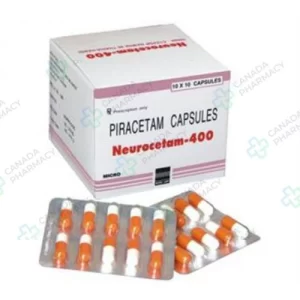
Nootropil
Price range: $ 30,00 through $ 363,00
Active substance: Piracetam
More Details
This product has multiple variants. The options may be chosen on the product page
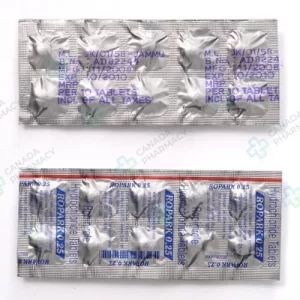
Requip
Price range: $ 50,00 through $ 493,00
Active substance: Ropinirole
More Details
This product has multiple variants. The options may be chosen on the product page