-20%
Aromasin
Price range: $ 123,00 through $ 1 152,00
Artvigil
Price range: $ 65,00 through $ 398,00
Artane
Price range: $ 48,00 through $ 115,00
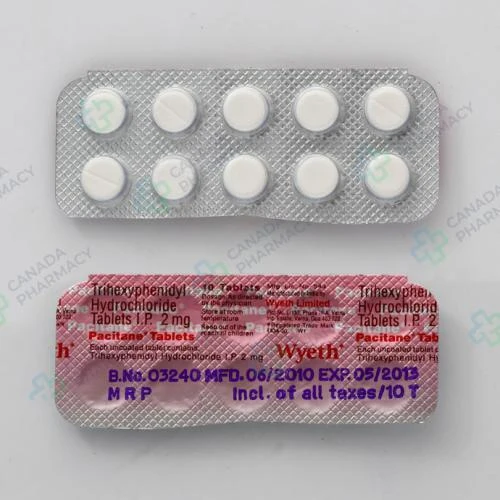
Artane is an effective medication primarily used to manage the symptoms of Parkinson’s disease. It works by balancing certain natural substances in the body to help reduce muscle stiffness and improve walking ability. This treatment is highly beneficial for controlling severe tremors and enhancing overall muscle coordination. Additionally, Artane is utilized to treat extrapyramidal reactions, such as involuntary muscle movements, caused by specific central nervous system drugs. By stabilizing muscle control, this medication helps patients regain better physical mobility and comfort in their daily activities.
Active substance: Trihexyphenidyl
Delivery: 5–21 days (depending on the shipping method)
Extra 10% discount with coupon: IT4K6SVM
Each dosage option has its own packaging choices.
Description
Artane belongs to a class of medications known as central anticholinergic agents. The drug contains trihexyphenidyl hydrochloride, an active ingredient that acts primarily on the central nervous system to balance specific neurotransmitters. It is prescribed as an adjunct in managing various forms of parkinsonism and drug-induced movement disorders.
As a prescription medication in the United States, Artane is dispensed under federal and state regulations upon authorization from a licensed healthcare provider. Proper administration requires careful adherence to individualized dosing regimens established by a physician.
| Active ingredient | Trihexyphenidyl hydrochloride |
| Primary purpose | Symptomatic control of parkinsonism and drug-induced extrapyramidal symptoms |
| Route of administration | Oral |
| Dosage form | Oral tablet, oral elixir |
| Prescription status | Prescription only (Rx) |
| Storage | Store at room temperature (20°C to 25°C / 68°F to 77°F) away from excess moisture |
Clinical Overview and Pharmacological Profile
How the drug works: Artane exerts its therapeutic action by inhibiting parasympathetic nerve impulses. The active substance, trihexyphenidyl hydrochloride, functions as a competitive antagonist at central and peripheral muscarinic acetylcholine receptors. In parkinsonian conditions, an imbalance exists between dopaminergic and cholinergic neurotransmission in the basal ganglia. By blocking excessive cholinergic activity, Artane aids in restoring neurotransmitter balance, thereby reducing muscle rigidity, tremor, and sialorrhea (excessive salivation). Additionally, it possesses a direct antispasmodic effect on smooth muscle structures.
Main Uses and Indications
The primary FDA-approved indications for Artane include treatment as an adjunct in all forms of parkinsonism, including postencephalitic, arteriosclerotic, and idiopathic varieties. It is also indicated for the control of extrapyramidal disorders caused by central nervous system drugs, such as phenothiazines, thioxanthenes, and butyrophenones. In clinical practice, trihexyphenidyl is sometimes prescribed off-label for the management of generalized or focal dystonia; however, off-label application requires specialized neurological supervision to evaluate risk-to-benefit ratios.
Dosing schedule: Dosing of Artane must be individualized by the prescribing physician based on therapeutic response and patient tolerability. Therapy typically begins with a low initial daily dosage, such as 1 mg or 2 mg orally, which is gradually titrated upward at intervals of 3 to 5 days. For parkinsonism, total daily doses generally range between 5 mg and 15 mg, divided into three or four doses taken at mealtime. When administered alongside levodopa, the dose of both agents may require precise adjustment. Patients should follow the specific directions provided on their prescription label.
What happens in the body: Following oral administration, Artane is rapidly absorbed from the gastrointestinal tract. Clinical onset of central anticholinergic action typically occurs within 1 hour after ingestion. Peak therapeutic response is achieved within 2 to 3 hours, with effects extending over a period of 6 to 12 hours. Trihexyphenidyl undergoes metabolic processes in the body and is primarily eliminated via renal excretion. Pharmacokinetic parameters may show variability among elderly individuals or patients with impaired organ function.
Compatibility with other medicines: Co-administration of Artane with other drugs possessing anticholinergic properties–including sedating antihistamines, tricyclic antidepressants, monoamine oxidase inhibitors (MAOIs), and certain phenothiazines–may lead to additive anticholinergic toxicity. Concomitant use with central nervous system depressants, such as alcohol or sedatives, can intensify drowsiness and cognitive impairment. Additionally, because anticholinergic agents reduce gastrointestinal motility, Artane may alter the absorption rate or bioavailability of other orally ingested medications.
Adverse Reactions and Safety
Adverse reactions associated with Artane stem mainly from its central and peripheral anticholinergic profile. Frequently observed side effects include dry mouth, blurred vision, constipation, urinary hesitancy or retention, and mild dizziness. Nervous system effects can include drowsiness, confusion, restlessness, and memory impairment, particularly at higher dosage levels. Gastrointestinal distress, such as mild nausea or vomiting, may also occur. Patients experiencing persistent or distressing side effects should notify their healthcare provider for advice regarding dose modulation.
Important Precautions
Artane requires cautious administration in patients with narrow-angle glaucoma, as anticholinergic agents may increase intraocular pressure and potentially precipitate acute angle closure. Pre-existing cardiac conditions, such as hypertension, cardiac arrhythmias, or coronary artery disease, require close monitoring due to potential tachycardia. Geriatric patients exhibit heightened sensitivity to anticholinergic effects, carrying an elevated risk of cognitive impairment, severe confusion, hallucinations, and urinary retention. Use during pregnancy or breastfeeding requires rigorous evaluation of potential risks versus benefits by a healthcare professional.
What to avoid while taking it: Consuming alcoholic beverages while taking Artane should be avoided, as alcohol accentuates central nervous system depression, marked by increased somnolence, dizziness, and impaired coordination. Artane can be taken before or after meals depending on patient tolerance; taking it with food or immediately after meals may reduce minor gastrointestinal discomfort. If severe dry mouth occurs, maintaining adequate fluid intake or utilizing sugar-free hard candies may assist, provided there are no medical fluid restriction orders.
Red flags: Immediate medical evaluation is required if severe adverse events arise during treatment with Artane. Patients or caregivers must seek emergency assistance upon observing signs of acute angle-closure glaucoma, such as eye pain, visual disturbances, or severe headache accompanied by nausea. Rapid or irregular heartbeat, inability to pass urine, extreme hyperthermia (high fever with lack of sweating), severe agitation, visual hallucinations, or signs of a serious allergic reaction (swelling of the face, lips, tongue, or difficulty breathing) demand urgent medical attention.
Common Questions and Patient Guidance
If you skip a dose: If a scheduled dose of Artane is missed, it should be taken as soon as remembered, provided it is not almost time for the next scheduled dose. Patients should never double the dose to make up for a missed administration. Taking two doses simultaneously increases the likelihood of experiencing anticholinergic toxicity and severe adverse reactions.
Practical tips: Due to potential side effects such as blurred vision, drowsiness, and impaired alertness, patients taking Artane should exercise caution when operating heavy machinery, driving motor vehicles, or engaging in hazardous tasks until their response to the medication is fully established. Careful oral hygiene is recommended to prevent dental complications associated with long-term dry mouth. Storage should occur at controlled room temperature, protected from extreme heat, light, and humidity.
Common Questions
What should I do if Artane causes severe dry mouth?
Dry mouth is a recognized anticholinergic effect of Artane. Maintaining frequent sips of water, chewing sugar-free gum, or using oral moisturizing sprays may help relieve symptoms. If dry mouth persists or impairs swallowing, a doctor should be consulted for further recommendations.
Can Artane be stopped abruptly?
Discontinuing Artane suddenly can cause a sudden rebound of parkinsonian symptoms or severe extrapyramidal reactions. Any dosage reduction or cessation must be executed gradually under the direct supervision of a prescribing physician.
Is Artane safe for elderly individuals?
Elderly patients are more susceptible to anticholinergic side effects, including confusion, memory problems, hallucinations, and urinary retention. Physicians typically initiate treatment in older adults at the lowest effective dose while closely monitoring cognitive and physical tolerance.
How does Artane interact with heat and high temperatures?
Artane can decrease body perspiration. In hot weather or during strenuous exercise, reduced sweating elevates the risk of hyperthermia and heat stroke. Patients are advised to stay hydrated and avoid prolonged exposure to high environmental temperatures.
What happens if Artane is taken with prescription sleeping aids?
Combining Artane with sedative medications, sleeping pills, or central nervous system depressants can produce additive drowsiness, confusion, and impaired motor coordination. Patients must inform their healthcare provider of all concurrent medications prior to starting Artane.
In accordance with FDA requirements.
This text is for informational purposes only and does not constitute individual medical advice.
Additional information
| Dosage |
2mg |
|---|---|
| Package |
90 pills ,120 pills ,180 pills ,270 pills |
| Ενεργός Ουσία |
Related products
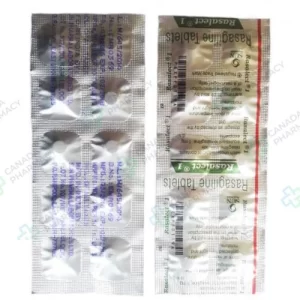
Azilect
Price range: $ 17,00 through $ 46,00
Active substance: Rasagiline
More Details
This product has multiple variants. The options may be chosen on the product page
Cerecetam
Price range: $ 58,00 through $ 255,00
Active substance: Piracetam
More Details
This product has multiple variants. The options may be chosen on the product page
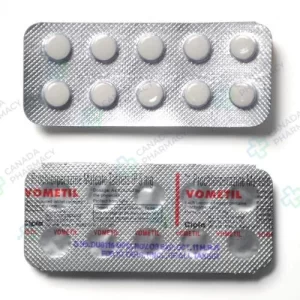
Compazine
Price range: $ 40,00 through $ 118,00
Active substance: Prochlorperazine
More Details
This product has multiple variants. The options may be chosen on the product page
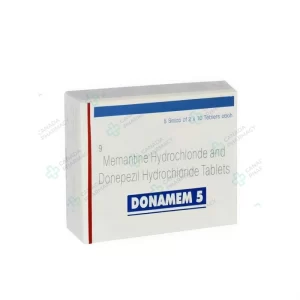
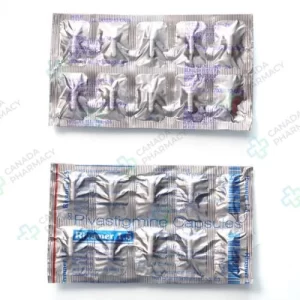
Exelon
Price range: $ 19,00 through $ 299,00
Active substance: Rivastigmine
More Details
This product has multiple variants. The options may be chosen on the product page
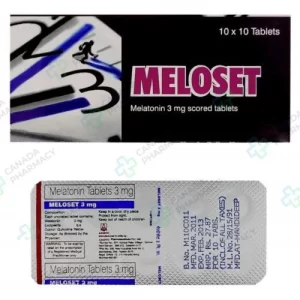
Melatonin
Anti-Inflammatories, AntiConvulsants, AntiParasitics, Cancer, Dementias, HIV, Migraine, Osteoporosis, Respiratory Tract
Price range: $ 46,00 through $ 201,00
Active substance: Melatonin
More Details
This product has multiple variants. The options may be chosen on the product page
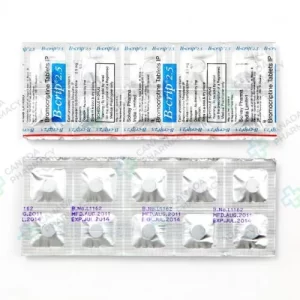
Parlodel
Price range: $ 50,00 through $ 468,00
Active substance: Bromocriptine
More Details
This product has multiple variants. The options may be chosen on the product page