-24%
Memantine
Price range: $ 43,00 through $ 359,00
2B12
Price range: $ 38,00 through $ 72,00
Donamem
Price range: $ 21,00 through $ 127,00
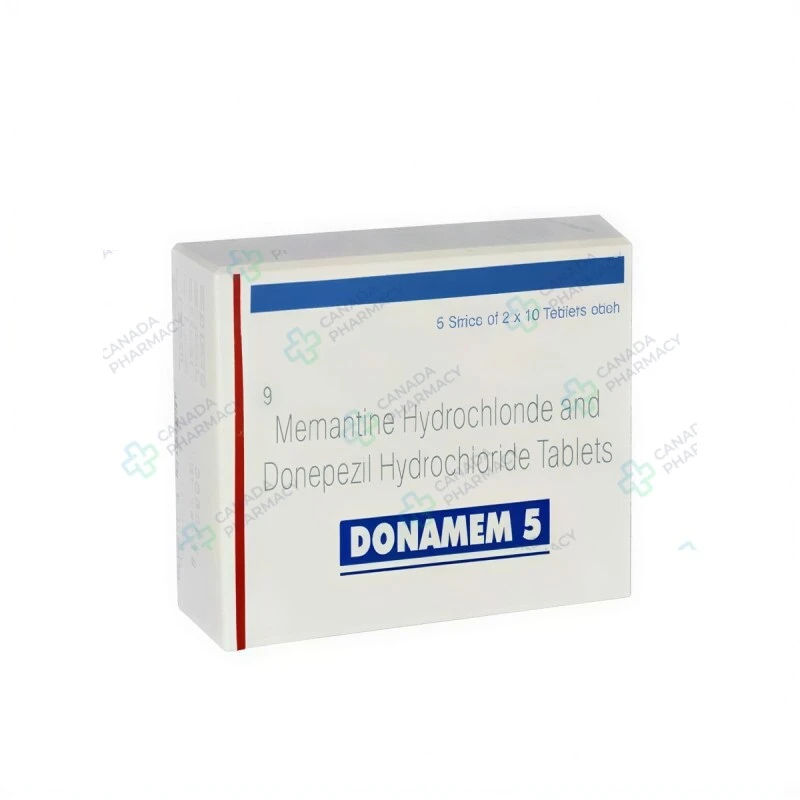
Donamem is an effective combination medication specifically formulated to manage moderate to severe symptoms of Alzheimer’s disease. It contains donepezil, which helps improve cognitive function by increasing the levels of essential neurotransmitters in the brain. The inclusion of memantine further assists in regulating glutamate activity to help protect brain cells and enhance mental clarity. By combining these two active ingredients, this treatment aims to stabilize memory, awareness, and the ability to perform daily tasks. This dual-action formula provides a streamlined approach for individuals seeking comprehensive support for neurodegenerative health.
Delivery: 5–21 days (depending on the shipping method)
Extra 10% discount with coupon: IT4K6SVM
Each dosage option has its own packaging choices.
Description
Donamem belongs to a combination class of central nervous system agents, integrating a cholinesterase inhibitor with an N-methyl-D-aspartate (NMDA) receptor antagonist. It is prescribed for managing moderate-to-severe dementia of the Alzheimer’s type in patients who are clinically stabilized on its individual active components.
This dual-action oral medication combines donepezil hydrochloride and memantine hydrochloride into a single daily treatment regimen. In the United States, obtaining this medication requires a valid prescription from a licensed healthcare provider, who determines the specific formulation and dosage appropriate for patient safety and clinical management.
Donamem: Clinical Overview and Pharmacological Profile
Key Information Summary
| Parameter | Details |
|---|---|
| Active Ingredients (INN) | Donepezil Hydrochloride, Memantine Hydrochloride |
| Therapeutic Class | Central Nervous System Agent / Anti-Alzheimer’s Combination |
| Dosage Form | Oral capsule / tablet |
| Route of Administration | Oral |
| Primary Purpose | Management of moderate-to-severe dementia of the Alzheimer’s type |
| Prescription Status | Dispensed in accordance with applicable federal and state regulations (Rx only) |
How the Drug Works
Donamem operates through two distinct, complementary neurochemical pathways to address cognitive decline. Donepezil acts as a reversible inhibitor of acetylcholinesterase, the enzyme responsible for breaking down acetylcholine in synaptic clefts. By preventing acetylcholine degradation, donepezil elevates cortical levels of this neurotransmitter, supporting residual cholinergic function. Concurrently, memantine functions as an uncompetitive, low-affinity NMDA receptor antagonist. Pathological elevation of glutamate in Alzheimer’s disease leads to persistent receptor activation and excitotoxic neuronal injury; memantine blocks excess glutamate stimulation without interfering with physiological signal transmission. Together, these mechanisms aim to stabilize cognitive performance more effectively than monotherapy alone.
Main Uses
Donamem is FDA-approved specifically for the treatment of moderate-to-severe dementia of the Alzheimer’s type. It is not indicated for mild cognitive impairment or general age-related memory loss. Clinical protocols specify that fixed-dose combination therapy is intended for patients already established and stable on equivalent doses of donepezil and memantine administered as separate preparations. Any off-label administration for non-Alzheimer dementias, such as vascular dementia or frontotemporal degeneration, lacks regulatory backing and requires individualized risk-benefit evaluation by a prescribing physician.
First Days of Treatment
When initiating or transitioning to Donamem, patients and caregivers may observe varied early responses. While some individuals adapt smoothly, the initial days of treatment frequently involve transient gastrointestinal events, including mild nausea or loose stools, as the digestive tract responds to cholinergic stimulation. Therapeutic improvements in memory or functional abilities do not occur immediately; cognitive benefits develop gradually over weeks to months. Caregivers should monitor physical tolerance, daily routines, and sleep patterns during this phase, reporting any pronounced changes in heart rate or balance to the clinical team.
Dosing Schedule
Donamem must be administered precisely as directed by a qualified healthcare professional. The standard schedule involves taking one dose daily, typically in the evening prior to sleep. Oral doses should be swallowed whole with water and must not be chewed, crushed, or divided, as altering the dosage form disrupts the designed release kinetics of the active substances. Donamem may be taken with or without food; however, taking it alongside a light meal can help mitigate potential gastrointestinal discomfort. Dosing adjustments remain strictly under medical supervision, particularly for patients with hepatic or renal considerations.
What Happens in the Body
Following oral administration, both active components display well-characterized pharmacokinetic profiles. Donepezil is well absorbed through the gastrointestinal tract, reaching peak plasma concentration within 3 to 4 hours, and possesses a long elimination half-life of approximately 70 hours, supporting once-daily administration. It undergoes hepatic metabolism via cytochrome P450 enzymes (CYP2D6 and CYP3A4) and is excreted in both urine and feces. Memantine is rapidly absorbed, reaching peak concentration in 3 to 7 hours, with an elimination half-life ranging from 60 to 80 hours. Memantine undergoes minimal liver metabolism and is excreted predominantly unchanged by the kidneys via tubular secretion.
Safety Considerations and Patient Guidance
Compatibility with Other Medicines
Donamem presents important drug interaction profiles due to its dual active substances. Concomitant use with other cholinesterase inhibitors or cholinergic agonists (such as bethanechol) can produce additive pharmacological effects, increasing cholinergic toxicity risks. Conversely, anticholinergic medications–including certain sedating antihistamines, tricyclic antidepressants, and bladder antispasmodics–may antagonize the therapeutic effects of donepezil. Memantine clearance is reduced by agents that alkalinize the urine, such as carbonic anhydrase inhibitors or sodium bicarbonate, leading to higher systemic exposure. Furthermore, combining Donamem with other NMDA antagonists like amantadine or ketamine is generally avoided due to potential neurological adverse effects.
What Side Effects May Occur
The adverse reaction profile of Donamem incorporates potential side effects from both donepezil and memantine. Common gastrointestinal symptoms include nausea, vomiting, diarrhea, loss of appetite, and gradual weight loss. Central nervous system reactions include insomnia, dizziness, headache, fatigue, and vivid dreams. Muscle cramps and bradycardia (slow heart rate) are also recognized risks. While many mild side effects diminish as tolerance builds, persistent or bothersome symptoms warrant medical evaluation to balance therapeutic benefits against functional comfort.
Important Precautions
Careful clinical oversight is necessary for specific patient groups taking Donamem. Because of donepezil’s vagotonic action on the heart, patients with underlying sick sinus syndrome, bradycardia, or cardiac conduction abnormalities face elevated risks of syncope or heart block. Gastrointestinal monitoring is critical for individuals with a history of peptic ulcer disease or those taking concomitant nonsteroidal anti-inflammatory drugs (NSAIDs), given the risk of increased gastric acid secretion. Patients with severe asthma or chronic obstructive pulmonary disease (COPD) require caution due to potential airway reactivity. In patients with severe renal impairment, dose modifications of the memantine component are clinically indicated.
Emergency Warning Signs
| Symptom Category | Red Flag Manifestation |
|---|---|
| Hypersensitivity | Swelling of the face, lips, tongue, or throat; acute difficulty breathing |
| Cardiovascular | Abnormally slow pulse, severe dizziness, fainting (syncope), or chest pain |
| Gastrointestinal Bleeding | Vomiting blood or material resembling coffee grounds; black, tarry stools |
| Neurological | New or worsening seizures; severe confusion or extreme agitation |
Day-to-Day Use
Establishing a consistent daily routine helps maintain therapeutic continuity. Caregivers often align Donamem administration with a regular evening habit, such as night-time preparations. Using pill organizers or visual tracking logs helps prevent missed or duplicated doses. Because dizziness or motor unsteadiness can occur, implementing environmental safety measures at home–such as removing trip hazards, maintaining adequate lighting, and installing bathroom grab bars–supports patient safety.
If You Skip a Dose
If a dose of Donamem is missed, it should be taken as soon as remembered on the same day. If it is close to the time for the next scheduled dose, the missed dose should be skipped entirely, resuming the regular regimen the following day. Caregivers should never double the dose to make up for a missed capsule. If treatment is interrupted for several consecutive days, contact the prescribing healthcare provider prior to restarting, as gradual dose re-titration may be required.
Frequently Asked Questions
Can Donamem reverse memory loss caused by Alzheimer’s disease?
Donamem does not cure Alzheimer’s disease or reverse existing neurodegeneration. It is formulated to help manage symptoms and temporarily slow down the rate of cognitive and functional decline by supporting neurotransmitter activity in the brain.
How long does it take to evaluate whether Donamem is working?
Therapeutic responses to Donamem develop gradually. Clinical effects on memory, attention, or daily functioning are typically evaluated by a physician after 4 to 12 weeks of continuous, uninterrupted daily use.
Is it safe to consume alcohol while taking Donamem?
Alcohol consumption is generally discouraged during Donamem therapy. Ethanol can compound central nervous system adverse effects, increasing the likelihood of dizziness, confusion, and impaired motor coordination.
What should be done if the patient has difficulty swallowing the tablet or capsule whole?
Donamem dosage forms should not be crushed, split, or chewed, as altering the pill disturbs its controlled-release mechanics. If swallowing difficulties occur, consult the prescribing physician or pharmacist to discuss alternative management strategies.
Does Donamem interfere with the ability to drive safely?
Alzheimer’s disease itself progressively impairs cognitive and motor skills needed for safe driving. Additionally, Donamem can cause side effects like dizziness or fatigue. Driving safety should be assessed directly by a qualified physician.
Storage and Expiration
Donamem should be stored at room temperature, ideally between 68°F and 77°F (20°C to 25°C), away from excessive heat, direct sunlight, and moisture. Store the medication in its original child-resistant container with the cap firmly secured. Do not store tablets in high-humidity areas, such as bathroom cabinets. Unused or expired medication should be disposed of through community drug take-back programs or local pharmacy waste procedures.
This material is educational. Only a licensed prescriber can determine whether a medication is appropriate for you. In accordance with FDA requirements.
Related products
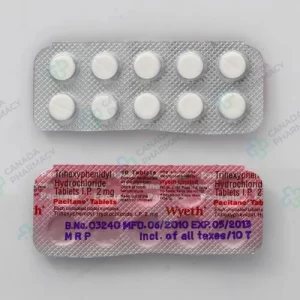
Artane
Price range: $ 48,00 through $ 115,00
Active substance: Trihexyphenidyl
More Details
This product has multiple variants. The options may be chosen on the product page
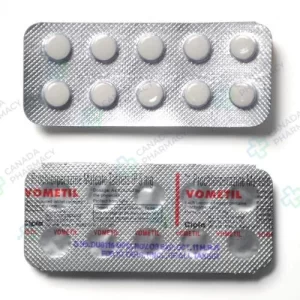
Compazine
Price range: $ 40,00 through $ 118,00
Active substance: Prochlorperazine
More Details
This product has multiple variants. The options may be chosen on the product page
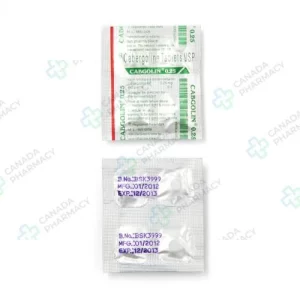
Dostinex
Price range: $ 114,00 through $ 362,00
Active substance: Cabergoline
More Details
This product has multiple variants. The options may be chosen on the product page
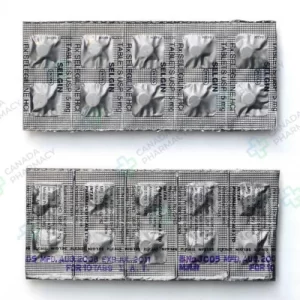
Eldepryl
Price range: $ 31,00 through $ 242,00
Active substance: Selegiline
More Details
This product has multiple variants. The options may be chosen on the product page
Galantamine
Price range: $ 70,00 through $ 683,00
More Details
This product has multiple variants. The options may be chosen on the product page
Parlodel
Price range: $ 50,00 through $ 468,00
Active substance: Bromocriptine
More Details
This product has multiple variants. The options may be chosen on the product page
Pim-800
Price range: $ 43,00 through $ 274,00
Active substance: Paracetamol
More Details
This product has multiple variants. The options may be chosen on the product page