-53%
Filitra Professional
Price range: $ 54,00 through $ 366,00
Donamem
Price range: $ 21,00 through $ 127,00
Memantine
Price range: $ 43,00 through $ 359,00
Memantine is an effective medication specifically indicated for the treatment of moderate to severe dementia associated with Alzheimer’s disease. This medication works as an NMDA receptor antagonist by regulating glutamate activity, which is crucial for processing and storing information in the brain. By balancing these chemical signals, it helps improve cognitive function, memory, and the ability to perform daily tasks. Consistent use can slow the progression of symptoms and enhance the overall quality of life for patients. It remains a primary therapeutic choice for managing cognitive decline in the advanced stages of neurological health.
Active substance: Memantine hydrochloride
Delivery: 5–21 days (depending on the shipping method)
Extra 10% discount with coupon: IT4K6SVM
Each dosage option has its own packaging choices.
Description
Memantine belongs to a class of medications known as uncompetitive N-methyl-D-aspartate (NMDA) receptor antagonists. It is indicated for the treatment of moderate to severe dementia of the Alzheimer’s type. In the United States, memantine is regulated as a prescription medication (Rx only) and must be administered under appropriate medical supervision.
This monograph serves as an informational reference detailing the pharmacologic profile, clinical indications, dosing schedules, potential drug interactions, and safety considerations for memantine. Clinical management decisions should always be directed by a licensed healthcare professional.
| Parameter | Details |
|---|---|
| Active ingredient | Memantine hydrochloride |
| Therapeutic class | NMDA receptor antagonist |
| Dosage forms | Oral tablet, extended-release oral capsule, oral solution |
| Route of administration | Oral |
| Prescription status | Prescription only (Rx) |
| Primary indication | Moderate to severe Alzheimer’s disease |
How the drug works
Memantine operates as an uncompetitive, low-to-moderate affinity N-methyl-D-aspartate (NMDA) receptor antagonist. Pathological activation of NMDA receptors by the neurotransmitter glutamate is believed to contribute to the neurodegenerative process observed in Alzheimer’s disease. Persistent excitotoxicity caused by excessive glutamate stimulation damages neuronal membranes and impairs normal signal transmission. Memantine selectively binds to open NMDA receptor-operated cation channels, blocking the sustained tonic influx of calcium ions while allowing physiological transmission required for learning and memory functions. This receptor modulation helps preserve functional signal processing without interfering with normal physiological neurotransmission.
Main uses
The primary FDA-approved indication for memantine is the treatment of moderate to severe dementia associated with Alzheimer’s disease. It is utilized to help manage cognitive decline and functional impairment in affected individuals. Memantine is not indicated for the reversal of underlying neurodegenerative pathology, nor does it cure Alzheimer’s disease. Clinical use in mild Alzheimer’s disease, vascular dementia, or psychiatric disorders–such as obsessive-compulsive disorder or major depressive disorder–is considered off-label and lacks formal approval from regulatory authorities. Prescribers evaluate individual patient profiles before initiating off-label therapy.
Dosing schedule
Dosing of memantine requires a gradual titration schedule to optimize therapeutic efficacy while minimizing potential central nervous system adverse effects. Immediate-release formulations (5 mg and 10 mg tablets) typically begin at a daily starting dose of 5 mg once daily. The dose is generally increased in weekly increments of 5 mg per day up to a maximum recommended maintenance target of 20 mg per day, administered as 10 mg twice daily. Extended-release capsules (7 mg, 14 mg, 21 mg, and 28 mg) begin at 7 mg once daily and are escalated weekly to a maximum target dose of 28 mg once daily. For patients with severe renal impairment (creatinine clearance of 5 to 29 mL/min), the recommended target dose is reduced to 10 mg daily for immediate-release or 14 mg daily for extended-release formulations.
How it’s absorbed and eliminated
Memantine demonstrates complete oral absorption, displaying an absolute bioavailability of approximately 100%. Following oral administration of immediate-release tablets, peak plasma concentration (Tmax) is reached within 3 to 8 hours, whereas extended-release formulations reach peak levels in approximately 9 to 12 hours. Food co-administration does not significantly alter total drug absorption. Memantine rapidly distributes throughout body tissues, readily crossing the blood-brain barrier. It undergoes minimal hepatic metabolism, with approximately 74% of a dose excreted unchanged in the urine. The terminal elimination half-life ranges from 60 to 80 hours. Urinary clearance involves active tubular secretion dependent on renal function and urinary pH levels.
Compatibility with other medicines
Co-administration of memantine with drugs that increase urinary pH can significantly reduce renal clearance, leading to elevated plasma levels of memantine. Systemic alkalinizing agents, including sodium bicarbonate and carbonic anhydrase inhibitors (such as acetazolamide or methazolamide), may cause marked alterations in urinary excretion. Combining memantine with other NMDA receptor antagonists, such as amantadine, ketamine, or dextromethorphan, is generally discouraged due to an increased incidence of adverse neurological effects, including confusion, hallucination, or psychosis. Combined use with acetylcholinesterase inhibitors (such as donepezil or rivastigmine) is common in clinical practice and does not adversely alter the pharmacokinetics of either agent.
Adverse reactions
The administration of memantine may produce central nervous system and gastrointestinal side effects. Clinical trials indicate that common adverse reactions occurring at an incidence higher than placebo include dizziness, headache, confusion, constipation, and hypertension. These events are predominantly mild to moderate in severity and often transient during initial dosage titration. Less frequent adverse events include fatigue, somnolence, hallucination, vomiting, hypertonia, and coughing. Severe reactions, although uncommon, include hypersensitivity reactions, severe cutaneous eruptions, pancreatitis, and seizure activity. Patients experiencing sudden neurological decline or signs of severe allergic reactions require immediate clinical evaluation.
Important precautions
Caution is advised when administering memantine to individuals with severe renal impairment, hepatic compromise, or a prior history of seizure disorders. Alterations in urinary pH toward an alkaline state–resulting from drastic dietary shifts (e.g., transition to a strict vegetarian diet), severe urinary tract infections, or renal tubular acidosis–can prolong memantine half-life and elevate serum levels. Careful monitoring of cardiovascular parameters is recommended in patients with pre-existing hypertension or cardiac conditions. Usage during pregnancy or lactation should occur only if the potential benefit justifies potential fetal or neonatal risk, as comprehensive human clinical trials during pregnancy are limited.
Food and alcohol interactions
Memantine may be taken without regard to food intake, as food does not clinically alter the rate or extent of drug absorption. However, concurrent consumption of alcoholic beverages is discouraged. Alcohol may compound central nervous system effects associated with memantine, such as dizziness, sedation, impairment of motor coordination, and reduced cognitive processing capacity.
What you may notice early on
During the initial weeks of memantine therapy, patients and caregivers may observe mild transient side effects such as lightheadedness or drowsiness during dose escalation steps. Therapeutic benefit in cognitive or functional stability is typically gradual and may take several weeks to become noticeable. Consistent adherence to the weekly titration schedule helps minimize early central nervous system sensitivity.
If you skip a dose
If a single dose of memantine is missed, the patient should take the missed dose as soon as remembered unless it is nearly time for the next scheduled dose. Double doses should not be administered to compensate for a missed dose. If treatment is interrupted for several consecutive days, restarting therapy at the maintenance dose may increase adverse effects, and re-titration under medical advice may be necessary.
Storage and expiration
Memantine formulations should be stored at controlled room temperature between 68°F and 77°F (20°C to 25°C), with temporary excursions permitted between 59°F and 86°F (15°C to 30°C). Products must be kept protected from excessive moisture and direct light. Liquid preparations should be kept tightly closed in their original container. Any expired or unused medication should be disposed of in accordance with local environmental safety guidelines.
Common questions
How long does it take for memantine to show clinical effects?
The onset of noticeable clinical effects with memantine is typically gradual. Because the medication requires a step-wise weekly dose titration to achieve therapeutic blood levels, improvements or stabilization in cognitive function, memory, or daily activities generally manifest over several weeks to a few months. Caregivers and patients should maintain realistic expectations and continue daily administration as prescribed by their healthcare provider.
Can memantine stop Alzheimer’s disease from progressing completely?
Memantine does not cure Alzheimer’s disease nor does it completely halt the underlying progressive neurodegenerative process. Clinical trials demonstrate that memantine helps manage symptoms by modulating glutamate activity, which can lead to temporary stabilization or a slower rate of cognitive decline in moderate to severe stages. It supports functional ability and symptomatic control rather than providing disease-reversing disease modification.
What should be done if a patient accidentally takes a double dose?
Accidental administration of a double dose of memantine increases the risk of acute central nervous system adverse events, including severe dizziness, confusion, agitation, or gastrointestinal distress. The patient’s caregiver or healthcare provider should monitor the individual closely and contact a local poison control center or seek urgent medical evaluation if severe symptoms develop. Hydration and supportive care are standard management approaches.
Is dose adjustment necessary for individuals with kidney disease?
Yes, dose adjustments are necessary for patients with significant renal impairment because memantine is primarily eliminated unchanged by the kidneys. For patients with severe renal impairment (creatinine clearance between 5 and 29 mL/min), the maximum recommended daily maintenance dose is reduced to 10 mg daily for immediate-release forms or 14 mg daily for extended-release forms. Patients with mild-to-moderate impairment generally do not require dose reduction but should be monitored regularly.
This text is for informational purposes only and does not constitute individual medical advice. In accordance with FDA requirements.
Additional information
| Dosage |
5 mg ,10 mg |
|---|---|
| Package |
30 pills ,60 pills ,90 pills ,180 pills |
| Ενεργός Ουσία |
Related products
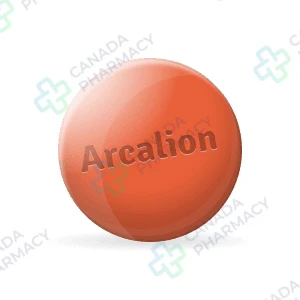
Arcalion
Price range: $ 25,00 through $ 50,00
Active substance: Sulbutiamine
More Details
This product has multiple variants. The options may be chosen on the product page
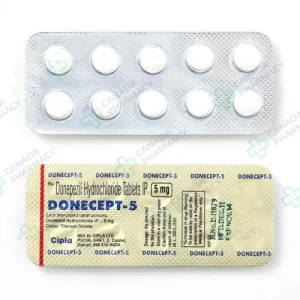
Aricept
Price range: $ 54,00 through $ 264,00
Active substance: Donepezil
More Details
This product has multiple variants. The options may be chosen on the product page
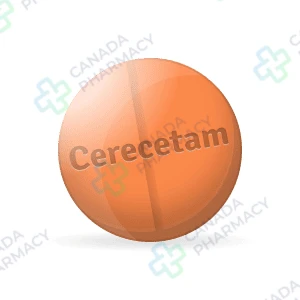
Cerecetam
Price range: $ 58,00 through $ 255,00
Active substance: Piracetam
More Details
This product has multiple variants. The options may be chosen on the product page
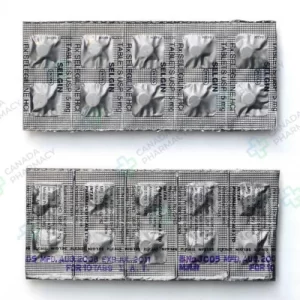
Eldepryl
Price range: $ 31,00 through $ 242,00
Active substance: Selegiline
More Details
This product has multiple variants. The options may be chosen on the product page
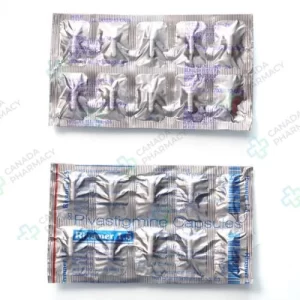
Exelon
Price range: $ 19,00 through $ 299,00
Active substance: Rivastigmine
More Details
This product has multiple variants. The options may be chosen on the product page
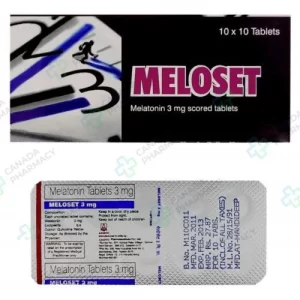
Melatonin
Anti-Inflammatories, AntiConvulsants, AntiParasitics, Cancer, Dementias, HIV, Migraine, Osteoporosis, Respiratory Tract
Price range: $ 46,00 through $ 201,00
Active substance: Melatonin
More Details
This product has multiple variants. The options may be chosen on the product page
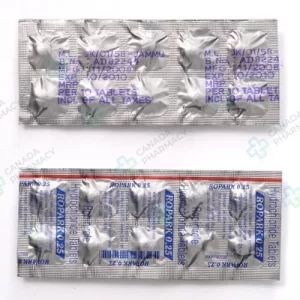
Requip
Price range: $ 50,00 through $ 493,00
Active substance: Ropinirole
More Details
This product has multiple variants. The options may be chosen on the product page