

-44%
Elmiron
Price range: $ 151,00 through $ 512,00
Memantine
Price range: $ 43,00 through $ 359,00
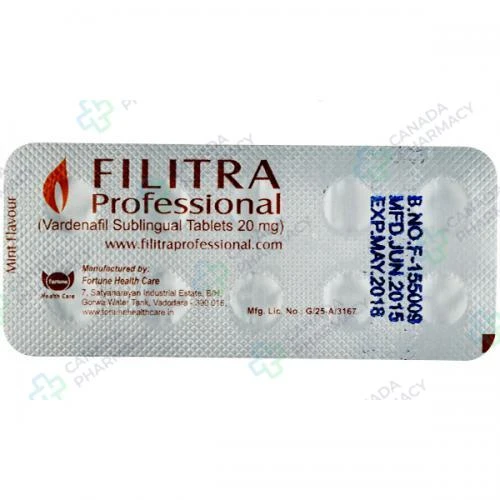
Filitra Professional
Price range: $ 54,00 through $ 366,00
Filitra Professional is an advanced sublingual medication specifically formulated to treat erectile dysfunction in men. The active ingredient, Vardenafil, works by increasing blood flow to the male organ to help achieve and maintain a firm erection during physical intimacy. Its sublingual tablet form ensures rapid absorption directly into the bloodstream, allowing the treatment to take effect much faster than traditional oral pills. This potent formula provides consistent results and a reliable window of activity, helping to restore sexual confidence and performance. Filitra Professional offers a discreet and effective solution for those looking to improve their sexual health and enjoy a satisfying intimate experience.
Active substance: Vardenafil
Delivery: 5–21 days (depending on the shipping method)
Extra 10% discount with coupon: IT4K6SVM
Each dosage option has its own packaging choices.
Description
Filitra Professional belongs to a group of medicines called phosphodiesterase type 5 (PDE5) inhibitors, containing vardenafil as its active pharmaceutical ingredient. In the United States, it is classified as a prescription-only medication intended exclusively for the treatment of erectile dysfunction in adult men.
The medication is formulated as a sublingual, fast-dissolving tablet designed for oral mucosal absorption into the systemic circulation. Therapy must be conducted under the direct supervision of a licensed healthcare provider to evaluate cardiovascular risk and underlying health conditions prior to use.
| Attribute | Details |
|---|---|
| Drug Name | Filitra Professional |
| Active Ingredient (INN) | Vardenafil |
| Therapeutic Class | Phosphodiesterase Type 5 (PDE5) Inhibitor |
| Dosage Form | Sublingual / orally disintegrating tablet |
| Route of Administration | Sublingual (oral mucosal absorption) |
| Prescription Status | Prescription (Rx) only |
Pharmacology and Clinical Administration
How the drug works
Vardenafil acts by selectively inhibiting the cyclic guanosine monophosphate (cGMP)-specific phosphodiesterase type 5 (PDE5) enzyme. Under physiological conditions, sexual stimulation triggers the local release of nitric oxide (NO) from vascular nerve endings and endothelial cells within the corpus cavernosum of the penis. Nitric oxide subsequently stimulates the enzyme guanylate cyclase, resulting in elevated intracellular levels of cGMP. Elevated cGMP induces smooth muscle relaxation in the arterial walls of penile erectile tissue, facilitating increased blood flow into the cavernous bodies. The PDE5 enzyme normally degrades cGMP to return the tissue to a flaccid state; by inhibiting PDE5, vardenafil preserves therapeutic cGMP concentrations, aiding in achieving and maintaining an erection during natural sexual stimulation.
What happens in the body
Following sublingual administration, vardenafil is absorbed through the oral mucosa directly into systemic circulation. Peak plasma concentrations (Cmax) are typically reached within 30 to 60 minutes in a fasting state. Vardenafil exhibits a high volume of distribution and is approximately 95% bound to plasma proteins, primarily plasma albumin and alpha-1 acid glycoprotein. Hepatic metabolism is the primary route of elimination, driven predominantly by the cytochrome P450 enzyme system, specifically the CYP3A4 isoenzyme, with minor contributions from CYP3A5 and CYP2C isoforms. The major circulating metabolite, N-desethyl vardenafil, exhibits selective PDE5 activity but accounts for a small fraction of overall clinical activity. The terminal elimination half-life of vardenafil ranges between 4 and 5 hours. Excretion occurs mainly through the feces (approximately 80% to 88%), with renal excretion accounting for a smaller portion (approximately 2% to 13%).
Main uses
Vardenafil is indicated solely for the treatment of erectile dysfunction (ED) in adult males, defined as the persistent or recurrent inability to attain or sustain a penile erection sufficient for satisfactory sexual performance. The drug is not indicated for use in women, pediatric patients, or adolescent males under 18 years of age. Off-label indications are not supported by standard FDA-approved labeling and require specialized clinical evaluation before consideration.
Signs of improvement
Therapeutic efficacy is demonstrated when a patient is able to achieve a firm erection adequate for penetration following appropriate sexual stimulation. The medication does not spontaneously induce penile erection in the absence of sexual arousal. If adequate response is not achieved after initial administration, patients should consult their prescribing physician rather than altering the dosage independently.
Dosing schedule
Filitra Professional sublingual tablets must be placed under the tongue and allowed to dissolve completely without chewing or swallowing whole with water. The standard recommended starting dose of vardenafil is 10 mg, administered approximately 25 to 60 minutes prior to sexual activity. Based on individual therapeutic efficacy and tolerability, the dosage may be adjusted by a physician down to 5 mg or up to a maximum recommended dose of 20 mg. The maximum recommended dosing frequency is once per day (every 24 hours). For patients aged 65 years or older, or those with moderate hepatic impairment, a initial starting dose of 5 mg is generally recommended by clinical guidelines.
If you skip a dose
Because Filitra Professional is administered strictly on an as-needed basis prior to sexual activity and not on a continuous daily schedule, a missed dose scenario is not clinically relevant. Patients must never administer a double dose or take extra medication within a single 24-hour window to make up for an unadministered tablet.
Safety Profile, Interactions, and Common Questions
Compatibility with other medicines
Vardenafil exhibits critical pharmacokinetic and pharmacodynamic interactions. Concomitant administration with organic nitrates (such as nitroglycerin, isosorbide mononitrate, or isosorbide dinitrate) or nitric oxide donors (such as amyl nitrite) is strictly contraindicated, as it can induce sudden, severe, and potentially life-threatening systemic hypotension. Simultaneous administration with alpha-blockers (e.g., tamsulosin, doxazosin) requires extreme caution due to additive blood pressure-lowering effects; patients should be stable on alpha-blocker therapy prior to initiating PDE5 inhibitor treatment. Potent CYP3A4 inhibitors–including ketoconazole, itraconazole, ritonavir, and indinavir–substantially increase systemic vardenafil exposure, necessitating lower starting doses or complete avoidance. Co-administration with Class IA (e.g., quinidine, procainamide) or Class III (e.g., amiodarone, sotalol) antiarrhythmic medications should be avoided due to the potential for concentration-dependent QTc interval prolongation.
What to avoid while taking it
While sublingual administration reduces direct interaction with gastric contents, consuming high-fat meals shortly before or around administration may delay peak plasma levels and diminish peak therapeutic effect. Grapefruit and grapefruit juice must be strictly avoided, as compounds in grapefruit inhibit the hepatic CYP3A4 enzyme, leading to unpredictable increases in systemic drug levels and a higher incidence of adverse events. Ethanol (alcohol) possesses independent blood pressure-lowering properties; combining moderate to heavy alcohol consumption with vardenafil heightens the risk of orthostatic dizziness, headache, increased heart rate, and impaired erectile performance.
Important precautions
Prior to prescribing vardenafil, a doctor must evaluate the underlying cardiovascular health of the patient, as sexual activity carries a degree of cardiac risk. Vardenafil is not recommended for patients with a recent history of myocardial infarction or stroke within the preceding 6 months, unstable angina, severe heart failure, resting hypotension (blood pressure under 90/50 mmHg), or uncontrolled hypertension. Patients with severe hepatic impairment (Child-Pugh Class C) or end-stage renal disease requiring hemodialysis have not been adequately studied, and use is generally not recommended. Extreme caution is warranted in patients with anatomical penile deformities (such as Peyronie’s disease) or conditions predisposing to priapism (such as sickle cell anemia, multiple myeloma, or leukemia).
Adverse reactions
Adverse effects associated with vardenafil are primarily related to its systemic vasodilatory properties. Common adverse reactions reported in clinical trials include headache, flushing, nasal congestion, dyspepsia, and dizziness. Less frequent side effects include back pain, myalgia, altered vision (such as transient color tinge or light sensitivity), and tinnitus. Rare but serious adverse events include sudden decrease or total loss of hearing, non-arteritic anterior ischemic optic neuropathy (NAION) leading to permanent visual loss, and priapism. Patients must report any persistent or severe adverse reactions to their primary care provider.
Red flags
Emergency medical attention must be sought immediately if a patient experiences any of the following severe adverse symptoms during or after using vardenafil:
- Chest pain, pressure, or shortness of breath during sexual activity.
- An erection lasting longer than 4 hours (priapism), which can cause permanent structural damage to penile tissue.
- Sudden partial or complete loss of vision in one or both eyes.
- Sudden decrease or loss of hearing, sometimes accompanied by dizziness or tinnitus.
- Symptoms of a severe hypersensitivity reaction, including swelling of the face, lips, tongue, or throat, or severe skin rash.
- Severe dizziness, fainting, or syncope upon standing.
Common questions
Can vardenafil be taken concurrently with blood pressure medications?
Vardenafil possesses mild systemic vasodilatory properties that lower blood pressure. When combined with antihypertensive agents–particularly alpha-blockers–additive hypotensive effects can occur. A prescribing physician must carefully assess concurrent blood pressure medications and adjust dosages accordingly to minimize orthostatic risks.
What is the clinical management process if an erection lasts longer than four hours?
A prolonged erection lasting more than four hours is a medical emergency known as priapism. Immediate treatment at an urgent care facility or emergency room is required to aspirate trapped blood and prevent irreversible ischemic tissue injury and permanent erectile dysfunction.
How does sublingual administration differ from standard oral tablets?
Sublingual tablets dissolve directly under the tongue, allowing active ingredient absorption through the rich oral vascular mucosa. This bypasses first-pass hepatic metabolism during initial absorption, typically yielding a faster onset of action compared to conventional swallowed oral tablets.
Does vardenafil impair the ability to drive or operate machinery?
Vardenafil can cause dizziness, lightheadedness, and transient visual alterations in some individuals. Patients should observe their individual response to the medication before driving, operating heavy machinery, or engaging in tasks requiring sharp mental focus.
What step should be taken if visual disturbances occur during therapy?
If a patient notices sudden visual impairment, loss of vision in one or both eyes, or changes in color perception, they must immediately discontinue vardenafil administration and undergo an urgent ophthalmological evaluation to rule out non-arteritic anterior ischemic optic neuropathy.
This text is for informational purposes only and does not constitute individual medical advice. In accordance with FDA requirements.
Additional information
| Dosage |
20 mg |
|---|---|
| Package |
10 pills ,20 pills ,30 pills ,60 pills ,90 pills ,120 pills |
| Ενεργός Ουσία |
Related products
Alprostadil
$ 450,00
Active substance: Alprostadil
More Details
This product has multiple variants. The options may be chosen on the product page
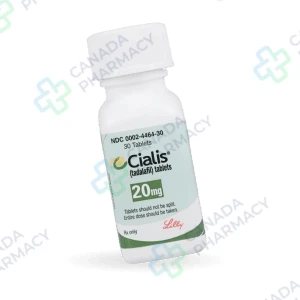
Bottled Cialis
Price range: $ 152,00 through $ 334,00
Active substance: Tadalafil
More Details
This product has multiple variants. The options may be chosen on the product page
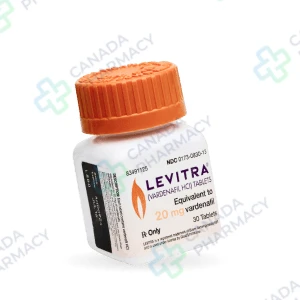
Bottled Levitra
Price range: $ 158,00 through $ 347,00
Active substance: Vardenafil
More Details
This product has multiple variants. The options may be chosen on the product page
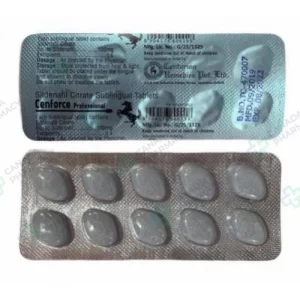
Cenforce Professional
Price range: $ 80,00 through $ 202,00
Active substance: Sildenafil Citrate
More Details
This product has multiple variants. The options may be chosen on the product page
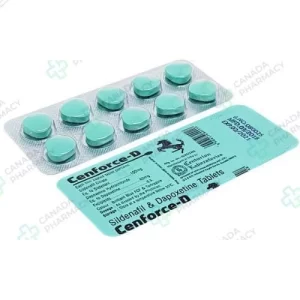
Cenforce-D
Price range: $ 41,00 through $ 792,00
Active substance: Dapoxetine, Sildenafil
More Details
This product has multiple variants. The options may be chosen on the product page
Cialis Daily
Price range: $ 43,00 through $ 285,00
Active substance: Tadalafil
More Details
This product has multiple variants. The options may be chosen on the product page
Cialis Sublingual
Price range: $ 75,00 through $ 413,00
Active substance: Tadalafil
More Details
This product has multiple variants. The options may be chosen on the product page
Duratia
Price range: $ 43,00 through $ 526,00
Active substance: Dapoxetine
More Details
This product has multiple variants. The options may be chosen on the product page