

-15%
Zytanix
Price range: $ 19,00 through $ 51,00
Filitra Professional
Price range: $ 54,00 through $ 366,00
Elmiron
Price range: $ 151,00 through $ 512,00
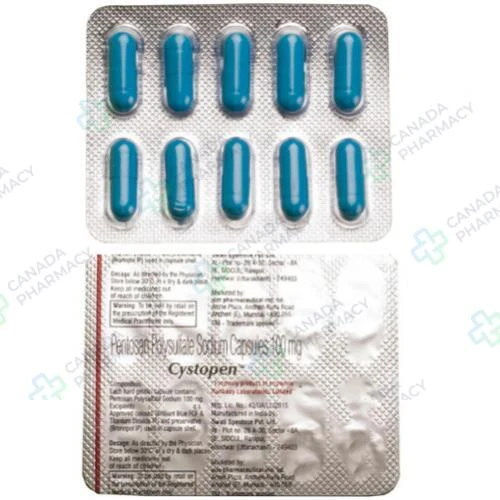
Elmiron is the only oral medication specifically approved to treat the pain and discomfort associated with interstitial cystitis. It works by adhering to the bladder wall, acting as a protective coating to prevent irritating substances in the urine from reaching the sensitive tissue. This targeted therapy helps manage chronic bladder inflammation and reduces the frequent, recurring urge to urinate. Each capsule contains pentosan polysulfate sodium, which is designed to provide long-term relief for individuals suffering from bladder pain syndrome. By helping to restore the natural protective barrier of the bladder, Elmiron aims to improve daily comfort and overall quality of life.
Active substance: Pentosan polysulfate sodium
Delivery: 5–21 days (depending on the shipping method)
Extra 10% discount with coupon: IT4K6SVM
Each dosage option has its own packaging choices.
Description
Elmiron belongs to a class of oral low molecular weight heparin-like compounds, containing the active ingredient pentosan polysulfate sodium. In the United States, it is regulated as a prescription medication indicated for the relief of bladder pain or discomfort associated with interstitial cystitis. Treatment requires ongoing clinical oversight due to specific monitoring requirements associated with long-term therapy.
As a prescribed therapeutic option, Elmiron works locally within the urinary bladder mucosal lining. Patients undergoing treatment should follow specific dosing guidelines and maintain regular consultations with their prescribing physician to ensure safe and effective use.
Basic Information
| Parameter | Details |
|---|---|
| Active ingredient (INN) | Pentosan polysulfate sodium |
| Dosage form | Oral capsule (100 mg) |
| Route of administration | Oral |
| Primary purpose | Relief of bladder pain or discomfort from interstitial cystitis |
| Prescription status | Prescription only (Rx) |
| Storage conditions | Controlled room temperature (20°C to 25°C / 68°F to 77°F) |
What It’s Used For
Elmiron (pentosan polysulfate sodium) is specifically indicated for the relief of bladder pain or discomfort associated with interstitial cystitis, a chronic inflammatory condition of the bladder wall. Interstitial cystitis presents with persistent symptoms such as pelvic pain, urinary urgency, and increased urinary frequency. Elmiron is not indicated for acute bacterial urinary tract infections or simple cystitis caused by infectious pathogens. Clinical evaluation by a qualified healthcare provider is necessary prior to initiating therapy to exclude underlying urological pathologies, such as active urinary tract infections or bladder malignancy. Off-label use for unapproved systemic or inflammatory conditions is not supported by FDA-approved labeling and should not be undertaken without direct medical supervision.
How the Drug Works
The exact mechanism of action of pentosan polysulfate sodium in treating interstitial cystitis has not been fully elucidated. In patients with interstitial cystitis, the protective glycosaminoglycan (GAG) layer lining the mucosal surface of the bladder wall is frequently deficient. This mucosal defect allows irritating solutes in the urine to penetrate the bladder tissue, leading to localized inflammation and discomfort. Pentosan polysulfate sodium acts as a synthetic low-molecular-weight heparin-like compound that adheres to the bladder mucosal wall. It is believed to buffer the damaged tissue by acting as a substitute cell-surface glycosaminoglycan layer, thereby reducing mucosal permeability and preventing harmful urinary solutes from coming into contact with underlying tissues. Additionally, the compound exhibits weak systemic anticoagulant properties.
What Happens in the Body
Following oral administration of pentosan polysulfate sodium, only a small fraction of the intact drug is absorbed from the gastrointestinal tract. Studies indicate that synthetic heparinoids undergo significant hepatic metabolism and desulfation in the liver and spleen. The absorbed portion and its desulfated metabolites are primarily excreted through the urinary tract, where the therapeutic action takes place locally within the urinary bladder. A substantial portion of unabsorbed drug is eliminated unchanged in the feces. Because hepatic metabolism plays a central role in the breakdown of pentosan polysulfate sodium, altered liver function may influence metabolic clearance. Specific pharmacokinetic parameters such as systemic half-life vary depending on hepatic status and individual physiological factors.
Dosing Schedule
The standard recommended adult dosage of Elmiron is 100 mg administered orally three times daily, for a total daily dosage of 300 mg. Capsules must be taken whole with water at least 1 hour before meals or 2 hours after meals, as food in the gastrointestinal tract can impair oral absorption. Re-evaluation of therapeutic response is generally conducted after 3 months of continuous therapy. If no clinical improvement is observed after 3 months and limiting adverse events have not occurred, treatment may be continued for an additional 3 months under physician supervision. The overall duration of therapy depends on symptom response and routine safety monitoring.
What to Avoid While Taking It
Elmiron must be taken on an empty stomach–either 1 hour before or 2 hours after meals–to optimize gastrointestinal absorption. Consuming the medication with food may diminish its clinical bioavailability. While there are no direct chemical interactions reported between pentosan polysulfate sodium and alcohol, heavy alcohol consumption can irritate the bladder mucosa and worsen symptoms of interstitial cystitis. Furthermore, since Elmiron undergo hepatic metabolism, excessive alcohol intake may place additional stress on liver function. Patients are advised to moderate or avoid alcohol consumption during the treatment period.
Compatibility With Other Medicines
Pentosan polysulfate sodium possesses weak anticoagulant activity. Consequently, concurrent administration with anticoagulant medications such as warfarin, heparin, low molecular weight heparins, or oral direct thrombin and factor Xa inhibitors may increase the risk of bleeding complications. Similar precautions apply to concomitant use with antiplatelet agents, including aspirin, clopidogrel, and nonsteroidal anti-inflammatory drugs (NSAIDs) such as ibuprofen or naproxen. Patients scheduled for surgical or dental procedures must inform their healthcare providers about Elmiron therapy, as temporary discontinuation may be required to minimize perioperative bleeding risks.
Adverse Reactions
Clinical trials and post-marketing surveillance have documented several adverse reactions associated with Elmiron therapy. Common side effects include gastrointestinal disturbances such as nausea, diarrhea, dyspepsia, abdominal pain, and flatulence. Other reported effects include headache, dizziness, mild alopecia (hair loss), and transient liver transaminase elevations. Pigmentary maculopathy–a structural alteration of the retina–has been identified with long-term use of pentosan polysulfate sodium. Patients experiencing visual changes, such as difficulty reading, blurred vision, or slow adjustment to low light, require prompt ophthalmologic assessment. Mild bleeding events, including ecchymosis (bruising), epistaxis (nosebleeds), and rectal bleeding, have also been reported.
Important Precautions
A primary safety consideration associated with long-term Elmiron therapy is the risk of retinal pigmentary maculopathy. Baseline ophthalmic examinations, including optical coherence tomography (OCT), are recommended within the first six months of starting treatment, followed by regular follow-up examinations. Caution is advised in patients with baseline hepatic impairment, underlying bleeding disorders, or those undergoing invasive procedures. Use during pregnancy should be considered only if clearly needed and prescribed, as adequate controlled studies in pregnant women are lacking. It is unknown whether pentosan polysulfate sodium is excreted in human milk; caution should be exercised when administered to nursing mothers. Safety and effectiveness in pediatric patients under 16 years of age have not been established.
Signs of Improvement
Clinical response to Elmiron is typically gradual rather than immediate. Patients generally do not experience rapid relief of bladder pain upon initiating treatment. Initial symptom improvement, such as a reduction in pelvic discomfort, burning sensations, or urinary frequency, may take anywhere from 2 to 4 months of consistent daily administration. Maximum therapeutic benefit may require up to 6 months of uninterrupted therapy. Prescribing physicians evaluate treatment efficacy through systematic patient self-assessment scales and periodic clinical follow-up appointments.
If You Skip a Dose
If a scheduled dose of Elmiron is missed, the patient should skip that dose and take the next capsule at the regular scheduled time. Patients should not double the dose or take extra capsules to make up for a missed administration, as taking excess pentosan polysulfate sodium increases the potential for adverse effects such as gastrointestinal upset or minor bleeding. Maintaining a consistent routine helps ensure appropriate therapeutic exposure within the urinary bladder lining.
Red Flags
Patients taking Elmiron should seek immediate medical evaluation if they develop signs of severe adverse events. Red flag symptoms requiring urgent clinical attention include:
- Unexpected, severe, or prolonged bleeding from any site
- Unexplained or extensive bruising (ecchymosis)
- Dark, tarry stools or visible blood in the urine
- Sudden or progressive visual disturbances, such as blurred vision, reading difficulty, or distorted vision
- Signs of severe hypersensitivity, including swelling of the face, lips, tongue, or throat, or difficulty breathing
Common Questions
How long does it typically take for Elmiron to show clinical benefit?
Symptomatic improvement with Elmiron usually requires several months of continuous use. Most clinical trials report initial relief of bladder pain and urinary urgency within 2 to 4 months, with optimal therapeutic response occurring around 6 months. Patients should not discontinue treatment prematurely without consulting their healthcare provider.
Why are baseline visual examinations recommended for patients taking Elmiron?
Long-term use of pentosan polysulfate sodium has been associated with retinal pigmentary maculopathy, a condition affecting the light-sensitive tissue at the back of the eye. Baseline and periodic ophthalmologic assessments allow early detection of any retinal changes, helping prescribers evaluate whether continued therapy remains appropriate for the patient.
Should Elmiron be paused prior to planned surgical or dental procedures?
Because pentosan polysulfate sodium exhibits mild anticoagulant properties, it may increase the risk of perioperative bleeding. Patients must inform their surgeon or dentist about their Elmiron prescription well in advance of any scheduled procedure so an individualized plan regarding temporary discontinuation can be formulated.
Is it acceptable to open the Elmiron capsule and mix the contents with food?
Elmiron capsules should be swallowed whole with water. Taking the capsule contents directly with food is not recommended because the presence of food in the digestive tract can significantly impair the gastrointestinal absorption of pentosan polysulfate sodium, reducing its therapeutic effectiveness.
Can Elmiron be taken concurrently with over-the-counter pain relievers like ibuprofen?
Combining Elmiron with nonsteroidal anti-inflammatory drugs (NSAIDs) such as ibuprofen or naproxen requires caution. Both NSAIDs and Elmiron can affect blood coagulation mechanisms and gastrointestinal mucosal integrity, which may elevate the risk of bleeding or stomach irritation. Always consult your prescribing physician before combining these medications.
This text is for informational purposes only and does not constitute individual medical advice.
In accordance with FDA requirements.
Additional information
| Dosage |
100 mg |
|---|---|
| Package |
30 caps ,60 caps ,90 caps ,120 caps |
| Ενεργός Ουσία |
Related products
Azee
Price range: $ 30,00 through $ 150,00
Active substance: Azithromycin
More Details
This product has multiple variants. The options may be chosen on the product page
Benemid
Price range: $ 48,00 through $ 62,00
Active substance: Probenecidum
More Details
This product has multiple variants. The options may be chosen on the product page
Cystone
Price range: $ 63,00 through $ 76,00
Active substance: Pasanabheda, Shilapushpa
More Details
This product has multiple variants. The options may be chosen on the product page
Detrol
Price range: $ 41,00 through $ 593,00
Active substance: Tolterodine
More Details
This product has multiple variants. The options may be chosen on the product page
Doxazosin
Price range: $ 42,00 through $ 332,00
Active substance: Doxazosin
More Details
This product has multiple variants. The options may be chosen on the product page
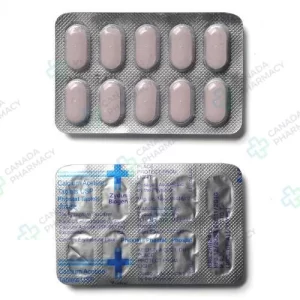
PhosLo
Price range: $ 48,00 through $ 217,00
Active substance: Calcium Acetate
More Details
This product has multiple variants. The options may be chosen on the product page
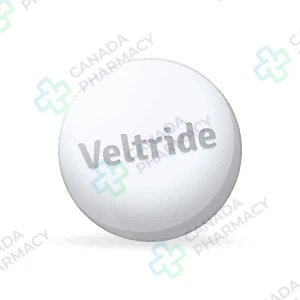
Veltride
Price range: $ 22,00 through $ 57,00
Active substance: Dutasteride
More Details
This product has multiple variants. The options may be chosen on the product page
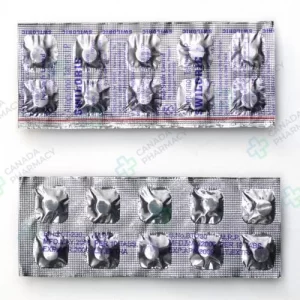
Zyloprim
Price range: $ 43,00 through $ 144,00
Active substance: allopurinol
More Details
This product has multiple variants. The options may be chosen on the product page