

-40%
Desyrel
Price range: $ 41,00 through $ 206,00

Diabecon
Price range: $ 57,00 through $ 345,00
Detrol
Price range: $ 41,00 through $ 593,00
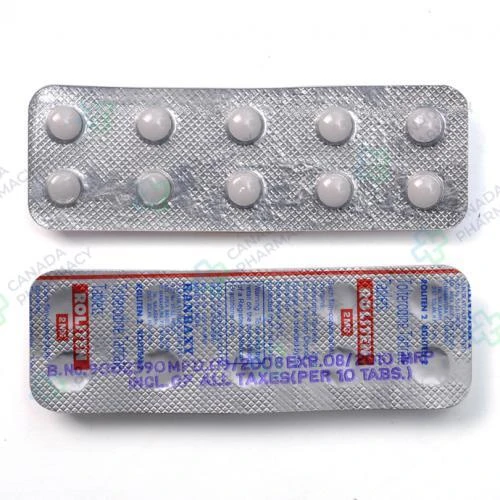
Detrol is a highly effective medication specifically designed to manage the symptoms of an overactive bladder. It works by relaxing the muscles in the bladder wall, which helps increase the total volume of urine the bladder can comfortably hold. This treatment is primarily used to reduce the sudden, strong urge to urinate and to prevent episodes of urge incontinence. By decreasing urinary frequency, Detrol helps individuals regain control over their daily schedules and social interactions. Consistent use of this medication supports improved bladder stability for a more comfortable and confident lifestyle.
Active substance: Tolterodine
Delivery: 5–21 days (depending on the shipping method)
Extra 10% discount with coupon: IT4K6SVM
Each dosage option has its own packaging choices.
Description
Detrol belongs to a group of therapeutic agents known as competitive muscarinic receptor antagonists. It is a prescription medication approved by the US Food and Drug Administration (FDA) for the management of overactive bladder with symptoms of urge urinary incontinence, urgency, and frequency.
This medication functions by inhibiting smooth muscle contractions within the urinary bladder, thereby helping to control involuntary voiding impulses. Detrol is available strictly by prescription and should be administered in accordance with federal and state regulatory standards under the supervision of a licensed healthcare provider.
| Parameter | Specification |
|---|---|
| Active ingredient | Tolterodine tartrate |
| Therapeutic class | Anticholinergic / Antimuscarinic agent |
| Primary purpose | Treatment of overactive bladder (OAB) symptoms |
| Dosage form | Oral immediate-release tablets (1 mg, 2 mg) |
| Route of administration | Oral |
| Prescription status | Prescription only (Rx) |
| Storage | Controlled room temperature (68°F to 77°F / 20°C to 25°C) |
Pharmacological Profile and Indications
How the drug works
Tolterodine tartrate acts as a competitive antagonist at muscarinic acetylcholine receptors located on the detrusor muscle of the urinary bladder. By binding to these receptors, the drug blocks the action of endogenous acetylcholine, which is the primary neurotransmitter responsible for triggering bladder muscle contraction during storage. This physiological blockade results in an increased residual bladder capacity and a reduction in detrusor muscle pressure during filling. Consequently, the drug decreases involuntary bladder contractions that give rise to symptoms of sudden urinary urgency and urge incontinence. Although antimuscarinic agents can affect other physiological systems, tolterodine demonstrates functional selectivity for the urinary bladder relative to salivary glands in clinical pharmacodynamic evaluations.
What it’s used for
Detrol is indicated for the treatment of overactive bladder (OAB) presenting with symptoms of urge urinary incontinence, urgency, and high urinary frequency. These clinical manifestations occur when the bladder muscle contracts prematurely or unpredictably, generating a strong and sudden need to void even when the bladder volume is low. The primary therapeutic objective of tolterodine administration is to reduce the frequency of involuntary voiding episodes, decrease daytime voiding frequency, lessen nighttime awakenings caused by urinary urgency (nocturia), and stabilize detrusor function. Any use of this agent outside FDA-approved indications–such as neurogenic detrusor overactivity without definitive authorization–is classified as off-label and must be evaluated on an individual clinical basis by a prescriber.
Dosing schedule
, The standard initial dosage of Detrol for adult patients is 2 mg administered orally twice daily. Depending on individual therapeutic response and drug tolerance, the dosage may be lowered to 1 mg twice daily. For individuals with significantly impaired hepatic function or severe renal impairment, or for patients concurrently receiving potent cytochrome P450 3A4 (CYP3A4) inhibitors, the maximum recommended dosage is 1 mg twice daily. Tablets should be taken whole with liquid and may be administered with or without food. Adjustments to the dosing schedule must only occur under direct clinical supervision following a comprehensive medical assessment.
What happens in the body
Following oral administration, tolterodine is rapidly absorbed from the gastrointestinal tract, achieving peak plasma concentrations within 1 to 2 hours. The compound undergoes extensive hepatic metabolism primarily mediated by the polymorphic enzyme CYP2D6, generating a major pharmacologically active 5-hydroxymethyl metabolite. This metabolite exhibits a binding affinity to muscarinic receptors comparable to that of the parent drug and contributes significantly to the overall clinical effect. In extensive CYP2D6 metabolizers, the elimination half-life of tolterodine ranges from approximately 1.9 to 3.7 hours, while the active 5-hydroxymethyl metabolite has an elimination half-life of 3 to 4 hours. In poor CYP2D6 metabolizers, metabolic clearance proceeds via CYP3A4, resulting in higher systemic exposure of parent tolterodine and prolonged elimination half-lives. Excretion occurs predominantly via the renal pathway, with the majority of the dose eliminated as metabolic derivatives in the urine.
Clinical Considerations and Precautions
Compatibility with other medicines
Co-administration of Detrol with potent CYP3A4 inhibitors, such as ketoconazole, itraconazole, clarithromycin, or erythromycin, can significantly increase systemic exposure to tolterodine in patients who are poor CYP2D6 metabolizers; consequently, the daily dose should not exceed 1 mg twice daily when co-administered with these agents. Concurrent use of Detrol with other antimuscarinic medications or drugs exhibiting anticholinergic properties (such as dicyclomine, atropine, or certain tricyclic antidepressants) may result in additive peripheral and central anticholinergic adverse effects, including dry mouth, constipation, and urinary retention. Furthermore, antimuscarinic agents may decrease gastrointestinal motility, potentially altering the absorption rate or therapeutic effect of prokinetic agents such as metoclopramide.
Adverse reactions
The most frequently reported adverse reaction associated with tolterodine therapy is dry mouth (xerostomia), which stems from systemic antimuscarinic action on salivary gland secretions. Additional commonly reported side effects include headache, constipation, abdominal pain, dyspepsia, dry eyes, somnolence, and dizziness. Less common adverse events include urinary retention, peripheral edema, chest pain, and accommodation disturbances affecting vision. Hypersensitivity reactions, including anaphylaxis and angioedema involving the face, lips, tongue, or larynx, have been observed in post-marketing surveillance. Patients experiencing acute urinary retention, severe abdominal discomfort, or signs of an allergic reaction should seek immediate medical assistance.
If you skip a dose
If a scheduled dose of Detrol is missed, it should be taken as soon as remembered unless it is nearly time for the subsequent dose. In that scenario, the missed dose should be omitted and the regular twice-daily schedule resumed. Taking two doses simultaneously to compensate for a missed tablet is not recommended, as doubling the dose elevates the risk of experiencing antimuscarinic side effects.
What to avoid while taking it
Detrol may be administered independently of meals, as food intake does not produce a clinically significant impact on its overall systemic bioavailability. However, alcohol consumption should be minimized or avoided, as ethanol may potentiate central nervous system side effects such as drowsiness, sedation, and impaired motor coordination. Patients should also exercise caution regarding excessive consumption of grapefruit products if advised by their clinician, particularly in scenarios where CYP3A4 metabolic pathways are clinically relevant.
Practical tips
To alleviate dry mouth during tolterodine therapy, patients may benefit from frequent sips of water, maintaining proper oral hygiene, or utilizing sugar-free hard candies or chewing gum. Adequate dietary fiber intake and consistent fluid consumption can help mitigate constipation associated with antimuscarinic activity. Given that somnolence and blurred vision may occur, patients should assess their individual response to the medication before driving, operating heavy machinery, or performing tasks requiring full mental alertness.
Storage and expiration
Detrol tablets should be stored at controlled room temperature between 68°F and 77°F (20°C to 25°C), with permitted excursions between 59°F and 86°F (15°C to 30°C). The product must be maintained in a tightly closed container protected from light and excessive moisture. Store out of reach of children and household pets. Unused or expired medication should be disposed of in compliance with local pharmacy take-back programs or federal guidelines regarding safe drug disposal.
Important precautions
Detrol is contraindicated in patients with urinary retention, severe gastric retention, or uncontrolled narrow-angle glaucoma, as well as individuals with documented hypersensitivity to tolterodine tartrate or any component of the formulation. Caution must be exercised when prescribing tolterodine to patients with clinically significant bladder outlet obstruction or gastrointestinal obstructive disorders due to the risk of urinary or gastric retention. Patients with central nervous system conditions, severe hepatic impairment, impaired renal function, or pre-existing risks for QT interval prolongation require careful clinical evaluation prior to initiation of therapy. Safety and efficacy in pediatric populations have not been established. In pregnant or nursing individuals, tolterodine should be used only if the potential benefit outweighs the potential risk to the fetus or infant.
Common Questions
How long does it typically take for Detrol to demonstrate therapeutic effects?
Initial symptomatic improvement may be observed within the first few weeks of consistent therapy. However, the full clinical benefit of tolterodine on bladder capacity and voiding control typically stabilizes after several weeks of continuous twice-daily administration as prescribed.
Is dry mouth a permanent side effect while taking Detrol?
Dry mouth is a known pharmacological consequence of antimuscarinic therapy. While it often persists throughout the duration of treatment, its severity varies among individuals and can frequently be managed with supportive measures such as regular hydration or oral moisturizing products.
Can Detrol affect the ability to drive or operate machinery?
Yes. Detrol may cause drowsiness, dizziness, or blurred vision in some individuals. Patients should evaluate how the medication affects them individually before engaging in activities that require visual acuity and mental concentration, such as driving in heavy traffic or operating power tools.
What should be done if urinary retention occurs during treatment?
If a patient experiences severe difficulty passing urine or an inability to empty the bladder completely, they should stop taking the medication and contact a healthcare professional or seek emergency medical evaluation immediately.
Does dosage adjustment require clinical re-evaluation?
Yes. Any change in dosing–whether a reduction to manage adverse effects or adjustment due to co-prescribed CYP3A4 inhibitors–must be determined by a qualified prescriber based on clinical response, renal and hepatic function, and drug compatibility profile.
Source and Disclaimer
The information presented here is not a substitute for professional medical advice. In accordance with FDA requirements.
Additional information
| Dosage |
1mg ,2mg ,4mg |
|---|---|
| Package |
30 pills ,60 pills ,90 pills ,120 pills ,180 pills ,270 pills ,360 pills |
| Ενεργός Ουσία |
Related products

Azee
Price range: $ 30,00 through $ 150,00
Active substance: Azithromycin
More Details
This product has multiple variants. The options may be chosen on the product page

Cystone
Price range: $ 63,00 through $ 76,00
Active substance: Pasanabheda, Shilapushpa
More Details
This product has multiple variants. The options may be chosen on the product page
Ilosone
Price range: $ 54,00 through $ 123,00
Active substance: Erythromycin
More Details
This product has multiple variants. The options may be chosen on the product page
Oxytrol
Price range: $ 49,00 through $ 438,00
Active substance: Oxybutynin
More Details
This product has multiple variants. The options may be chosen on the product page
Rocaltrol
Price range: $ 61,00 through $ 535,00
Active substance: Calcitriol
More Details
This product has multiple variants. The options may be chosen on the product page
Uroxatral
Price range: $ 52,00 through $ 324,00
Active substance: Alfuzosin
More Details
This product has multiple variants. The options may be chosen on the product page

Veltride
Price range: $ 22,00 through $ 57,00
Active substance: Dutasteride
More Details
This product has multiple variants. The options may be chosen on the product page
Zyloprim
Price range: $ 43,00 through $ 144,00
Active substance: allopurinol
More Details
This product has multiple variants. The options may be chosen on the product page