

-27%
Robaxin
Price range: $ 40,00 through $ 150,00

Rogaine 2
Price range: $ 51,00 through $ 217,00
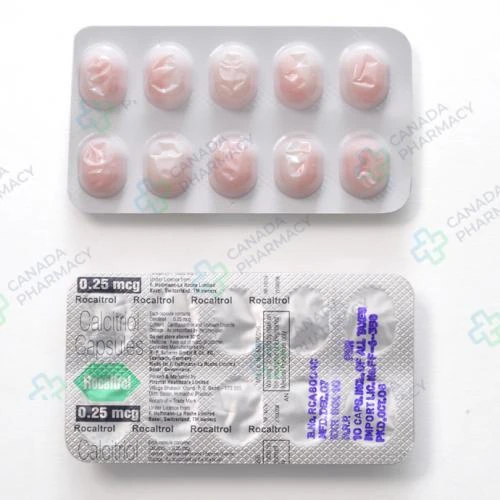
Rocaltrol
Price range: $ 61,00 through $ 535,00
Rocaltrol is an active form of Vitamin D3 designed to help the body regulate calcium and phosphorus levels for optimal bone health. It is primarily used to treat and prevent bone disease in patients with chronic kidney failure who are undergoing dialysis. This medication is also effective in managing secondary hyperparathyroidism in individuals with chronic kidney disease who have not yet started dialysis. Additionally, it helps maintain proper calcium balance in patients suffering from hypoparathyroidism. By supporting mineral absorption, Rocaltrol ensures that the skeletal system remains strong and functionally sound.
Active substance: Calcitriol
Delivery: 5–21 days (depending on the shipping method)
Extra 10% discount with coupon: IT4K6SVM
Each dosage option has its own packaging choices.
Description
Rocaltrol belongs to a class of medications known as active vitamin D analogs, containing the synthetic active substance calcitriol. It is a prescription-only form of 1,25-dihydroxycholecalciferol, which represents the biologically active metabolite of vitamin D3 naturally synthesized by human kidneys.
This medication is primarily prescribed in the United States to manage calcium deficiencies and secondary hyperparathyroidism in individuals with chronic kidney disease or parathyroid gland disorders. Proper clinical management requires precise dosage titration under professional healthcare monitoring to balance systemic calcium levels safely.
| Attribute | Details |
|---|---|
| Drug Name | Rocaltrol |
| Active Ingredient | Calcitriol |
| Therapeutic Class | Vitamin D Analog / Calcium Regulator |
| Dosage Form | Oral capsule, oral solution |
| Route of Administration | Oral |
| Prescription Status | Prescription (Rx) |
Product Details & Core Indications
How the drug works
Calcitriol is the most biologically active known form of vitamin D3 in stimulating intestinal calcium transport. In the human body, calcitriol binds to specific vitamin D nuclear receptors located within the intestinal mucosa, kidneys, and parathyroid glands. Upon receptor binding, it facilitates the synthesis of calcium-binding proteins, thereby increasing the efficiency of active calcium and phosphate absorption from the gastrointestinal tract.
Additionally, calcitriol acts directly on the parathyroid glands to suppress the synthesis and secretion of parathyroid hormone (PTH). By reducing elevated serum PTH levels and regulating systemic calcium concentrations, calcitriol helps maintain bone mineralization and mineral homeostasis in clinical conditions where endogenous renal calcitriol production is compromised.
What it’s used for
Rocaltrol is indicated for specific medical conditions associated with impaired active vitamin D synthesis and altered mineral metabolism. According to approved US prescribing clinical guidelines, its primary indications include:
- Management of hypocalcemia (abnormally low serum calcium levels) in patients undergoing chronic renal dialysis.
- Reduction of elevated parathyroid hormone levels in secondary hyperparathyroidism among non-dialyzed patients with moderate to severe chronic kidney disease (predialysis patients).
- Treatment of hypocalcemia and its clinical manifestations in patients with post-surgical hypoparathyroidism, idiopathic hypoparathyroidism, or pseudohypoparathyroidism.
Any therapeutic use outside these specific medical indications must be evaluated strictly by a qualified healthcare provider on an individualized basis.
Dosing schedule
The administration of Rocaltrol requires individualized dosing tailored to the specific biochemical response of each patient. Treatment typically begins with a conservative initial dose, followed by gradual adjustments based on serum calcium and phosphorus monitoring. For adults undergoing hemodialysis, initial therapy usually starts at 0.25 mcg per day, with potential step-wise increases of 0.25 mcg per day at 4- to 8-week intervals if clinical parameters necessitate adjustment.
Patients treated for hypoparathyroidism often start at an initial dosage of 0.25 mcg daily taken in the morning. Serum calcium levels must be carefully analyzed at least twice weekly during the initial stabilization phase to prevent hypercalcemia. Capsules should be swallowed whole with fluid and should not be chewed or crushed.
What happens in the body
Following oral administration, calcitriol is rapidly absorbed from the gastrointestinal tract. Peak serum concentrations are typically achieved within 3 to 6 hours after a single oral dose. Calcitriol circulates bound to specific plasma proteins, predominantly vitamin D-binding protein. The physiological half-life of calcitriol in serum ranges between 5 to 8 hours in healthy adults, though its therapeutic biological effect on intestinal calcium transport persists significantly longer. Excretion occurs primarily through biliary and fecal pathways, with a smaller fraction eliminated via renal mechanisms. Patients with severe renal impairment display prolonged systemic elimination, reinforcing the necessity of strict laboratory oversight.
Signs of improvement
The efficacy of Rocaltrol is evaluated primarily through clinical laboratory monitoring rather than immediate subjective sensations. Healthcare providers assess therapeutic progress by measuring serum calcium, ionized calcium, and parathyroid hormone (PTH) concentrations at scheduled intervals. Normalization of serum calcium concentrations and reduction of elevated PTH levels indicate successful response. Patients with hypoparathyroidism may observe a reduction in neuromuscular symptoms such as muscle cramping, tingling in extremities, or involuntary spasms as calcium levels stabilize.
Safety, Monitoring & Frequently Asked Questions
Compatibility with other medicines
Rocaltrol interacts with multiple pharmacological agents, potentially altering systemic calcium levels or reducing therapeutic efficacy. Concomitant administration of thiazide diuretics increases the risk of hypercalcemia due to decreased urinary calcium excretion. Co-administration with digitalis glycosides (such as digoxin) requires extreme caution; hypercalcemia can precipitate cardiac arrhythmias in patients taking digitalis preparations.
Magnesium-containing antacids should be avoided by patients on chronic dialysis receiving Rocaltrol to prevent hypermagnesemia. Additionally, enzyme-inducing drugs like phenytoin or phenobarbital may accelerate the metabolic breakdown of calcitriol, requiring potential dosage adjustments under medical supervision.
Adverse reactions
Adverse reactions to Rocaltrol are generally related to the development of hypercalcemia (excessively high blood calcium). Early symptoms of elevated calcium levels include nausea, vomiting, constipation, dry mouth, metallic taste, headache, somnolence, and general weakness. If hypercalcemia persists, late manifestations may develop, including polyuria (excessive urination), polydipsia (excessive thirst), weight loss, pancreatitis, photophobia, cardiac arrhythmias, and soft tissue calcification in organs such as the kidneys or blood vessels. Elevated serum phosphate levels (hyperphosphatemia) may also occur. Regular laboratory evaluations of serum calcium, phosphorus, and creatinine are critical for identifying early signs of toxicity before overt clinical symptoms appear.
What to avoid while taking it
Dietary intake must be carefully controlled during treatment with Rocaltrol. Uncontrolled intake of dietary calcium or over-the-counter calcium supplements can rapidly trigger hypercalcemia. Patients are routinely advised to maintain a consistent dietary calcium intake unless otherwise instructed by their healthcare provider. High doses of non-prescribed vitamin D supplements or fortified foods must be avoided to prevent cumulative toxicity. Excessive alcohol consumption should also be avoided, as chronic alcohol intake can alter calcium metabolism and interfere with bone health management.
If you skip a dose
If a scheduled dose of Rocaltrol is missed, it should be taken as soon as remembered on the same day. However, if it is nearly time for the next scheduled dose, skip the missed dose and resume the regular dosing calendar. Patients should never double the dose or take extra medicine to make up for a missed administration, as accidental double-dosing elevates the risk of acute hypercalcemia.
Important precautions
Rocaltrol is contraindicated in patients with existing hypercalcemia or evidence of vitamin D toxicity. Overdosage can cause severe hypercalcemia requiring emergency medical intervention. Special caution is required in pediatric, geriatric, and pregnant populations. Use during pregnancy should occur only if the potential benefit justifies the potential risk to the fetus. Nursing mothers should exercise caution, as calcitriol excretes into human milk and may affect infant calcium metabolism. Pediatric safety and effectiveness depend on specific clinical conditions and require specialist monitoring. Elderly patients often require lower initial doses due to age-related reductions in renal clearance.
Storage and expiration
Rocaltrol capsules and oral solution should be stored at controlled room temperature between 59°F and 86°F (15°C to 30°C). Keep the container tightly closed and protected from light and moisture. Storage in high-humidity environments like bathrooms should be avoided. Keep out of reach of children and pets. Do not use the medication beyond the expiration date printed on the original prescription packaging.
Common questions
Is routine blood testing necessary while taking Rocaltrol?
Yes, frequent laboratory testing of serum calcium, phosphorus, and renal function is mandatory during Rocaltrol therapy to adjust dosages safely and avoid hypercalcemia.
Can Rocaltrol be taken with phosphate binders?
Phosphate binders may be prescribed concurrently in dialysis patients to manage serum phosphorus levels, but non-aluminum-containing binders are generally preferred to prevent aluminum accumulation.
What should be done if symptoms of high calcium occur?
If early signs of high calcium like severe nausea, persistent headache, or excessive thirst develop, contact your prescribing provider immediately to evaluate serum calcium levels.
Does Rocaltrol cause drowsiness or affect driving ability?
While Rocaltrol itself usually does not impair alertness directly, hypercalcemia resulting from therapy can cause somnolence, confusion, or weakness, which may impair driving skills.
Can additional over-the-counter vitamin D be taken with Rocaltrol?
No, taking additional OTC vitamin D supplements without explicit medical direction increases the risk of vitamin D toxicity and severe hypercalcemia.
This text is for informational purposes only and does not constitute individual medical advice. In accordance with FDA regulatory guidelines.
Additional information
| Dosage |
0.25mcg |
|---|---|
| Package |
30 caps ,60 caps ,90 caps ,120 caps ,180 caps ,270 caps ,360 caps |
| Ενεργός Ουσία |
Related products

Baycip
Price range: $ 42,00 through $ 113,00
Active substance: Ciprofloxacin
More Details
This product has multiple variants. The options may be chosen on the product page
Benemid
Price range: $ 48,00 through $ 62,00
Active substance: Probenecidum
More Details
This product has multiple variants. The options may be chosen on the product page
Cystone
Price range: $ 63,00 through $ 76,00
Active substance: Pasanabheda, Shilapushpa
More Details
This product has multiple variants. The options may be chosen on the product page
Doxazosin
Price range: $ 42,00 through $ 332,00
Active substance: Doxazosin
More Details
This product has multiple variants. The options may be chosen on the product page
Elmiron
Price range: $ 151,00 through $ 512,00
Active substance: Pentosan polysulfate sodium
More Details
This product has multiple variants. The options may be chosen on the product page
Oxytrol
Price range: $ 49,00 through $ 438,00
Active substance: Oxybutynin
More Details
This product has multiple variants. The options may be chosen on the product page

Tetracin
Price range: $ 19,00 through $ 65,00
Active substance: Tetracycline Hydrochloride
More Details
This product has multiple variants. The options may be chosen on the product page

Veltride
Price range: $ 22,00 through $ 57,00
Active substance: Dutasteride
More Details
This product has multiple variants. The options may be chosen on the product page