

-11%
Yaz
Price range: $ 15,00 through $ 40,00
Elmiron
Price range: $ 151,00 through $ 512,00
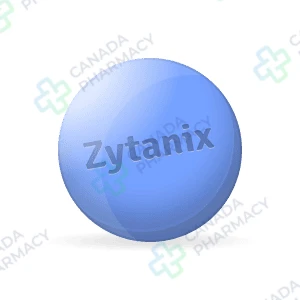
Zytanix
Price range: $ 19,00 through $ 51,00
Zytanix is a potent diuretic medication designed to treat high blood pressure and manage fluid retention in the body. It works by assisting the kidneys in removing excess salt and water, which helps to lower overall blood pressure and reduce strain on the heart. This medication is primarily indicated for patients suffering from hypertension or edema related to congestive heart failure and renal conditions. By reducing swelling in the limbs and abdomen, Zytanix significantly improves the comfort and daily mobility of those managing chronic health issues. Its reliable formulation ensures consistent results in maintaining a healthy fluid balance and supporting long-term cardiovascular wellness.
Active substance: Metolazone
Delivery: 5–21 days (depending on the shipping method)
Extra 10% discount with coupon: IT4K6SVM
Each dosage option has its own packaging choices.
Description
Zytanix belongs to a class of medications known as thiazide-like diuretics. It is prescribed primarily to manage fluid retention (edema) associated with heart failure or kidney diseases, as well as to assist in controlling high blood pressure.
This prescription medication functions by aiding the kidneys in the removal of excess sodium and water from the body. Treatment plans and dosage schedules are strictly determined by a licensed healthcare provider based on individual patient requirements and federal prescription guidelines.
Clinical Profile and Administration
Key Information Overview
| Property | Details |
|---|---|
| Drug Name | Zytanix |
| Active Ingredient | Metolazone |
| Therapeutic Class | Thiazide-like diuretic (Quinazoline derivative) |
| Dosage Form | Oral tablet |
| Route of Administration | Oral |
| Prescription Status | Prescription (Rx) only |
How the drug works
The active ingredient, metolazone, operates within the renal tubules of the kidneys. Specifically, it inhibits sodium ion reabsorption at the cortical diluting segment and, to a lesser extent, in the proximal convoluted tubule. This action leads to increased urinary excretion of sodium, chloride, and water. Unlike standard thiazides, metolazone frequently maintains diuretic efficacy even in individuals with markedly reduced renal function (low glomerular filtration rate). The resulting reduction in extracellular fluid volume contributes to decreased swelling in body tissues and reduced systemic arterial blood pressure.
What it’s used for
Zytanix is indicated for the treatment of edema accompanying congestive heart failure, including in patients with compromised kidney function. It is also indicated for fluid retention associated with renal diseases, such as nephrotic syndrome or severe renal impairment. Additionally, the medication is prescribed for the management of arterial hypertension, either as monotherapy or in combination with other antihypertensive agents. Any use outside FDA-approved labeling–such as off-label co-administration with loop diuretics for refractory edema–must be conducted strictly under specialized clinical supervision due to heightened risks of severe fluid and electrolyte imbalance.
Dosing schedule
Dosage regimens for Zytanix are individualized based on specific clinical indications and patient response. For the management of edema related to heart failure or renal dysfunction, initial daily doses generally range from 2.5 mg to 20 mg once daily, depending on severity and renal clearance. For essential hypertension, the starting dose is typically 2.5 mg to 5 mg once daily. Tablets are taken orally, usually in the morning to prevent night-time urination (nocturia). Dosage adjustments should only occur under medical direction and require periodic monitoring of blood pressure, renal function, and serum electrolytes.
What happens in the body
Following oral administration, metolazone is absorbed from the gastrointestinal tract, though absorption rates can vary between individuals. The onset of diuretic activity generally occurs within 1 hour after administration, reaching peak therapeutic concentration between 2 and 4 hours. The duration of action typically extends to 24 hours or longer, supporting a once-daily dosing regimen. Metolazone is bound extensively to plasma proteins and red blood cells. The majority of the compound is excreted unchanged by the kidneys into the urine, making renal function a primary determinant of systemic clearance.
Safety Guidelines, Precautions, and FAQ
Compatibility with other medicines
Zytanix exhibits critical drug interactions that require careful clinical oversight. Co-administration with loop diuretics (such as furosemide) produces a profound synergistic diuretic response, which can rapidly cause severe hypokalemia and dehydration. Concurrent use with digitalis glycosides increases the risk of digitalis toxicity if serum potassium or magnesium levels drop. Metolazone may decrease renal clearance of lithium, elevating serum lithium levels and the risk of toxicity. Nonsteroidal anti-inflammatory drugs (NSAIDs) can blunt the antihypertensive and natriuretic effects of Zytanix. Furthermore, additive hypotensive effects occur when combined with other blood pressure medications.
Adverse reactions
Adverse reactions associated with Zytanix are largely related to its pharmacological effects on fluid and electrolyte homeostasis. Frequently reported side effects include hypokalemia, hyponatremia, hyperuricemia (which can precipitate acute gout attacks), orthostatic hypotension, dizziness, headache, and muscle cramps. Gastrointestinal disturbances such as nausea, vomiting, or abdominal pain may also take place. Less common but severe adverse events include significant hematologic abnormalities, hyperglycemia, hypercalcemia, and hypersensitivity reactions. Manifestations of severe electrolyte loss–such as marked lethargy, confusion, or cardiac arrhythmias–warrant immediate medical evaluation.
Important precautions
Caution is necessary when administering Zytanix to individuals with hepatic impairment or severe renal disease. In patients with hepatic cirrhosis, rapid shifts in fluid and electrolyte balance can precipitate hepatic encephalopathy. Regular laboratory assessments of serum electrolytes (potassium, sodium, calcium, magnesium) and blood urea nitrogen (BUN) are essential during treatment. Patients with diabetes mellitus should be monitored closely, as thiazide-like diuretics can impair glucose tolerance. Patients with a history of gout require ongoing surveillance for hyperuricemia. If progressive renal impairment develops, therapy must be re-evaluated.
What to avoid while taking it
Alcohol consumption should be limited or avoided, as it can worsen orthostatic hypotension and increase the risk of dizziness or fainting upon standing. Patients are advised to maintain a consistent dietary intake of fluids as directed by their physician. Excessively high salt (sodium) intake can counteract the therapeutic effects of the drug. Patients should not use salt substitutes or potassium supplements without consulting their healthcare provider, given the complex effects of metolazone on potassium excretion.
If you skip a dose
If a dose of Zytanix is missed, it should be taken as soon as remembered on the same day. However, if it is close to the time for the next scheduled dose, the missed dose should be skipped, and the regular dosing schedule resumed. Patients should not double the dose to compensate for a missed tablet. Taking missed doses late in the evening may interfere with sleep due to increased nocturnal urination.
Special populations
During pregnancy, Zytanix should be used only when explicitly deemed necessary by a prescribing physician, as diuretics can decrease placental perfusion. Metolazone passes into breast milk; decision-making regarding nursing versus drug administration depends on clinical necessity. Elderly patients often demonstrate increased sensitivity to electrolyte depletion and volume reduction, requiring lower initial doses and frequent monitoring. The safety and effectiveness of metolazone in pediatric patients have not been fully established.
Storage and expiration
Zytanix tablets should be stored at controlled room temperature, away from excess moisture, high heat, and direct light exposure. Store the bottle tightly closed and keep out of reach of children and pets. Do not use medication past the expiration date stated on the container, and dispose of unused tablets via authorized pharmacy disposal or take-back programs.
Frequently Asked Questions
How long does the therapeutic effect of Zytanix last following a single dose?
The action of metolazone typically lasts for up to 24 hours or longer after oral administration. This extended duration permits once-daily dosing in most clinical management plans.
Is serum potassium monitoring necessary while taking Zytanix?
Yes, regular monitoring of serum potassium levels is standard clinical practice during treatment with Zytanix. Thiazide-like diuretics promote potassium excretion, which can lead to hypokalemia if left unmonitored.
What measures can help manage dizziness upon standing during therapy?
Dizziness can occur due to orthostatic hypotension. Rising slowly from a sitting or lying position can mitigate this effect. If lightheadedness persists or leads to instability, the prescribing clinician should be informed.
Can Zytanix alter blood glucose levels in diabetic patients?
Thiazide-like diuretics can cause glucose intolerance and mild hyperglycemia. Individuals with diabetes may require closer monitoring of blood glucose levels and potential adjustments to their antidiabetic therapy.
Why is morning administration generally recommended for Zytanix?
Taking the medication in the morning aligns the peak diuretic effect with daytime hours, minimizing nocturnal awakenings caused by the need to urinate.
In accordance with FDA requirements.
This text is for informational purposes only and does not constitute individual medical advice.
Additional information
| Dosage |
2.5 mg |
|---|---|
| Package |
30 tabs ,60 tabs ,90 tabs |
| Ενεργός Ουσία |
Related products
Avalide
Price range: $ 66,00 through $ 333,00
Active substance: Irbesartan
More Details
This product has multiple variants. The options may be chosen on the product page

Bystolic
Price range: $ 38,00 through $ 275,00
Active substance: Nebivolol
More Details
This product has multiple variants. The options may be chosen on the product page
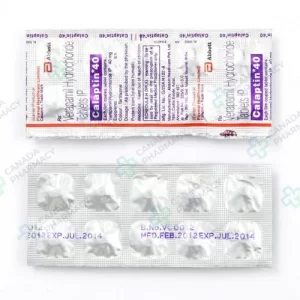
Calan
Price range: $ 46,00 through $ 242,00
Active substance: Verapamil
More Details
This product has multiple variants. The options may be chosen on the product page
Capoten
Price range: $ 42,00 through $ 323,00
Active substance: Captopril
More Details
This product has multiple variants. The options may be chosen on the product page
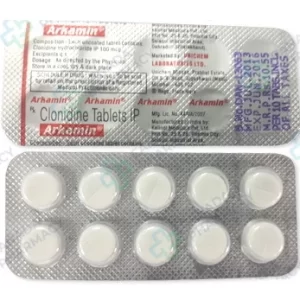
Clonidine
Price range: $ 40,00 through $ 95,00
Active substance: clonidine
More Details
This product has multiple variants. The options may be chosen on the product page
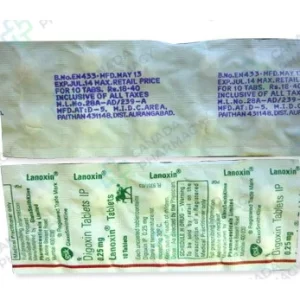
Digoxin
Price range: $ 48,00 through $ 152,00
Active substance: digoxin
More Details
This product has multiple variants. The options may be chosen on the product page
Dipyridamole
Price range: $ 43,00 through $ 257,00
Active substance: Dipyridamole
More Details
This product has multiple variants. The options may be chosen on the product page
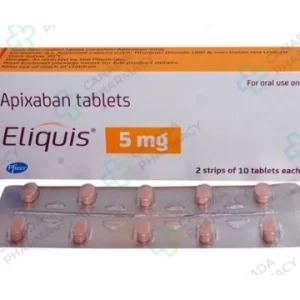
Eliquis
Price range: $ 60,00 through $ 320,00
Active substance: Apixaban
More Details
This product has multiple variants. The options may be chosen on the product page