

-53%
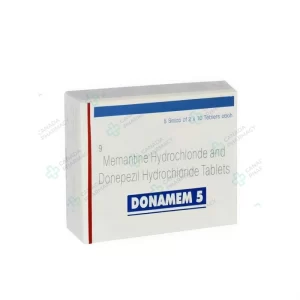
Donamem
Price range: $ 21,00 through $ 127,00
Adgain
Price range: $ 32,00 through $ 78,00
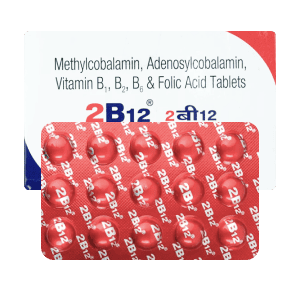
2B12
Price range: $ 38,00 through $ 72,00
2B12 is a specialized combination medication designed to manage the symptoms of osteoarthritis and rheumatoid arthritis. It contains diclofenac sodium, a potent nonsteroidal anti-inflammatory drug that effectively reduces joint pain, stiffness, and inflammation. The formula also includes misoprostol, which helps protect the stomach lining by reducing the risk of gastric ulcers associated with long-term NSAID therapy. This dual-action approach allows patients to address chronic pain while prioritizing gastrointestinal health and comfort. By improving mobility and reducing discomfort, 2B12 supports an active lifestyle for individuals managing degenerative joint conditions.
Delivery: 5–21 days (depending on the shipping method)
Extra 10% discount with coupon: IT4K6SVM
Each dosage option has its own packaging choices.
Description
2B12 belongs to the class of essential cobalamin formulations utilized to restore normal vitamin B12 levels and support fundamental metabolic processes within the human body. It serves as a vital clinical intervention for individuals experiencing cobalamin depletion caused by impaired gastrointestinal absorption, dietary restrictions, or systemic metabolic disorders. The formulation is dispensed in accordance with applicable federal and state regulations, depending on the dosage form and strength prescribed by a qualified healthcare professional.
Vitamin B12 is indispensable for several key physiological functions, including cellular division, genomic stabilization, and the preservation of the central and peripheral nervous systems. Early diagnosis and appropriate administration of 2B12 help prevent irreversible neurological deficits and correct macrocytic or megaloblastic hematologic abnormalities associated with deficiency states.
| Parameter | Clinical Details |
|---|---|
| Active Ingredient | Cobalamin complex (Cyanocobalamin / Methylcobalamin) |
| Therapeutic Class | Vitamin B12 preparation / Hematopoietic agent |
| Route of Administration | Oral / Sublingual / Parenteral (Intramuscular) |
| Primary Purpose | Treatment and prevention of vitamin B12 deficiency and pernicious anemia |
| Prescription Status | Dispensed in accordance with applicable federal and state regulations |
| Storage Conditions | Store at 20°C to 25°C (68°F to 77°F); protect from light and moisture |
2B12 – Clinical Profile and Usage Guidelines
How the drug works
The mechanism of action of 2B12 relies on its role as an essential coenzyme in human cell metabolism. Once converted into its active intracellular coenzyme forms, methylcobalamin and adenosylcobalamin, the drug participates in two critical enzymatic reactions. Methylcobalamin serves as a cofactor for methionine synthase, an enzyme responsible for converting homocysteine to methionine. This pathway is necessary for DNA synthesis and normal erythrocyte maturation. Adenosylcobalamin acts as a cofactor for methylmalonyl-CoA mutase, converting methylmalonyl-CoA to succinyl-CoA, a reaction required for lipid and protein metabolism as well as the structural integrity of the neuronal myelin sheath.
Main uses
2B12 is primarily indicated for the treatment of documented vitamin B12 deficiency resulting from inadequate intake, malabsorption syndromes, or structural abnormalities of the gastrointestinal tract. Specific approved clinical indications include pernicious anemia, post-gastrectomy B12 deficiency, surgical resection of the terminal ileum, Crohn’s disease, and malabsorption associated with chronic pancreatic insufficiency. It is also indicated for individuals adhering to strict vegan diets to prevent subclinical deficiency, and for patients experiencing secondary cobalamin depletion induced by long-term administration of specific prescription medications such as metformin or gastric acid suppressants.
Compatibility with other medicines
Drug interactions with 2B12 can alter cobalamin absorption or blunt the clinical response to therapy. Concomitant administration of biguanides (such as metformin) can reduce intestinal absorption of B12 by interfering with calcium-dependent membrane binding in the terminal ileum. Proton pump inhibitors (including omeprazole and pantoprazole) and H2-receptor antagonists (such as famotidine) decrease gastric acid secretion, thereby impairing the cleavage of vitamin B12 from dietary protein complexes. Colchicine and aminoglycosides may also impair intestinal B12 uptake. Furthermore, chloramphenicol may delay or suppress the hematologic response to 2B12 therapy in patients with severe anemia. Healthcare providers must evaluate concurrent medications to optimize therapeutic outcomes.
Adverse reactions
2B12 is generally well tolerated, as excess cobalamin is readily excreted via the renal system. However, adverse reactions may occur depending on the route of administration and individual patient sensitivity. Reported adverse reactions include mild transient diarrhea, generalized pruritus, skin rash, urticaria, and a feeling of bodily swelling. Following parenteral administration, localized reaction at the injection site, transient peripheral vascular thrombosis, and anaphylaxis have been infrequently observed. In patients treated for severe megaloblastic anemia, rapid erythrocyte proliferation can induce acute intracellular shifts of potassium, leading to severe hypokalemia and cardiac arrhythmias if unmonitored.
Dosing schedule: The dosing schedule for 2B12 is highly individualized and determined by the underlying etiology of the deficiency, the severity of symptoms, and baseline serum cobalamin levels. For severe deficiency or pernicious anemia, therapy typically begins with initial loading doses, followed by regular maintenance doses administered orally, sublingually, or parenterally. Patients should strictly adhere to the dosing schedule established by their prescribing clinician without altering doses independently.
How it’s absorbed and eliminated: Dietary and oral B12 requires gastric intrinsic factor–a glycoprotein secreted by parietal cells–to form a complex that binds to cubilin receptors in the terminal ileum for active systemic absorption. Passive diffusion accounts for approximately 1% of total oral absorption when high doses are ingested without intrinsic factor. In plasma, cobalamin binds to transcobalamin proteins for tissue distribution. The liver acts as the main storage organ, holding between 3 mg and 5 mg of cobalamin reserves. B12 is excreted in bile and undergoes extensive enterohepatic recirculation; any unabsorbed portion or unbound excess circulating in plasma is rapidly excreted by the kidneys.
Important precautions: Caution is warranted in patients with Leber’s hereditary optic neuropathy, as cyanocobalamin administration has been associated with rapid and severe optic nerve atrophy. Patients with severe anemia must be monitored for serum potassium concentrations during early treatment to manage hypokalemia risk. Baseline blood counts, reticulocyte numbers, serum cobalamin, and folate levels should be measured prior to initiating therapy to avoid masking coexisting folate deficiency. Complete diagnostic evaluation is necessary prior to starting therapy to ensure appropriate clinical management.
What to avoid while taking it: Excessive consumption of alcohol should be avoided during treatment, as chronic alcohol intake inhibits ileal cobalamin absorption and exacerbates metabolic clearance. Patients taking high doses of ascorbic acid (vitamin C) should avoid ingesting large quantities within 1 to 2 hours of taking oral 2B12, as vitamin C can degrade cobalamin in vitro and reduce its bioavailable potency.
Red flags: Severe acute reactions require immediate clinical evaluation. Patients experiencing localized swelling, intense respiratory distress, rapid drop in blood pressure, muscle weakness, or irregular heartbeat during treatment must undergo emergency evaluation.
| Red Flag Symptom | Potential Underlying Issue | Immediate Action Required |
|---|---|---|
| Swelling of face, lips, tongue, or throat | Severe hypersensitivity / Anaphylaxis | Seek emergency medical care immediately |
| Sudden severe shortness of breath or dyspnea | Acute allergic reaction or pulmonary edema | Discontinue use and call emergency services |
| Profound muscle weakness or irregular heartbeat | Hypokalemia due to rapid cell production | Obtain emergency blood work and cardiac evaluation |
| Rapid vision loss or optic disturbance | Optic neuropathy (e.g., Leber’s disease reaction) | Consult prescribing physician immediately |
If you skip a dose: If a scheduled oral dose of 2B12 is missed, it should be taken as soon as remembered on the same day. If it is almost time for the next scheduled dose, the missed dose should be skipped, and the standard dosing schedule resumed. Patients must never double the dose to make up for a missed administration.
Practical tips: Oral and sublingual 2B12 supplements should be kept in their original container to protect the light-sensitive cobalamin structure. When taking sublingual formulations, allow the tablet to dissolve fully under the tongue without chewing or swallowing immediately. Maintain routine laboratory appointments for periodic complete blood count (CBC) and serum vitamin B12 monitoring.
Frequently Asked Questions
How long does it take for 2B12 to restore energy and relieve symptoms?
Initial reticulocyte response generally occurs within 3 to 5 days after initiating therapy, followed by an increase in red blood cell counts over 2 to 4 weeks. Symptoms related to anemia typically begin to resolve within the first month of consistent therapy. However, recovery from chronic neurological symptoms like tingling or numbness depends on the duration and severity of the initial damage and may require several months of continuous treatment under clinical supervision.
Can 2B12 be taken alongside folic acid supplements?
Folic acid and 2B12 act synergistically in nucleic acid synthesis and hematopoiesis. However, folic acid administration in the presence of uncorrected B12 deficiency can resolve anemia while allowing irreversible neurological damage from cobalamin depletion to progress. Therefore, serum vitamin B12 status must be evaluated prior to or concurrently with high-dose folate supplementation.
What monitoring tests are required during 2B12 therapy?
Healthcare providers typically monitor baseline serum vitamin B12 levels, folate levels, hematocrit, hemoglobin, and reticulocyte counts. In severe anemia cases, serum potassium levels are measured during the first 48 hours of therapy to prevent undetected hypokalemia. Periodic follow-up blood work ensures therapeutic goals are met and maintained.
Is 2B12 affected by long-term use of acid-reducing medications?
Yes, chronic reliance on proton pump inhibitors or H2-blockers reduces gastric acid secretion, which is required to release protein-bound B12 from food sources. In such cases, free or crystalline cobalamin forms, such as those found in 2B12 supplements or parenteral injections, are often recommended to bypass the acid-dependent cleavage step.
What happens if high doses of 2B12 are taken over an extended period?
Vitamin B12 exhibits low toxicity potential because it is water-soluble, and unabsorbed or excessive amounts are rapidly excreted through urine and bile. Nevertheless, excessively high doses should only be taken under medical guidance to avoid masking concurrent metabolic disorders or precipitating unexpected hypersensitivity events.
In accordance with FDA regulatory standards for consumer medication information.
This text is for informational purposes only and does not constitute individual medical advice.
Additional information
| Dosage |
15 tabs |
|---|---|
| Package |
15 tabs ,30 tabs ,45 tabs ,60 tabs |
| Active Ingredient |
Methylcobalamin, Adenosylcobalamin, Vitamin B1, Vitamin B2, Vitamin B6, Folic Acid |
Related products
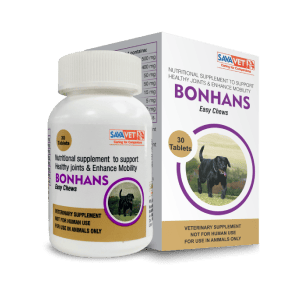
Bonhans
Price range: $ 87,00 through $ 161,00
More Details
This product has multiple variants. The options may be chosen on the product page
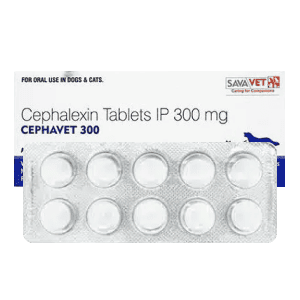
Cephavet
Price range: $ 69,00 through $ 317,00
More Details
This product has multiple variants. The options may be chosen on the product page
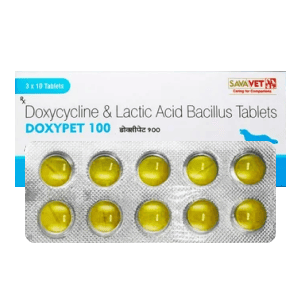
Doxypet
Price range: $ 15,00 through $ 77,00
More Details
This product has multiple variants. The options may be chosen on the product page
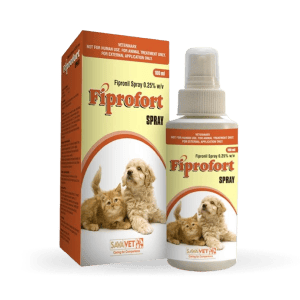
Fiprofort Spray
$ 50,00
More Details
This product has multiple variants. The options may be chosen on the product page
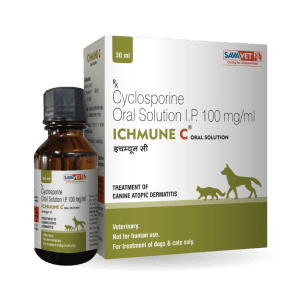
Ichmune C Oral Solution
$ 150,00
More Details
This product has multiple variants. The options may be chosen on the product page
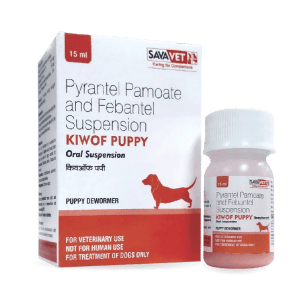
Kiwof Puppy Suspension
$ 13,00
More Details
This product has multiple variants. The options may be chosen on the product page
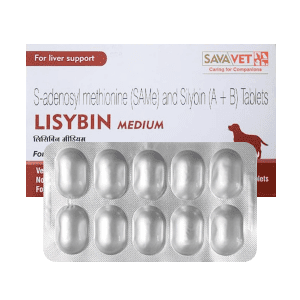
Lisybin Medium
Price range: $ 70,00 through $ 350,00
More Details
This product has multiple variants. The options may be chosen on the product page
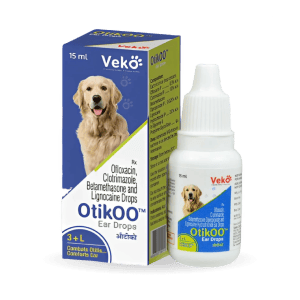
OtikOO Ear Drops
Price range: $ 33,00 through $ 87,00
More Details
This product has multiple variants. The options may be chosen on the product page