

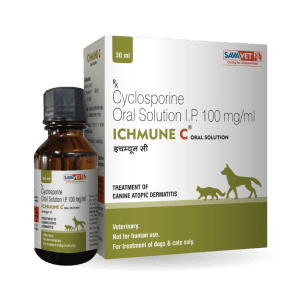
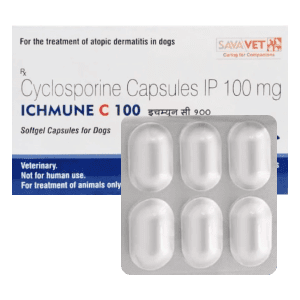
Ichmune C
Price range: $ 112,00 through $ 1 071,00
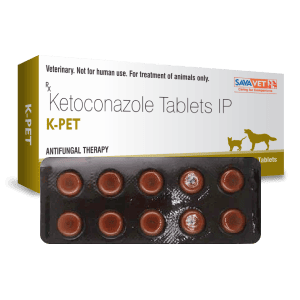
K-Pet
Price range: $ 32,00 through $ 176,00
Ichmune C Oral Solution
$ 150,00
Ichmune C Oral Solution is a highly effective immunosuppressive medication specifically designed to manage chronic inflammatory and autoimmune conditions in pets. The active ingredient, Cyclosporine, works by targeting specific immune cells to significantly reduce the itching and redness associated with atopic dermatitis. This liquid formulation provides a reliable solution for controlling various immune-mediated disorders, helping to improve your pet’s daily comfort and overall quality of life. The oral solution format allows for precise dosing and easy administration, ensuring consistent results for long-term health management. By regulating the body’s immune response, Ichmune C helps restore skin health and provides lasting relief from persistent irritation and skin sensitivities.
Delivery: 5–21 days (depending on the shipping method)
Extra 10% discount with coupon: IT4K6SVM
Each dosage option has its own packaging choices.
Description
Ichmune C Oral Solution belongs to a class of medications known as calcineurin inhibitor immunosuppressants. It contains cyclosporine as its active therapeutic moiety, formulated as a microemulsion oral liquid to ensure standardized systemic absorption across variable gastrointestinal environments. Dispensed in accordance with applicable federal and state regulations upon a valid prescription, this medication is prescribed for target conditions requiring controlled immune response modulation.
Understanding proper measurement techniques, pharmacokinetic principles, drug compatibility profiles, and recommended administration routines helps maintain therapeutic consistency and safety during liquid cyclosporine therapy. Treatment regimens must always be managed under the direct supervision of a licensed prescriber.
| Parameter | Specification |
|---|---|
| Active ingredient (INN) | Cyclosporine |
| Therapeutic class | Calcineurin inhibitor / Immunosuppressant |
| Dosage form | Oral solution (microemulsion) |
| Route of administration | Oral |
| Prescription status | Prescription medication (Rx) |
| Storage conditions | Store at controlled room temperature 20°C to 25°C (68°F to 77°F) |
Main uses
Ichmune C Oral Solution is indicated for the management of immune-mediated systemic and dermatologic disorders where selective T-cell inhibition is clinically required. In clinical practice, liquid cyclosporine microemulsions are widely used to manage severe atopic conditions, immune-mediated inflammatory skin disorders, and auto-inflammatory diseases that show insufficient response to conventional topical therapies or systemic corticosteroids. Any off-label applications of this preparation must be evaluated strictly by a qualified healthcare professional based on individual therapeutic assessment and laboratory parameters.
How the drug works
The active substance, cyclosporine, acts as a potent and selective immunosuppressive agent. It reversibly inhibits the activation of helper T-lymphocytes by forming a complex with intracellular cyclophilin proteins. This complex subsequently inhibits calcineurin, a key calcium- and calmodulin-dependent phosphatase enzyme. By blocking calcineurin activation, the drug prevents the transcription of critical inflammatory cytokine genes, including interleukin-2 (IL-2) and interferon-gamma. As a result, T-cell proliferation and subsequent inflammatory cascades are significantly diminished without causing generalized bone marrow suppression.
What happens in the body
As a microemulsion formulation, Ichmune C Oral Solution forms a self-emulsifying mixture upon contact with digestive fluids, reducing dependence on endogenous bile acids for intestinal absorption. Following oral administration, peak plasma concentrations (Cmax) are typically achieved within 1 to 2 hours. Cyclosporine exhibits extensive tissue distribution and high lipid solubility, with approximately 80% to 90% bound to plasma proteins, primarily lipoproteins. Metabolism occurs predominantly in the liver via the cytochrome P450 3A4 (CYP3A4) enzyme system and P-glycoprotein transport channels. Elimination occurs mainly through biliary excretion into feces, with less than 6% excreted unchanged or as metabolites in urine. The elimination half-life varies significantly based on individual metabolic factors and concurrent clinical conditions.
Dosing schedule
Dosing of Ichmune C Oral Solution must be strictly individualized by the prescribing clinician based on total body weight, underlying pathology, and observed clinical response. The solution is measured using the graduated dosing syringe or dispenser provided with the product to ensure accurate volumetric administration. Administration should occur at consistent times each day relative to feeding schedules to minimize absorption variability. The liquid should be given directly into the mouth or mixed with a small volume of food immediately prior to administration. Do not mix the solution into large batches of food, as incomplete consumption will lead to underdosing.
Signs of improvement
Initial therapeutic effects are generally progressive rather than immediate. In dermatologic and inflammatory conditions, early signs of improvement–such as reduced skin redness, diminished itching, or stabilization of inflammatory lesions–often become noticeable within 2 to 4 weeks of continuous daily administration. Maximum clinical benefits may require several weeks of steady dosing. Healthcare providers evaluate treatment success through physical assessment, symptom resolution scores, and periodic monitoring of clinical parameters.
Compatibility with other medicines
Cyclosporine is subject to numerous significant drug interactions due to its reliance on hepatic CYP3A4 enzymes and P-glycoprotein transport pathways. Concomitant use of strong CYP3A4 inhibitors–such as ketoconazole, itraconazole, erythromycin, diltiazem, or grapefruit derivatives–can markedly increase cyclosporine plasma concentrations, raising the risk of toxicity. Conversely, strong CYP3A4 inducers, including rifampin, phenobarbital, carbamazepine, and St. John’s wort, can accelerate cyclosporine metabolism, leading to subtherapeutic blood levels and loss of efficacy. Co-administration with potentially nephrotoxic or hepatotoxic medications requires heightened laboratory monitoring.
What to avoid while taking it
Administration timing regarding food intake should remain consistent day-to-day to maintain predictable blood concentrations. Avoid concurrent intake of grapefruit or grapefruit juice, as compounds within grapefruit inhibit intestinal CYP3A4 enzymes and unexpectedly elevate systemic cyclosporine exposure. Alcohol consumption or administration of alcohol-containing substances should be avoided due to potential metabolic interference and increased risk of gastrointestinal irritation. Vaccination with live or attenuated vaccines during active cyclosporine therapy is generally contraindicated due to altered immune responsiveness.
Adverse reactions
Gastrointestinal signs represent the most frequently reported adverse effects associated with oral cyclosporine solution. Common reactions include transient nausea, mild vomiting, softened stools, diarrhea, and decreased appetite, particularly during the initial phase of therapy. Other documented adverse effects include soft tissue changes such as gingival hyperplasia, hypertrichosis, transient lethargy, and mild elevations in liver enzymes or serum creatinine. Severe but less frequent complications include significant renal dysfunction, persistent hypertension, severe hepatic stress, or opportunistic infections resulting from sustained immunosuppression.
Important precautions
Prior to initiating therapy, baseline blood chemistry panels, complete blood counts, and baseline renal and hepatic parameters should be established. Cyclosporine should be used with extreme caution in individuals with pre-existing renal insufficiency, compromised hepatic function, or active systemic infections. Because immunosuppressive therapy can increase vulnerability to secondary bacterial, fungal, or viral pathogens, any new fever or sign of infection warrants prompt evaluation. The safety of cyclosporine in pregnant or lactating populations has not been fully established; use during pregnancy or lactation should occur only when the potential clinical benefit outweighs the potential risks to the fetus or nursing offspring.
If you skip a dose
If a dose of Ichmune C Oral Solution is missed, administer it as soon as remembered on the same day, provided the next scheduled dose is not imminent. If the time is close to the next scheduled administration, skip the missed dose entirely and resume the normal dosing schedule. Do not double the dose or administer extra liquid to make up for a missed administration, as sudden concentration spikes can increase the likelihood of adverse gastrointestinal or systemic events.
Storage and expiration
Store Ichmune C Oral Solution in its original tightly closed container at controlled room temperature between 20°C to 25°C (68°F to 77°F), away from direct sunlight, excess moisture, and extreme heat. Do not refrigerate or freeze the liquid solution, as cold temperatures can cause precipitation or crystallization of the microemulsion constituents. Keep out of reach of children and pets. Pay strict attention to the discard date specified after opening the bottle; unused portions beyond the recommended open-bottle shelf life should be safely disposed of according to federal, state, and local pharmaceutical waste guidelines.
Common questions
What should be done if the solution forms a gel or crystals?
Cyclosporine microemulsions can undergo reversible gelation or slight precipitation if exposed to cool temperatures. If this occurs, allow the bottle to warm naturally to room temperature (around 20°C–25°C) without applying external heat sources. Swirl the container gently to re-homogenize the solution. If the liquid remains turbid or precipitated at room temperature, contact your pharmacist before dispensing.
Can Ichmune C Oral Solution be administered alongside routine vaccinations?
Immunosuppressive therapy with cyclosporine can diminish the body’s immune response to vaccines, rendering immunizations less effective. Furthermore, live attenuated vaccines should generally be avoided during active treatment due to the theoretical risk of vaccine-derived infection. Always consult the prescribing clinician prior to scheduling any vaccination protocol.
How can initial gastrointestinal upset be managed?
Mild digestive upset such as nausea or soft stools is relatively common when starting liquid cyclosporine. Giving the dose with a small amount of food or adjusting administration timing under medical guidance can often alleviate these early effects. If vomiting or severe diarrhea persists for more than two consecutive days, medical assessment is necessary.
Is long-term therapeutic monitoring necessary with this medicine?
Yes, long-term administration of systemic calcineurin inhibitors requires ongoing clinical oversight. Prescribing guidelines recommend periodic physical examinations alongside regular laboratory testing–including serum creatinine, blood urea nitrogen, liver enzyme panels, and complete blood counts–to confirm therapeutic safety and assess organ function.
What happens if an accidental overdose of the oral solution occurs?
An accidental overdose of cyclosporine can cause pronounced gastrointestinal distress, transient renal or hepatic toxicity, severe lethargy, and central nervous system depression. In the event of an accidental ingestion or volumetric dosing error, contact a regional poison control center or emergency medical service immediately for guidance.
In accordance with FDA requirements.
Information on this page is for reference and does not replace an assessment by a licensed healthcare professional.
Additional information
| Dosage |
50 ml |
|---|---|
| Package |
1 bottles |
| Active Ingredient |
Cyclosporine |
Related products
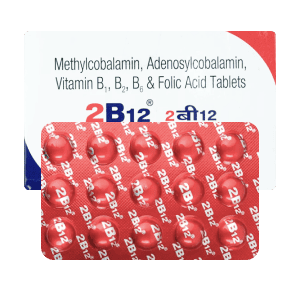
2B12
Price range: $ 38,00 through $ 72,00
More Details
This product has multiple variants. The options may be chosen on the product page
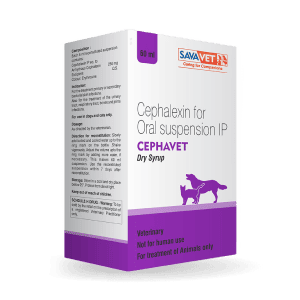
Cephavet Dry Syrup
Price range: $ 33,40 through $ 186,74
More Details
This product has multiple variants. The options may be chosen on the product page
Cipcal
Price range: $ 117,00 through $ 216,00
More Details
This product has multiple variants. The options may be chosen on the product page
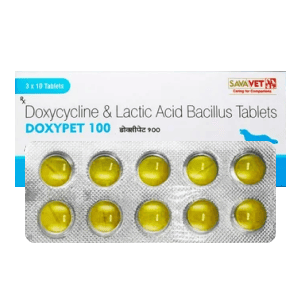
Doxypet
Price range: $ 15,00 through $ 77,00
More Details
This product has multiple variants. The options may be chosen on the product page

Folitas
Price range: $ 60,00 through $ 147,00
More Details
This product has multiple variants. The options may be chosen on the product page
Ichmune C
Price range: $ 112,00 through $ 1 071,00
More Details
This product has multiple variants. The options may be chosen on the product page
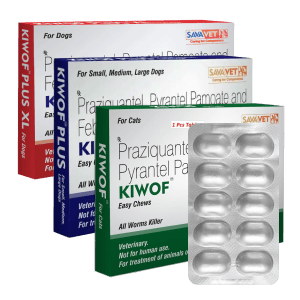
Kiwof Plus Easy Chews
Price range: $ 37,00 through $ 94,00
More Details
This product has multiple variants. The options may be chosen on the product page
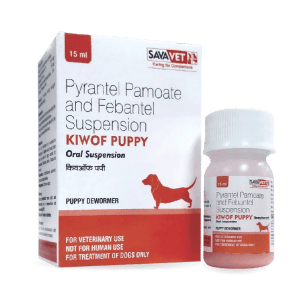
Kiwof Puppy Suspension
$ 13,00
More Details
This product has multiple variants. The options may be chosen on the product page