

-39%
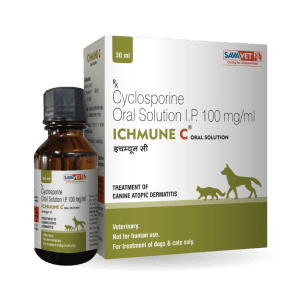
Ichmune C Oral Solution
$ 150,00

KamaSutra Longlast Condoms
Price range: $ 25,00 through $ 54,00
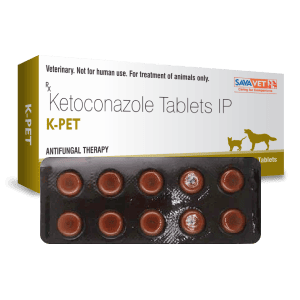
K-Pet
Price range: $ 32,00 through $ 176,00
K-Pet is a high-quality supplement designed to effectively maintain healthy potassium levels and support essential electrolyte balance. This formula plays a vital role in ensuring proper muscle function and the healthy operation of the nervous system. Regular use helps promote cardiovascular health and maintains overall cellular stability throughout the body. The easy-to-use format provides a reliable way to deliver consistent nutritional support for those requiring extra potassium. This product serves as an excellent addition to a daily wellness routine focused on metabolic health.
Delivery: 5–21 days (depending on the shipping method)
Extra 10% discount with coupon: IT4K6SVM
Each dosage option has its own packaging choices.
Description
K-Pet belongs to a group of electrolyte and mineral preparations formulated to support intracellular ion balance and address potassium deficits in the organism. Essential minerals like potassium play a crucial role in maintaining cellular membrane potential, regulating neuromuscular transmission, supporting renal solute clearance, and preserving stable cardiac electrophysiology. When systemic physiological demands exceed dietary intake or when metabolic losses increase, targeted electrolyte management becomes clinically necessary.
K-Pet is dispensed in accordance with applicable federal and state regulations, and its therapeutic application should be conducted under appropriate medical oversight. Understanding its underlying mechanism, administration considerations, potential drug interactions, and safety profile helps ensure optimal clinical outcomes and minimizes the risk of adverse electrolyte imbalances.
| Parameter | Clinical Details |
|---|---|
| Active ingredient | Potassium supplement formulation |
| Primary purpose | Electrolyte replenishment and hypokalemia management |
| Route of administration | Oral |
| Prescription status | Dispensed in accordance with federal and state regulations |
| Administration timing | Administer with or immediately following meals |
| Storage conditions | Store at controlled room temperature (59°F to 86°F) |
How the drug works
The active component in K-Pet acts directly as a source of potassium ions ($K^+$), which represent the principal intracellular cation in mammalian tissues. Intracellular potassium concentration is regulated by the membrane-bound sodium-potassium adenosine triphosphatase ($Na^+/K^+$ ATPase) pump, maintaining an electrochemical gradient essential for physiological cellular activity. This ionic gradient is fundamental to generating resting membrane potentials and action potentials in cardiac tissues, smooth muscle cells, skeletal muscle fibers, and central nerve pathways.
In addition to electrical signaling, potassium serves as an essential cofactor in metabolic processes, including carbohydrate utilization, protein synthesis, and enzymatic reactions involved in cellular respiration. Adequate systemic potassium levels support renal concentrating mechanisms, systemic vascular resistance modulation, and acid-base homeostasis. Administration of K-Pet acts to restore depleted intracellular and extracellular stores, mitigating functional deficits caused by hypokalemia.
What it’s used for
K-Pet is indicated for the treatment and prophylaxis of hypokalemia in individuals with documented serum potassium depletion or in conditions where excessive potassium excretion occurs. Potassium deficiency commonly arises secondary to prolonged gastrointestinal losses–such as persistent vomiting or severe diarrhea–or secondary to chronic therapy with potassium-wasting diuretics, including loop and thiazide compounds. It may also be utilized in metabolic states characterized by altered mineral homeostasis or inadequate dietary intake.
In specific instances, healthcare providers may utilize potassium preparations off-label for adjunct management of specific metabolic or acid-base disorders; however, any off-label administration must be explicitly evaluated and monitored by a qualified prescriber. K-Pet is not intended for non-indicated nutritional supplementation in individuals with normal baseline serum potassium levels.
Dosing schedule
The dosage of K-Pet is individualized based on baseline serum potassium concentrations, underlying etiology of deficiency, renal function, and ongoing clinical response. Oral administration should strictly follow prescribed instructions. To minimize direct gastrointestinal mucosal irritation, oral solid or liquid potassium preparations must be administered during or immediately after meals, accompanied by a full glass of water (at least 8 ounces).
Formulations should be swallowed whole; crushing, chewing, or breaking solid oral dosage forms can cause a rapid localized release of potassium, increasing the risk of mucosal ulceration. Serum potassium levels and renal function markers must be evaluated periodically during active administration to guide dose titration and avoid unintended hyperkalemic states.
How it’s absorbed and eliminated
Following oral administration, potassium ions are rapidly absorbed throughout the gastrointestinal tract, predominantly in the small intestine. The bioavailability of bioavailable potassium salts is generally high. Absorbed potassium enters the systemic circulation and is rapidly transported into tissues via active transport mechanisms driven by $Na^+/K^+$ ATPase pumps, establishing equilibrium between intracellular fluid compartments and extracellular plasma.
Renal excretion is the primary pathway for systemic potassium elimination, accounting for approximately 80% to 90% of total clearance. The distal renal tubules and collecting ducts actively secrete potassium under the physiological influence of aldosterone and distal tubular flow rates. A smaller fraction of potassium is eliminated through fecal excretion and sweat. The rate of renal elimination varies substantially between individuals based on current hydration status, renal perfusion, acid-base status, and concurrent medication use.
Compatibility with other medicines
Co-administration of K-Pet with other pharmacological agents requires careful evaluation due to the potential risk of developing hyperkalemia. Concomitant use with potassium-sparing diuretics (such as spironolactone, triamterene, or amiloride) significantly enhances systemic potassium retention and is generally contraindicated or requires intensive monitoring. Similarly, angiotensin-converting enzyme (ACE) inhibitors and angiotensin II receptor blockers (ARBs) decrease aldosterone secretion, reducing renal potassium excretion and increasing serum levels when combined with potassium supplements.
Nonsteroidal anti-inflammatory drugs (NSAIDs) can reduce renal blood flow and aldosterone activity, further predisposing individuals to elevated potassium concentrations. Additionally, concurrent administration of digitalis glycosides (e.g., digoxin) with potassium preparations demands caution; while normal potassium levels protect against digitalis toxicity, rapid shifts in extracellular potassium concentrations can alter myocardial sensitivity to glycoside therapy.
Adverse reactions
Adverse effects associated with K-Pet primarily involve the gastrointestinal system and systemic electrolyte imbalance. Common gastrointestinal manifestations include mild nausea, localized abdominal discomfort, flatulence, vomiting, and loose stools. Administering the supplement with food reduces the incidence and severity of these localized digestive complaints.
More severe adverse reactions are typically linked to hyperkalemia (excessively high serum potassium levels). Signs of hyperkalemia include paresthesias (tingling or numbness in extremities), muscular weakness, confusion, bradycardia, severe hypotension, and cardiac conduction abnormalities visible on an electrocardiogram (such as tall, peaked T-waves or QRS widening). Severe hyperkalemia represents a medical emergency capable of progressing to ventricular fibrillation or cardiac arrest.
Food and alcohol interactions
Dietary intake plays a prominent role in overall potassium regulation during K-Pet administration. Patients should avoid consuming large quantities of high-potassium foods (such as potassium-enriched salt substitutes, low-sodium processed foods containing potassium salts, or excessive fruits/juices) without medical guidance, as cumulative intake increases hyperkalemia risk.
Alcohol consumption should be limited or avoided during treatment. Ethanol can cause mucosal irritation in the stomach and esophagus, exacerbating potential gastrointestinal side effects associated with oral potassium supplementation. Furthermore, heavy alcohol use can alter fluid balance, renal solute handling, and electrolyte homeostasis, complicating clinical monitoring.
If you skip a dose
If a scheduled dose of K-Pet is missed, it should be taken as soon as remembered, provided it is taken with food or a full glass of water. However, if the time of remembered administration is close to the next scheduled dose, the missed dose should be skipped, and the regular dosing schedule resumed.
Patients must never administer a double dose or take extra medication to compensate for a skipped administration. Abruptly taking elevated amounts of potassium at one time increases localized mucosal exposure and elevates the risk of transient hyperkalemia.
Special populations
Use of K-Pet in specific patient demographics requires individualized assessment and monitoring protocols:
- Renal Impairment: Patients with significantly compromised renal clearance are at high risk for fatal hyperkalemia and require reduced dosing schedules alongside frequent laboratory evaluation.
- Geriatric Population: Elderly individuals often demonstrate age-related declines in glomerular filtration rate and are more likely to take concurrent cardiovascular medications that alter potassium balance.
- Pregnancy and Breastfeeding: Potassium supplementation during pregnancy or lactation should only occur under explicit clinical recommendation when documented deficiency exists. Baseline electrolyte monitoring is necessary.
- Pediatric Use: Safety, dosage accuracy, and efficacy in pediatric populations must be established by specialized clinical guidance tailored to body mass and metabolic requirements.
Storage and expiration
K-Pet should be stored at controlled room temperature, ideally between 59°F and 86°F (15°C to 30°C), away from excessive heat, direct sunlight, and ambient moisture. Keep the container tightly sealed in its original packaging to protect the product from environmental degradation.
Do not store the preparation in high-humidity areas such as bathrooms or near sinks. Keep out of reach of children and domestic animals. Expired or unused products should be disposed of in accordance with local pharmaceutical waste protocols; do not flush down household drains unless instructed to do so.
Important precautions
Prior to initiating K-Pet, comprehensive baseline testing of serum electrolytes, serum creatinine, and blood urea nitrogen is essential. Patients with pre-existing conditions such as chronic kidney disease, severe myocardial damage, acute dehydration, extensive tissue breakdown (as seen in severe burns), or adrenal insufficiency (Addison’s disease) require extreme caution due to impaired potassium regulation.
Continuous monitoring is mandatory for long-term administration. If severe abdominal pain, persistent vomiting, black or tarry stools, or signs of GI bleeding occur, treatment should be suspended immediately, as these symptoms may indicate gastrointestinal ulceration or perforation secondary to localized ionic irritation.
Common questions
What should I do if I experience an upset stomach after taking K-Pet?
Gastrointestinal discomfort can often be minimized by ensuring the medication is taken during or immediately after a meal, accompanied by a full glass of water. Taking the supplement on an empty stomach increases mucosal contact and irritation. If nausea, bloating, or abdominal pain persists despite taking it with food, consult your healthcare provider for evaluation.
Can K-Pet be taken alongside potassium-rich dietary supplements or salt substitutes?
No, you should avoid using over-the-counter potassium supplements, potassium-sparing dietary products, or salt substitutes containing potassium chloride while taking K-Pet unless specifically advised by a physician. Combining these products significantly increases the risk of excessive potassium accumulation in the blood.
Why is routine blood testing necessary during treatment with K-Pet?
Potassium has a narrow therapeutic window, meaning the difference between therapeutic serum levels and potentially dangerous levels is relatively small. Periodic blood tests measure serum potassium concentrations and renal function markers, ensuring the dose remains effective without causing hyperkalemia or kidney stress.
What are the early physical signs of hyperkalemia?
Early indicators of elevated potassium levels include unusual muscle fatigue, numbness or a “pins-and-needles” sensation in the hands or feet, muscle weakness, confusion, or a slow, irregular pulse. If any of these symptoms develop, seek prompt medical evaluation.
In accordance with FDA requirements.
This text is for informational purposes only and does not constitute individual medical advice.
Additional information
| Dosage |
200 mg |
|---|---|
| Package |
10 tabs ,20 tabs ,30 tabs ,60 tabs ,90 tabs |
| Active Ingredient |
Ketoconazole |
Related products
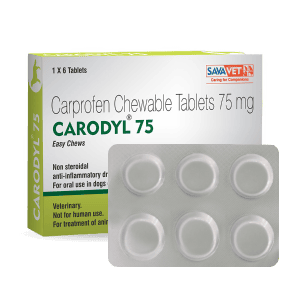
Carodyl Chewable
Price range: $ 116,00 through $ 1 139,00
More Details
This product has multiple variants. The options may be chosen on the product page
Ferrogen xt
Price range: $ 20,00 through $ 42,00
More Details
This product has multiple variants. The options may be chosen on the product page
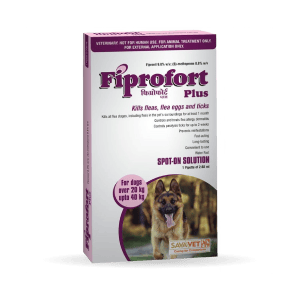
Fiprofort Plus Spot-On
Price range: $ 11,00 through $ 39,00
More Details
This product has multiple variants. The options may be chosen on the product page

Folitas
Price range: $ 60,00 through $ 147,00
More Details
This product has multiple variants. The options may be chosen on the product page
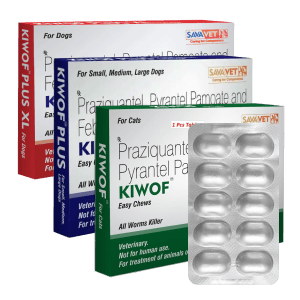
Kiwof Plus Easy Chews
Price range: $ 37,00 through $ 94,00
More Details
This product has multiple variants. The options may be chosen on the product page
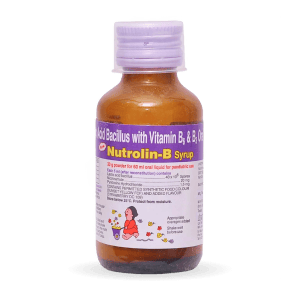
Nutrolin-B Syrup
Price range: $ 19,00 through $ 45,00
More Details
This product has multiple variants. The options may be chosen on the product page
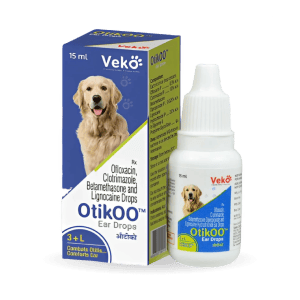
OtikOO Ear Drops
Price range: $ 33,00 through $ 87,00
More Details
This product has multiple variants. The options may be chosen on the product page
Shelcal
Price range: $ 209,00 through $ 328,00
More Details
This product has multiple variants. The options may be chosen on the product page