

-46%
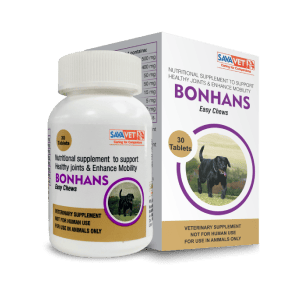
Bonhans
Price range: $ 87,00 through $ 161,00
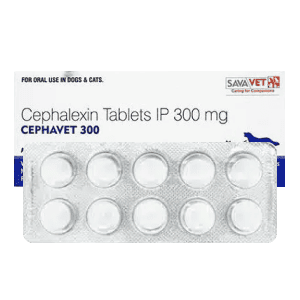
Cephavet
Price range: $ 69,00 through $ 317,00
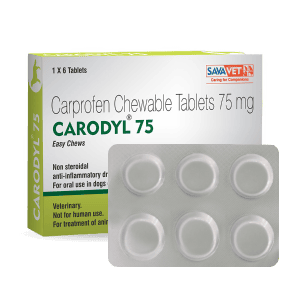
Carodyl Chewable
Price range: $ 116,00 through $ 1 139,00
Carodyl Chewable is a highly effective non-steroidal anti-inflammatory drug (NSAID) specifically formulated to manage pain and inflammation in dogs. These palatable chewable tablets are primarily used to provide relief from the chronic discomfort associated with canine osteoarthritis. Additionally, Carodyl helps control acute pain following orthopedic and soft tissue surgical procedures, ensuring a smoother recovery for your pet. The flavored formulation makes administration simple, as most dogs readily accept the tablets as a treat. By reducing joint swelling and stiffness, this medication significantly improves mobility and enhances the overall quality of life for active and aging dogs alike.
Delivery: 5–21 days (depending on the shipping method)
Extra 10% discount with coupon: IT4K6SVM
Each dosage option has its own packaging choices.
Description
Carodyl Chewable – Information for Caregivers
Carodyl Chewable belongs to a group of medicines called nonsteroidal anti-inflammatory drugs (NSAIDs), specifically of the propionic acid class. The medication is indicated for the relief of pain and inflammation associated with osteoarthritis and for the control of postoperative pain following soft tissue and orthopedic surgical procedures.
Carodyl Chewable is dispensed in accordance with applicable federal and state regulations upon prescription by a licensed healthcare provider. Proper usage requires accurate weight-based dosing and pre-treatment screening to evaluate baseline organ function.
| Property | Details |
|---|---|
| Drug name | Carodyl Chewable |
| Active ingredient (INN) | Carprofen |
| Therapeutic class | Nonsteroidal Anti-inflammatory Drug (NSAID) |
| Dosage form | Chewable tablet |
| Route of administration | Oral |
| Prescription status | Prescription (Rx) |
| Primary purpose | Relief of pain and articular inflammation |
How the drug works
The primary pharmacological mechanism of Carodyl Chewable relies on the action of carprofen, a nonsteroidal anti-inflammatory compound. Carprofen inhibits the cyclooxygenase (COX) enzyme system, which converts arachidonic acid into pro-inflammatory prostaglandins. In target physiological models, carprofen displays preferential inhibition toward the COX-2 isoenzyme–the inducible form responsible for synthesizing inflammatory mediators at injury sites–while exhibiting minimal effect on the constitutive COX-1 isoenzyme responsible for homeostatic stomach lining protection and renal perfusion. By suppressing prostaglandin E2 production, the drug reduces localized swelling, hyperalgesia, and secondary inflammatory cascades.
Main uses
Carodyl Chewable is indicated for the control of clinical signs associated with osteoarthritis, including joint pain, stiffness, and diminished range of motion. Additionally, it is used to manage acute postoperative pain following orthopedic and soft tissue surgical interventions. Diagnostic verification of osteoarthritis or surgical indication must precede administration to ensure that inflammatory symptoms are not attributable to active systemic infections or neoplasia. The chewable tablet formulation allows for oral administration, supporting predictable dosing schedules during short-term postoperative recovery or long-term degenerative joint management.
Dosing schedule
The dosing schedule for Carodyl Chewable is calculated strictly according to body weight and the specific condition being managed. Administration is typically directed as a total daily dose given once per day or divided into two equal doses administered approximately twelve hours apart. Chewable tablets may be administered directly by hand or offered with food. For surgical pain management, initial administration may occur prior to surgery and continue for a specified number of days postoperatively. Dosages must not be modified without explicit clinical reassessment, and treatment duration should strictly reflect prescribing instructions.
What happens in the body
Following oral administration, carprofen is rapidly absorbed from the gastrointestinal tract, reaching peak plasma concentration within one to three hours. The oral bioavailability of the active compound exceeds ninety percent. Carprofen exhibits high plasma protein binding, primarily to albumin, exceeding ninety-eight percent in systemic circulation. Biotransformation occurs mainly in the liver via glucuronidation and hydroxylation pathways. Elimination of carprofen and its conjugated metabolites occurs predominantly through biliary excretion into the feces, with a lesser proportion excreted via the kidneys. The terminal elimination half-life averages approximately eight hours.
What to avoid while taking it
Carodyl Chewable may be taken with or without food. Providing the tablet with a small meal or treat may lower the incidence of localized gastrointestinal distress. Unrestricted access to clean drinking water must be available throughout treatment, as adequate systemic hydration supports physiological renal function. Co-administration of high-sodium food items or dietary components known to cause metabolic toxicities must be strictly avoided during active treatment.
Compatibility with other medicines
Carodyl Chewable must not be combined with other nonsteroidal anti-inflammatory drugs (such as aspirin, meloxicam, or deracoxib) or systemic corticosteroids (such as prednisone or dexamethasone). Concomitant use of multiple anti-inflammatory agents significantly elevates the risk of severe gastrointestinal ulceration, intestinal perforation, and acute renal insufficiency. Caution is warranted when combining carprofen with highly protein-bound medications, potentially nephrotoxic compounds, or cardiovascular drugs such as ACE inhibitors and diuretics, which can alter renal hemodynamics. A wash-out period is recommended when transitioning between anti-inflammatory therapies.
Adverse reactions
Adverse reactions to Carodyl Chewable predominantly involve the gastrointestinal, renal, and hepatic systems. Commonly reported mild adverse effects include vomiting, loose stools, transient loss of appetite, and lethargy. Less common but serious side effects include gastrointestinal mucosal ulceration, dark tarry stools (melena), hematemesis, elevated hepatic enzymes, and altered renal parameters. Rare cases of severe hepatic dysfunction have been reported. If persistent emesis, jaundice, behavioral changes, or signs of internal bleeding occur, therapy should be suspended immediately, and emergency care sought.
Important precautions
Prior to initiating therapy with Carodyl Chewable, baseline diagnostic laboratory testing–including a complete blood count and serum chemistry panel–is recommended, followed by routine periodic monitoring during extended use. Safety has not been demonstrated in breeding, pregnant, or lactating animals, nor in individuals under six weeks of age. Exercise caution when considering treatment for patients with pre-existing renal impairment, hepatic dysfunction, cardiovascular disorders, or a history of gastrointestinal ulceration. Carodyl Chewable is not formulated for human consumption and must be kept securely out of reach of children.
If you skip a dose
If a dose of Carodyl Chewable is missed, it should be administered as soon as remembered on that day. If time is close to the next scheduled dose, skip the missed dose and resume the standard administration schedule. Do not double the dose or administer extra medication simultaneously to make up for a missed tablet, as elevated drug levels increase the risk of systemic adverse reactions.
Storage and expiration
Carodyl Chewable tablets should be stored at controlled room temperature between 20°C to 25°C (68°F to 77°F), with brief excursions permitted between 15°C and 30°C (59°F to 86°F). Keep the bottle tightly closed in its original packaging to protect the contents from excessive moisture and light. Because the chewable formulation is highly palatable, secure storage in a locked cabinet is mandatory to prevent accidental overdose. Expired medications must be discarded according to federal and local environmental guidelines.
Practical tips
Maintaining a consistent daily schedule helps sustain stable plasma concentrations of carprofen. Caregivers should observe the recipient daily for changes in routine behaviors, appetite, hydration levels, or bowel habits. Ensure that chewable tablets are fully consumed rather than discarded or partially chewed. If appetite decreases or gastrointestinal symptoms appear, withhold the next dose and consult a healthcare professional for guidance.
Common Questions
What should be done if an accidental overdose occurs?
In the event of an accidental overdose, seek emergency medical evaluation immediately. Signs of overdose may include severe vomiting, dark tarry stools, marked lethargy, seizures, or oliguria. Early supportive medical interventions, such as gastric decontamination and intravenous fluid administration, help reduce systemic toxicity.
Can Carodyl Chewable be given alongside joint supplements like glucosamine?
Carodyl Chewable is frequently combined with chondroprotective joint supplements such as glucosamine and chondroitin sulfate. These supplements operate through non-inflammatory pathways to support cartilage health. However, all adjunct therapies should be reviewed by a licensed professional prior to concurrent use.
How long does it typically take to see improvement in joint mobility?
Initial symptomatic relief from acute postoperative pain or inflammatory stiffness often occurs within several hours of administration. For chronic osteoarthritic conditions, observable improvements in gait and mobility usually develop within several days of consistent therapy. Clinical response times vary depending on baseline disease severity.
Is routine blood work necessary during extended therapy?
Periodic laboratory monitoring is strongly recommended during long-term administration of Carodyl Chewable. Baseline blood screens establish healthy organ function parameters, while follow-up blood work helps detect early, subclinical changes in liver enzymes or renal values before physical symptoms manifest.
In accordance with FDA requirements.
This material is educational. Only a licensed prescriber can determine whether a medication is appropriate for you.
Additional information
| Dosage |
25 mg ,75 mg ,100 mg |
|---|---|
| Package |
30 tabs ,60 tabs ,90 tabs ,120 tabs ,150 tabs ,180 tabs |
| Active Ingredient |
Carprofen |
Related products
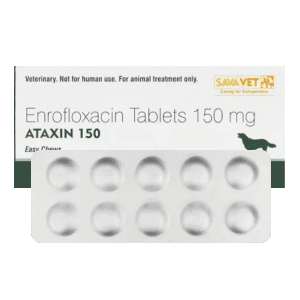
Ataxin
Price range: $ 250,00 through $ 387,00
More Details
This product has multiple variants. The options may be chosen on the product page
Bonhans
Price range: $ 87,00 through $ 161,00
More Details
This product has multiple variants. The options may be chosen on the product page
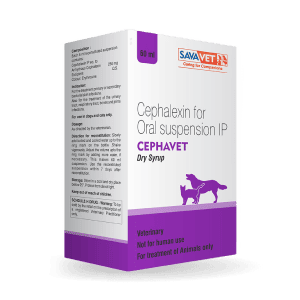
Cephavet Dry Syrup
Price range: $ 33,40 through $ 186,74
More Details
This product has multiple variants. The options may be chosen on the product page
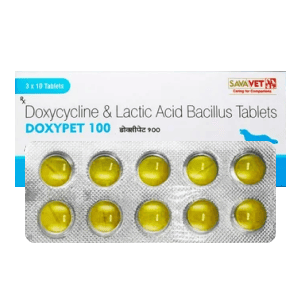
Doxypet
Price range: $ 15,00 through $ 77,00
More Details
This product has multiple variants. The options may be chosen on the product page

Folitas
Price range: $ 60,00 through $ 147,00
More Details
This product has multiple variants. The options may be chosen on the product page
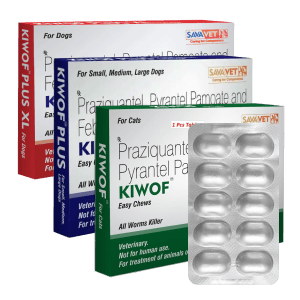
Kiwof Plus Easy Chews
Price range: $ 37,00 through $ 94,00
More Details
This product has multiple variants. The options may be chosen on the product page
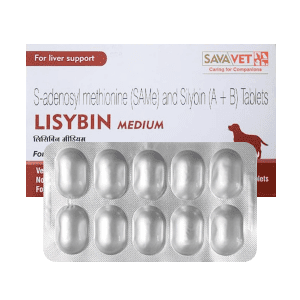
Lisybin Medium
Price range: $ 70,00 through $ 350,00
More Details
This product has multiple variants. The options may be chosen on the product page
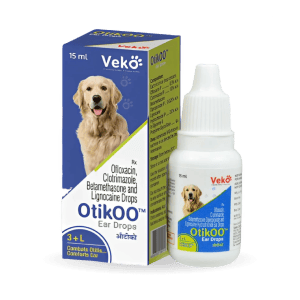
OtikOO Ear Drops
Price range: $ 33,00 through $ 87,00
More Details
This product has multiple variants. The options may be chosen on the product page