

-14%
Clopidogrel
Price range: $ 33,00 through $ 211,00
Durex Air Ultra Thin Condoms
Price range: $ 25,00 through $ 54,00
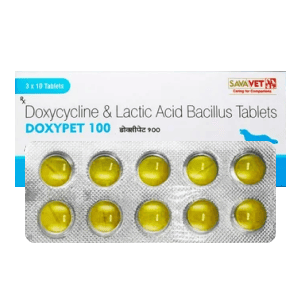
Doxypet
Price range: $ 15,00 through $ 77,00
Doxypet is a versatile broad-spectrum antibiotic specifically formulated to treat a wide range of bacterial infections in dogs and cats. This medication effectively targets both Gram-positive and Gram-negative bacteria, providing a comprehensive solution for various pet health concerns. It is highly effective in managing respiratory tract infections, such as kennel cough, as well as complex skin and soft tissue infections. Additionally, Doxypet is a primary choice for treating serious tick-borne illnesses, including Lyme disease and Ehrlichia. By inhibiting the growth of harmful pathogens, these tablets help your pet recover quickly and maintain their overall well-being.
Delivery: 5–21 days (depending on the shipping method)
Extra 10% discount with coupon: IT4K6SVM
Each dosage option has its own packaging choices.
Description
Doxypet belongs to the tetracycline class of broad-spectrum antibacterial agents, containing doxycycline as its active component. It is dispensed in accordance with applicable federal and state regulations under appropriate professional supervision.
This medication functions by inhibiting bacterial protein synthesis, making it effective against a range of susceptible microorganisms. Understanding its pharmacological properties, administration requirements, and safety guidelines ensures optimal therapeutic outcomes while minimizing risks.
| Active ingredient (INN) | Doxycycline |
| Therapeutic class | Tetracycline antibacterial agent |
| Route of administration | Oral |
| Primary purpose | Treatment of susceptible bacterial and rickettsial infections |
| Prescription status | Dispensed in accordance with applicable federal and state regulations |
| Storage | Store at controlled room temperature 20°C to 25°C (68°F to 77°F) |
Clinical Overview and Pharmacological Profile
How the drug works
Doxypet exerts its antimicrobial action primarily through the bacteriostatic inhibition of bacterial protein synthesis. The active ingredient, doxycycline, penetrates susceptible Gram-positive and Gram-negative bacterial cell membranes. Once inside the bacterial cell, it reversibly binds to the 30S ribosomal subunit. This binding physically blocks the access of aminoacyl-tRNA to the ribosomal acceptor site on the mRNA-ribosome complex, preventing the addition of amino acids to the growing peptide chain. Because protein elongation is halted, bacterial growth and replication are effectively suppressed. This targeted mechanism allows the host immune defense mechanisms to clear the remaining pathogen population.
Main uses
Doxypet is indicated for the treatment of various bacterial and rickettsial infections caused by organisms sensitive to doxycycline. Common clinical applications include tick-borne infections such as Lyme disease (Borrelia burgdorferi), ehrlichiosis (Ehrlichia spp.), anaplasmosis (Anaplasma phagocytophilum), and Rocky Mountain spotted fever (Rickettsia rickettsii). Additionally, it is utilized to manage upper and lower respiratory tract infections, soft tissue bacterial lesions, urinary tract infections, and specific periodontal conditions. Due to its high lipid solubility, doxycycline penetrates tissues such as bronchial secretions, prostatic fluid, and intracellular environments effectively. Any off-label use for non-standard pathogens must be determined explicitly by a qualified prescriber based on susceptibility testing.
What happens in the body
Following oral administration, doxycycline demonstrates rapid and near-complete absorption from the gastrointestinal tract, achieving peak plasma concentrations within two to four hours. Unlike first-generation tetracyclines, its systemic absorption is less severely impaired by co-administered food, although high-calcium items may moderately reduce overall bioavailability. Doxycycline exhibits high lipid solubility, permitting wide tissue distribution into fluids, intracellular spaces, and soft tissues. Protein binding in plasma is high, ranging between 80% and 90%. Elimination occurs primarily via non-renal pathways through the intestinal tract via biliary secretion and direct transintestinal excretion, with a minor fraction excreted unchanged in urine. Because renal excretion is not the primary elimination route, dosage adjustment is typically not required in mild-to-moderate renal impairment.
Dosing schedule
The precise dosing schedule for Doxypet is established individually based on the pathogen targeted, infection severity, and overall patient body weight. Oral tablets or capsules should be administered with a sufficient volume of water or alongside meals to minimize esophageal contact and gastric discomfort. Completing the full duration of prescribed therapy is essential, even if clinical signs resolve prior to finishing the course, to prevent bacterial recrudescence and reduce the development of antimicrobial resistance. Dosages should not be doubled or arbitrarily adjusted without direct direction from a licensed healthcare provider.
Safety, Precautions, and FAQs
Compatibility with other medicines
Doxypet may interact with several drug classes, altering therapeutic efficacy or increasing toxicity risks. Concomitant administration with antacids containing aluminum, calcium, or magnesium, as well as oral iron supplements or bismuth subsalicylate, significantly decreases doxycycline absorption through chelation complex formation. To avoid this interaction, administration of mineral supplements and antacids should be separated from Doxypet by at least two hours. Hepatic enzyme inducers, such as phenobarbital, carbamazepine, or phenytoin, may accelerate doxycycline metabolism and decrease its elimination half-life, requiring clinical monitoring. Additionally, tetracyclines can potentiate the anticoagulant effect of warfarin or related agents, requiring monitoring of coagulation parameters.
What side effects may occur
Adverse reactions associated with Doxypet primarily involve the gastrointestinal system. The most frequently observed side effects include nausea, vomiting, abdominal discomfort, diarrhea, and transient loss of appetite. Esophageal irritation or ulceration can occur if the tablet lodges in the esophagus without adequate fluid intake. Photosensitivity reactions, characterized by exaggerated cutaneous sunburn responses upon exposure to direct sunlight or ultraviolet light, may also develop during therapy. Hypersensitivity manifestations, including hives, rash, or facial edema, require immediate evaluation. Prolonged use may occasionally result in fungal or bacterial superinfections due to disruption of normal mucosal microflora.
Important precautions
Doxypet requires cautious administration in patients with pre-existing hepatic impairment or those concurrently receiving potential hepatotoxic agents. Exposure to direct sunlight or ultraviolet light sources should be minimized during treatment to prevent photosensitivity reactions. Administration during the period of tooth development (late pregnancy, infancy, and early growth phases) may cause permanent discoloration of teeth (yellow-gray-brown) and reversible enamel hypoplasia. Patients with renal insufficiency should be monitored, although doxycycline accumulates less than older tetracyclines. If signs of severe hypersensitivity, persistent bloody diarrhea, or sudden clinical deterioration occur, immediate consultation with a medical professional is mandatory.
If a dose is skipped
If a dose of Doxypet is missed, it should be administered as soon as remembered on the same day. However, if it is nearly time for the next scheduled dose, the missed dose should be skipped entirely, and the regular dosing schedule resumed. Patients or caregivers must never administer two doses simultaneously or increase the dose to compensate for a missed administration. Maintaining consistent dosing intervals supports stable therapeutic blood concentrations necessary for optimal antimicrobial activity.
Food and dietary considerations
While Doxypet may be taken with food to reduce stomach upset, items high in calcium–such as dairy products, milk, cheese, or calcium-fortified beverages–can bind to doxycycline in the digestive tract and impair systemic absorption. It is recommended to administer the medication either one hour before or two hours after consuming calcium-rich food items or dietary mineral supplements. Alcohol consumption should be avoided during treatment, as chronic alcohol ingestion can increase the metabolic clearance of doxycycline.
How to evaluate the effect
Therapeutic response to Doxypet is typically observed within 48 to 72 hours after initiating treatment, evidenced by a reduction in fever, decreasing systemic signs of infection, and improved general activity or comfort. Laboratory evaluations, such as repeating complete blood counts or specific pathogen antibody titers, may be utilized by a prescriber to confirm clearance of infection. If clinical symptoms do not demonstrate improvement within three to four days of continuous treatment, re-evaluation of the diagnosis and antimicrobial susceptibility is warranted.
Storage and handling
Doxypet tablets should be stored in their original tight, light-resistant container at controlled room temperature between 20°C and 25°C (68°F to 77°F), with short excursions permitted between 15°C and 30°C (59°F to 86°F). The product must be protected from excessive heat, direct light, and moisture. Store the medication safely out of reach of children and pets. Do not use Doxypet after the expiration date printed on the packaging, as degraded tetracyclines can cause renal tubular damage.
Common questions
Is it normal to experience mild stomach upset when starting Doxypet?
Mild gastrointestinal symptoms, including mild nausea or loose stools, can occur during the initial days of treatment. Giving the dose alongside a small non-dairy meal often helps alleviate gastric discomfort without compromising drug efficacy. If vomiting is severe or persistent, contact a healthcare professional.
What happens if exposure to bright sun occurs while taking Doxypet?
Doxycycline increases cutaneous sensitivity to ultraviolet light. Exposure to bright sunlight may cause rapid sunburn, skin redness, or rash. Sun protection measures, including shade and avoiding peak solar hours, should be maintained throughout the treatment period.
Can Doxypet be crushed and mixed with liquid?
Tablets should generally be administered whole with adequate water to prevent esophageal retention and mucosal erosion. Crushing or splitting should only be done if specifically advised by a prescriber, and must always be followed by sufficient fluids to ensure complete passage into the stomach.
How long does Doxypet stay in the body after stopping therapy?
Doxycycline has an elimination half-life of approximately 18 to 22 hours in individuals with normal renal and hepatic function. Most of the drug is cleared from the systemic circulation within four to five days after the final dose is administered.
Should Doxypet be discontinued as soon as symptoms disappear?
No, stopping treatment prematurely can allow surviving bacteria to multiply, causing infection relapse or encouraging the development of drug-resistant strains. The full prescribed course should be completed unless directed otherwise by a healthcare professional.
In accordance with FDA requirements.
This text is for informational purposes only and does not constitute individual medical advice.
Additional information
| Dosage |
100 mg + 100 million spores |
|---|---|
| Package |
30 tabs ,60 tabs ,90 tabs ,120 tabs ,180 tabs |
| Active Ingredient |
Doxycycline, Lactic Acid Bacillus |
Related products
2B12
Price range: $ 38,00 through $ 72,00
More Details
This product has multiple variants. The options may be chosen on the product page
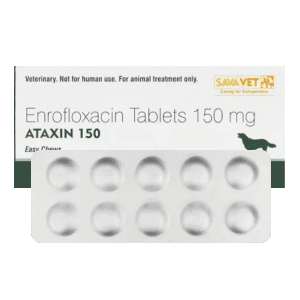
Ataxin
Price range: $ 250,00 through $ 387,00
More Details
This product has multiple variants. The options may be chosen on the product page
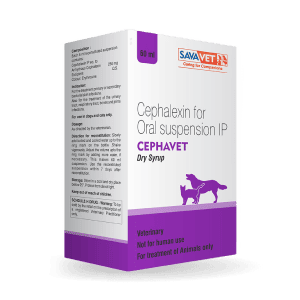
Cephavet Dry Syrup
Price range: $ 33,40 through $ 186,74
More Details
This product has multiple variants. The options may be chosen on the product page
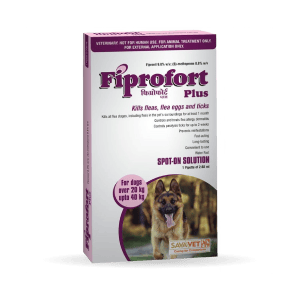
Fiprofort Plus Spot-On
Price range: $ 11,00 through $ 39,00
More Details
This product has multiple variants. The options may be chosen on the product page
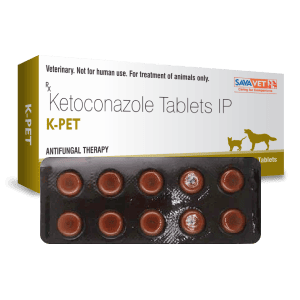
K-Pet
Price range: $ 32,00 through $ 176,00
More Details
This product has multiple variants. The options may be chosen on the product page
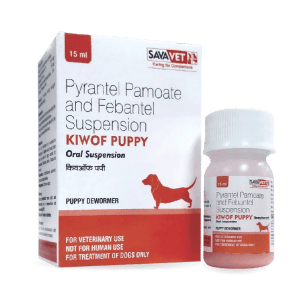
Kiwof Puppy Suspension
$ 13,00
More Details
This product has multiple variants. The options may be chosen on the product page
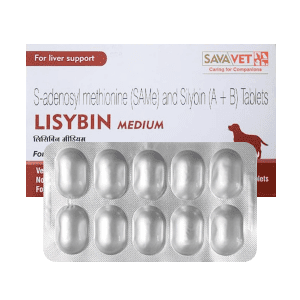
Lisybin Medium
Price range: $ 70,00 through $ 350,00
More Details
This product has multiple variants. The options may be chosen on the product page
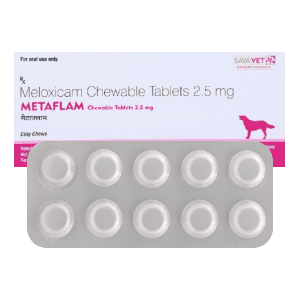
Metaflam Easy Chews
Price range: $ 70,00 through $ 390,00
More Details
This product has multiple variants. The options may be chosen on the product page