

-47%
Cipcal
Price range: $ 117,00 through $ 216,00
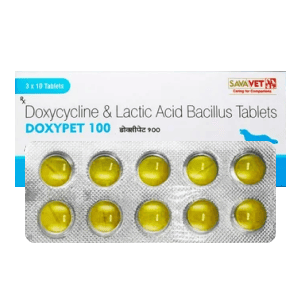
Doxypet
Price range: $ 15,00 through $ 77,00
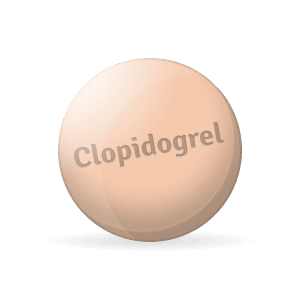
Clopidogrel
Price range: $ 33,00 through $ 211,00
Clopidogrel is an effective antiplatelet medication designed to help prevent blood clots from forming in the body. It is widely used to reduce the risk of heart attacks and strokes in patients with a history of cardiovascular issues. This medication is also beneficial for individuals suffering from peripheral arterial disease to improve overall circulation. By keeping platelets from sticking together, the treatment helps maintain smooth blood flow through the arteries. Regular use of Clopidogrel provides essential protection for those managing long-term heart health and vascular conditions.
Delivery: 5–21 days (depending on the shipping method)
Extra 10% discount with coupon: IT4K6SVM
Each dosage option has its own packaging choices.
Description
Clopidogrel belongs to a class of medications known as thienopyridine P2Y12 platelet inhibitors. It is prescribed under federal regulatory oversight in the United States to reduce the risk of atherothrombotic events in patients with established peripheral arterial disease, recent myocardial infarction, or recent ischemic stroke. As a prescription-only (Rx) oral medication evaluated by the U.S. Food and Drug Administration (FDA), clopidogrel requires ongoing supervision by a qualified healthcare provider.
This antiplatelet agent helps prevent blood clots from forming inside narrowed blood vessels, thereby lowering the incidence of potentially life-threatening cardiovascular complications. Understanding its pharmacological profile, administration guidelines, and potential risk factors helps ensure safe and effective clinical use.
Overview and Clinical Profile
How the drug works
Clopidogrel is an inactive prodrug that requires biotransformation by the hepatic cytochrome P450 enzyme system to exert its antiplatelet effect. Its active thiol metabolite selectively and irreversibly inhibits the binding of adenosine diphosphate (ADP) to its platelet P2Y12 receptor. This blockade prevents the subsequent ADP-mediated activation of the glycoprotein IIb/IIIa complex, inhibiting platelet aggregation for the remainder of the platelet’s natural lifespan, which ranges from 7 to 10 days. Because the modification of the platelet P2Y12 receptor is irreversible, normal hemostatic function recovers gradually as new circulating platelets are generated by the bone marrow.
Main uses
Clopidogrel is FDA-approved for reducing atherothrombotic events in adult patients presenting with a history of recent myocardial infarction, recent ischemic stroke, or established peripheral arterial disease. It is also indicated to decrease the rate of atherothrombotic events in patients with acute coronary syndrome (ACS), including non-ST-segment elevation ACS (unstable angina or non-ST-elevation myocardial infarction) managed medically or with percutaneous coronary intervention (PCI), frequently in dual antiplatelet combination with aspirin. Any off-label applications–such as secondary prevention following transcatheter aortic valve replacement or specific neurovascular stenting protocols–are considered off-label use and must be initiated solely under specialized clinical directive.
Dosing schedule
Administration of clopidogrel must follow individualized dosage instructions provided by a licensed healthcare prescriber. For standard secondary prevention of atherothrombotic events, the recommended dosage is 75 mg taken orally once daily. In acute coronary syndrome management, therapy typically begins with a single 300 mg oral loading dose, followed by a daily maintenance dose of 75 mg, often co-administered with daily low-dose aspirin (75 mg to 81 mg). The film-coated tablets should be swallowed whole with water, with or without food. Dosage adjustments are not routinely defined in the official prescribing label for renal impairment or mild hepatic impairment, though monitoring remains essential.
What happens in the body
Following oral administration, clopidogrel is rapidly absorbed, with peak plasma concentrations of the parent compound occurring approximately 45 to 60 minutes post-dose. It undergoes extensive hepatic metabolism through two main oxidative pathways: one regulated by carboxylesterase-1 (yielding an inactive carboxylic acid derivative that constitutes approximately 85% of circulating drug-related compounds) and another mediated by CYP450 enzymes (specifically CYP2C19, CYP3A4, CYP2B6, and CYP1A2) to form the active thiol metabolite. Genetic variations in the CYP2C19 gene markedly influence metabolic conversion; individuals categorized as CYP2C19 poor metabolizers exhibit reduced active metabolite levels and diminished antiplatelet response. Elimination is roughly divided between renal excretion (46%) and biliary/fecal excretion (42%).
Compatibility with other medicines
Co-administration of clopidogrel with other agents affecting hemostasis–such as nonsteroidal anti-inflammatory drugs (NSAIDs), warfarin, direct oral anticoagulants, or selective serotonin reuptake inhibitors (SSRIs)–substantially increases the risk of serious gastrointestinal or systemic hemorrhage. Furthermore, strong or moderate CYP2C19 inhibitors (notably omeprazole and esomeprazole) significantly decrease the conversion of clopidogrel into its active form, compromising therapeutic efficacy. Alternative acid-reducing agents like pantoprazole or H2-receptor antagonists exhibit less CYP2C19 interference. Patients must disclose all prescription medications, over-the-counter products, and dietary supplements to their medical provider prior to starting therapy.
Adverse reactions
The most frequent adverse events associated with clopidogrel involve mild to moderate bleeding, including hematomas, epistaxis (nosebleeds), gastrointestinal bruising, and prolonged bleeding times from minor cuts. Non-hemorrhagic adverse reactions reported in clinical trials include skin rash, pruritus, diarrhea, dyspepsia, abdominal pain, and headache. Severe hematologic disturbances, such as severe neutropenia or aplastic anemia, occur infrequently. Thrombotic thrombocytopenic purpura (TTP) is a rare but life-threatening reaction that requires immediate plasmapheresis and emergency medical evaluation.
Important precautions
Clopidogrel carries a boxed warning regarding reduced antiplatelet efficacy in patients who are CYP2C19 poor metabolizers. The medication is strictly contraindicated in individuals with active pathological bleeding, such as peptic ulcer disease or intracranial hemorrhage, or known hypersensitivity to the drug. Prior to any elective surgical or dental procedure, clopidogrel should typically be discontinued 5 days before surgery to allow hemostatic recovery, unless otherwise directed by a physician. Special monitoring is required in patients with moderate-to-severe hepatic impairment, severe renal dysfunction, or elevated baseline bleeding risks.
What to avoid while taking it
Clopidogrel can be taken with or without food, as food intake does not clinically impair overall systemic absorption. However, regular or heavy alcohol consumption should be strictly avoided or limited, as alcohol irritates the gastric mucosa and independently increases the risk of upper gastrointestinal ulceration and bleeding when combined with antiplatelet drugs. Dietary supplements known to influence blood coagulation (such as high-dose ginkgo biloba, garlic extracts, or omega-3 fatty acids) should only be consumed after consulting a licensed healthcare provider.
If you skip a dose
If a daily dose of clopidogrel is missed, it should be taken as soon as remembered on the same day. However, if it is nearly time for the next scheduled dose, the missed dose should be skipped entirely, resuming the regular dosing calendar. Patients must never double the dose or take extra tablets to make up for a missed administration, as taking excessive antiplatelet medication significantly escalates the risk of acute bleeding complications.
Storage and expiration
Clopidogrel tablets should be stored at controlled room temperature between 20°C and 25°C (68°F to 77°F), with temporary excursions permitted between 15°C and 30°C (59°F and 86°F) in accordance with U.S. Pharmacopeia standards. Keep the tablets in their original container or a tightly closed pill bottle to protect them from moisture and direct light. Store securely out of reach of children and pets. Do not use medication past the printed expiration date located on the packaging.
Red flags
Emergency medical intervention must be sought immediately if a patient experiences signs of major bleeding or acute systemic adverse reactions. High-priority red flags include:
- Unexplained, severe, or uncontrollable bleeding from any site
- Vomiting blood or material resembling dark coffee grounds
- Black, tarry, or visibly bloody stools
- Sudden severe headache, sudden weakness, or neurological deficits (indicative of intracranial bleeding)
- Signs of Thrombotic Thrombocytopenic Purpura: fever, extreme fatigue, pale skin, pinpoint purple spots (petechiae), or jaundice
- Signs of severe allergic reaction, such as swelling of the face, lips, tongue, or throat causing difficulty breathing
Key Information and Frequently Asked Questions
How long before an elective surgery should clopidogrel be stopped?
In standard clinical practice, healthcare providers typically advise discontinuing clopidogrel 5 days prior to elective surgical or dental procedures to allow platelet function to recover and reduce perioperative bleeding risks. However, the exact timing depends on individual cardiovascular risk factors and the specific type of surgery. Patients must never stop taking clopidogrel without explicit instructions from their prescribing physician, as abrupt discontinuation can increase the risk of stent thrombosis or cardiac events.
Is it safe to take over-the-counter pain relievers like ibuprofen with clopidogrel?
Combining nonsteroidal anti-inflammatory drugs (NSAIDs) such as ibuprofen or naproxen with clopidogrel increases the risk of gastrointestinal ulceration and severe bleeding. NSAIDs inhibit platelet COX-1 enzymes and irritate the stomach lining, compounding the antiplatelet effect of clopidogrel. For mild pain relief, healthcare providers often suggest alternative analgesics, such as acetaminophen, used strictly according to package instructions and provider guidance.
Does clopidogrel cause easy bruising?
Yes, minor cutaneous bruising (ecchymosis) and minor bleeding from small cuts or nosebleeds are common side effects of clopidogrel therapy. Because the drug irreversibly inhibits platelet aggregation, minor vascular breaks take longer to seal. While small bruises are generally expected, widespread, rapidly spreading, or spontaneous large hematomas should be promptly reported to a healthcare professional for clinical evaluation.
Why might a doctor order genetic testing before prescribing clopidogrel?
Genetic testing evaluates the CYP2C19 gene to determine how effectively a patient’s liver metabolizes clopidogrel into its active form. Patients identified as CYP2C19 poor metabolizers produce lower concentrations of the active thiol metabolite, resulting in diminished antiplatelet protection and a higher risk of recurrent cardiovascular events. If testing reveals poor metabolizer status, prescribers may consider alternative antiplatelet agents evaluated under current U.S. clinical guidelines.
| Parameter | Details |
|---|---|
| Active ingredient (INN) | Clopidogrel (as bisulfate) |
| Therapeutic class | Platelet aggregation inhibitor (Thienopyridine P2Y12 inhibitor) |
| Dosage form | Oral tablet (75 mg, 300 mg) |
| Route of administration | Oral |
| Prescription status | Prescription only (Rx) |
| Main side effect | Increased tendency to bleed and bruise |
| Storage | 20°C to 25°C (68°F to 77°F); excursions permitted to 15°–30°C (59°–86°F) |
Always consult your healthcare provider before starting or changing any treatment.
In accordance with FDA requirements.
Additional information
| Dosage |
75 mg |
|---|---|
| Package |
30 pills ,60 pills ,90 pills ,120 pills ,180 pills ,360 pills |
| Active Ingredient |
Clopidogrel |
Related products
Accupril
Price range: $ 68,00 through $ 256,00
Active substance: Hypertension
More Details
This product has multiple variants. The options may be chosen on the product page
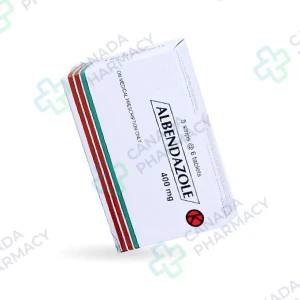
Albendazole
Price range: $ 46,00 through $ 121,00
Active substance: Albendazole
More Details
This product has multiple variants. The options may be chosen on the product page

Atorlip 5
Price range: $ 43,00 through $ 157,00
Active substance: Atorvastatin
More Details
This product has multiple variants. The options may be chosen on the product page
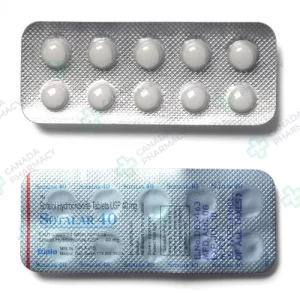
Betapace
Price range: $ 9,00 through $ 260,00
Active substance: Sotalol
More Details
This product has multiple variants. The options may be chosen on the product page
Capoten
Price range: $ 42,00 through $ 323,00
Active substance: Captopril
More Details
This product has multiple variants. The options may be chosen on the product page
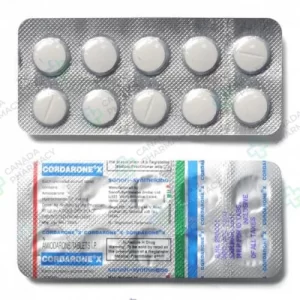
Cordarone
Price range: $ 40,00 through $ 720,00
Active substance: Amiodarone
More Details
This product has multiple variants. The options may be chosen on the product page
Coversyl
Price range: $ 40,00 through $ 540,00
Active substance: perindopril arginine
More Details
This product has multiple variants. The options may be chosen on the product page

Ecosprin
Price range: $ 19,00 through $ 57,00
Active substance: aspirin
More Details
This product has multiple variants. The options may be chosen on the product page