

-54%
Chocolis
Price range: $ 74,00 through $ 163,00
Clopidogrel
Price range: $ 33,00 through $ 211,00
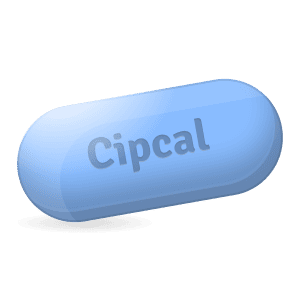
Cipcal
Price range: $ 117,00 through $ 216,00
Cipcal is a premium dietary supplement specifically formulated to support bone density and overall skeletal health. Each tablet provides a balanced combination of calcium and Vitamin D3 to enhance effective mineral absorption. This supplement is ideal for addressing calcium deficiencies and maintaining the structural integrity of teeth and bones. By supporting optimal nutrient levels, it helps prevent the gradual loss of bone mass associated with aging. Cipcal also plays a vital role in ensuring the proper functioning of muscles and nerves throughout the body.
Delivery: 5–21 days (depending on the shipping method)
Extra 10% discount with coupon: IT4K6SVM
Each dosage option has its own packaging choices.
Description
Cipcal is a combination nutritional preparation formulated with calcium carbonate and vitamin D3 (cholecalciferol). It functions primarily to supply elemental minerals essential for skeletal structural integrity and physiological homeostasis.
In the United States market, calcium and vitamin D combination products are classified under dietary supplements and over-the-counter mineral formulations, dispensed in accordance with applicable federal and state regulations. Clinical application focuses on addressing mineral deficiencies, supporting bone mass density, and preventing metabolic bone disorders.
| Parameter | Details |
|---|---|
| Drug Name | Cipcal |
| Active Ingredients | Calcium Carbonate, Vitamin D3 (Cholecalciferol) |
| Therapeutic Class | Dietary Supplement / Mineral & Vitamin Combination |
| Dosage Form | Oral Tablet |
| Route of Administration | Oral |
| Primary Purpose | Bone health support and calcium/vitamin D replacement |
| Storage Conditions | 59°F to 86°F (15°C to 30°C) |
Product Overview and Mechanism
How the drug works
The mechanism of action of Cipcal depends on the synergism between its two primary constituents: elemental calcium and cholecalciferol (vitamin D3). Calcium carbonate provides a concentrated source of elemental calcium, which is the foundational structural mineral in human bone tissue, accounting for roughly 99% of total body calcium stored in hydroxyapatite crystals. Beyond structural support, extracellular calcium ions regulate vital cellular processes, including neuromuscular excitation, blood coagulation cascades, and cardiac ion channel activity. Vitamin D3 undergoes metabolic conversion in the body–first hydroxylated in the liver to 25-hydroxyvitamin D [25(OH)D], and then in the kidneys to the active hormone 1,25-dihydroxyvitamin D [1,25(OH)2D3]. Active vitamin D binds to nuclear vitamin D receptors in intestinal epithelial cells, upregulating synthesis of calcium-binding proteins (calbindins) to significantly enhance intestinal absorption of dietary and supplemental calcium.
How it is absorbed and eliminated
The absorption of calcium carbonate is dependent upon an acidic gastric environment, where hydrochloric acid converts the insoluble carbonate salt into soluble calcium chloride ions. Free calcium ions are subsequently absorbed in the small intestine, primarily within the duodenum and jejunum, via active transcellular transport mediated by vitamin D and passive paracellular diffusion. Total intestinal absorption efficiency generally ranges from 20% to 30% under standard physiological conditions, but fractional absorption declines as single doses increase above 500 mg of elemental calcium. Unabsorbed calcium is excreted in the feces, which represents the primary elimination pathway (approximately 80%). Filtered renal calcium undergoes heavy tubular reabsorption, with less than 2% of total filtered load excreted in urine under hormonal regulation by parathyroid hormone and calcitonin. Cholecalciferol is fat-soluble, absorbed in the small intestine alongside dietary lipids via micellar passive diffusion, transported in lymph by chylomicrons, stored in adipose tissue, and eliminated mainly through biliary tract excretion.
Main uses
Cipcal is indicated for the prevention and clinical management of calcium and vitamin D deficiencies. Primary clinical applications include adjunctive therapy in comprehensive osteoporosis treatment protocols to slow down bone mineral density loss and reduce fracture risks in postmenopausal women and elderly individuals. Additionally, it is prescribed or recommended for individuals diagnosed with osteomalacia, nutritional rickets support, hypoparathyroidism, or secondary hyperparathyroidism secondary to chronic renal insufficiency. The preparation is also utilized when nutritional intake fails to meet recommended dietary allowances, such as during periods of increased metabolic demand, corticosteroid therapy inducing bone loss, or restrictive dietary regimens.
Dosing schedule
Dosing of Cipcal must be adjusted individually based on serum laboratory values, baseline dietary calcium intake, and specific clinical goals. Standard oral adult dosing typical for calcium supplementation involves providing 500 mg to 1200 mg of elemental calcium daily, frequently split into two separate administrations per day. Dividing daily doses into administrations containing no more than 500 mg of elemental calcium per single intake optimizes intestinal transport saturation and maximizes overall systemic absorption. Tablets should be taken directly after meals or during eating, as food consumption stimulates gastric acid output necessary to dissolve calcium carbonate into an absorbable ionic state. Patients must adhere strictly to recommended upper daily intake limits unless explicitly instructed by a managing physician.
Safety Profile and Guidelines
Compatibility with other medicines
Calcium carbonate exhibits notable physical and chemical interactions with numerous pharmaceutical agents. Simultaneous oral co-administration of calcium with oral bisphosphonates (such as alendronate or risedronate), tetracycline antibiotics (e.g., doxycycline), or fluoroquinolone antibiotics (e.g., ciprofloxacin) leads to insoluble chelate complex formation, drastically decreasing oral bioavailability of both agents; these medications must be separated by at least 2 to 4 hours. Thiazide diuretics reduce urinary calcium excretion and, when combined with high-dose calcium supplementation, elevate the risk of hypercalcemia. Conversely, loop diuretics increase renal calcium clearance. Calcium also impairs the intestinal absorption of levothyroxine, requiring a mandatory administration interval of at least 4 hours between products. Co-administration with cardiac glycosides like digoxin increases the potential risk of digitalis toxicity if hypercalcemia develops.
Adverse reactions
Adverse reactions associated with Cipcal primarily involve the gastrointestinal tract. Frequently reported mild side effects include constipation, intestinal gas (flatulence), nausea, abdominal cramps, and epigastric discomfort. Chronic administration of high doses exceeding physiological demands can induce systemic hypercalcemia and hypercalciuria. Early clinical manifestations of hypercalcemia include lethargy, confusion, muscle weakness, anorexia, nausea, vomiting, polyuria, and polydipsia. Severe or prolonged hypercalcemia may lead to vascular calcification, cardiac arrhythmias, nephrocalcinosis, and renal stone formation (nephrolithiasis). Patients with underlying renal impairment face an elevated risk of developing milk-alkali syndrome if high calcium carbonate doses are combined with absorbable alkali.
Important precautions
Cipcal is contraindicated in individuals presenting with pre-existing hypercalcemia, hypercalciuria, severe renal insufficiency, calcium-containing nephrolithiasis, or known hypersensitivity to any formulation components. Caution is mandatory in patients with sarcoidosis, hyperparathyroidism, or malignancy-associated osteolysis, as these conditions alter vitamin D metabolization or bone turnover rates, significantly amplifying hypercalcemia risks. Periodic monitoring of serum calcium levels, 25-hydroxyvitamin D concentrations, and serum creatinine is recommended for individuals undergoing long-term administration. If serum calcium exceeds normal reference ranges or urinary excretion rises significantly, dosage reduction or temporary cessation of therapy is clinically required.
Food and alcohol interactions
Ingesting calcium carbonate with food increases dissolution efficiency owing to postprandial gastric acid production. However, dietary components rich in oxalic acid (such as spinach, beet greens, and cocoa) or phytic acid (found in whole grains, legumes, and nuts) form insoluble calcium salts in the intestinal lumen, inhibiting mineral absorption. Co-ingestion with excessive dietary fiber may also reduce calcium bioavailability. Alcohol consumption should be moderated, as chronic excessive ethanol intake disrupts intestinal calcium transport proteins, impairs hepatic 25-hydroxylation of vitamin D, and promotes renal mineral wasting.
If you skip a dose
When a scheduled dose of Cipcal is missed, it should be ingested as soon as remembered, provided it is taken with food. However, if the time approaches the next scheduled intake, the missed dose should be skipped entirely, resuming the standard dosing routine. Taking a double dose to make up for a missed tablet is not recommended, as excess acute calcium loads decrease fractional absorption efficiency and increase the risk of localized gastrointestinal distress.
Special populations
During pregnancy and lactation, calcium and vitamin D requirements are elevated to support fetal skeletal growth and maternal milk synthesis. However, total daily elemental calcium intake should not exceed the upper tolerable limit (2,500 mg daily) to avoid maternal hypercalcemia and potential fetal developmental impairment. Elderly populations frequently exhibit age-related achlorhydria (reduced stomach acid production), which significantly reduces calcium carbonate solubility; taking doses strictly with meals is essential for this demographic. Patients with renal impairment require cautious dose titrations and frequent biochemical monitoring.
Storage and expiration
Cipcal should be stored at controlled room temperature between 59°F and 86°F (15°C to 30°C), away from excessive heat, ambient moisture, and direct sun exposure. The container must remain tightly closed to protect tablets from atmospheric humidity. Keep out of reach of children. Do not use the formulation beyond the expiration date explicitly stated on the packaging container or blister pack.
Common questions
What happens if calcium supplements are taken at the same time as iron supplements?
Calcium carbonate competes directly with non-heme iron for intestinal absorption transporters. Simultaneous co-administration can reduce iron bioavailability by up to 50%. It is recommended to separate calcium and iron supplement administration by at least two hours to optimize absorption efficiency of both minerals.
Is it normal to experience mild constipation while taking Cipcal?
Constipation is a recognized gastrointestinal side effect of calcium carbonate preparations. It occurs because unabsorbed calcium ions can decrease intestinal smooth muscle motility. Increasing dietary fluid intake, expanding dietary fiber, or splitting daily doses into smaller single portions often mitigates this symptom.
How long does it take for systemic calcium and vitamin D levels to normalize?
Biochemical correction of serum calcium levels typically begins within days of initiating therapy, while restoring depleted tissue stores of vitamin D3 (measured via serum 25-hydroxyvitamin D concentrations) generally requires several weeks to months of continuous, compliant supplementation under clinical monitoring.
What should be done if symptoms of hypercalcemia appear?
If signs of elevated calcium levels–such as persistent nausea, uncharacteristic fatigue, excessive thirst (polydipsia), or frequent urination (polyuria)–develop, treatment should be paused immediately. A healthcare provider should be contacted to evaluate serum calcium and renal function parameters.
Can Cipcal be taken alongside over-the-counter antacids?
Many over-the-counter antacids contain calcium carbonate, aluminum hydroxide, or magnesium hydroxide. Taking them concurrently with Cipcal can lead to excessive daily mineral intake, increasing the risk of hypercalcemia or altered bowel habits. A complete medication review with a provider or pharmacist is advised before combining these products.
This text is for informational purposes only and does not constitute individual medical advice.
In accordance with FDA requirements.
Additional information
| Dosage |
500 mg + 250 iu |
|---|---|
| Package |
90 tabs ,180 tabs ,270 tabs ,360 tabs |
| Active Ingredient |
Elemental Calcium, Cholecalciferol (Vitamin D3) |
Related products
Bioclan Oral Solution
Price range: $ 31,00 through $ 71,00
More Details
This product has multiple variants. The options may be chosen on the product page
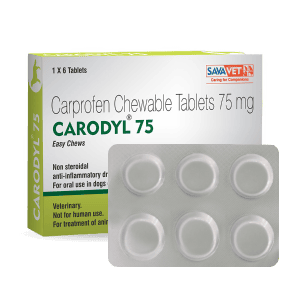
Carodyl Chewable
Price range: $ 116,00 through $ 1 139,00
More Details
This product has multiple variants. The options may be chosen on the product page
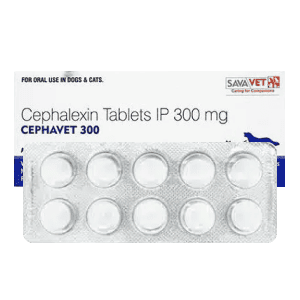
Cephavet
Price range: $ 69,00 through $ 317,00
More Details
This product has multiple variants. The options may be chosen on the product page
Evion Softgel
Price range: $ 56,00 through $ 860,00
More Details
This product has multiple variants. The options may be chosen on the product page
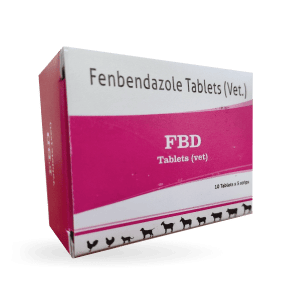
FBD
Price range: $ 90,00 through $ 810,00
More Details
This product has multiple variants. The options may be chosen on the product page
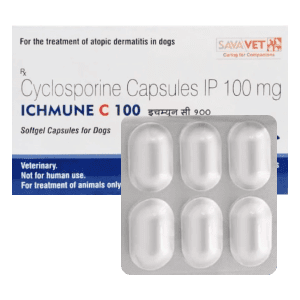
Ichmune C
Price range: $ 112,00 through $ 1 071,00
More Details
This product has multiple variants. The options may be chosen on the product page
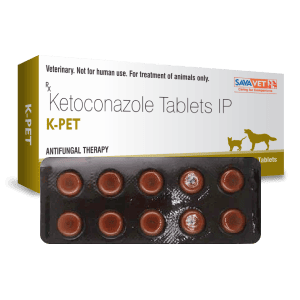
K-Pet
Price range: $ 32,00 through $ 176,00
More Details
This product has multiple variants. The options may be chosen on the product page
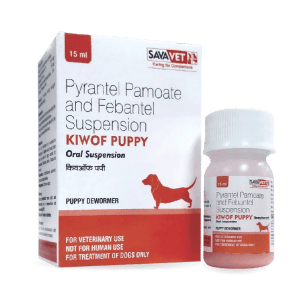
Kiwof Puppy Suspension
$ 13,00
More Details
This product has multiple variants. The options may be chosen on the product page