

-27%
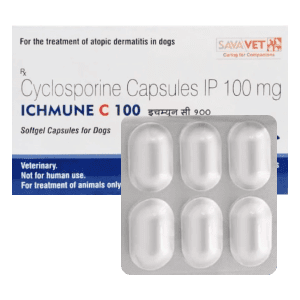
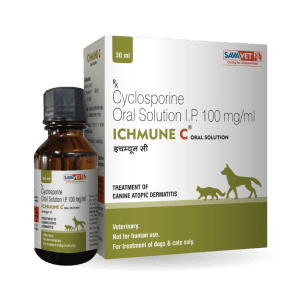
Ichmune C
Price range: $ 112,00 through $ 1 071,00
Ichmune C is an effective immunosuppressant medication that contains cyclosporine as its primary active ingredient. This medication is widely used to manage chronic inflammatory conditions and severe autoimmune disorders by stabilizing the body’s immune response. It is particularly recognized for its efficacy in treating atopic dermatitis, providing significant relief from persistent itching and skin irritation. The advanced formula works by targeting specific immune cells to reduce inflammation and prevent overreactions to environmental triggers. These easy-to-administer capsules are designed for optimal absorption to ensure consistent results and an improved quality of life.
Delivery: 5–21 days (depending on the shipping method)
Extra 10% discount with coupon: IT4K6SVM
Each dosage option has its own packaging choices.
Description
Ichmune C belongs to a class of immunosuppressive agents known as calcineurin inhibitors, containing active cyclosporine in a microemulsified oral formulation. This active compound selectively modifies T-lymphocyte function to dampen autoimmune and hyper-reactive immune responses. The medication is dispensed in accordance with applicable federal and state regulations requiring a valid prescription from a licensed healthcare provider.
Because microemulsified cyclosporine exhibits enhanced bioequivalence and predictable oral bioabsorption compared to non-modified formulations, consistent administration under clinical supervision is essential. Therapeutic blood monitoring is routinely employed to balance clinical efficacy against potential renal and systemic adverse effects.
| Parameter | Details |
|---|---|
| Active ingredient | Cyclosporine (microemulsified) |
| Therapeutic class | Calcineurin inhibitor (immunosuppressive) |
| Dosage form | Oral capsule |
| Route of administration | Oral |
| Primary purpose | Immunomodulation and graft rejection prevention |
| Prescription status | Prescription required (Rx) |
How the drug works
The active ingredient in Ichmune C, cyclosporine, acts by forming a complex with cyclophilin, a specific intracellular protein found within T-lymphocytes. This drug-protein complex binds to and inhibits calcineurin, a calcium- and calmodulin-dependent phosphatase enzyme. Under normal physiological conditions, calcineurin dephosphorylates the nuclear factor of activated T-cells (NF-AT), allowing NF-AT to translocate into the nucleus and initiate transcription of interleukin-2 (IL-2) and related lymphokines.
By blocking calcineurin activity, cyclosporine suppresses the synthesis of IL-2 and other cytokines essential for T-cell activation and clonal proliferation. Consequently, cell-mediated immune responses, delayed-type hypersensitivity reactions, and T-cell-dependent antibody production are significantly decreased without causing marked bone marrow suppression.
Main uses
Ichmune C is indicated for several immunomodulatory clinical applications under physician supervision. Primary indications include:
- Organ Transplantation: Prophylaxis of organ rejection in kidney, liver, and heart allogeneic transplants, typically administered alongside corticosteroids.
- Rheumatoid Arthritis: Management of severe, active rheumatoid arthritis in adult patients who have responded inadequately to disease-modifying antirheumatic drugs such as methotrexate.
- Plaque Psoriasis: Treatment of severe, recalcitrant plaque psoriasis in adult patients who failed systemic therapies or for whom other systemic treatments are medically contraindicated.
Any off-label application of cyclosporine in non-approved dermatologic or autoimmune conditions must be explicitly evaluated by a prescribing clinician on an individual basis.
Dosing schedule
Dosage must always be determined individually based on patient body weight, clinical response, and drug blood concentrations. Ichmune C capsules are taken orally, usually split into two equal daily doses given every 12 hours. Capsules should be swallowed whole with fluid and must not be chewed, crushed, or opened.
To ensure steady systemic exposure, daily administration should adhere to a strict schedule relative to meal times. Initial doses for transplant recipients are generally established based on dry body weight before being adjusted according to trough blood level measurements. Patients receiving therapy for dermatologic or rheumatologic conditions typically start at lower baseline dosages, titrated incrementally based on clinical response and serum creatinine readings.
How it’s absorbed and eliminated
Cyclosporine microemulsion provides improved oral absorption relative to non-modified formulations. Absorption takes place primarily in the small intestine, reaching peak plasma concentration (Cmax) within 1.5 to 2 hours post-administration. Absolute bioavailability depends on the patient population and formulation stability.
Circulating cyclosporine is heavily bound to plasma proteins (approximately 90%), particularly lipoproteins. It undergoes extensive hepatic metabolism mediated by the cytochrome P450 3A4 (CYP3A4) enzyme system and is subject to efflux by P-glycoprotein transporters in the intestinal wall. Elimination occurs primarily through biliary excretion into feces, with renal elimination accounting for less than 6% of unchanged drug and metabolites. The elimination half-life generally ranges between 8 and 24 hours, depending on individual liver function and patient characteristics.
Compatibility with other medicines
Cyclosporine therapy requires careful evaluation of concurrent drug regimens due to extensive CYP3A4 metabolic pathways. Key drug interactions include:
- CYP3A4 Inhibitors: Ketoconazole, itraconazole, diltiazem, verapamil, erythromycin, and clarithromycin decrease cyclosporine clearance, elevating plasma levels and increasing the risk of nephrotoxicity.
- CYP3A4 Inducers: Rifampin, carbamazepine, phenytoin, phenobarbital, and St. John’s wort increase hepatic metabolism, leading to reduced cyclosporine blood levels and loss of therapeutic efficacy.
- Nephrotoxic Agents: Co-administration with nonsteroidal anti-inflammatory drugs (NSAIDs), aminoglycosides, amphotericin B, or vancomycin synergistically enhances the risk of renal impairment.
- Potassium-Sparing Diuretics: Concomitant use increases the risk of severe hyperkalemia.
Adverse reactions
The safety profile of cyclosporine is characterized by dose-dependent adverse reactions, many of which are reversible upon dosage reduction. The most clinically significant toxicities involve renal function and systemic vascular tone.
Common adverse reactions observed in clinical practice include:
- Renal impairment, manifested by elevated serum creatinine and blood urea nitrogen (BUN) levels
- Arterial hypertension, requiring antihypertensive management in a subset of patients
- Fine tremor, particularly affecting the hands
- Gingival hyperplasia (swollen or enlarged gums)
- Hirsutism (excessive hair growth)
- Hyperlipidemia and altered serum electrolyte levels (hyperkalemia, hypomagnesemia)
- Gastrointestinal disturbances, including nausea, vomiting, abdominal discomfort, and diarrhea
Important precautions
Continuous clinical oversight is mandatory during cyclosporine administration. Prescribers must monitor renal function, liver enzymes, serum electrolytes, blood pressure, and lipid profiles at regular intervals.
Systemic immunosuppression elevates the risk of developing opportunistic infections and secondary malignancies, particularly lymphoproliferative disorders and skin cancers. Patients must limit exposure to direct ultraviolet radiation and avoid live attenuated vaccines during treatment due to reduced immunological responsiveness.
Special Populations:
- Pregnancy: Cyclosporine crosses the placenta. It should be used during pregnancy only if the potential benefit justifies the potential risk to the fetus.
- Lactation: Cyclosporine passes into human breast milk. Due to potential serious adverse effects in nursing infants, a decision should be made to discontinue nursing or discontinue the drug.
- Pediatric Use: Dosing in children requires precise titration due to faster metabolic clearance rates compared to adults.
- Geriatric Use: Elderly patients often display diminished hepatic, renal, or cardiac function, necessitating conservative initial dosing and frequent biochemical monitoring.
Food and alcohol interactions
Ingestion of grapefruit or grapefruit juice must be strictly avoided during treatment with Ichmune C. Components in grapefruit inhibit intestinal CYP3A4 enzymes and P-glycoprotein transporters, markedly increasing systemic cyclosporine exposure and enhancing toxicity risks.
Dietary habits should remain consistent, as high-fat meals can alter absorption dynamics. Alcohol consumption should be minimized or avoided, as ethanol can compound hepatic metabolic burden and fluctuate blood pressure parameters.
If you skip a dose
If a dose of Ichmune C is missed, it should be taken as soon as remembered, provided the next scheduled dose is not due shortly. If it is nearly time for the subsequent dose, skip the missed dose and return to the established dosing schedule.
Do not take extra capsules or double the dose to compensate for a missed administration. Sharp increases in serum cyclosporine concentration elevate the likelihood of adverse effects and renal toxicity.
Red flags
Patients should seek immediate emergency medical intervention if any of the following critical warning signs occur:
- Significant reduction in urine output or complete inability to urinate
- Swelling of the face, lips, tongue, or throat causing difficulty breathing or swallowing
- Severe, sudden elevation in blood pressure accompanied by intense headache or visual changes
- Signs of serious infection, such as persistent high fever, chills, or severe sore throat
- Unusual bruising, pinpoint red spots under the skin, or unexpected bleeding
- Jaundice (yellowing of the skin or eyes) or dark-colored urine
Storage and expiration
Store Ichmune C capsules at controlled room temperature between 20°C and 25°C (68°F to 77°F), with excursions permitted between 15°C and 30°C (59°F to 86°F). Protect the medication from direct heat, light, and excessive moisture.
Keep capsules in their original blister packs until ready for consumption to prevent environmental degradation. Do not use medication past the expiration date stamped on the packaging. Unused or expired drugs should be disposed of via official community take-back programs rather than flushed down domestic drains.
Common questions
Why is blood monitoring necessary while taking Ichmune C?
Cyclosporine has a narrow therapeutic index, meaning the difference between an effective dose and a toxic dose is small. Blood concentration monitoring ensures that circulating drug levels remain within the therapeutic window, maximizing clinical efficacy while minimizing risks of kidney damage and other severe toxicities.
Can grapefruit products be consumed during treatment?
No. Grapefruit and grapefruit juice contain bioactive compounds that inhibit the CYP3A4 enzyme system responsible for metabolizing cyclosporine. Consuming grapefruit products significantly increases drug concentration in the bloodstream, leading to elevated risks of toxicity.
How long does it take to see therapeutic improvement in dermatologic conditions?
Clinical improvement in conditions such as severe plaque psoriasis typically begins within 4 to 8 weeks of initiating daily therapy. However, exact timelines vary depending on individual response, baseline severity, and dose adjustments.
What should be done if blood pressure rises during therapy?
Elevations in blood pressure are a recognized adverse effect of calcineurin inhibitors. If blood pressure readings increase, contact your healthcare provider, who may adjust the dosage of Ichmune C or initiate antihypertensive therapy to control vascular pressure.
Does Ichmune C interact with routine vaccinations?
Yes. Because cyclosporine suppresses immune system function, live attenuated vaccines may be less effective or pose a risk of vaccine-induced infection. Patients should consult their prescribing physician before receiving any immunization while taking this drug.
In accordance with FDA requirements.
This text is for informational purposes only and does not constitute individual medical advice.
Additional information
| Dosage |
25 mg ,50 mg ,100 mg |
|---|---|
| Package |
30 caps ,60 caps ,90 caps |
| Active Ingredient |
Cyclosporine |
Related products
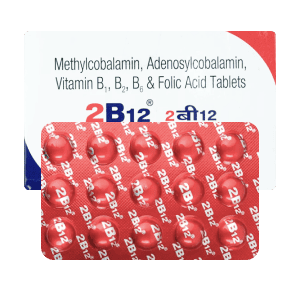
2B12
Price range: $ 38,00 through $ 72,00
More Details
This product has multiple variants. The options may be chosen on the product page
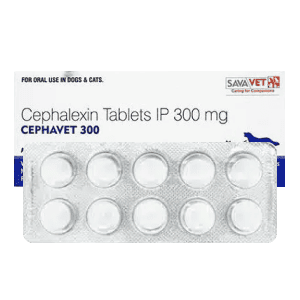
Cephavet
Price range: $ 69,00 through $ 317,00
More Details
This product has multiple variants. The options may be chosen on the product page
Cipcal
Price range: $ 117,00 through $ 216,00
More Details
This product has multiple variants. The options may be chosen on the product page
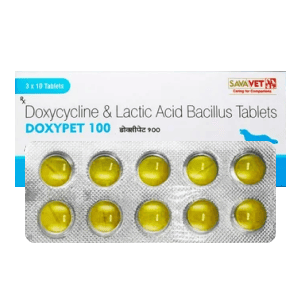
Doxypet
Price range: $ 15,00 through $ 77,00
More Details
This product has multiple variants. The options may be chosen on the product page
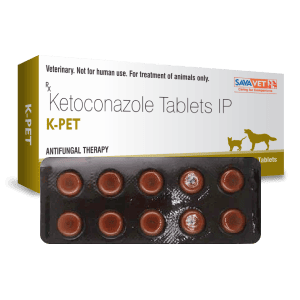
K-Pet
Price range: $ 32,00 through $ 176,00
More Details
This product has multiple variants. The options may be chosen on the product page
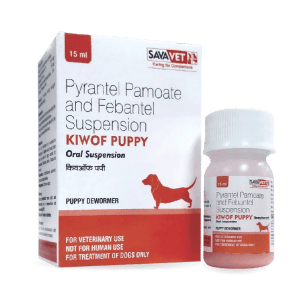
Kiwof Puppy Suspension
$ 13,00
More Details
This product has multiple variants. The options may be chosen on the product page
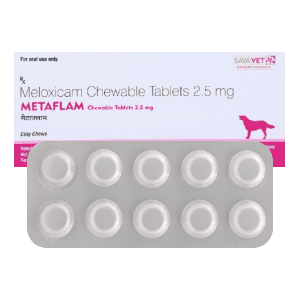
Metaflam Easy Chews
Price range: $ 70,00 through $ 390,00
More Details
This product has multiple variants. The options may be chosen on the product page
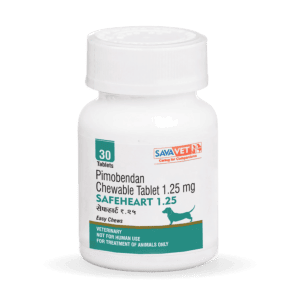
Safeheart Soft
Price range: $ 44,00 through $ 114,00
More Details
This product has multiple variants. The options may be chosen on the product page