

-17%
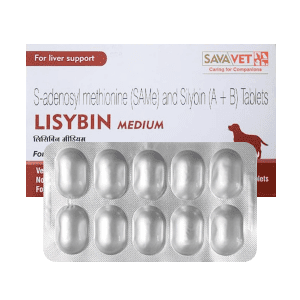
Lisybin Medium
Price range: $ 70,00 through $ 350,00
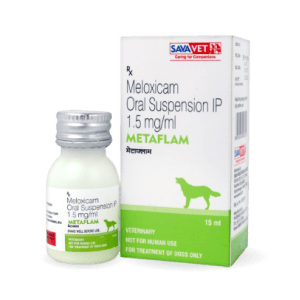
Metaflam Oral Suspension
Price range: $ 38,00 through $ 77,00
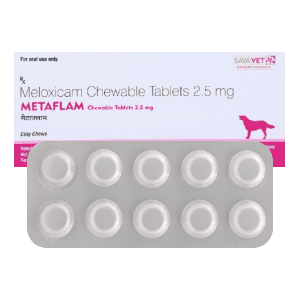
Metaflam Easy Chews
Price range: $ 70,00 through $ 390,00
Metaflam Easy Chews provide effective relief for dogs suffering from pain and inflammation associated with osteoarthritis. These flavored chewable tablets are designed for easy administration, making it simple to manage your pet’s chronic joint discomfort. The active ingredient, Meloxicam, works to improve mobility and enhance the overall quality of life for active or aging dogs. This medication is also highly effective for reducing post-operative pain and swelling following orthopedic or soft tissue surgeries. By targeting the source of discomfort, Metaflam helps your canine companion return to a more comfortable and happy lifestyle.
Delivery: 5–21 days (depending on the shipping method)
Extra 10% discount with coupon: IT4K6SVM
Each dosage option has its own packaging choices.
Description
Metaflam Easy Chews belong to the class of non-steroidal anti-inflammatory drugs (NSAIDs) specifically formulated to target pain and inflammation pathways. In the United States, this medication is available as a prescription drug dispensed in accordance with applicable federal and state regulations.
The chewable tablet formulation is engineered to facilitate consistent dosing for animals suffering from chronic joint conditions such as osteoarthritis or acute postoperative pain. Proper evaluation by a licensed healthcare provider is required prior to initiating therapy to ensure appropriate candidate selection and risk assessment.
| Parameter | Specification |
|---|---|
| Drug Name | Metaflam Easy Chews |
| Active Ingredient | Meloxicam |
| Pharmacologic Class | Non-Steroidal Anti-Inflammatory Drug (NSAID) |
| Dosage Form | Chewable Tablet |
| Route of Administration | Oral |
| Prescription Status | Prescription Only (Rx) |
Overview and Clinical Profile
Mechanism of Action
The primary mechanism of action of Metaflam Easy Chews involves the preferential inhibition of the cyclooxygenase-2 (COX-2) enzyme isoform over cyclooxygenase-1 (COX-1). By inhibiting the COX-2 enzyme, the conversion of arachidonic acid into pro-inflammatory prostaglandins is diminished. Prostaglandins act as key mediators of localized hyperalgesia, arterial vasodilation, and tissue edema during acute and chronic inflammatory responses. While COX-2 selectivity reduces impact on physiological mucosal protection, high systemic concentrations may still affect COX-1 activity. Consequently, targeted inhibition dampens peripheral nociceptive signal transduction and localized tissue inflammation.
Primary Uses and Indications
Metaflam Easy Chews are primarily indicated for the control of pain and inflammation associated with osteoarthritis. The medication is also utilized for managing acute pain following orthopedic or soft tissue surgical procedures. Clinical application requires verified diagnostic evidence of inflammatory joint disease or postoperative trauma. Any use outside of approved musculoskeletal and surgical pain indications is considered off-label and must be explicitly evaluated by a prescribing veterinarian. The overarching goal of treatment is to improve functional mobility and mitigate localized cellular injury driven by persistent joint inflammation.
Dosing Schedule and Administration
Dosage determination must precisely adhere to the weight-based instructions provided by the prescribing professional. Metaflam Easy Chews are formulated for oral administration and can be given directly by hand or mixed with a small portion of food. Standard therapeutic protocols typically initiate therapy with a single higher loading dose on the first day, followed immediately by a lower daily maintenance dose. Accurate weight measurement is mandatory to calculate exact dosage requirements. The chewable tablets feature scoring to enable splitting when precise titrations are necessary. Periodic clinical re-evaluations are recommended to establish the minimum effective maintenance dose during chronic therapy.
How the Drug is Absorbed and Eliminated
Following oral ingestion, meloxicam is readily absorbed from the digestive tract, reaching peak plasma concentration within several hours. Administration alongside food does not meaningfully impair overall oral bioavailability, allowing flexible dosing schedules relative to mealtimes. Meloxicam demonstrates high plasma protein binding, primarily to circulating albumin, which facilitates distribution into synovial fluid of inflamed joint structures. Metabolism is heavily localized to the liver, where the compound undergoes oxidation to inactive metabolites. Excretion occurs via dual pathways, with metabolites cleared in both feces and urine. The extended elimination half-life supports a once-daily dosing regimen to maintain stable plasma concentrations.
Compatibility with Other Medicines
Metaflam Easy Chews possess significant potential for pharmacological interactions with several drug classes. Co-administration with other non-steroidal anti-inflammatory agents (such as carprofen, aspirin, or deracoxib) or systemic corticosteroids (such as prednisone) is contraindicated due to a exponentially increased risk of severe gastrointestinal ulceration, intestinal perforation, and renal injury. Caution is necessary when combining meloxicam with highly protein-bound medications, as competition for binding sites can alter free drug concentrations. Furthermore, concurrent use of nephrotoxic drugs, diuretics, or angiotensin-converting enzyme (ACE) inhibitors requires careful hemodynamic monitoring, as NSAIDs may reduce antihypertensive efficacy and compromise renal perfusion.
Adverse Reactions
Adverse reactions associated with Metaflam Easy Chews primarily involve the gastrointestinal system, renal parenchyma, and hepatic function. Mild and transient side effects include soft stool, localized emesis, transient diarrhea, and temporary loss of appetite during early treatment stages. More severe adverse events include gastrointestinal ulceration, overt gastrointestinal bleeding, renal impairment, elevated hepatic enzymes, and acute liver failure. Caregivers must maintain vigilant observation for clinical indicators of intolerance. Any sudden onset of physiological distress requires immediate cessation of the drug and rapid diagnostic evaluation.
| Red Flag Symptom | Clinical Context |
|---|---|
| Dark, tarry stools or blood in vomit | Indicates potential gastrointestinal ulceration or hemorrhage |
| Persistent vomiting or complete anorexia | Suggests severe gastric mucosal intolerance |
| Yellowing of gums, skin, or eyes (jaundice) | May signal acute hepatic toxicity or dysfunction |
| Marked changes in water consumption or urination | Potential indicator of compromised renal function |
| Facial swelling, hives, or sudden collapse | Signs of a severe hypersensitivity reaction |
Important Precautions and Special Populations
Before initiating therapy with Metaflam Easy Chews, a comprehensive diagnostic baseline should be established. Patients with pre-existing renal insufficiency, hepatic impairment, baseline cardiovascular disease, or active gastrointestinal ulceration face heightened safety risks. Safety has not been systematically established in patients younger than six weeks of age, pregnant or lactating animals, or breeding stock. Hypovolemic or dehydrated patients must be rehydrated prior to drug administration to mitigate the risk of acute renal tubular necrosis. Baseline laboratory screening, including hematology and serum biochemistry panels, is recommended prior to long-term therapy.
Food Considerations
Administering Metaflam Easy Chews concurrently with food or immediately after a meal is recommended to minimize localized gastric mucosal irritation. While fasting does not substantially hinder systemic absorption, presenting chewable tablets with food acts as a mechanical buffer within the stomach. Constant access to clean drinking water must be maintained throughout the treatment period to preserve renal perfusion during active NSAID therapy.
If a Dose is Skipped
If a dose of Metaflam Easy Chews is missed, it should be administered as soon as remembered on the same day, provided the time is not close to the next scheduled administration. Do not double the dose or administer two tablets simultaneously to compensate for a missed dose. If the next scheduled dose is imminent, skip the missed dose entirely and resume the prescribed once-daily schedule.
Practical Aspects of Daily Use
Integrating Metaflam Easy Chews into a daily routine involves close observation of physical activity and functional comfort. Caregivers should maintain a written log tracking administration times, food consumption, stool consistency, and mobility changes. Flavored chewable formulations must be handled with clean, dry hands and kept tightly closed in their protective packaging to prevent degradation from atmospheric humidity.
Storage and Expiration
Metaflam Easy Chews should be stored at controlled room temperature, shielded from direct sunlight and excessive moisture exposure. Because the chewable tablets are formulated for high palatability, storage containers must be secured in a location completely inaccessible to animals and children to prevent accidental massive ingestion. Expired medication must be discarded in accordance with local environmental regulations.
Frequently Asked Questions
How soon can improvements in joint mobility be observed?
Initial symptomatic improvement in pain and joint stiffness typically becomes evident within several days of initiating the maintenance schedule. However, complete clinical evaluation of efficacy requires continuous observation over a full one- to two-week period. If no measurable improvement in mobility occurs within two weeks, the treatment protocol should be re-evaluated by the prescribing provider.
What should be done if accidental double-dosing occurs?
Accidental double-dosing or acute massive ingestion requires urgent professional intervention. Massive overdosage of NSAIDs like meloxicam can precipitate severe gastrointestinal erosion and acute oliguric renal failure. Immediate contact with a emergency veterinary center or poison control line is mandatory to institute gastroprotective and supportive therapies.
Can Metaflam Easy Chews be combined with joint supplements?
Metaflam Easy Chews are frequently co-administered with non-prescription joint support products such as glucosamine, chondroitin sulfate, or omega-3 fatty acids under professional direction. Unlike pharmaceuticals like corticosteroids or other NSAIDs, standard joint supplements do not share toxicity profiles or metabolic pathways with meloxicam. Always verify all concurrent dietary supplements with a qualified provider prior to administration.
Is routine blood testing necessary during long-term use?
Yes, routine clinical laboratory testing is a critical component of safe long-term management with Metaflam Easy Chews. Periodic blood chemistry panels and complete blood counts allow early detection of subclinical hepatic enzyme elevations or subtle declines in renal filtration capacity. Monitoring intervals are established based on individual patient health status, baseline organ function, and total treatment duration.
This text is for informational purposes only and does not constitute individual medical advice. In accordance with FDA requirements, prescription medications must be dispensed and administered under professional healthcare supervision.
Additional information
| Dosage |
1 mg ,2.5 mg |
|---|---|
| Package |
100 tabs ,200 tabs ,300 tabs |
| Active Ingredient |
Meloxicam |
Related products
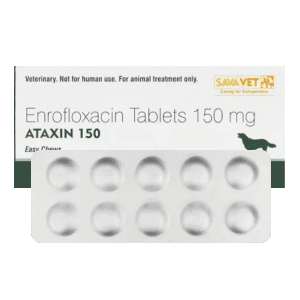
Ataxin
Price range: $ 250,00 through $ 387,00
More Details
This product has multiple variants. The options may be chosen on the product page
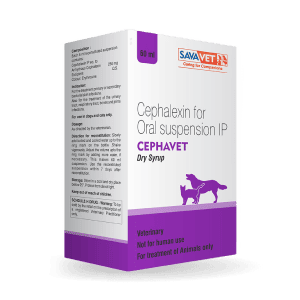
Cephavet Dry Syrup
Price range: $ 33,40 through $ 186,74
More Details
This product has multiple variants. The options may be chosen on the product page
Evion Softgel
Price range: $ 56,00 through $ 860,00
More Details
This product has multiple variants. The options may be chosen on the product page
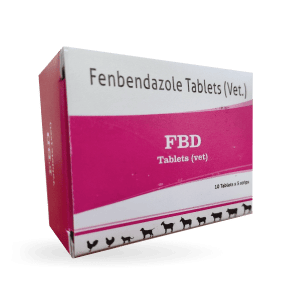
FBD
Price range: $ 90,00 through $ 810,00
More Details
This product has multiple variants. The options may be chosen on the product page
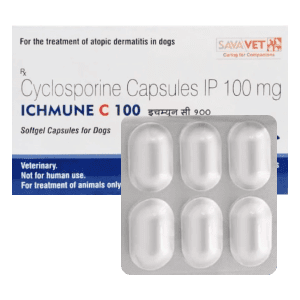
Ichmune C
Price range: $ 112,00 through $ 1 071,00
More Details
This product has multiple variants. The options may be chosen on the product page
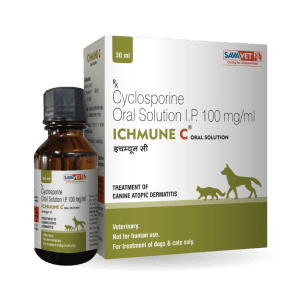
Ichmune C Oral Solution
$ 150,00
More Details
This product has multiple variants. The options may be chosen on the product page
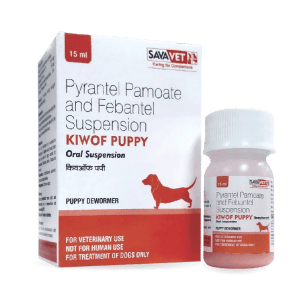
Kiwof Puppy Suspension
$ 13,00
More Details
This product has multiple variants. The options may be chosen on the product page
Metaflam Oral Suspension
Price range: $ 38,00 through $ 77,00
More Details
This product has multiple variants. The options may be chosen on the product page