

-44%
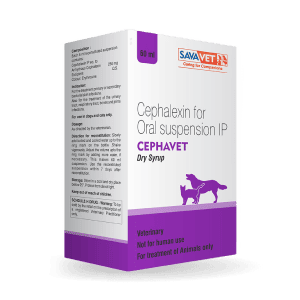
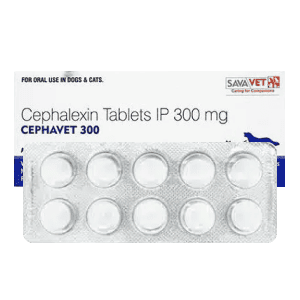
Cephavet
Price range: $ 69,00 through $ 317,00

Chocolis
Price range: $ 74,00 through $ 163,00
Cephavet Dry Syrup
Price range: $ 33,40 through $ 186,74
Cephavet Dry Syrup is a potent broad-spectrum antibiotic containing Cephalexin, designed to effectively combat various bacterial infections. The medication works by inhibiting the synthesis of bacterial cell walls, leading to the elimination of harmful pathogens. It is widely utilized to treat common conditions such as skin and soft tissue infections, providing rapid relief from symptoms. This oral suspension is also highly effective against respiratory tract infections and uncomplicated urinary tract issues. The dry syrup formulation ensures easy administration and accurate dosing, making it a reliable choice for managing bacterial health concerns.
Delivery: 5–21 days (depending on the shipping method)
Extra 10% discount with coupon: IT4K6SVM
Each dosage option has its own packaging choices.
Description
Cephavet Dry Syrup belongs to the class of antimicrobial agents known as first-generation cephalosporins. Containing cephalexin as its active substance, this dry powder formulation is intended for reconstitution with water to form an oral liquid suspension for the treatment of susceptible bacterial infections.
As a prescription-only antimicrobial therapy, Cephavet Dry Syrup must be dispensed in accordance with applicable federal and state regulations upon presentation of a valid order from a licensed healthcare provider. Proper administration requires precise adherence to dosing instructions and complete duration of treatment to ensure clinical efficacy and minimize the risk of bacterial resistance.
| Parameter | Details |
|---|---|
| Drug Name | Cephavet Dry Syrup |
| Active Ingredient (INN) | Cephalexin |
| Therapeutic Class | Cephalosporin Antibiotic (First-Generation) |
| Dosage Form | Powder for oral suspension |
| Route of Administration | Oral |
| Prescription Status | Prescription (Rx) only |
Clinical Profile and Pharmacological Overview
How the drug works
Cephavet Dry Syrup exerts its therapeutic effect through the bactericidal action of cephalexin. As a beta-lactam antibiotic, cephalexin inhibits bacterial cell wall synthesis by binding to specific penicillin-binding proteins (PBPs) located inside the bacterial cell wall. This binding disrupts the final transpeptidization step of peptidoglycan synthesis, which is essential for maintaining bacterial cell wall integrity and structural stability. Without a functional cell wall, susceptible bacterial cells undergo osmotic lysis and cell death. The antibacterial spectrum of cephalexin includes Gram-positive organisms such as Staphylococcus aureus (methicillin-susceptible strains), Streptococcus pneumoniae, and Streptococcus pyogenes, as well as select Gram-negative pathogens including Escherichia coli, Proteus mirabilis, and Klebsiella pneumoniae. Cephalexin is ineffective against enterococci, methicillin-resistant staphylococci (MRSA), and Pseudomonas species.
How it’s absorbed and eliminated
Following oral administration of the reconstituted suspension, cephalexin is rapidly and almost completely absorbed from the gastrointestinal tract. Peak serum concentrations are typically achieved within one hour after oral ingestion under fasting conditions. The presence of food may slightly delay peak concentration, but overall systemic absorption remains unchanged. Cephalexin displays low plasma protein binding (approximately 10% to 15%) and distributes widely into most body tissues and fluids, including bone, joints, and pleural fluid, though therapeutic concentrations in the cerebrospinal fluid are generally not attained. Cephalexin does not undergo significant hepatic metabolism; it is excreted largely unchanged in the urine via glomerular filtration and tubular secretion. Approximately 80% or more of an administered dose is recovered in the urine within 8 hours. The elimination half-life in individuals with normal renal function is approximately 1 hour, but this duration increases significantly in patients with renal impairment.
Main uses
Cephavet Dry Syrup is indicated for the treatment of mild-to-moderate infections caused by susceptible strains of designated microorganisms. Approved clinical indications include respiratory tract infections caused by Streptococcus pneumoniae and Streptococcus pyogenes; otitis media resulting from infection with Streptococcus pneumoniae, Haemophilus influenzae, or Staphylococcus aureus; skin and skin structure infections attributable to staphylococci or streptococci; bone infections caused by Staphylococcus aureus or Proteus mirabilis; and urinary tract infections, including acute prostatitis, caused by Escherichia coli, Proteus mirabilis, or Klebsiella pneumoniae. Antibiotic therapy should be guided by culture and susceptibility testing whenever clinical data is available to ensure optimal targeted treatment and to mitigate the development of drug-resistant pathogens.
Dosing schedule
The dosage of Cephavet Dry Syrup must be individualized by a licensed healthcare provider based on the severity of the infection, patient weight, and renal function. Prior to administration, the dry powder formulation must be reconstituted with the specified volume of purified water as indicated on the bottle label, shaking vigorously until a uniform suspension is achieved. For adult populations, standard total daily dosages range from 1 g to 4 g divided into equal doses administered every 6 to 12 hours. In pediatric patients, the dosage is calculated based on body weight, typically ranging from 25 to 50 mg/kg of body weight daily in divided doses, though severe infections may require higher dosages under strict medical monitoring. Administration should occur at evenly spaced intervals throughout the day to maintain consistent serum antibiotic levels. The complete prescribed course of therapy must be finished, even if clinical symptoms resolve prior to medication completion.
Safety Information, Administration, and FAQs
Compatibility with other medicines
Concomitant administration of Cephavet Dry Syrup with other pharmacological agents may alter systemic drug clearance or therapeutic response. Co-administration of probenecid inhibits the renal tubular secretion of cephalexin, resulting in increased and prolonged serum concentration levels of the antibiotic. Combined use with nephrotoxic agents, such as aminoglycoside antibiotics or potent diuretics like furosemide, may increase the potential risk of renal impairment; renal function monitoring is recommended in such therapeutic regimens. Cephalexin may interfere with certain laboratory diagnostic tests. Specifically, false-positive reactions for glucose in the urine may occur when using Benedict’s or Fehling’s solutions or Clinitest tablets. Direct Coombs’ tests may yield positive results during cephalexin therapy, which can complicate hematological evaluations or cross-matching procedures.
Adverse reactions
Treatment with Cephavet Dry Syrup is generally well tolerated, though adverse drug reactions may occur. The most frequently observed side effects involve the gastrointestinal system, including diarrhea, nausea, vomiting, abdominal discomfort, and dyspepsia. Pseudomembranous colitis caused by Clostridioides difficile overgrowth can present during or following antibiotic administration, ranging in severity from mild diarrhea to life-threatening colitis. Hypersensitivity reactions include rash, urticaria, angioedema, and rarely, severe cutaneous reactions such as Stevens-Johnson syndrome or toxic epidermal necrolysis. Transient laboratory abnormalities have been reported, including eosinophilia, neutropenia, leukopenia, and mild elevations of serum aspartate aminotransferase (AST) and alanine aminotransferase (ALT). Central nervous system side effects are rare but may include dizziness, headache, fatigue, or agitation.
Important precautions
Before initiating therapy with Cephavet Dry Syrup, healthcare providers must evaluate the patient for previous hypersensitivity reactions to cephalosporins, penicillins, or other beta-lactam agents. Cross-reactivity between penicillins and cephalosporins occurs in approximately 1% to 10% of patients with a history of penicillin allergy; severe anaphylactic reactions require immediate emergency intervention. Prescribers should exercise caution when administering cephalexin to patients with a history of gastrointestinal disease, particularly colitis. Prolonged use of antibacterial agents may lead to the overgrowth of non-susceptible organisms, including fungi. In patients with severe renal impairment (creatinine clearance less than 30 mL/min), dosage adjustments or extended dosing intervals are mandatory to prevent toxic drug accumulation.
Red flags
Patients or caregivers must seek immediate medical emergency assistance if signs of severe allergic reaction occur, including swelling of the face, lips, tongue, or throat, or acute difficulty breathing or swallowing. Immediate clinical evaluation is required upon the emergence of severe, persistent, or watery diarrhea, accompanied by abdominal cramping or fever, which may indicate Clostridioides difficile-associated diarrhea. Development of a severe skin rash, blistering, peeling, or mucosal lesions requires prompt discontinuation of therapy and urgent medical assessment. Any signs of unexpected bleeding, severe unusual fatigue, yellowing of the skin or eyes (jaundice), or marked reduction in urinary output warrant immediate healthcare provider notification.
If you skip a dose
If a dose of Cephavet Dry Syrup is missed, it should be administered as soon as remembered. However, if the time for the next scheduled dose is near, the missed dose should be omitted, and the regular dosing schedule resumed. Double doses should not be administered to compensate for a missed dose. Maintaining consistent drug levels in the bloodstream is critical for antimicrobial efficacy; therefore, caregivers should establish a consistent administration schedule.
Special populations
Cephavet Dry Syrup is categorized under Pregnancy Category B under historical system standards; animal reproduction studies have failed to reveal evidence of impaired fertility or harm to the fetus. However, adequate and well-controlled studies in pregnant women are lacking, so cephalexin should be used during pregnancy only if clearly needed. Cephalexin is excreted in human milk in low concentrations; caution should be exercised when administering the medication to nursing mothers. In pediatric populations, safety and effectiveness of oral suspension formulations have been established for designated indications. Elderly patients demonstrate pharmacokinetic clearance profiles similar to younger adults, provided renal function is intact; dose selection for geriatric patients should account for potential age-related reductions in renal function.
Storage and expiration
Prior to reconstitution, Cephavet Dry Syrup powder should be stored at controlled room temperature between 20°C to 25°C (68°F to 77°F), protected from excessive light and moisture. Following reconstitution with purified water, the liquid suspension must be stored under refrigeration between 2°C and 8°C (36°F and 46°F). Reconstituted suspension should be shaken well before each administration and discarded after 14 days, even if medication remains in the bottle. Unused or expired medication must be disposed of according to federal and local environmental disposal regulations to prevent accidental exposure or environmental contamination.
Common questions
Can Cephavet Dry Syrup be taken with food or on an empty stomach?
Cephavet Dry Syrup may be taken with or without food. Taking the suspension with meals or milk can help minimize gastrointestinal discomfort if stomach upset occurs.
How should reconstituted Cephavet Dry Syrup be stored?
Once mixed with water, the liquid suspension must be kept refrigerated at 2°C to 8°C (36°F to 46°F) and discarded after 14 days.
What should be done if diarrhea develops during treatment with Cephavet Dry Syrup?
Mild diarrhea may occur, but severe, watery, or bloody diarrhea accompanied by fever requires immediate contact with a healthcare provider, as it may indicate a serious bowel infection.
Does renal impairment require dose adjustment for Cephavet Dry Syrup?
Yes. Because cephalexin is cleared primarily by the kidneys, patients with reduced renal function require lower dosages or prolonged intervals between doses as determined by their prescriber.
Can Cephavet Dry Syrup interact with routine urine glucose tests?
Cephalexin can cause false-positive results for urine glucose when using copper reduction methods (such as Benedict’s solution or Clinitest tablets); glucose enzymatic test strips are unaffected.
In accordance with FDA requirements, prescription medications require valid authorization by a licensed prescriber.
Information on this page is for reference and does not replace an assessment by a licensed healthcare professional.
Additional information
| Dosage |
60 ml |
|---|---|
| Package |
1 bottles ,2 bottles ,3 bottles ,4 bottles ,5 bottles ,10 bottles |
| Active Ingredient |
Cephalexin |
Related products
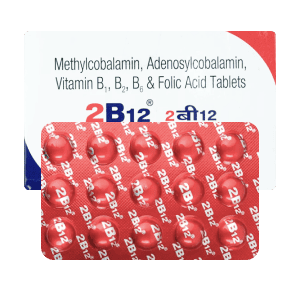
2B12
Price range: $ 38,00 through $ 72,00
More Details
This product has multiple variants. The options may be chosen on the product page
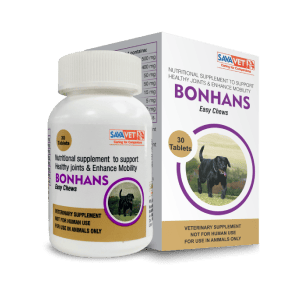
Bonhans
Price range: $ 87,00 through $ 161,00
More Details
This product has multiple variants. The options may be chosen on the product page
Cipcal
Price range: $ 117,00 through $ 216,00
More Details
This product has multiple variants. The options may be chosen on the product page
FBD
Price range: $ 90,00 through $ 810,00
More Details
This product has multiple variants. The options may be chosen on the product page

Folitas
Price range: $ 60,00 through $ 147,00
More Details
This product has multiple variants. The options may be chosen on the product page
Ichmune C
Price range: $ 112,00 through $ 1 071,00
More Details
This product has multiple variants. The options may be chosen on the product page
Metaflam Easy Chews
Price range: $ 70,00 through $ 390,00
More Details
This product has multiple variants. The options may be chosen on the product page
Safeheart Soft
Price range: $ 44,00 through $ 114,00
More Details
This product has multiple variants. The options may be chosen on the product page