

-49%
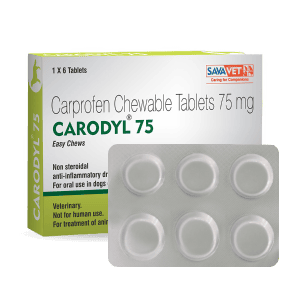
Carodyl Chewable
Price range: $ 116,00 through $ 1 139,00
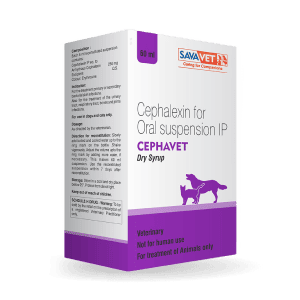
Cephavet Dry Syrup
Price range: $ 33,40 through $ 186,74
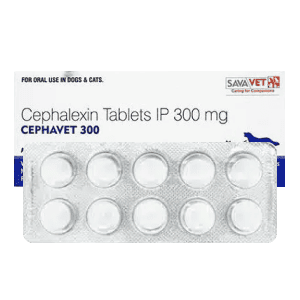
Cephavet
Price range: $ 69,00 through $ 317,00
Cephavet is a potent broad-spectrum antibiotic belonging to the cephalosporin class, designed to effectively combat various bacterial infections. This medication works by inhibiting the growth of bacteria and disrupting the formation of their cell walls to eliminate the source of the illness. It is widely utilized to treat common conditions such as skin and soft tissue infections, including pyoderma and infected wounds. Additionally, Cephavet is highly effective in managing urinary tract infections and respiratory tract issues caused by susceptible bacterial strains. By targeting the root of the infection, this reliable treatment helps restore health and supports a swift recovery from bacterial ailments.
Delivery: 5–21 days (depending on the shipping method)
Extra 10% discount with coupon: IT4K6SVM
Each dosage option has its own packaging choices.
Description
Cephavet belongs to a group of medicines called first-generation cephalosporin antibacterial agents. It is indicated for the treatment of specific bacterial infections caused by susceptible Gram-positive and select Gram-negative microorganisms. As a prescription medication, its administration must be directed and monitored by a qualified healthcare professional in accordance with applicable federal and state regulations.
The therapeutic efficacy of Cephavet relies on maintaining adequate systemic drug concentrations over the prescribed dosing interval. Complete adherence to the treatment regimen is required to achieve pathogen eradication and to minimize the potential emergence of drug-resistant bacterial strains.
| Parameter | Specification |
|---|---|
| Drug Name | Cephavet |
| Active Ingredient | Cephalexin monohydrate |
| Therapeutic Class | First-generation cephalosporin antibiotic |
| Dosage Form | Oral capsules, tablets, oral suspension |
| Route of Administration | Oral |
| Prescription Status | Prescription (Rx) only |
Pharmacological Profile and Clinical Guidance
How the drug works
The mechanism of action of Cephavet involves the inhibition of bacterial cell wall synthesis. The active ingredient, cephalexin, binds to specific penicillin-binding proteins (PBPs) located inside the bacterial cell wall. This binding action disrupts the final transpeptidation step of peptidoglycan synthesis, which is essential for bacterial cell wall structural integrity. Consequently, the bacterial cell wall becomes unstable, leading to cell lysis and bacterial death. Cephavet demonstrates bactericidal activity against common Gram-positive organisms, including Staphylococcus aureus (methicillin-susceptible strains) and Streptococcus pneumoniae, as well as select Gram-negative pathogens such as Escherichia coli, Proteus mirabilis, and Klebsiella pneumoniae.
Main uses
Cephavet is clinically indicated for the treatment of mild to moderately severe infections caused by susceptible isolates. Common FDA-approved indications include respiratory tract infections (such as acute pharyngitis and tonsillitis), otitis media, skin and skin structure infections (including cellulitis and impetigo), bone infections, and uncomplicated genitourinary tract infections (such as acute cystitis). Use of this agent for indications not explicitly listed in approved labeling is considered off-label and must be evaluated on an individual clinical basis by the treating prescriber.
Dosing schedule
The dosage and administration schedule for Cephavet are determined by the healthcare provider based on the type and severity of infection, patient age, body weight, and renal clearance capabilities. In adult populations, typical regimens range from 250 mg to 500 mg administered orally every 6 hours, or 500 mg every 12 hours, depending on the therapeutic target. Pediatric dosages are generally calculated on a milligram-per-kilogram body weight basis. Doses should be spaced evenly throughout the day to maintain steady plasma concentrations. The total duration of therapy must be completed as prescribed, even if symptomatic relief occurs prior to medication depletion.
What happens in the body
Following oral administration, Cephavet is rapidly and almost completely absorbed from the upper gastrointestinal tract. Peak serum concentrations are typically attained within one hour after oral ingestion. The drug exhibits low plasma protein binding (approximately 10% to 15%) and distributes widely into most body tissues and fluids, including bone, synovial fluid, and pleural fluid, though penetration into cerebrospinal fluid is minimal. Cephavet does not undergo significant hepatic metabolism. It is eliminated primarily in unchanged form via renal excretion through glomerular filtration and tubular secretion. In individuals with normal renal function, the plasma elimination half-life is approximately 0.7 to 1 hour.
Compatibility with other medicines
Co-administration of Cephavet with other pharmacological agents may alter drug plasma levels or increase the risk of adverse events. Probenecid competitively inhibits renal tubular secretion of cephalexin, resulting in elevated and prolonged serum concentrations. Simultaneous administration with metformin may lead to increased plasma concentrations of metformin, necessitating careful clinical monitoring. Cephalosporins may also potentiate the anticoagulant effect of vitamin K antagonists such as warfarin, requiring periodic monitoring of international normalized ratio (INR) values. Furthermore, concurrent administration of oral live typhoid vaccines should be avoided, as antibacterial therapy can diminish the immunogenic response to the vaccine.
Signs of improvement
Clinical response to Cephavet therapy is generally observed within 48 to 72 hours following initiation of treatment. Indicators of therapeutic progress include the defervescence of fever, reduction of localized edema, erythema, or pain, and normalization of inflammatory markers. If no clinical improvement is observed after 72 hours of compliant administration, or if symptoms progressively worsen, re-evaluation of the pathogen’s antimicrobial susceptibility profile is clinically indicated.
Safety Information and Administration
Adverse reactions
Cephavet is generally well tolerated, but adverse drug reactions may occur. Gastrointestinal disturbances are the most frequently reported side effects and include nausea, vomiting, diarrhea, dyspepsia, and abdominal pain. Dermatological reactions, such as urticaria, pruritus, and maculopapular skin rashes, have been observed. Less common but serious adverse events include Clostridioides difficile-associated diarrhea (pseudomembranous colitis), transient elevations in hepatic enzymes, reversible leukopenia, neutropenia, and thrombocytopenia. Severe hypersensitivity reactions, including anaphylaxis, Stevens-Johnson syndrome, and toxic epidermal necrolysis, occur rarely but require immediate clinical intervention.
Important precautions
Prior to initiating Cephavet therapy, careful inquiry should be made regarding previous hypersensitivity reactions to cephalosporins, penicillins, or other beta-lactam compounds. Cross-reactivity between penicillins and first-generation cephalosporins occurs in a subset of allergic patients; caution is mandatory when administering this drug to individuals with a history of immediate penicillin hypersensitivity. Patients with impaired renal function require dosage adjustments based on estimated creatinine clearance rates to prevent drug accumulation and toxicity. In pregnant patients, Cephavet should be used only if clearly needed after evaluating potential maternal benefit against fetal risk. Small quantities of cephalexin are excreted in human milk; caution should be exercised when administering to nursing mothers.
Food and alcohol interactions
Cephavet may be taken with or without food. Administration alongside food may slightly delay the rate of gastrointestinal absorption, but total bioavailability remains largely unchanged. Taking the medication with meals or a snack may help attenuate mild gastrointestinal distress, such as nausea. While alcohol does not directly alter the pharmacokinetic parameters of cephalexin, ethanol consumption during an active systemic infection can impair immune response and aggravate central nervous system or gastrointestinal side effects.
If you skip a dose
If a dose of Cephavet is missed, it should be taken as soon as remembered. However, if it is almost time for the next scheduled dose, the missed dose should be skipped, and the regular dosing interval resumed. Patients must not double the dose to make up for a missed administration, as this increases the risk of concentration-dependent adverse effects.
Storage and expiration
Solid oral dosage forms (capsules and tablets) should be stored at controlled room temperature between 20°C and 25°C (68°F to 77°F), with excursions permitted between 15°C and 30°C (59°F to 86°F). Protect the container from light and excessive moisture. Reconstituted oral liquid suspensions must be kept refrigerated between 2°C and 8°C (36°F to 46°F) and must be discarded after 14 days of reconstitution. Medication should be kept out of reach of children and should not be used past the printed expiration date.
Common Questions
What steps should be taken if persistent diarrhea develops during treatment?
If loose stools or persistent diarrhea develop during or immediately following treatment with Cephavet, it is important to notify a healthcare provider promptly. Antibacterial therapy can alter the normal colonic flora, permitting overgrowth of Clostridioides difficile. Antidiarrheal agents that inhibit intestinal peristalsis should be avoided until a medical evaluation is completed, as they may delay toxin clearance and worsen mucosal inflammation.
Can Cephavet be safely administered to individuals with a known penicillin allergy?
Administration to patients with a history of penicillin allergy requires cautious medical assessment. While cross-reactivity between penicillins and first-generation cephalosporins is relatively low, severe hypersensitivity reactions can occur. Patients who have experienced severe, immediate allergic reactions to penicillin–such as anaphylaxis, bronchospasm, or angioedema–should generally avoid cephalosporin therapy unless explicitly cleared by an allergist or attending physician.
Why must the full duration of the prescribed antibiotic course be completed?
Premature discontinuation of Cephavet, even after visible resolution of clinical symptoms, can leave surviving pathogenic bacteria exposed to sub-therapeutic drug concentrations. This incomplete eradication increases the risk of infection relapse and promotes the selection of resistant bacterial mutants that may render future beta-lactam therapy ineffective.
How does renal impairment affect the dosing of Cephavet?
Because Cephavet is primarily excreted unchanged by the kidneys, reduced renal function leads to a decrease in drug clearance and a prolonged elimination half-life. Patients with compromised kidney function (creatinine clearance less than 50 mL/min) require extended dosing intervals or reduced individual doses to prevent systemic drug accumulation and minimize toxic effects.
In accordance with FDA requirements.
This text is for informational purposes only and does not constitute individual medical advice.
Additional information
| Dosage |
300 mg ,600 mg |
|---|---|
| Package |
10 tabs ,20 tabs ,30 tabs ,40 tabs ,50 tabs ,60 tabs ,70 tabs ,80 tabs ,90 tabs ,100 tabs |
| Active Ingredient |
Cephalexin |
Related products
Cipcal
Price range: $ 117,00 through $ 216,00
More Details
This product has multiple variants. The options may be chosen on the product page
Ferrogen xt
Price range: $ 20,00 through $ 42,00
More Details
This product has multiple variants. The options may be chosen on the product page
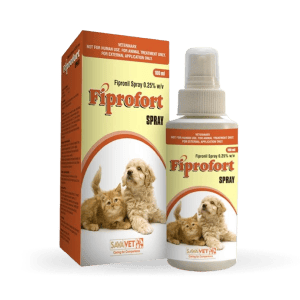
Fiprofort Spray
$ 50,00
More Details
This product has multiple variants. The options may be chosen on the product page

Folitas
Price range: $ 60,00 through $ 147,00
More Details
This product has multiple variants. The options may be chosen on the product page
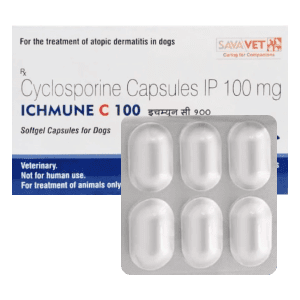
Ichmune C
Price range: $ 112,00 through $ 1 071,00
More Details
This product has multiple variants. The options may be chosen on the product page
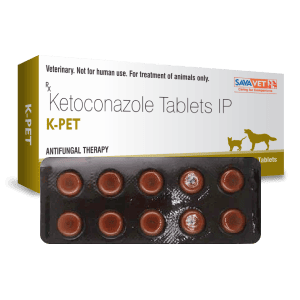
K-Pet
Price range: $ 32,00 through $ 176,00
More Details
This product has multiple variants. The options may be chosen on the product page
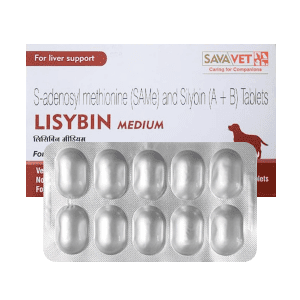
Lisybin Medium
Price range: $ 70,00 through $ 350,00
More Details
This product has multiple variants. The options may be chosen on the product page
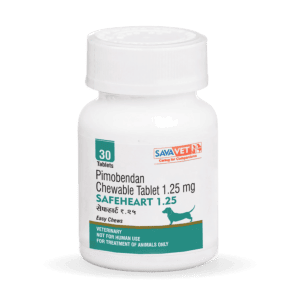
Safeheart Soft
Price range: $ 44,00 through $ 114,00
More Details
This product has multiple variants. The options may be chosen on the product page