

-38%

Biotin VB7
Price range: $ 24,00 through $ 61,00
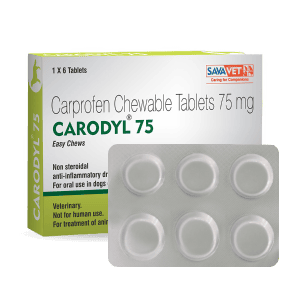
Carodyl Chewable
Price range: $ 116,00 through $ 1 139,00
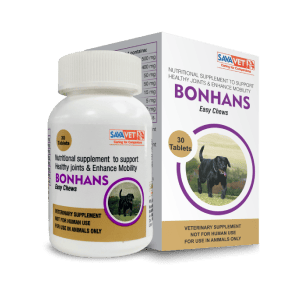
Bonhans
Price range: $ 87,00 through $ 161,00
Bonhans is a specialized medication designed to prevent the development of stomach ulcers in patients who regularly take nonsteroidal anti-inflammatory drugs (NSAIDs). The active component works by mimicking natural substances that protect the lining of the stomach from irritation and excess acid. By reducing gastric acid secretion and enhancing the production of protective mucus, it provides a vital defense for the digestive system. This treatment is particularly beneficial for individuals managing chronic pain or inflammatory conditions who are at a higher risk for gastric complications. Bonhans helps maintain long-term gastrointestinal health, allowing patients to continue their necessary therapeutic regimens with greater comfort and safety.
Delivery: 5–21 days (depending on the shipping method)
Extra 10% discount with coupon: IT4K6SVM
Each dosage option has its own packaging choices.
Description
Bonhans belongs to a category of therapeutic agents prescribed to assist in specific clinical management plans as evaluated by a licensed healthcare professional. In the United States, this medication is dispensed in accordance with applicable federal and state regulations following an individual clinical assessment. Understanding the pharmacological principles of Bonhans helps ensure treatment compliance and supports informed health decisions.
Patients prescribed Bonhans should follow the exact dosing instructions and clinical monitoring routines provided by their healthcare physician. While therapeutic interventions provide intended clinical benefits, safe administration requires careful attention to potential drug interactions, underlying health conditions, and appropriate handling instructions.
| Parameter | Clinical Details |
|---|---|
| Therapeutic Class | Pharmacotherapeutic agent (systemic therapy) |
| Route of Administration | Oral |
| Prescription Status | Dispensed under applicable federal and state regulations |
| Primary Purpose | Targeted management of approved therapeutic indications |
| Dosing Regimen | Determined individually by the prescribing clinician |
| Storage Conditions | Store at controlled room temperature (20°C to 25°C / 68°F to 77°F) |
Clinical Profile and Administration
Main uses
Bonhans is indicated for specific clinical conditions designated by a qualified prescriber after evaluating a patient’s medical history. On one hand, the therapy serves as an effective management option for target symptoms when initiated under appropriate supervision. On the other hand, its application must be weighed against alternative therapeutic approaches based on individual patient tolerance and overall treatment goals. Off-label use of Bonhans–any application outside FDA-evaluated labeling–must be explicitly identified and monitored by a physician, as unapproved indications carry distinct benefit-risk profiles that require specialized clinical rationale.
How the drug works
The mechanism of action of Bonhans involves specific cellular and biochemical pathways that modulate physiological responses relevant to the targeted condition. By selectively binding to target receptors or regulating biochemical cascades, the active substance helps restore metabolic balance or reduce pathological activity. Compared with broader non-selective treatments, this targeted pharmacological activity allows for structured symptom control. However, variations in receptor sensitivity and patient physiology mean that individual response rates and time to initial therapeutic effect can differ significantly across patient populations.
What happens in the body:
Following oral administration, Bonhans undergoes gastrointestinal absorption into the systemic circulation. Pharmacokinetic evaluations show that peak plasma concentrations are achieved within a standardized timeframe, though rate of absorption may be influenced by systemic factors. The active compound undergoes hepatic metabolism involving standard enzymatic pathways, with subsequent systemic clearance primarily through renal or fecal excretion routes. Half-life parameters and systemic clearance rates vary between individuals, particularly in patients with altered metabolic capacity or concurrent organ dysfunction.
Dosing schedule:
Dosage for Bonhans is determined individually by the prescribing clinician based on clinical severity, patient weight, kidney function, and therapeutic response. Tablets or capsules should be swallowed whole with a full glass of water and taken consistently at the same time each day to maintain stable plasma concentrations. Patients should never double a dose, increase the prescribed quantity, or alter the dosing schedule without direct guidance from their physician, as improper adjustments can compromise safety or reduce treatment efficacy.
Safety Information and Patient Guidance
Adverse reactions
Like all prescription pharmacotherapies, Bonhans carries potential side effects, ranging from mild, transient reactions to severe systemic events. Common mild adverse reactions may include gastrointestinal discomfort, mild headache, fatigue, or transient dizziness, which often resolve as the body adapts to therapy. Less common but more severe risks include hypersensitivity reactions, significant metabolic changes, or organ-specific toxicity. Patients experiencing persistent or distressing symptoms should report them promptly to their healthcare team for clinical evaluation.
Compatibility with other medicines:
Combining Bonhans with other pharmaceuticals can alter plasma concentrations or heighten the risk of adverse effects. Concomitant administration of strong hepatic enzyme inhibitors or inducers may alter the metabolic clearance of Bonhans, leading to toxicity or reduced therapeutic efficacy. Additionally, combining this medication with over-the-counter supplements, herbal preparations, or nonsteroidal anti-inflammatory drugs (NSAIDs) requires pre-clearance from a pharmacist or physician to prevent unforeseen pharmacological interactions.
Important precautions:
Before starting treatment with Bonhans, healthcare providers must review the patient’s full medical history, emphasizing renal function, hepatic impairment, cardiovascular health, and history of drug allergies. Special caution is required in elderly populations due to age-related declines in organ function and increased sensitivity to active ingredients. For pregnant or breastfeeding patients, treatment should only be considered if the potential clinical benefit outweighs risks to the fetus or infant, as safety data in these groups may be limited.
What to avoid while taking it:
Patients taking Bonhans should exercise caution regarding dietary choices and alcohol consumption. Ethanol intake may intensify central nervous system side effects such as drowsiness or dizziness and can increase the risk of gastric irritation. Certain foods or juices that interact with metabolic enzymes should be avoided if specified by your clinician. Always discuss dietary habits with your pharmacist upon receiving your prescription.
If you skip a dose:
If a scheduled dose of Bonhans is missed, it should be taken as soon as remembered on the same day, unless it is almost time for the next scheduled dose. In that case, skip the missed dose and resume the standard schedule. Patients should never take two doses simultaneously to make up for a missed dose, as doubling up increases systemic toxicity risks.
Storage and expiration:
Bonhans should be stored at controlled room temperature, away from excessive heat, direct sunlight, and moisture (avoid storing in humid bathroom environments). Keep the container tightly closed and out of reach of children and pets. Do not use this medication past the expiration date printed on the packaging, and dispose of unused portions through authorized pharmacy drop-off locations or local take-back programs.
What to ask your provider:
Preparing specific questions for medical appointments helps optimize treatment safety. Consider asking your provider: What expected outcome should I look for? How long will I need to remain on this therapy? What specific symptoms should prompt immediate medical evaluation? Are there specific lab tests required to monitor my organ function during treatment?
Common questions
Is it safe to drive while taking Bonhans?
Bonhans may cause central nervous system reactions such as mild dizziness, drowsiness, or altered alertness in certain individuals. Until you observe how your body reacts to the medication, avoid operating motor vehicles, heavy machinery, or participating in activities requiring complete mental clarity.
How long does it typically take for Bonhans to show noticeable clinical effects?
The timeline for therapeutic response depends on individual physiological factors, dosage, and the specific condition being treated. Some patients notice symptom modulation within several days, while others require several weeks of consistent administration to achieve optimal clinical response.
What should I do if I experience severe allergic reactions?
If you develop signs of a severe hypersensitivity reaction–such as swelling of the face, lips, tongue, or throat, severe skin rash, hives, or difficulty breathing–discontinue the medication immediately and seek emergency medical care.
Can Bonhans be stopped abruptly if I feel better?
Patients should not stop taking Bonhans abruptly without consulting their prescriber. Abrupt discontinuation can lead to symptom rebound or withdrawal-like effects. A physician will provide a structured tapering schedule if treatment needs to be discontinued.
How often will I need routine follow-up examinations while on Bonhans?
Follow-up frequency is determined by your physician based on treatment duration and personal risk factors. Periodic blood tests, liver function monitoring, or renal evaluations are routinely scheduled to verify ongoing safety and efficacy.
Information on this page is for reference and does not replace an assessment by a licensed healthcare professional. In accordance with FDA requirements.
Additional information
| Dosage |
30 tabs |
|---|---|
| Package |
1 bottles ,2 bottles ,3 bottles |
| Active Ingredient |
Glucosamine Hydrochloride, Chondroitin Sulfate, Methylsulphonylmethane, Ascorbic Acid, Zinc, Manganese, Copper Gluconate |
Related products
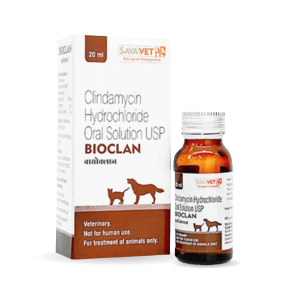
Bioclan Oral Solution
Price range: $ 31,00 through $ 71,00
More Details
This product has multiple variants. The options may be chosen on the product page
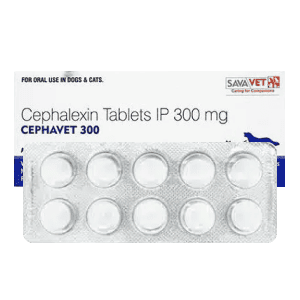
Cephavet
Price range: $ 69,00 through $ 317,00
More Details
This product has multiple variants. The options may be chosen on the product page
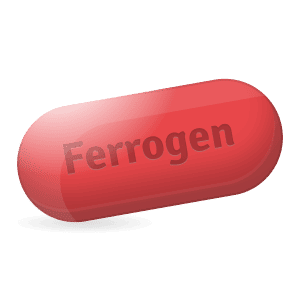
Ferrogen xt
Price range: $ 20,00 through $ 42,00
More Details
This product has multiple variants. The options may be chosen on the product page

Fiprofort Plus Spot-On
Price range: $ 11,00 through $ 39,00
More Details
This product has multiple variants. The options may be chosen on the product page
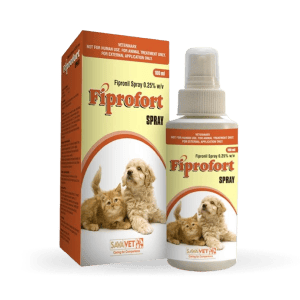
Fiprofort Spray
$ 50,00
More Details
This product has multiple variants. The options may be chosen on the product page
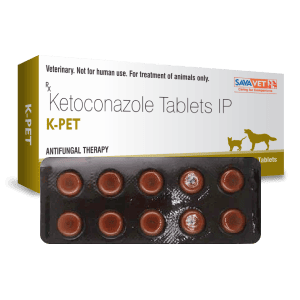
K-Pet
Price range: $ 32,00 through $ 176,00
More Details
This product has multiple variants. The options may be chosen on the product page
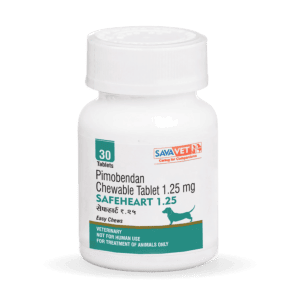
Safeheart Soft
Price range: $ 44,00 through $ 114,00
More Details
This product has multiple variants. The options may be chosen on the product page
Shelcal
Price range: $ 209,00 through $ 328,00
More Details
This product has multiple variants. The options may be chosen on the product page